15 Terracotta Nursery Color Palette Ideas
A clay paint chip can look softly pink in the shop and surprisingly orange beside your floor. Choose the companion neutral and the wood finish at the same time as the terracotta, then judge the combination in your own light. The most useful palette is one you can repeat across a few practical surfaces without buying an entire matching room.
Chalk White and Soft Clay
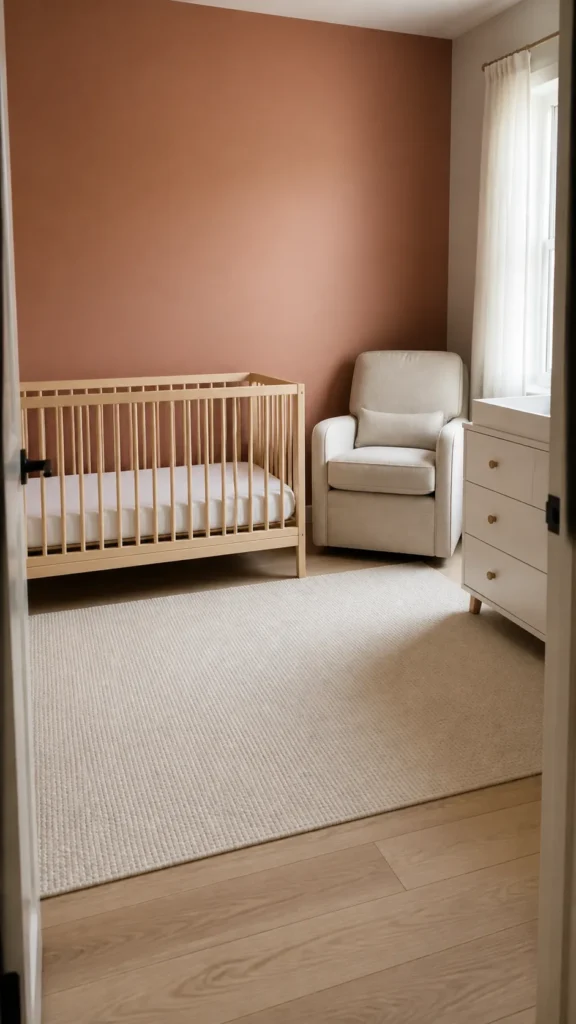
Start with chalk white on most walls and reserve a soft clay shade for the wall you see from the doorway. The white gives your eye a reliable reference, making an unexpectedly orange paint sample easier to spot. Choose oak furniture with a pale finish instead of matching the wall to orange wood. Test the clay beside the actual crib finish before painting a full wall.
Olive Green and Terracotta
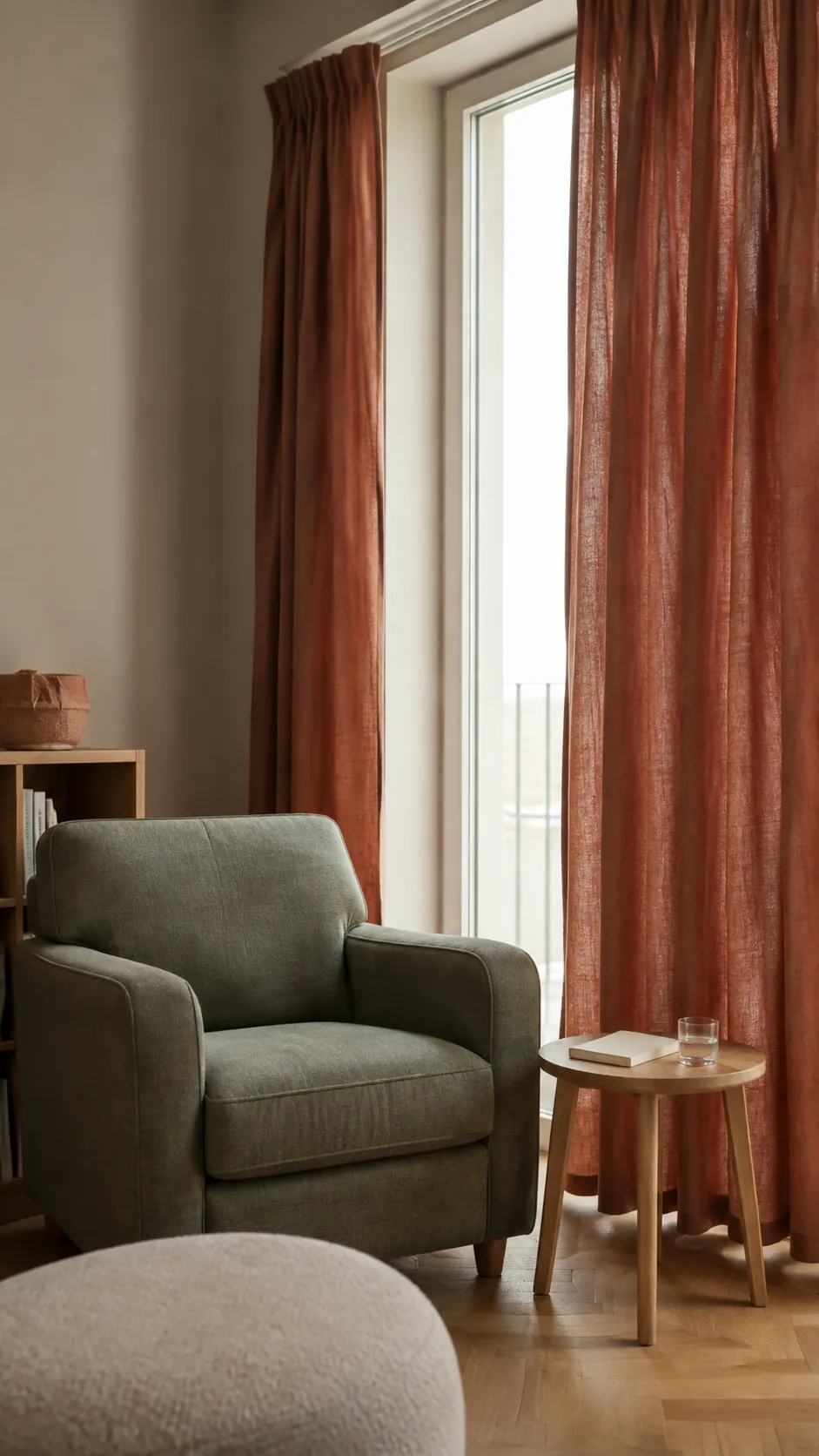
Olive gives a terracotta nursery a grounded contrast without taking the room into bright complementary colors. Put the green on a reading chair and let the clay appear in the curtains, with oatmeal walls between them. A gray undertone in the olive usually makes this combination easier to live with than a sharp yellow green. Repeat each accent only once in a smaller object so the room feels connected without becoming a matching set.
Dusty Blue and Burnt Clay
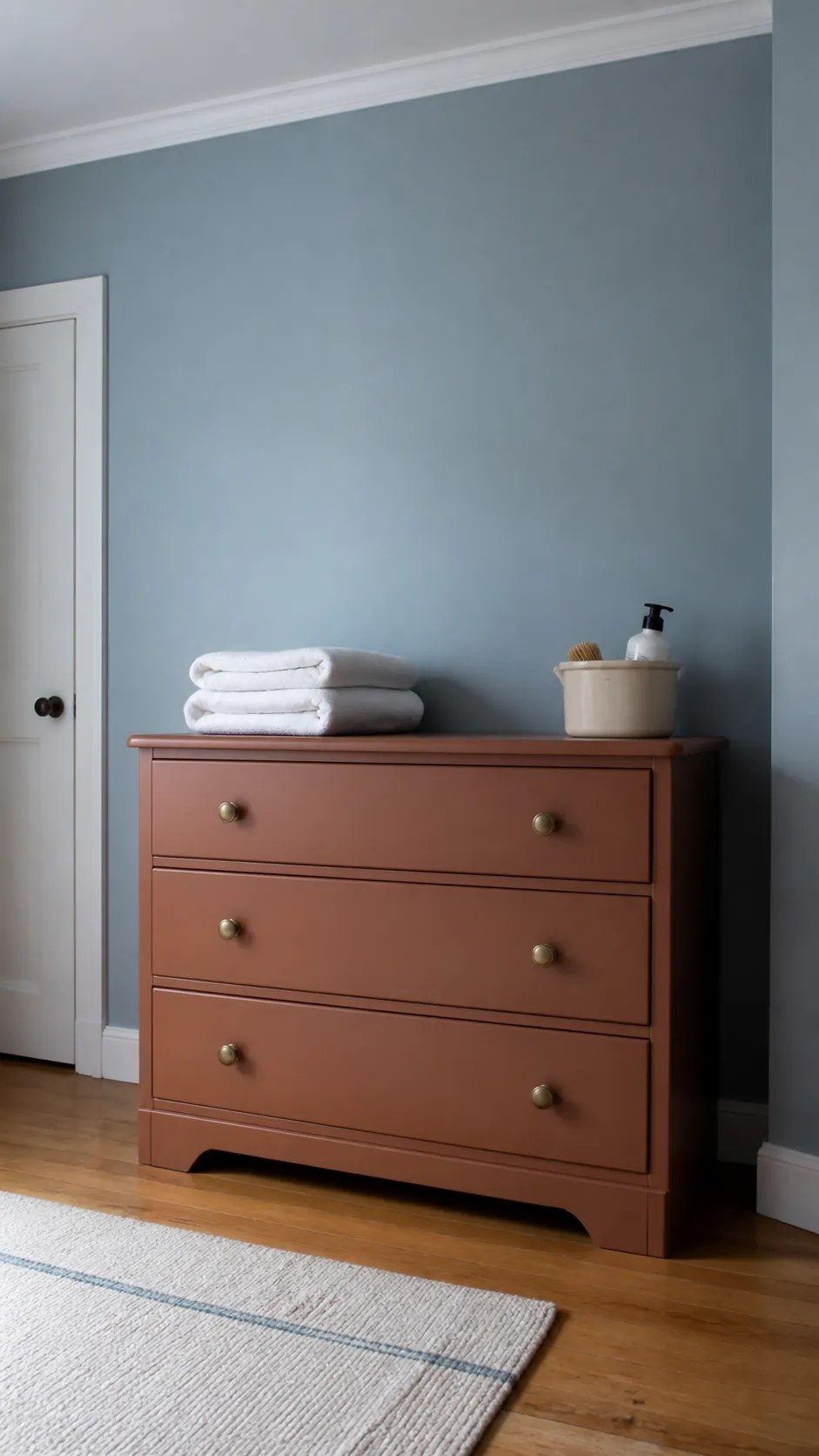
A muted blue brings visual relief when the existing floor already adds plenty of warmth. Try blue walls around a rust colored dresser rather than dividing every surface equally between the two colors. Keep the ceiling a quiet white so the combination has somewhere to pause. Compare your samples in evening lamplight, when the blue can look grayer and the clay can appear stronger. This is a useful route for an earth tone nursery that needs a cooler counterpoint.
Blush and Cocoa
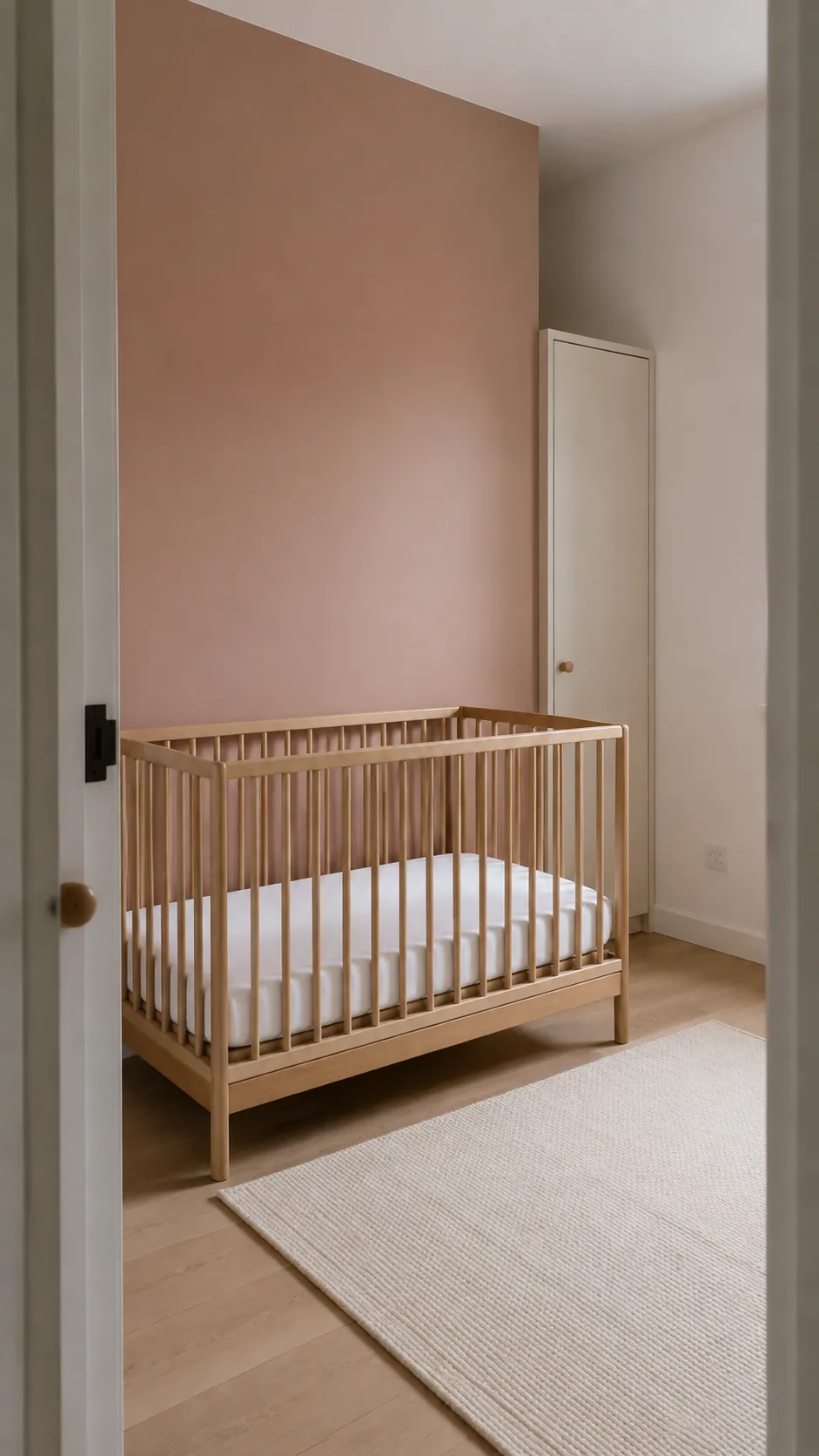
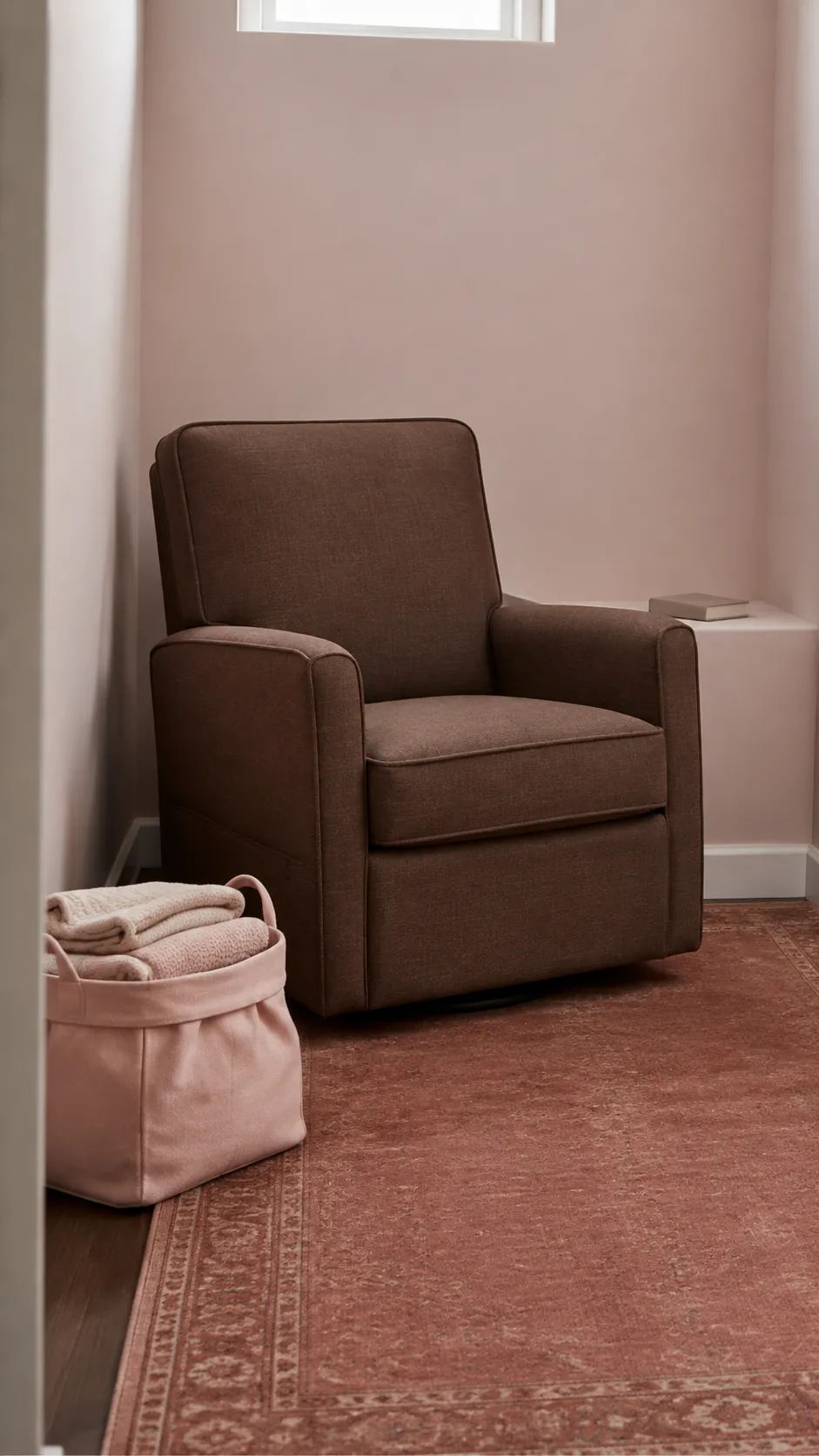
Pink leaning terracotta becomes more subtle when you pair it with cocoa instead of bright white. Use the blush over a broad wall area and keep the darkest brown in a chair or compact storage piece. A dusty rust rug can connect the two without requiring another paint color. Choose fabrics with visibly different values so the pale pink and clay do not blur into one flat wash.
Sand and Deep Rust
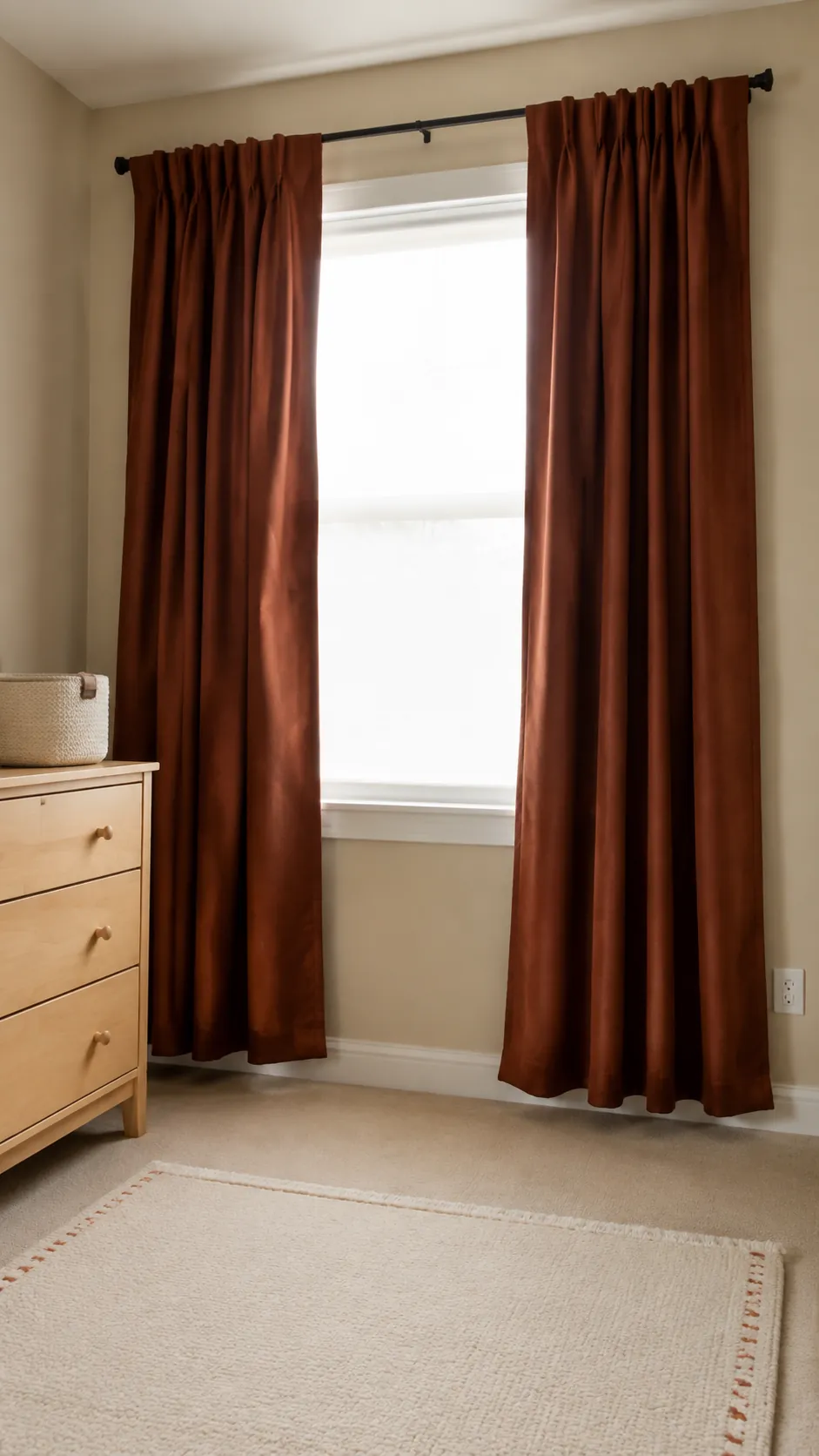
Renters can build rust nursery decor around a room that already has beige walls. A substantial rust curtain or upholstered chair makes a more convincing color statement than a scattering of tiny orange accessories. Check that your sand neutral is not strongly yellow before adding cream textiles. Leave the larger furniture simple, then use a washable rug to bring the room together.
Sage and Apricot Clay
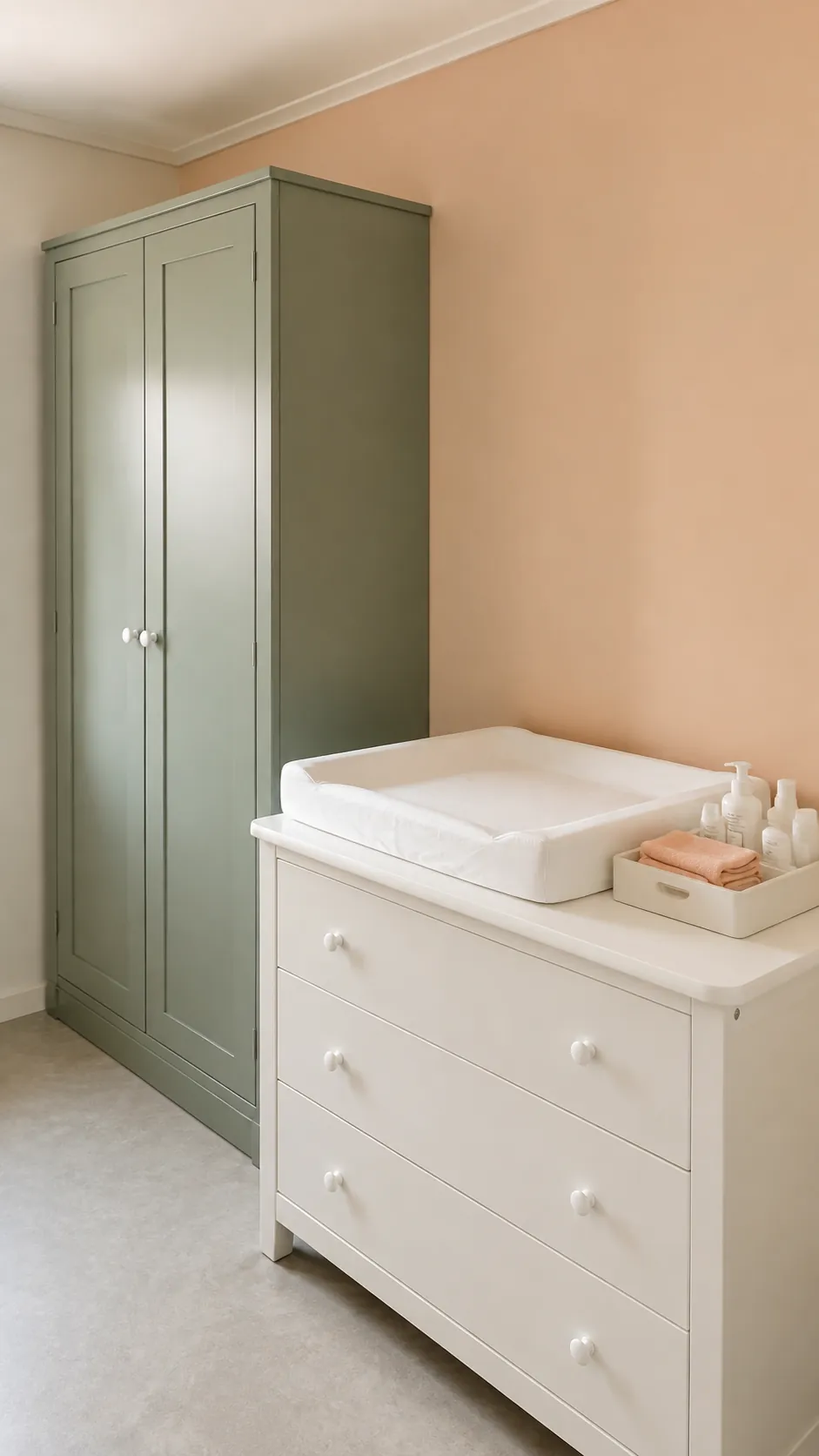
Sage and a pale apricot version of clay suit a room where deep rust feels too heavy. Give sage the larger share on a wardrobe and use apricot on a nearby wall, keeping the rest light. Avoid adding several different greens because their undertones can compete in a small room. A white changing surface makes the gentle color difference easier to see.
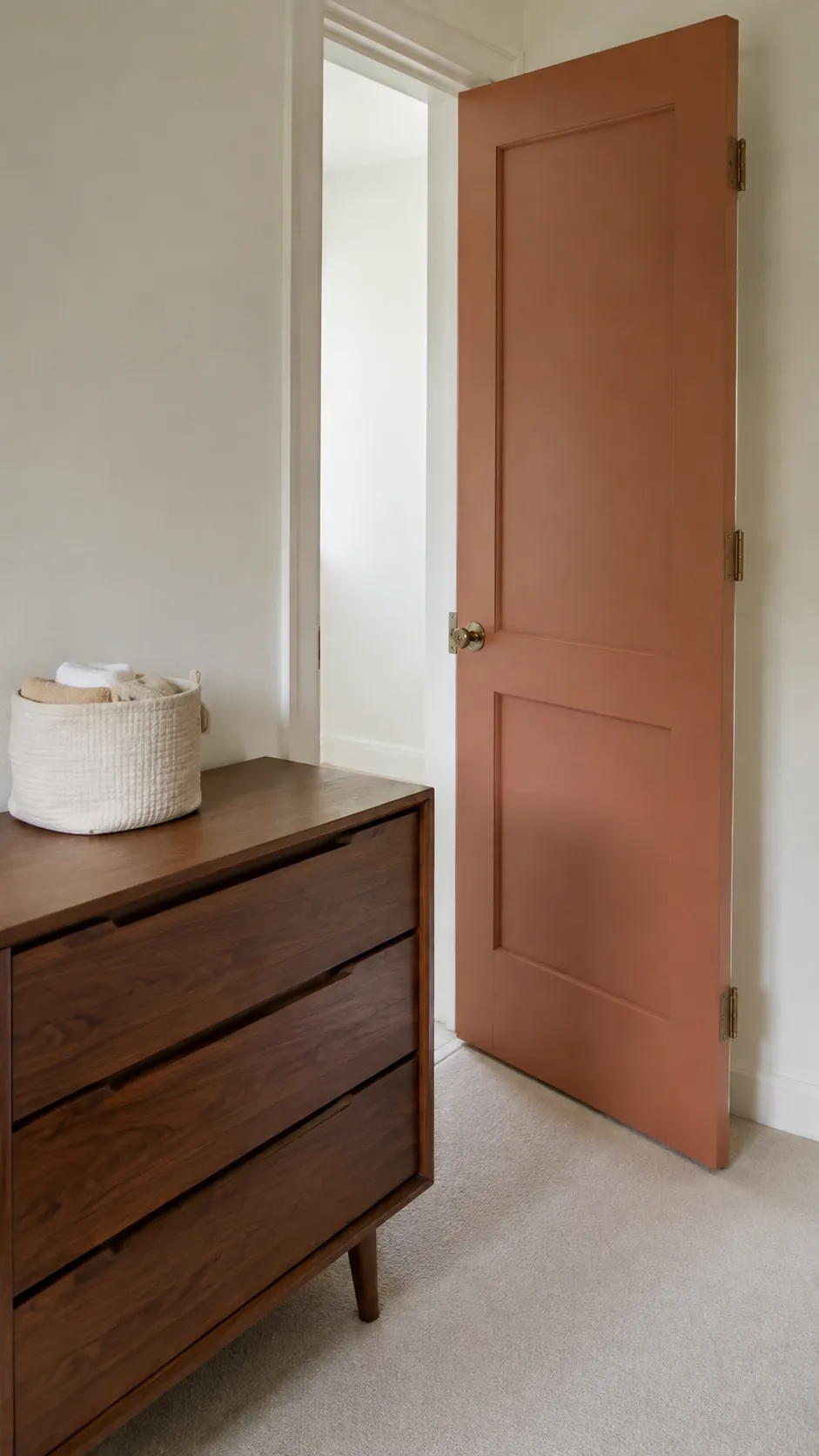
Cream and Walnut
Dark walnut brings definition to a creamy nursery without the sharper outline of black. Add terracotta through a painted door or a single fabric shade so the wood remains the anchor. Cream samples deserve special attention beside the floor because some will turn noticeably buttery. Select the cream under the bulbs you plan to use, not only in a sunny photograph. This combination works particularly well when you already own a walnut dresser.
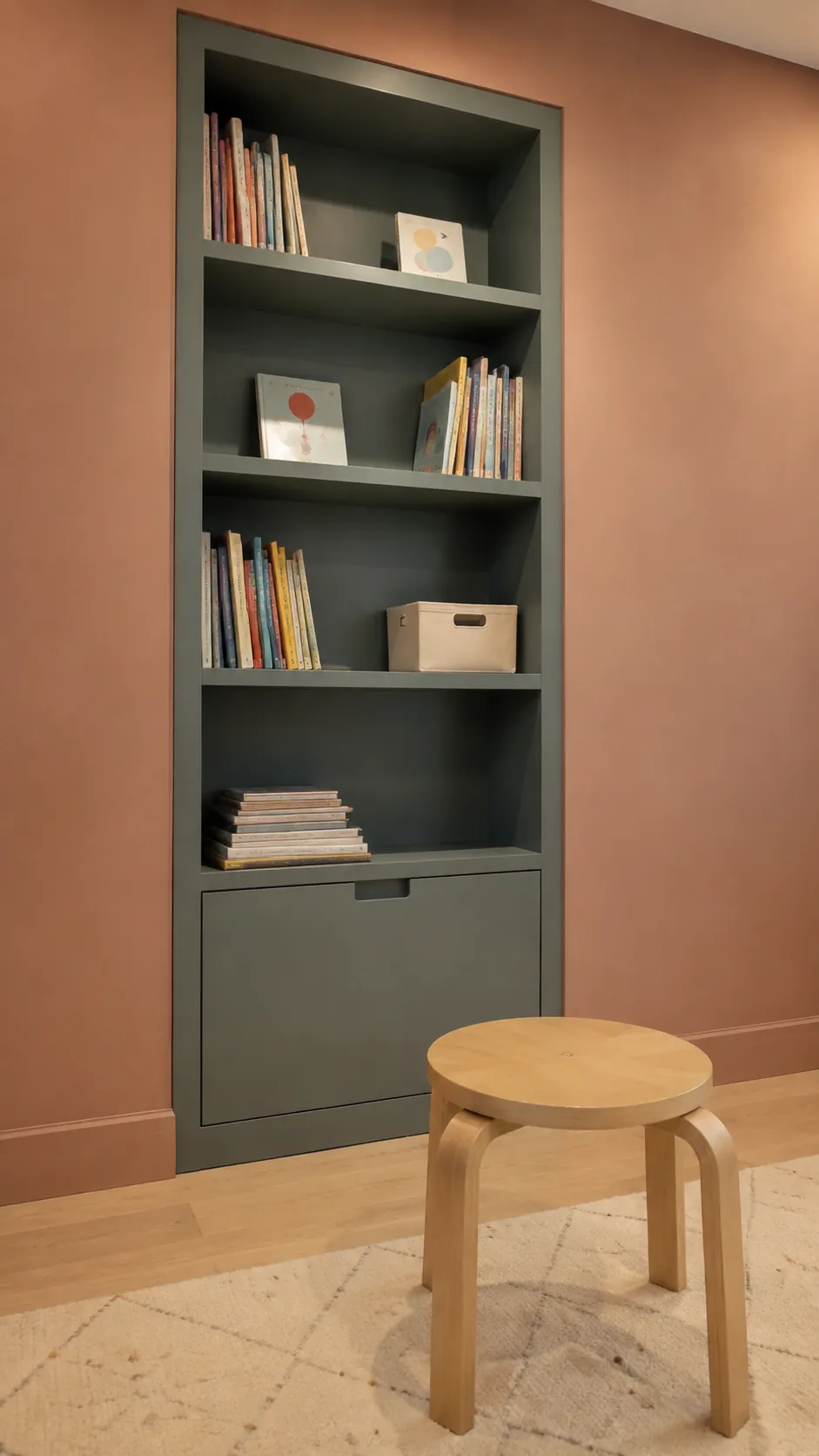
Muted Teal and Peach Terracotta
A small amount of teal can give peach terracotta a clear identity without a literal nursery theme. Keep teal in one built in bookcase and let a softer peach wall surround it. Books already introduce varied color, so nearby fabrics can stay plain. If the shelf looks too strong once filled, reduce its contrast with a teal shade that contains more gray.
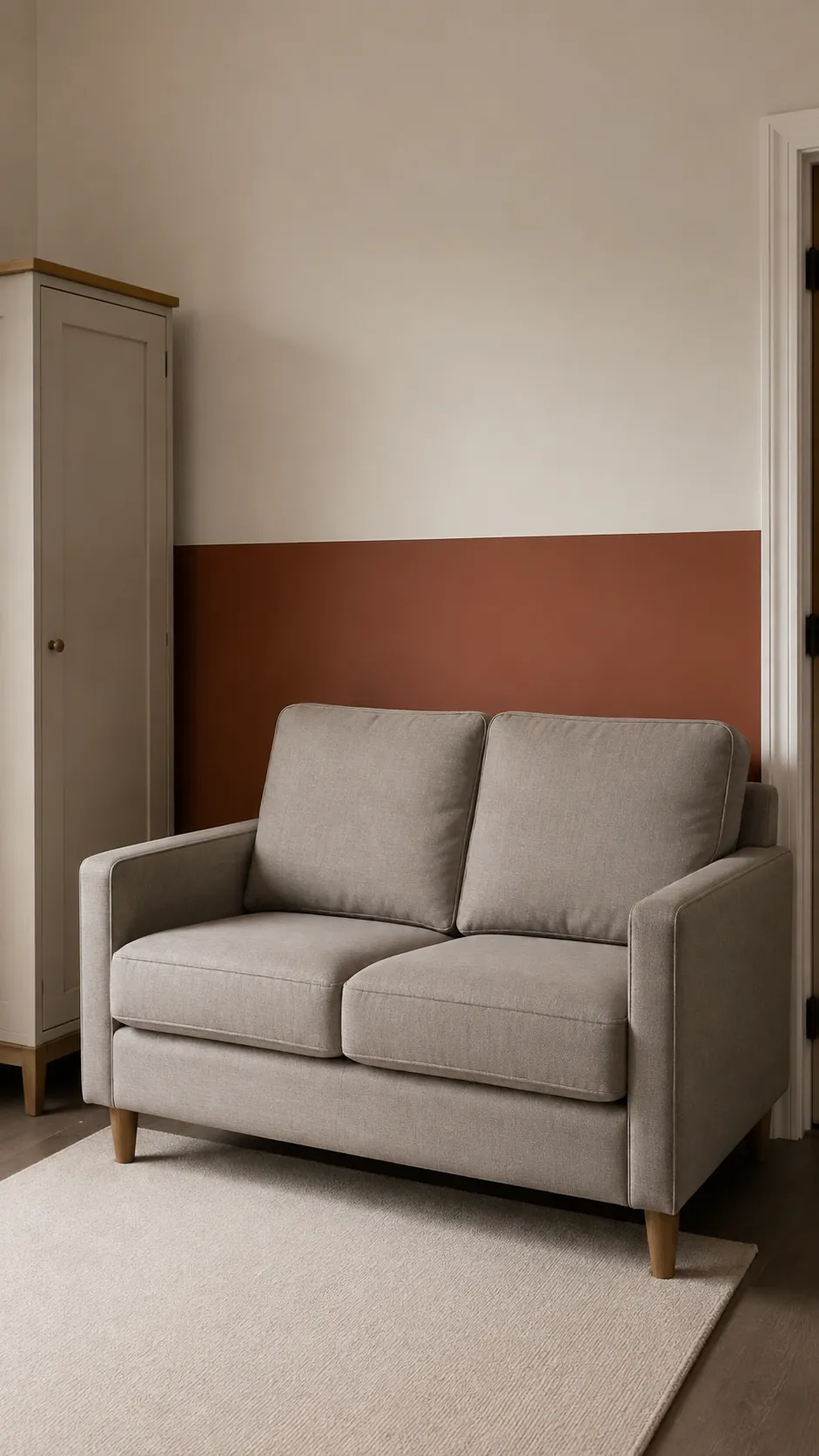
Stone Gray and Brick
A warm stone gray is a practical partner for brick toned terracotta when you want less sweetness. Use the gray on a large upholstered seat and let the brick appear on the lower part of the wall. Compare the gray with your white trim because a blue gray will produce a much cooler result. A clean paint boundary creates enough interest without adding another pattern.
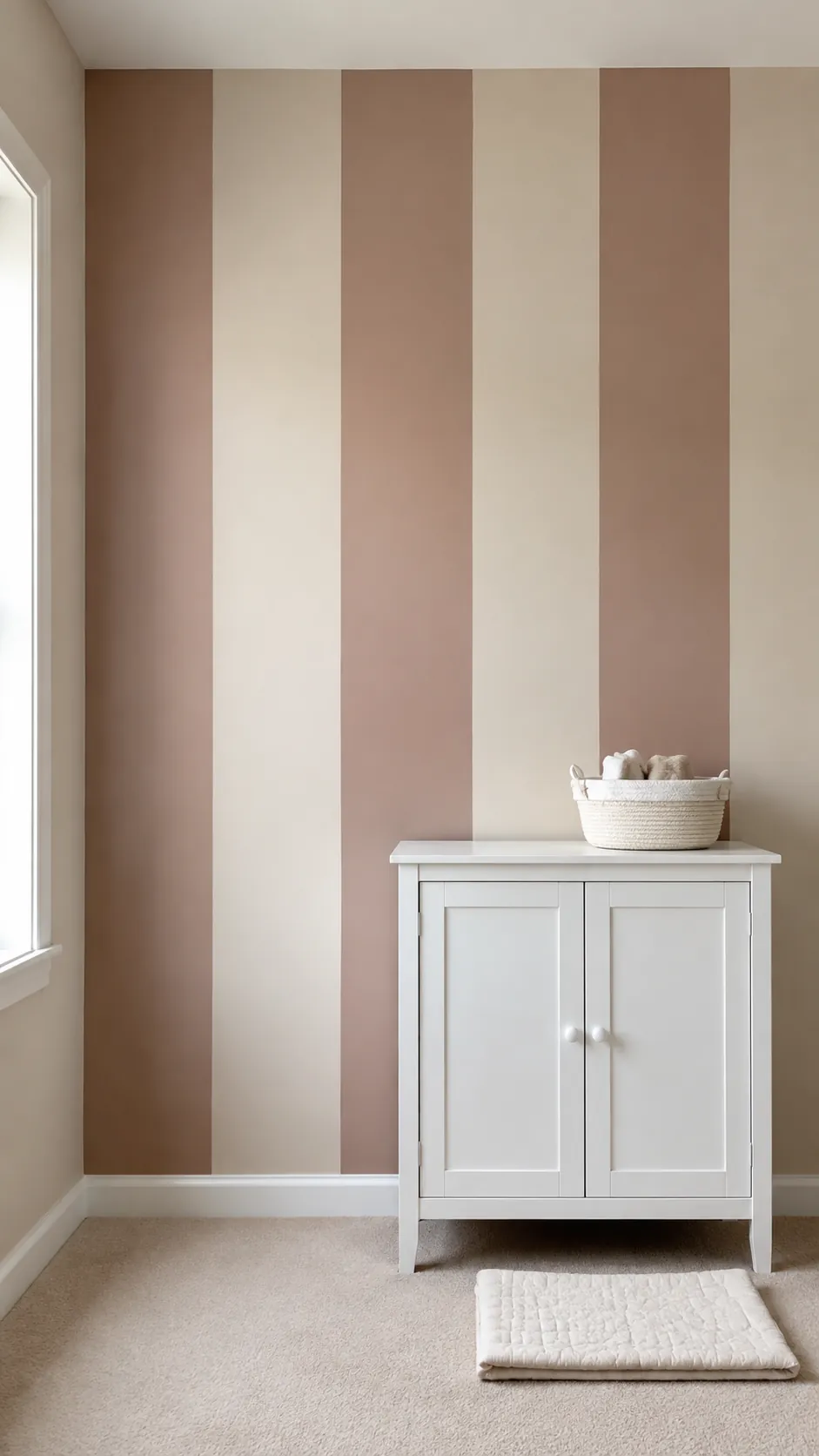
Oatmeal and Clay Stripes
Stripes offer a way to introduce warm nursery colors while keeping plenty of light neutral space. Choose broad oatmeal and muted clay bands for a wall away from the crib, with the remaining walls plain. Painting a test panel helps you judge the rhythm from the doorway rather than only at arm’s length. Keep curtains solid so the stripes remain the main pattern. For a rental, confirm removable products are suitable for the existing paint before committing.
Lavender Gray and Rose Clay
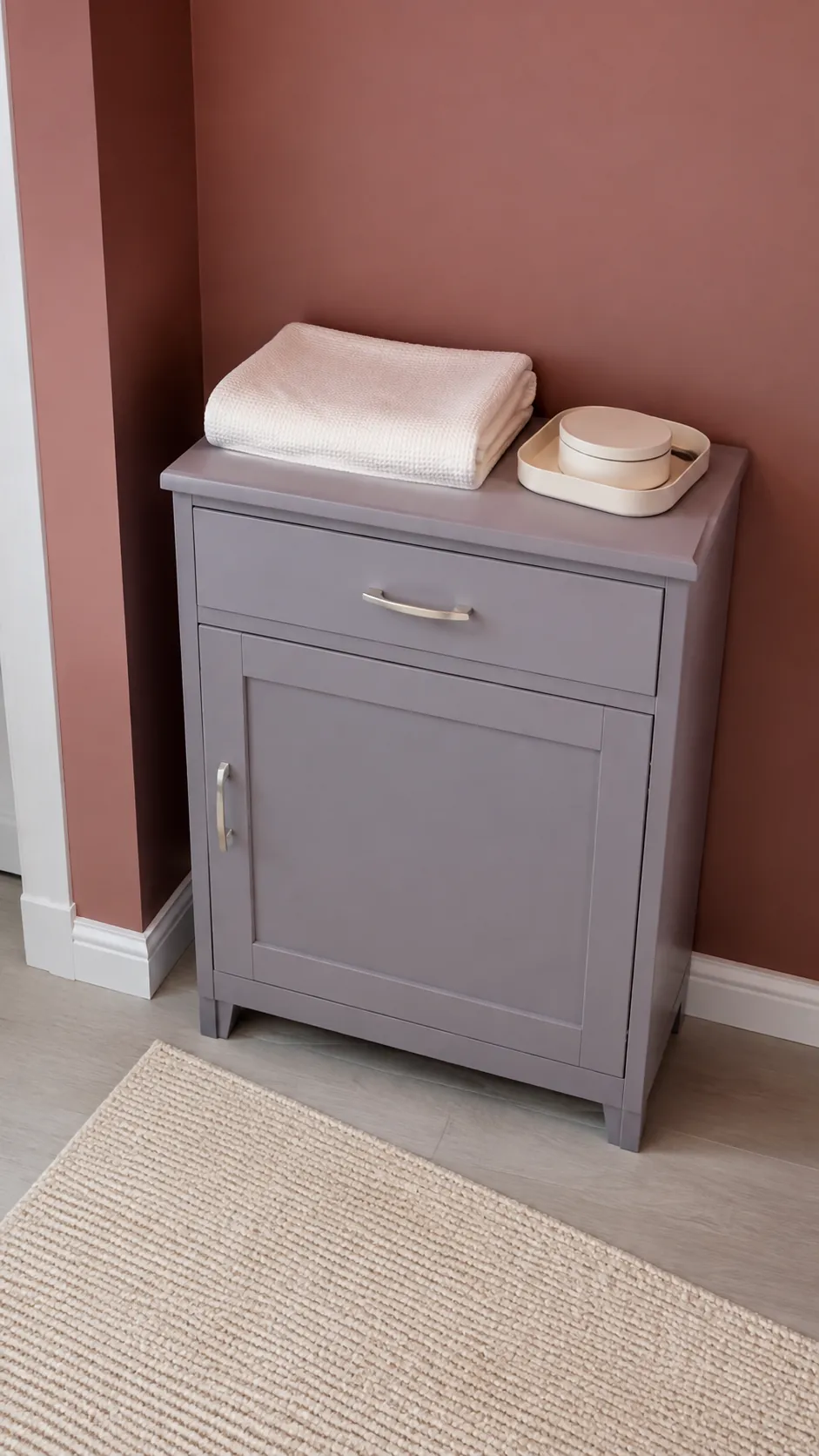
Lavender gray makes rose clay feel unexpected without turning the room into a bright purple scheme. Try it on a small cabinet beside a rosy wall, then connect the surfaces with a pale stone floor covering. The lavender should look quieter than the clay when you step back. Limit additional pink accessories because the contrast is more interesting when each color has a clear place.
Charcoal and Pale Terracotta
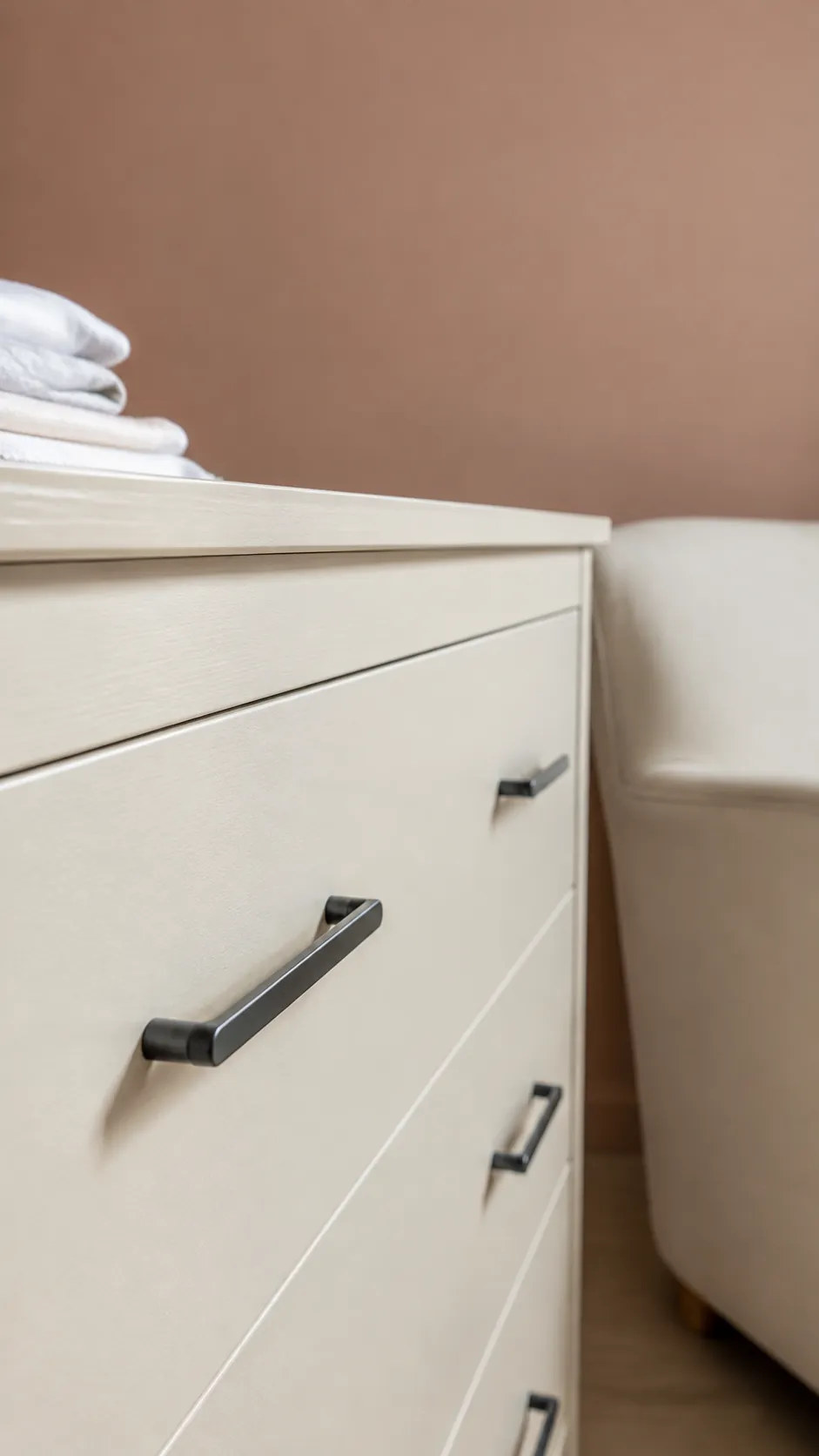
Charcoal can sharpen pale terracotta while still leaving the nursery light. Use the darkest color in narrow details such as dresser handles rather than across an entire wall. A pale clay wall and simple cream upholstery keep the contrast from feeling severe. This approach is helpful when existing furniture already has dark hardware that you do not want to replace.
Ochre and Cinnamon Clay
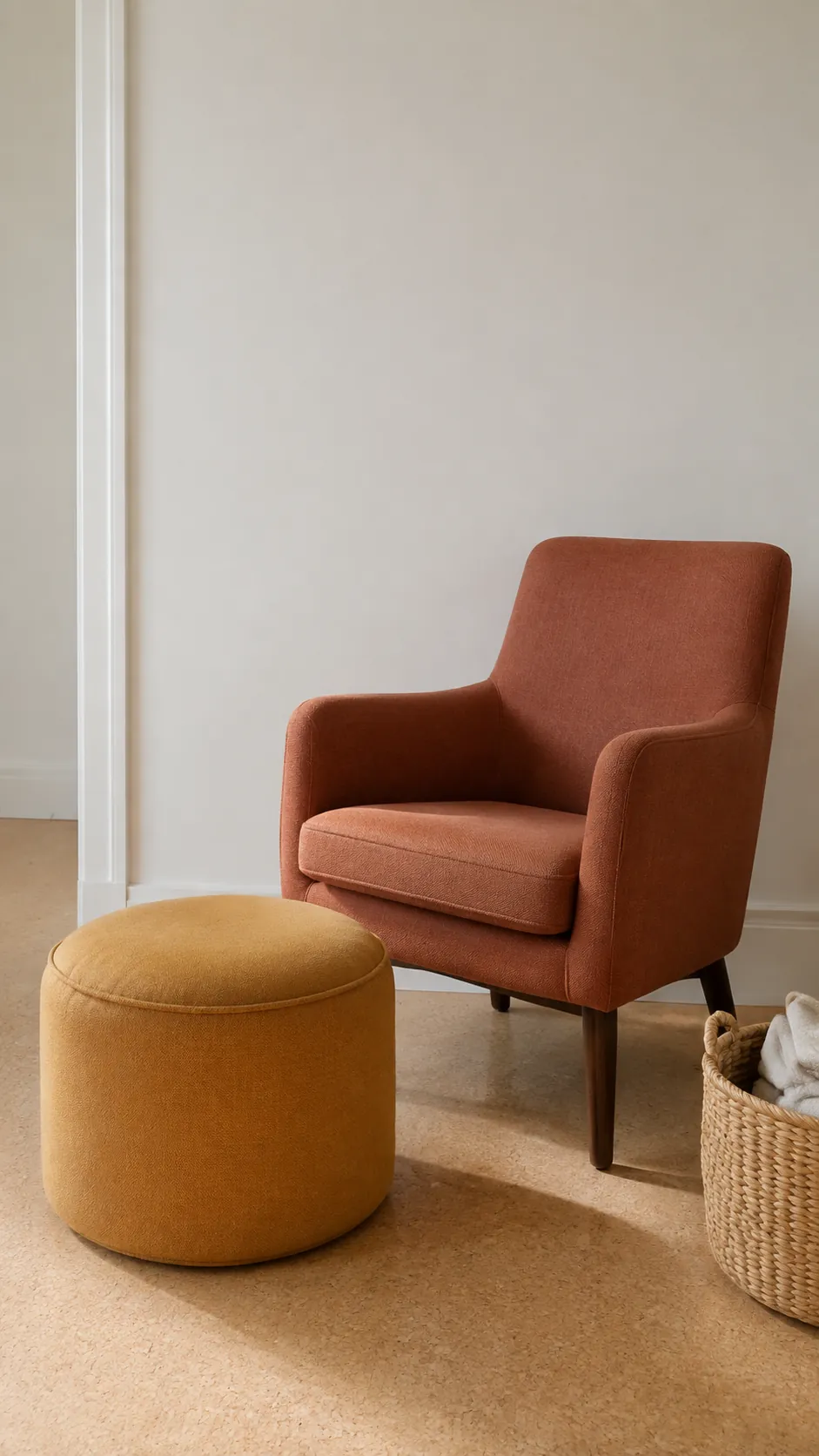
Ochre and cinnamon can make a boho baby room feel rich, but both need restraint. Start with off white walls and choose a small ochre ottoman near a cinnamon chair, rather than coating the room in warm pigment. Natural woven texture adds variety without introducing another strong hue. Check the palette at midday because direct sun can exaggerate the yellow component. Keep the sleep area visually simple even if the adult seating corner has more texture.
Pale Aqua and Red Clay
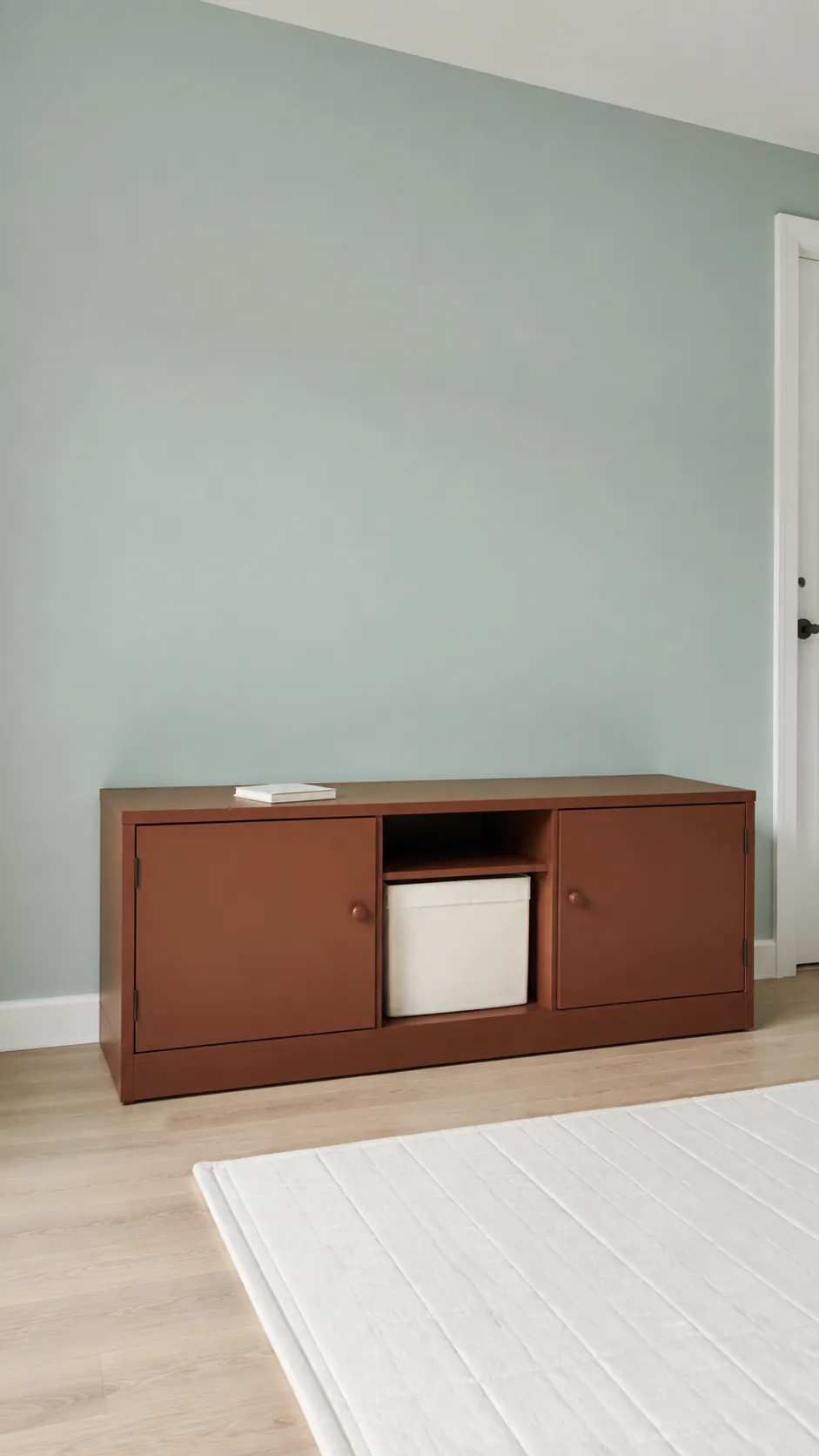
Pale aqua offers a fresh alternative to sage when red clay feels dense. Place the aqua on a wide wall and introduce clay through a low storage unit at the opposite side of the room. White cotton and pale ash wood keep the combination clear. Avoid a nautical motif unless you want one, since this palette can stand on its own through color and material.
Mushroom and Terracotta Linen
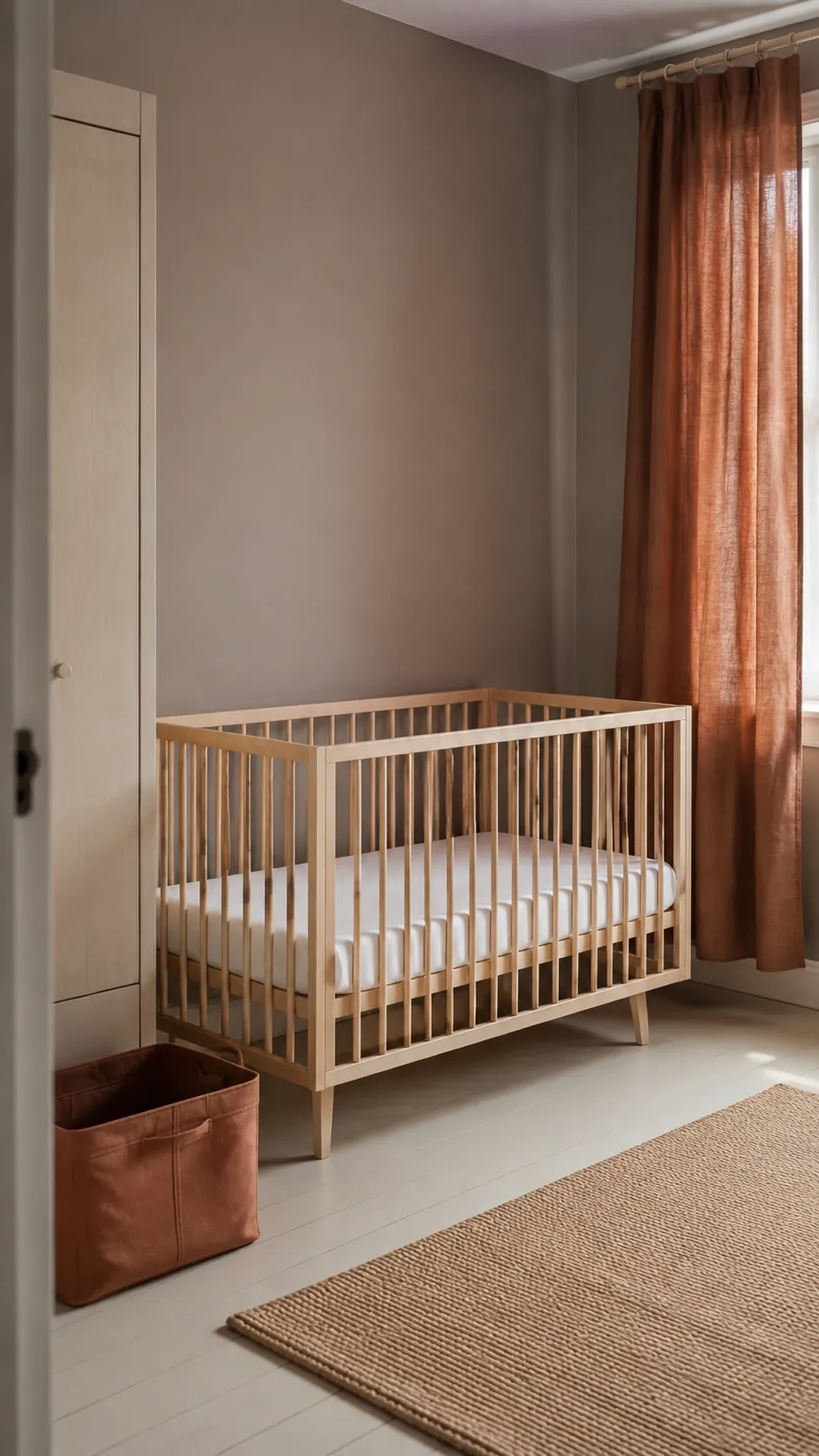
Mushroom walls let terracotta linen carry the warmth in a room you may want to adapt later. Choose a curtain with enough color to read as clay even in shade, then repeat it in one fabric storage basket. A simple light wood crib and a plain fitted sheet keep attention on the room rather than decorative bedding. For an infant sleep space, leave the crib free of pillows, loose blankets and toys. Before buying the full set of textiles, place one fabric sample against the wall in morning and evening light.