19 Empty Wall Ideas Without Pictures for More Texture
A wall can feel unfinished even when another framed print would only repeat what is already in the room. The better move may be texture, function, light, or architecture, especially near a walkway where projecting furniture becomes a hazard. Measure the open area and its traffic path first, then choose one treatment with enough scale to make the wall feel resolved.
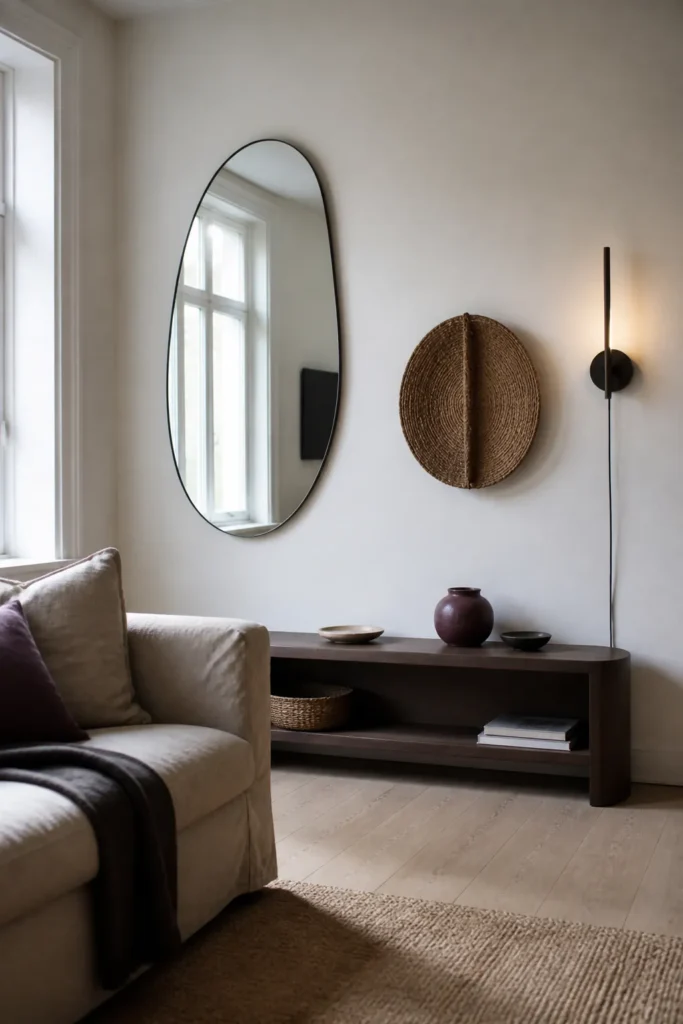
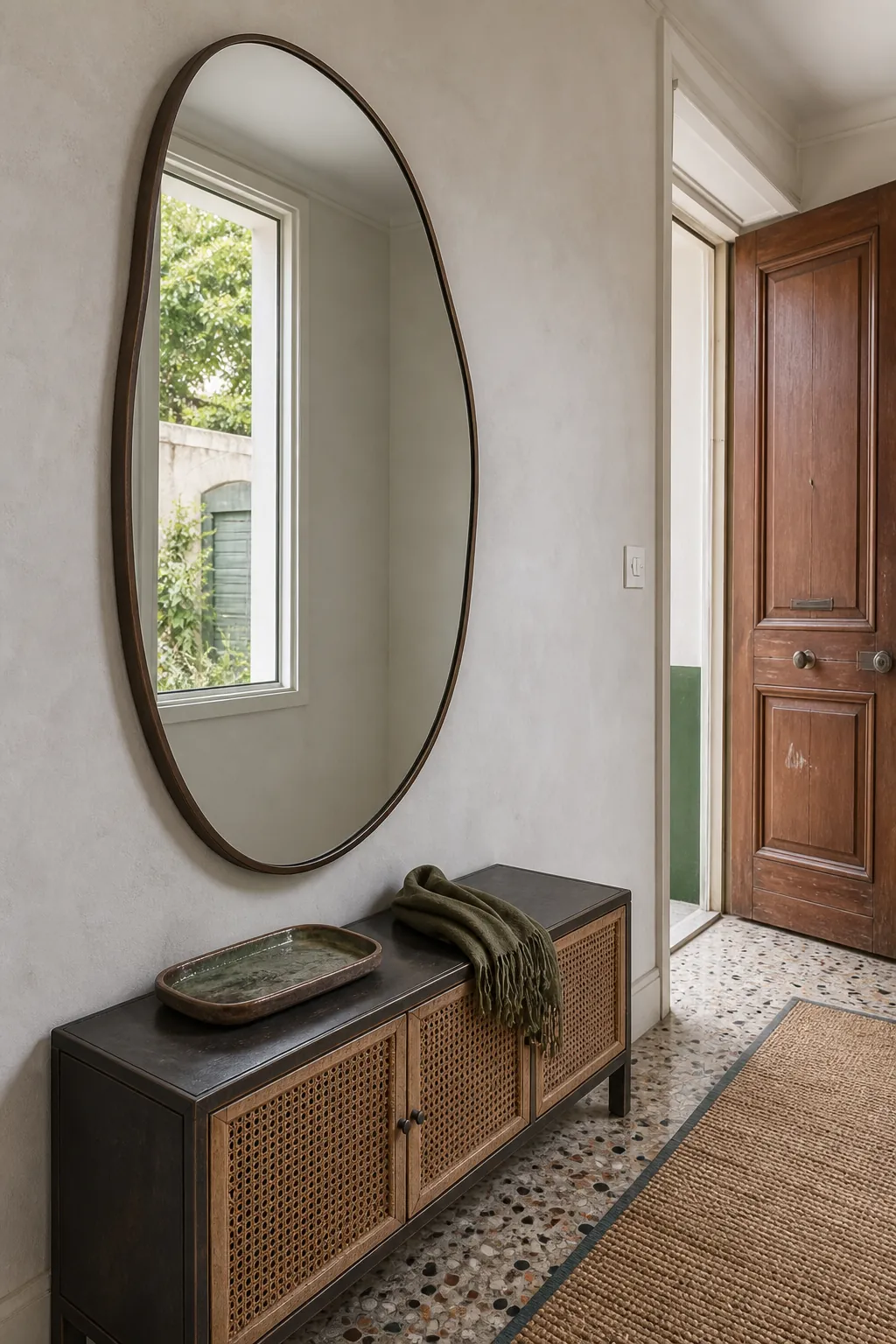
Lean Into One Oversized Mirror
A large mirror offers presence without introducing another picture. Position it to reflect daylight or an appealing interior view rather than clutter or a blank ceiling. Secure a leaning mirror properly, or hang it with hardware rated for its full weight.
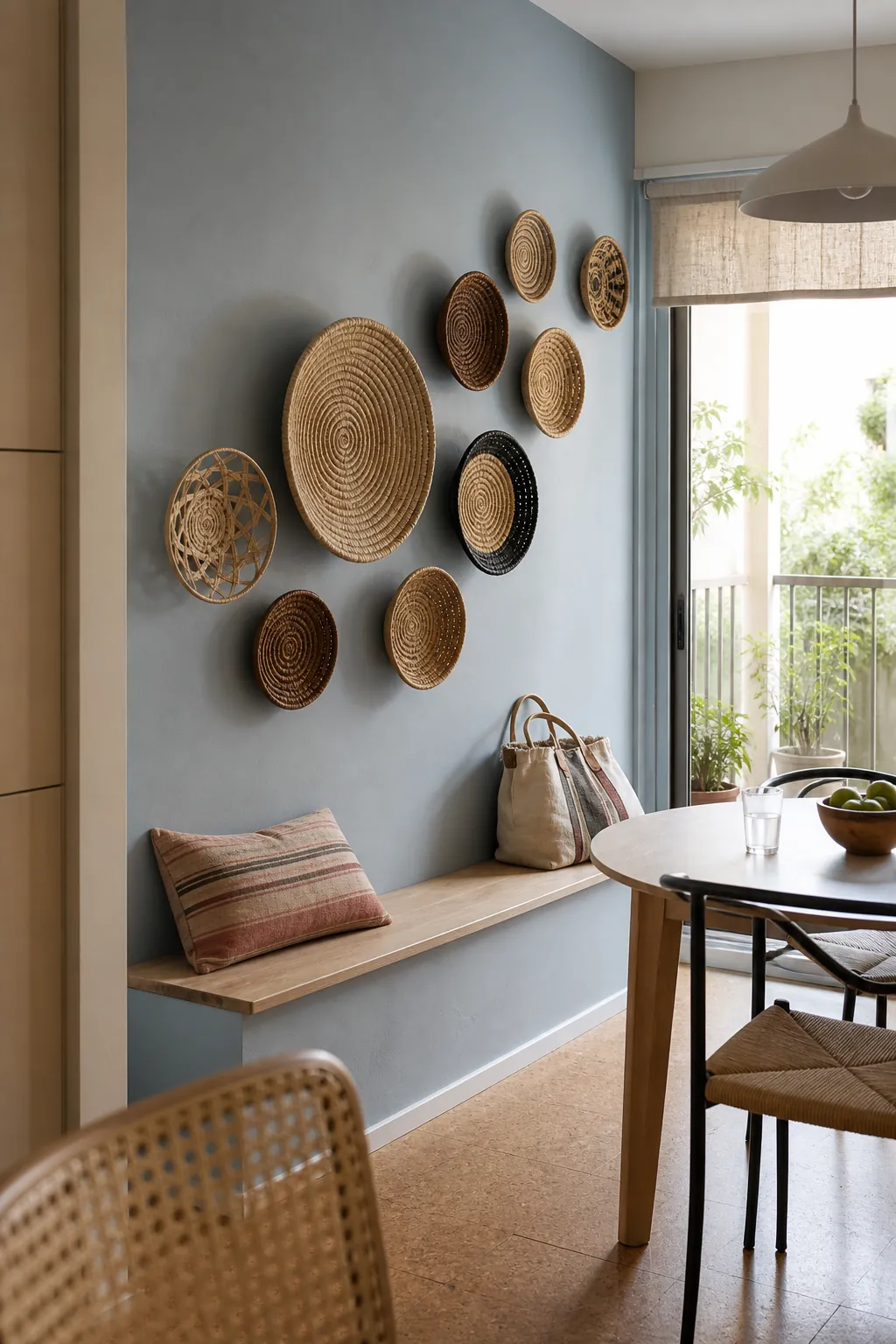
Cluster Shallow Woven Baskets
Shallow baskets bring relief, fiber, and handmade irregularity to a flat surface. Connect different shapes through one repeated material or color, then vary the diameters enough to create rhythm. Keep the arrangement outside shoulder range in a narrow passage.
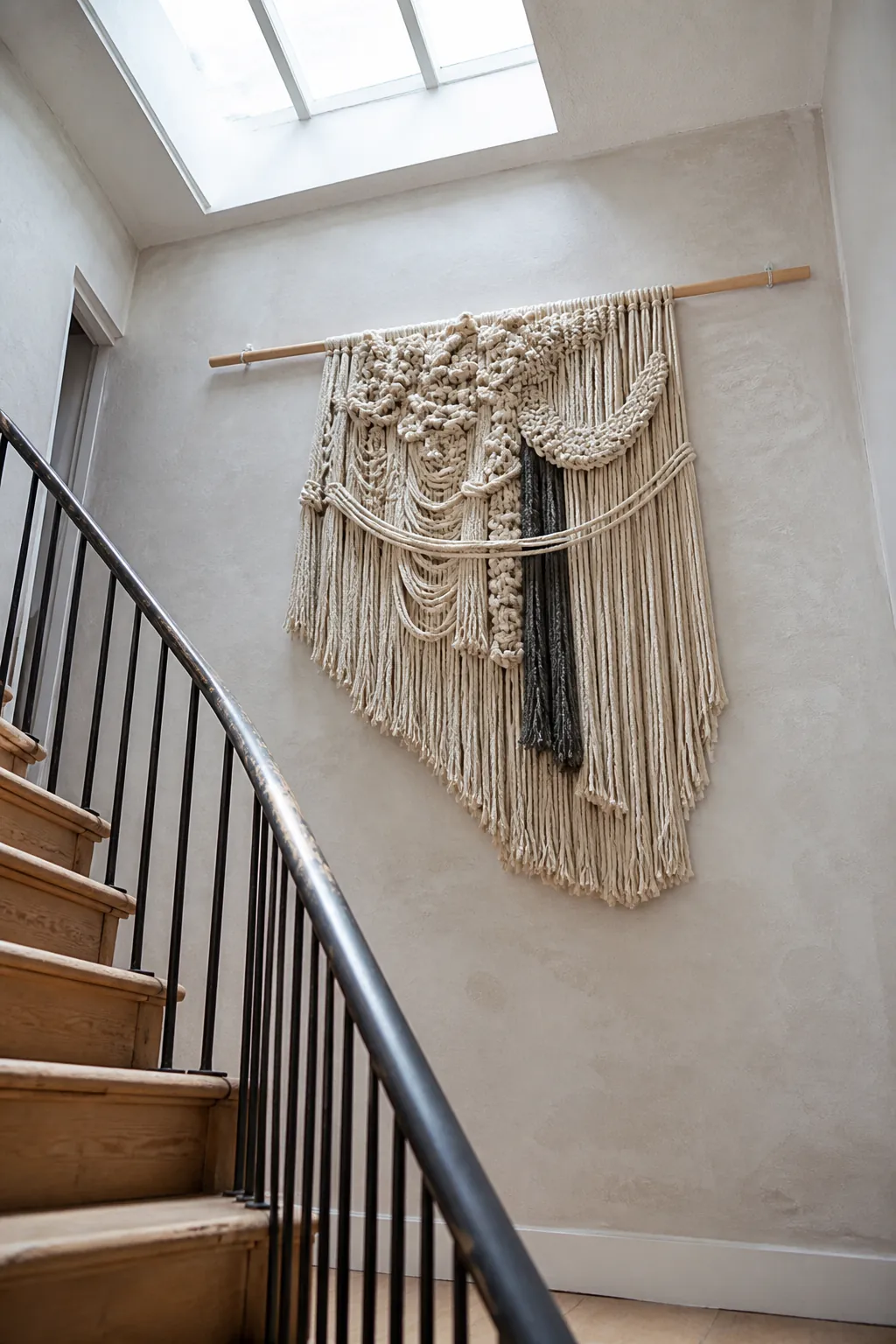
Hang a Sculptural Fiber Piece
A woven or knotted fiber hanging softens rooms with many hard surfaces. Choose a piece broad enough to relate to the furniture below, since a narrow hanging can look stranded on a wide wall. Vacuum it gently and keep long fringe away from heaters, candles, and curious pets.
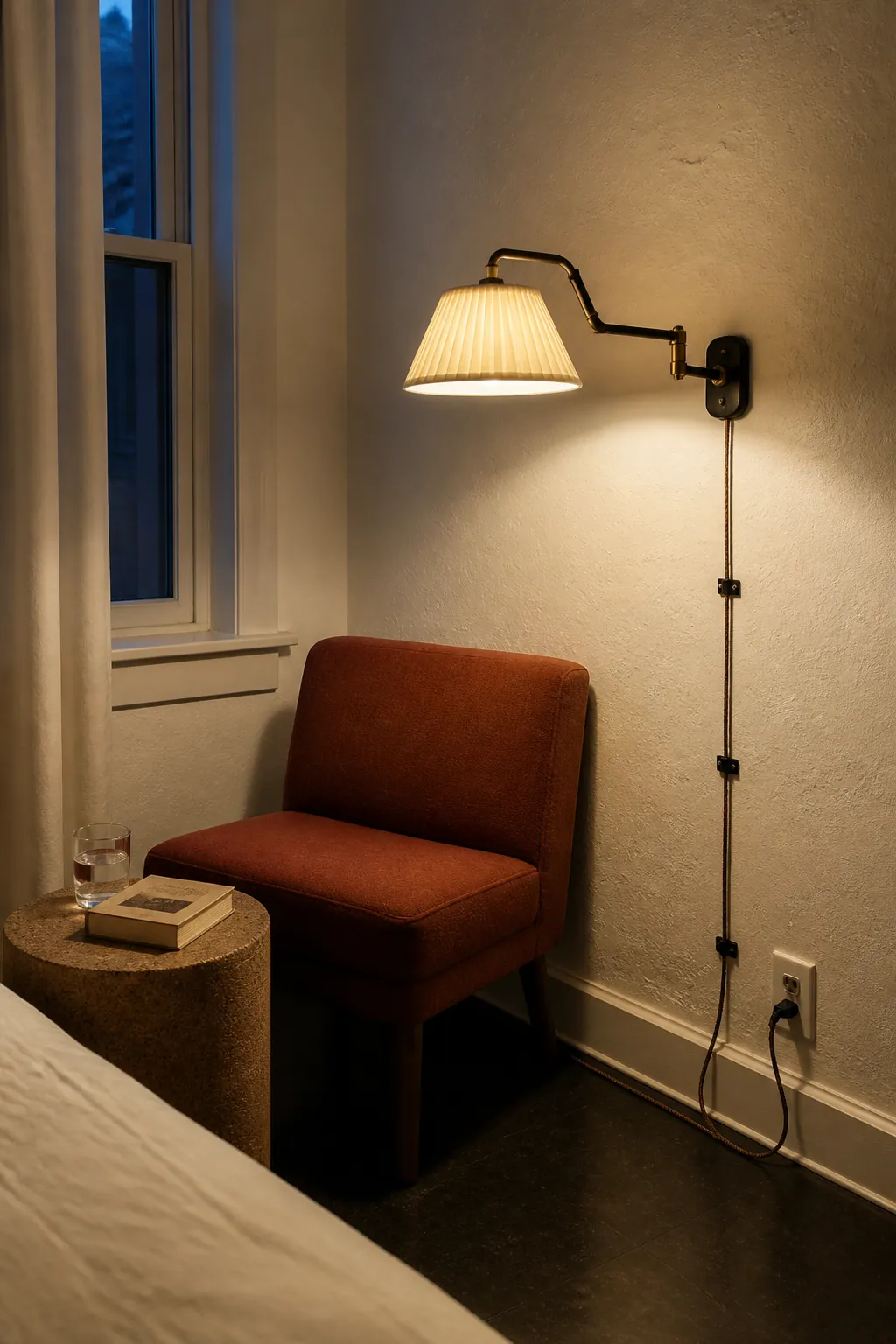
Add Plug In Wall Sconces
Wall lights create depth after sunset and solve a practical lighting gap. Plug in versions avoid electrical work, but the cord route should look deliberate and remain clear of doors. A pair can frame furniture, while one adjustable sconce can define a reading corner.
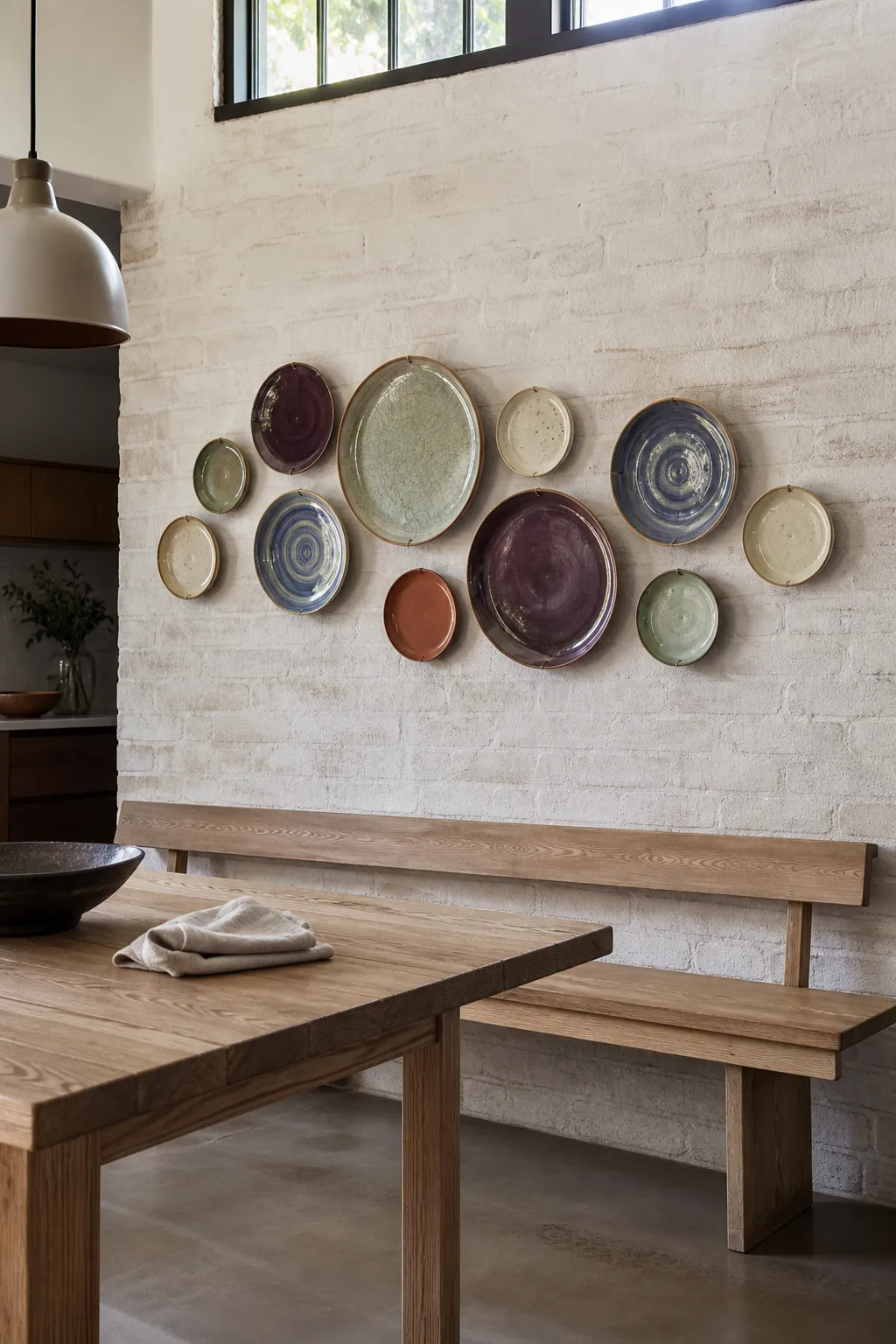
Arrange Handmade Ceramic Plates
Ceramic plates supply color and form while still reading as objects rather than pictures. Use a shared glaze family to make mismatched pieces feel related. Test the layout with paper templates and choose secure hangers before placing anything above seating.
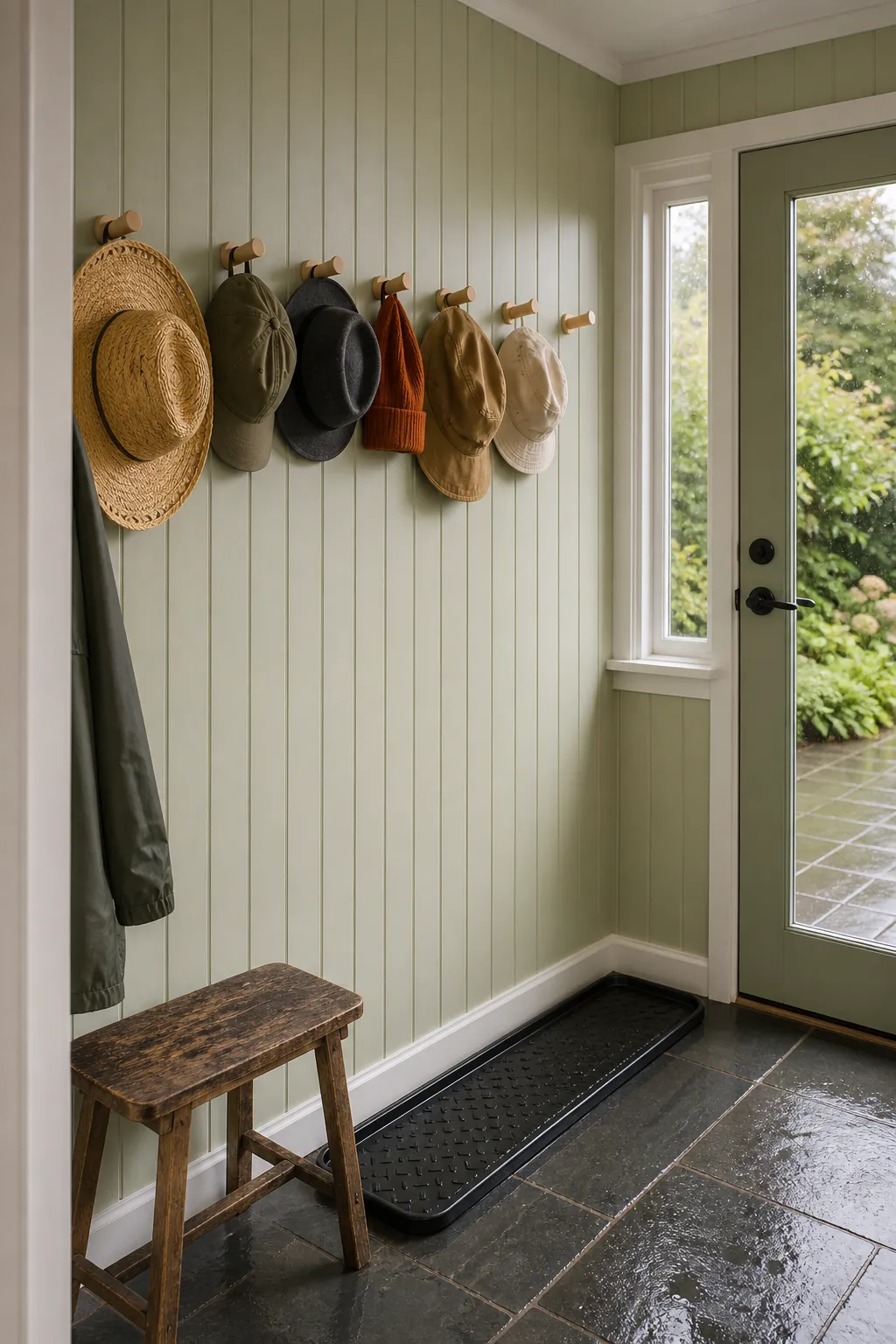
Display a Curated Hat Row
Frequently worn hats can become a useful wall composition instead of occupying shelf space. Repeat hook height or hat material so the line looks ordered when every piece is present. Consider how the wall will look when one or two hats are in use.
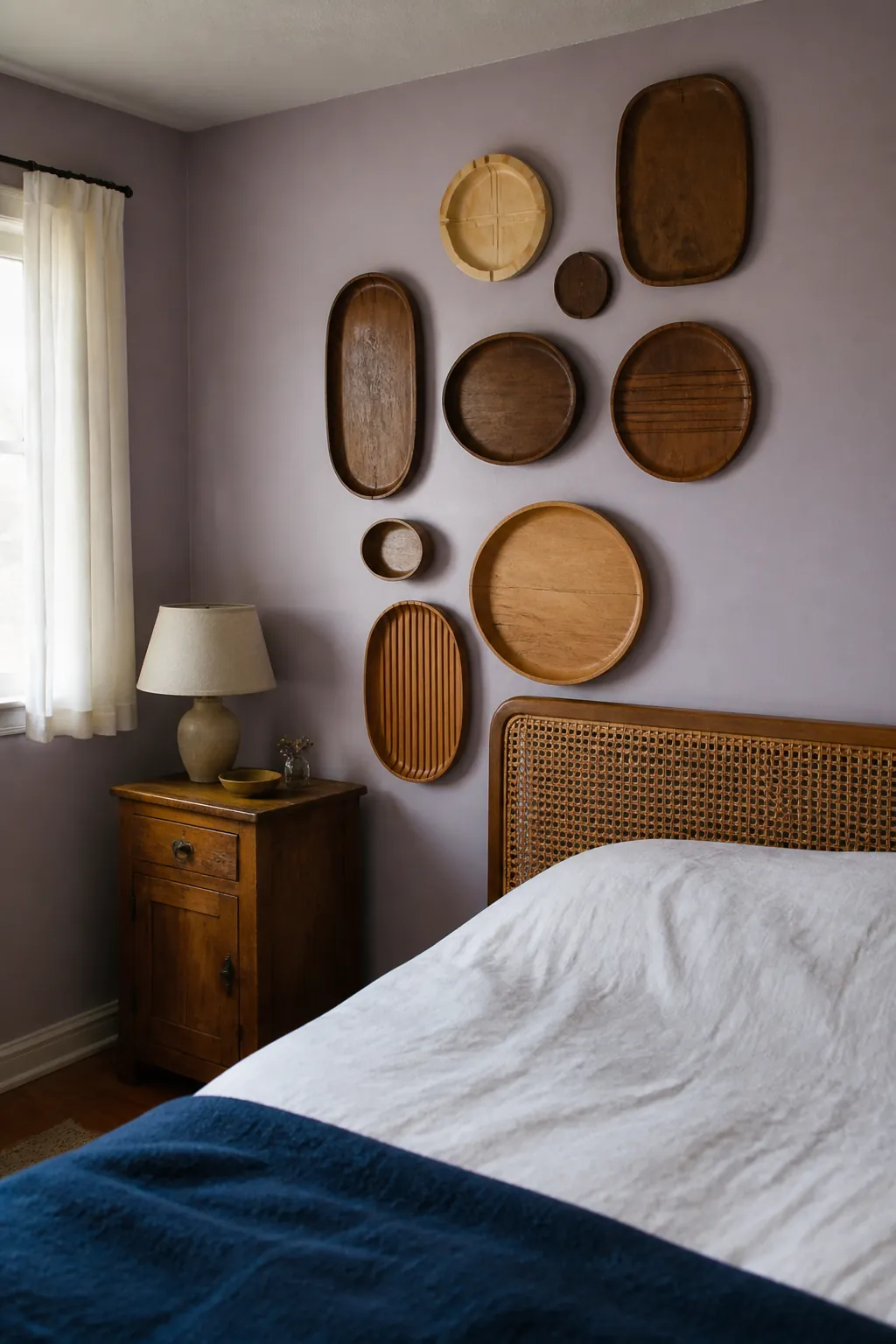
Mount a Collection of Wood Trays
Carved and turned wood trays give a wall warm grain and shallow sculptural depth. Combine round, oval, and softly rectangular forms while limiting the wood tones to a close family. Inspect old pieces for cracks and use mounts that support their weight without splitting the rim.
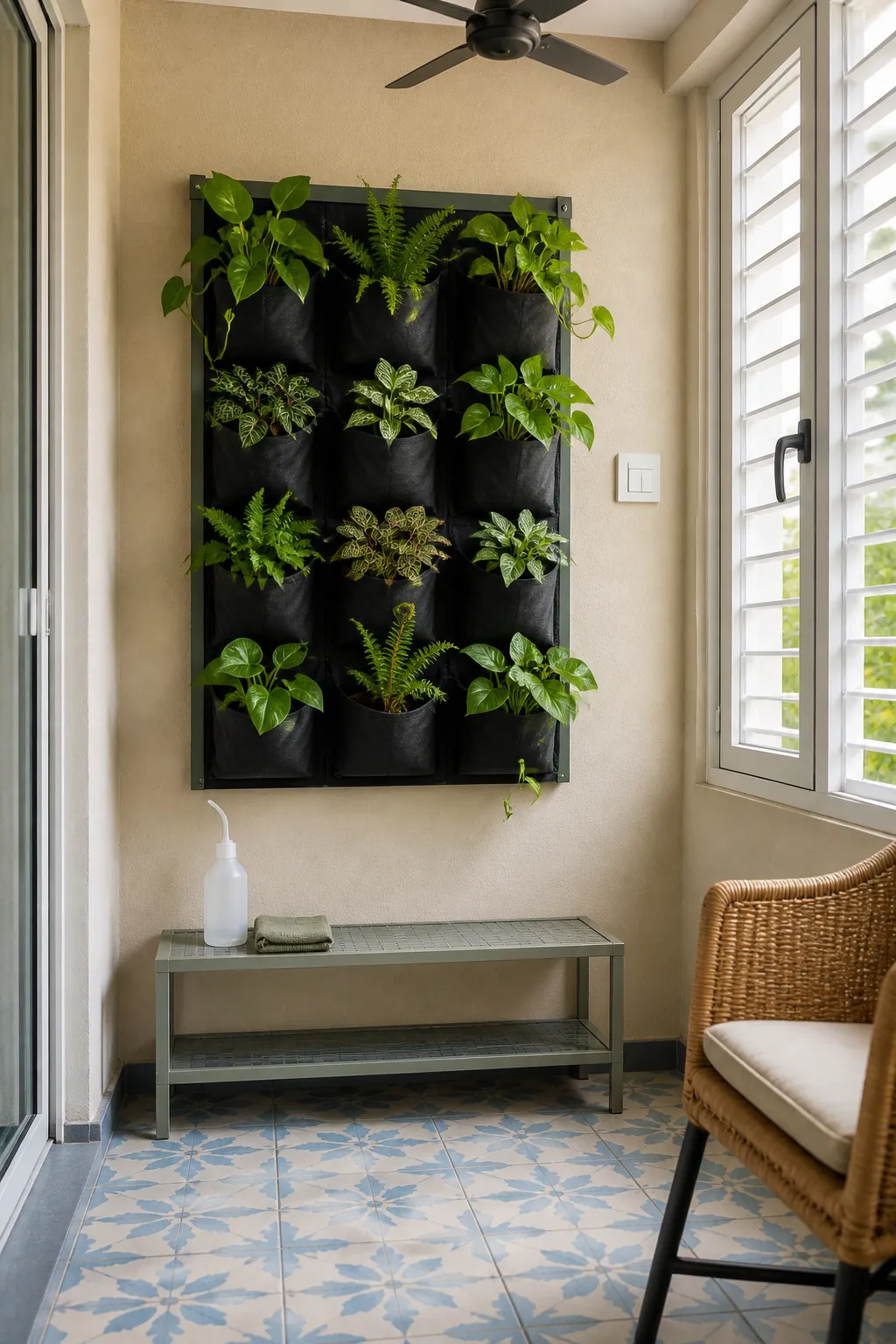
Grow a Vertical Plant Pocket
A vertical planter introduces living shape where the room has adequate natural light. Choose plants with similar watering needs and protect the wall from moisture with a proper backing system. Keep the installation small enough that every pocket can be reached for pruning and inspection.
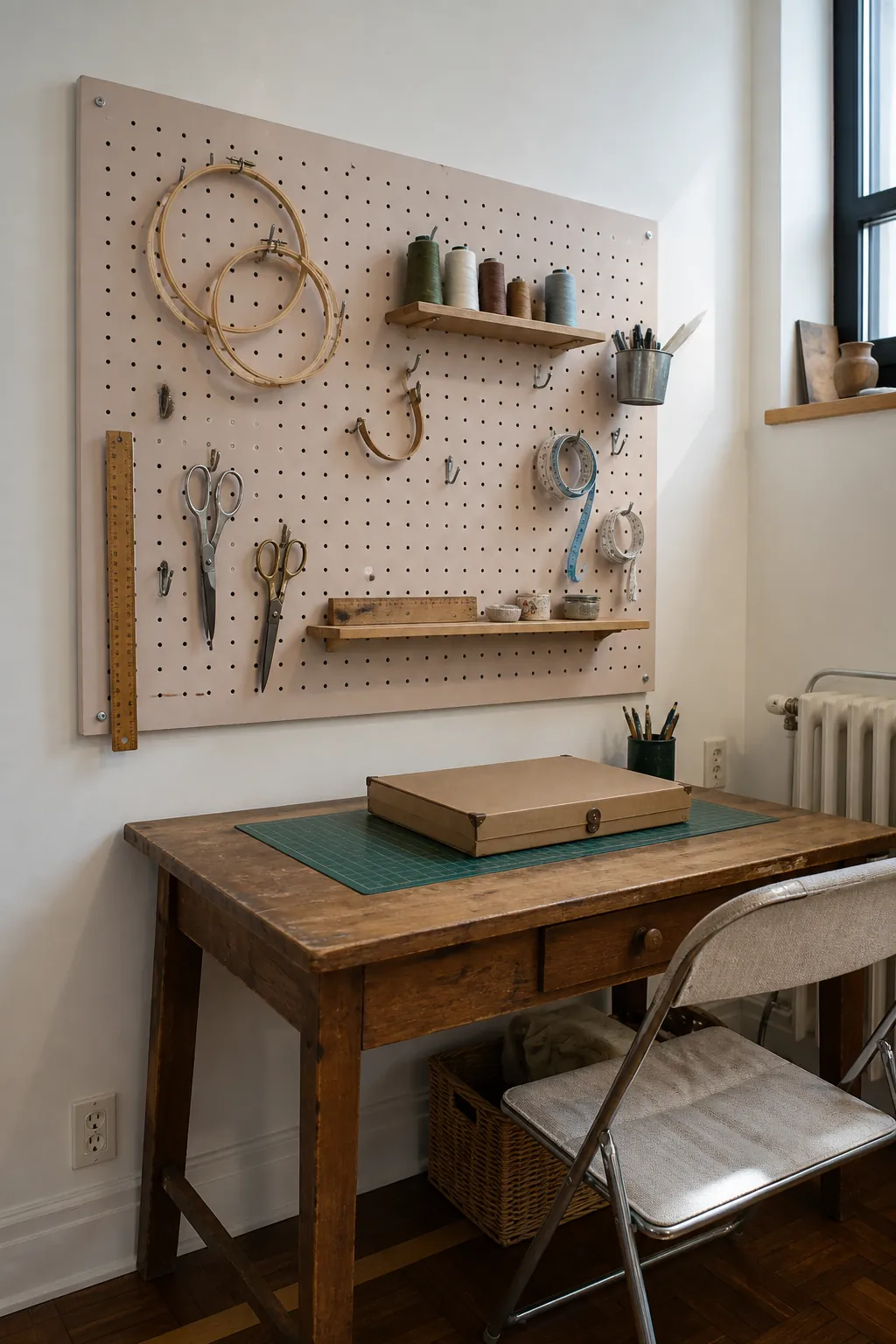
Turn Pegboard Into a Display
Pegboard gives small tools and useful objects a flexible visual structure. Paint it close to the wall color for a quiet effect, then reserve a few open areas so it does not feel crowded. Place heavier items lower and confirm every hook is designed for the panel.
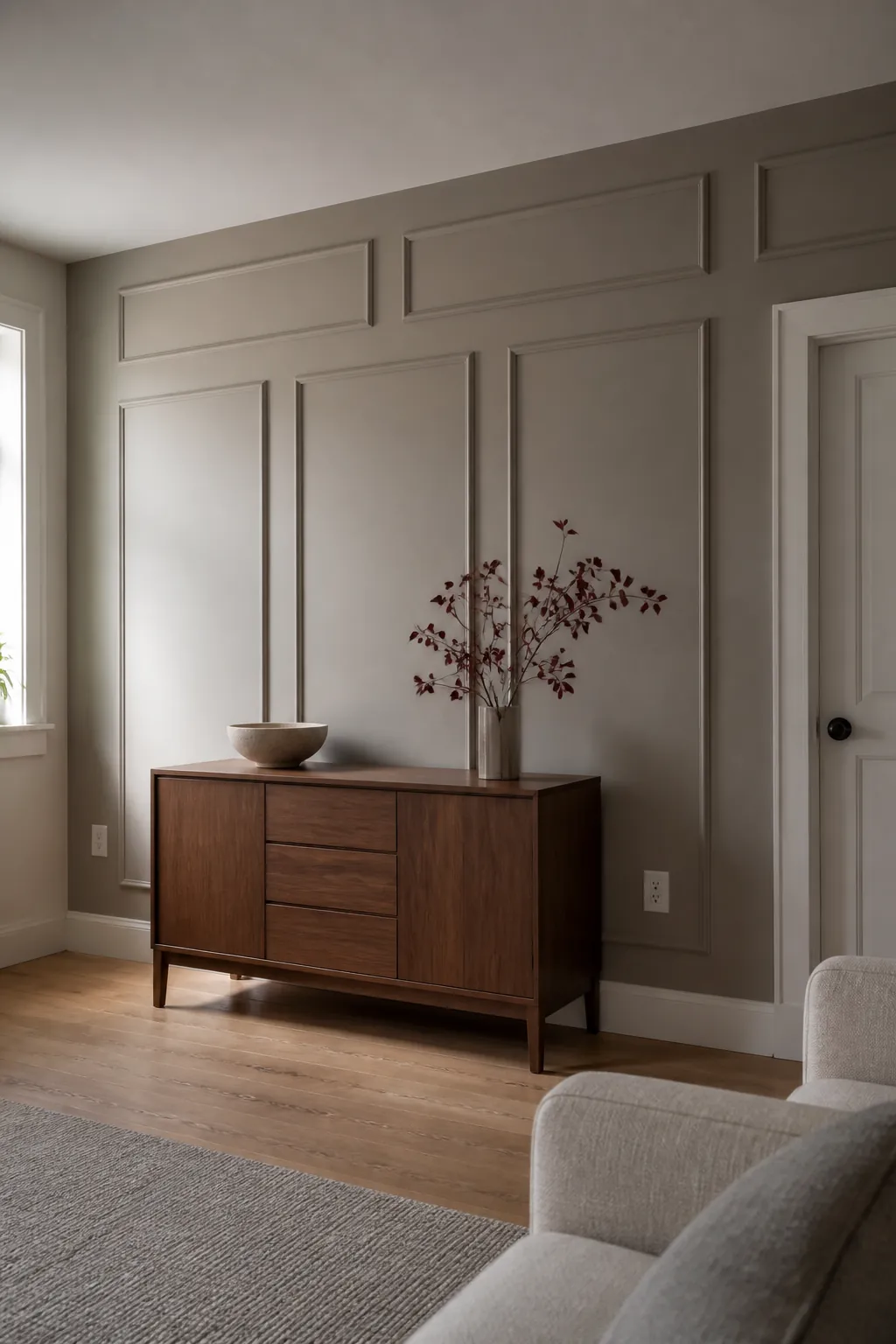
Build Simple Applied Molding
Applied trim can make an empty wall feel like part of the architecture. Rectangles should relate to door heights, furniture widths, and outlet positions rather than follow arbitrary spacing. Paint the trim and wall together when you want shadow and proportion without a busy color change.
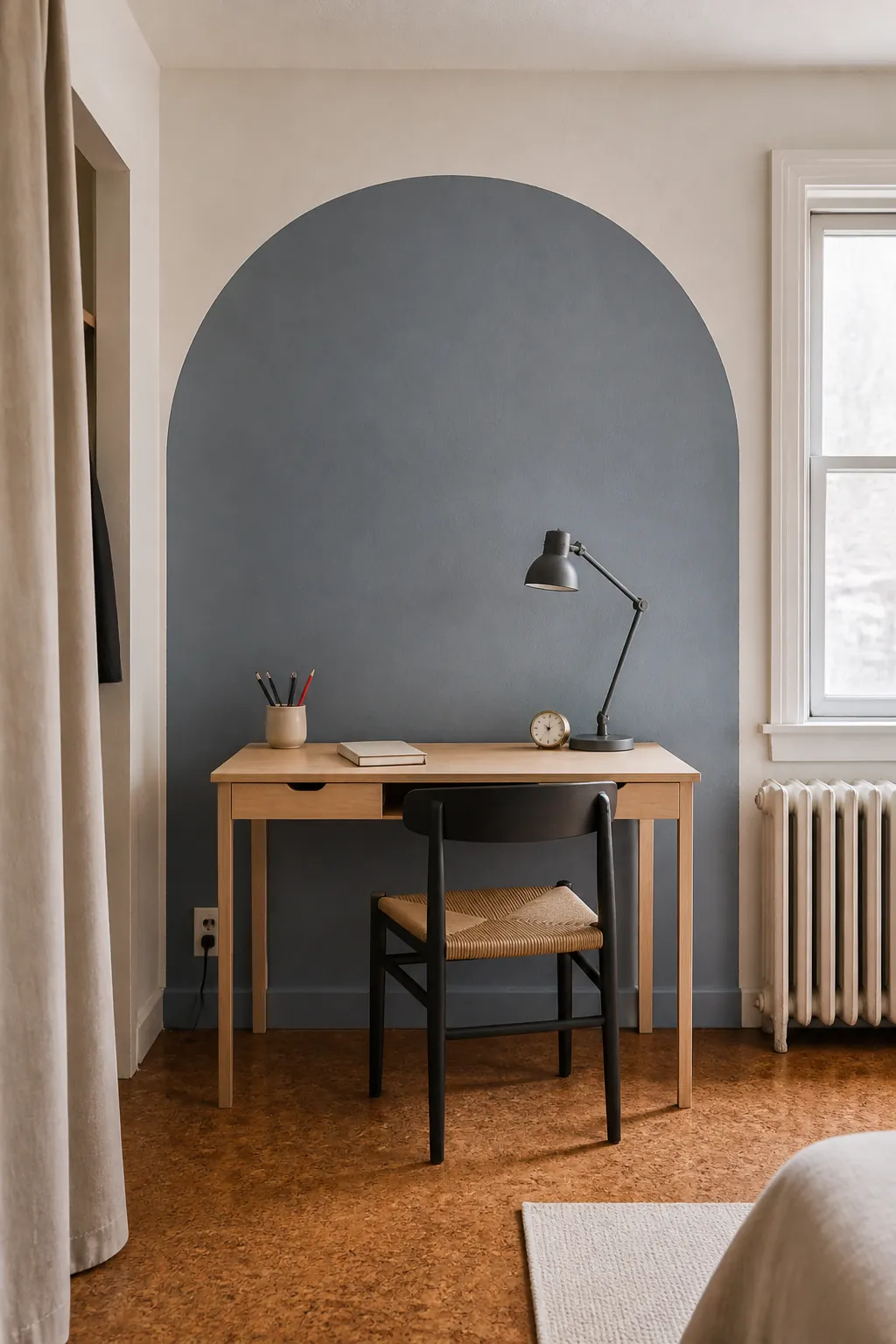
Paint a Soft Color Arch
A painted arch can visually gather a bench, desk, or console into one zone. Its width should extend beyond the furniture edges so the shape does not look undersized. Use a muted color and a clean curve to keep the result architectural rather than playful.
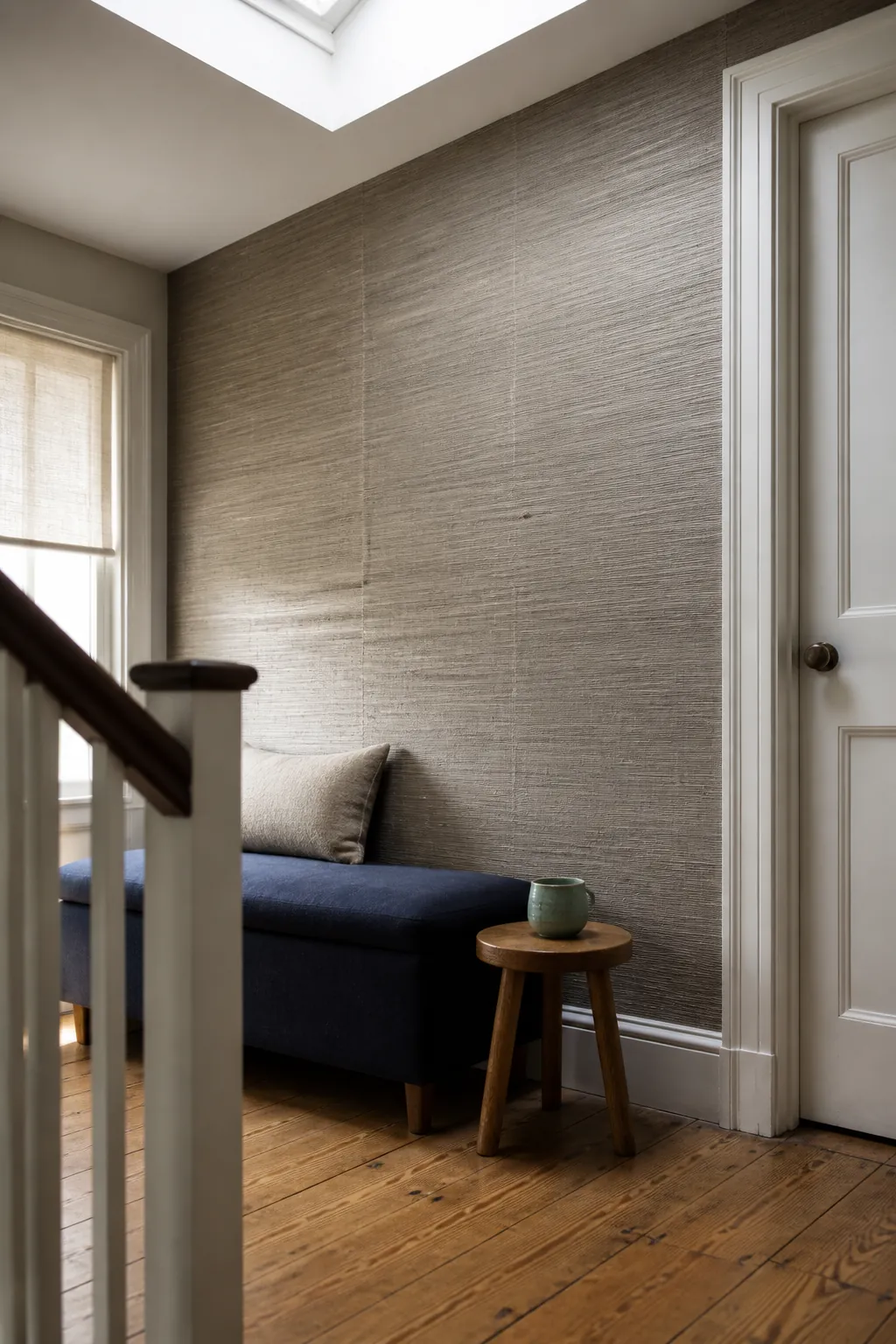
Cover One Zone With Grasscloth
Grasscloth adds quiet variation through natural fibers instead of a printed scene. Use it where moisture and frequent splashes are unlikely, since many natural coverings are delicate. Visible seams are part of the material, so plan the panel widths rather than trying to disguise every join.
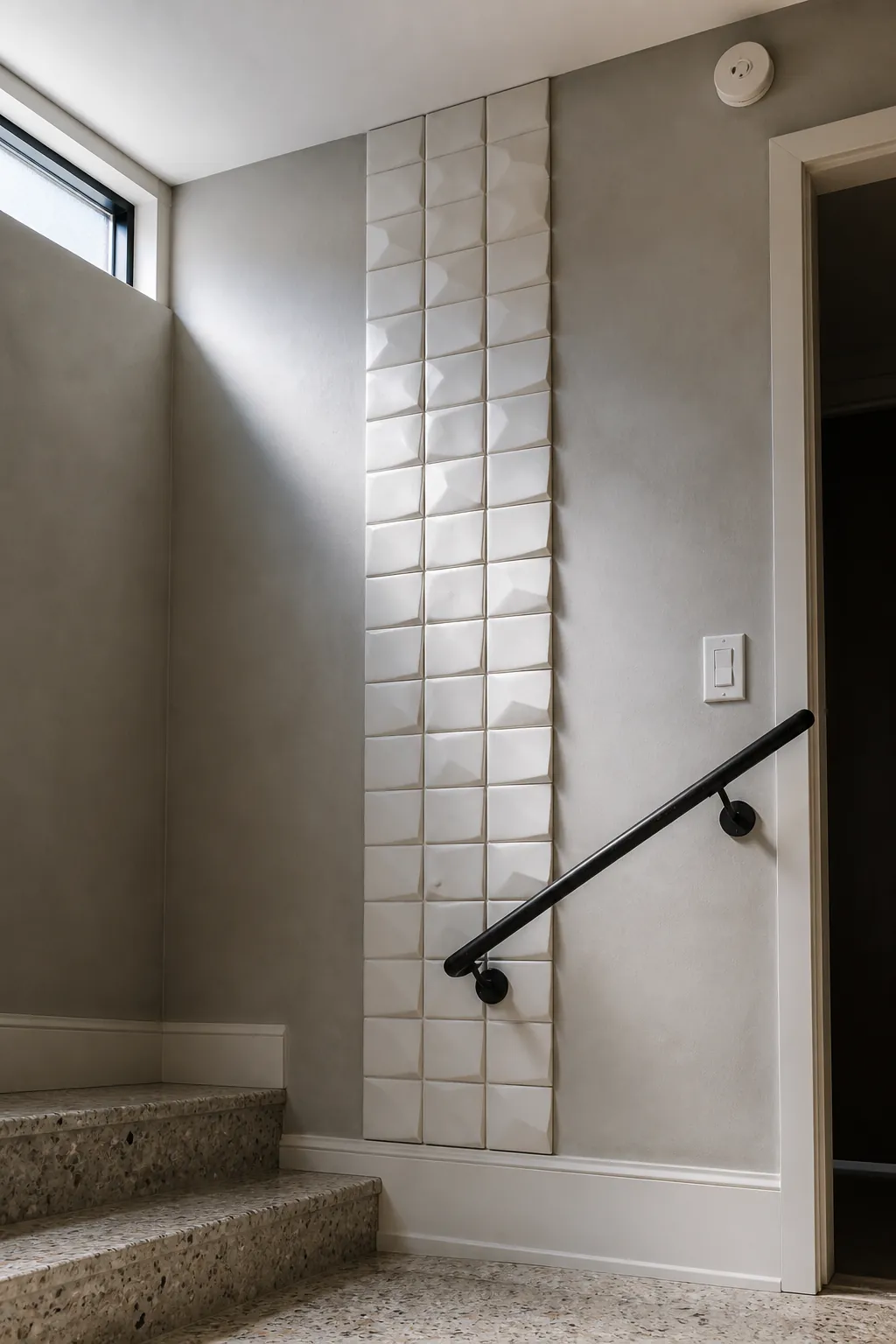
Install Sculptural Wall Tiles
A small field of dimensional ceramic or plaster tiles responds to changing daylight. Limit the installation to a defined rectangle or vertical band so it reads as intentional architecture. Confirm the wall can support the combined weight and use the adhesive specified for the tile material.
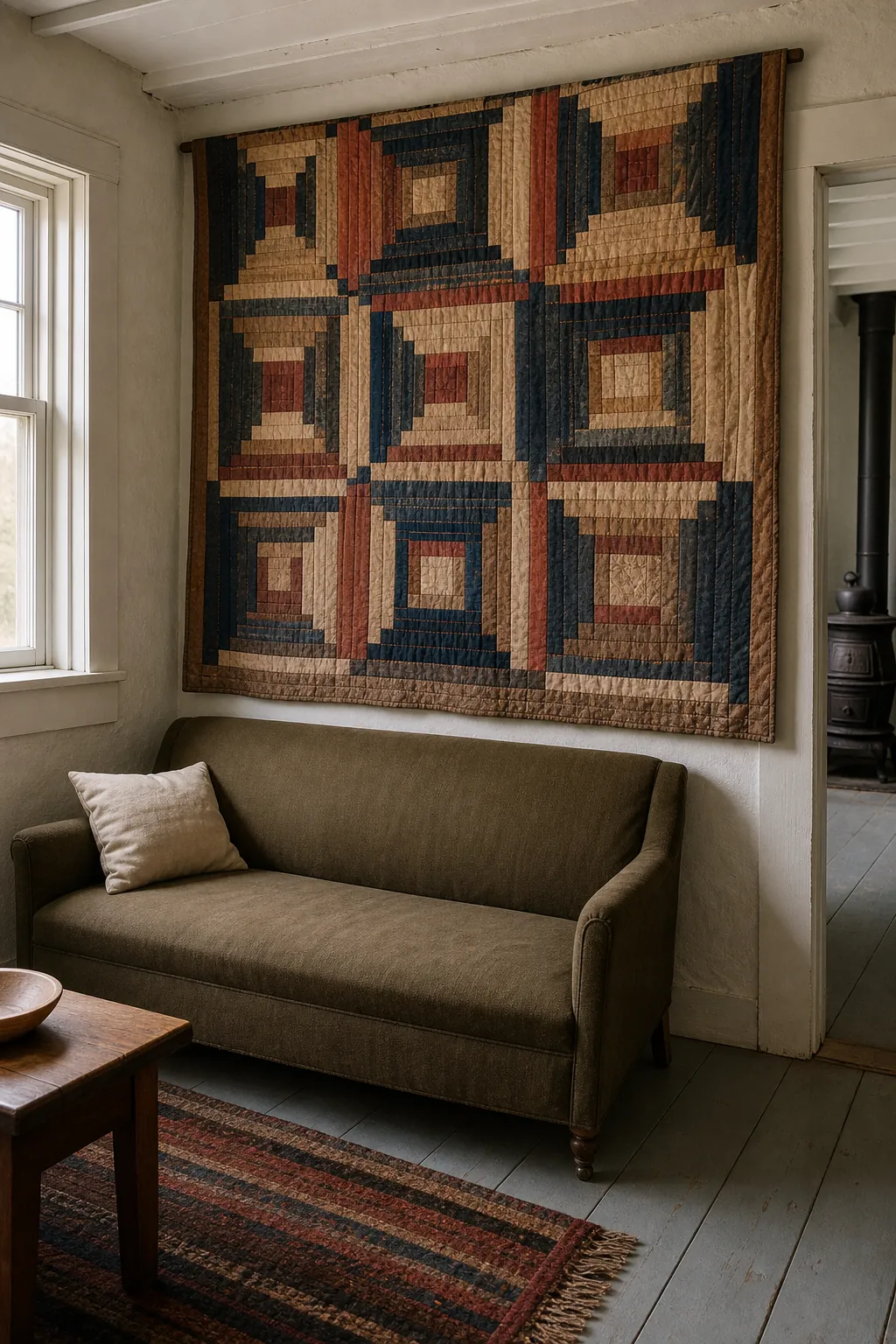
Suspend a Vintage Quilt
A quilt introduces scale, pattern, and sound softening in one move. Support its full width with a sleeve or rail to prevent stress at isolated points. Keep it away from direct sun and cooking residue if the fabric has age or sentimental value.
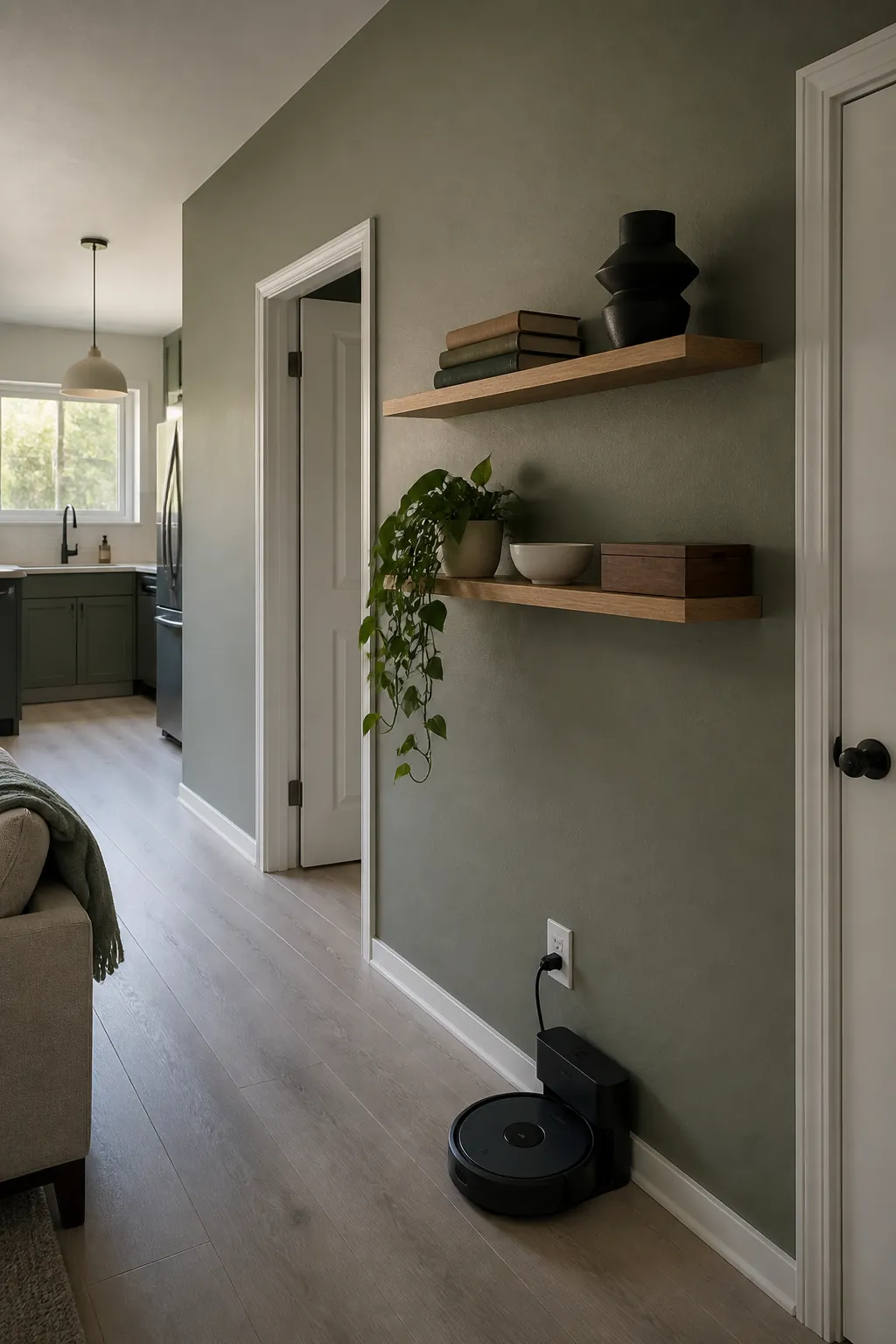
Style Two Floating Shelves
Two shelves can hold useful and tactile objects without becoming another picture gallery. Vary height through books, ceramics, and a plant, then leave some shelf surface exposed. In a walkway, choose shallow shelves and mount them above likely contact height.
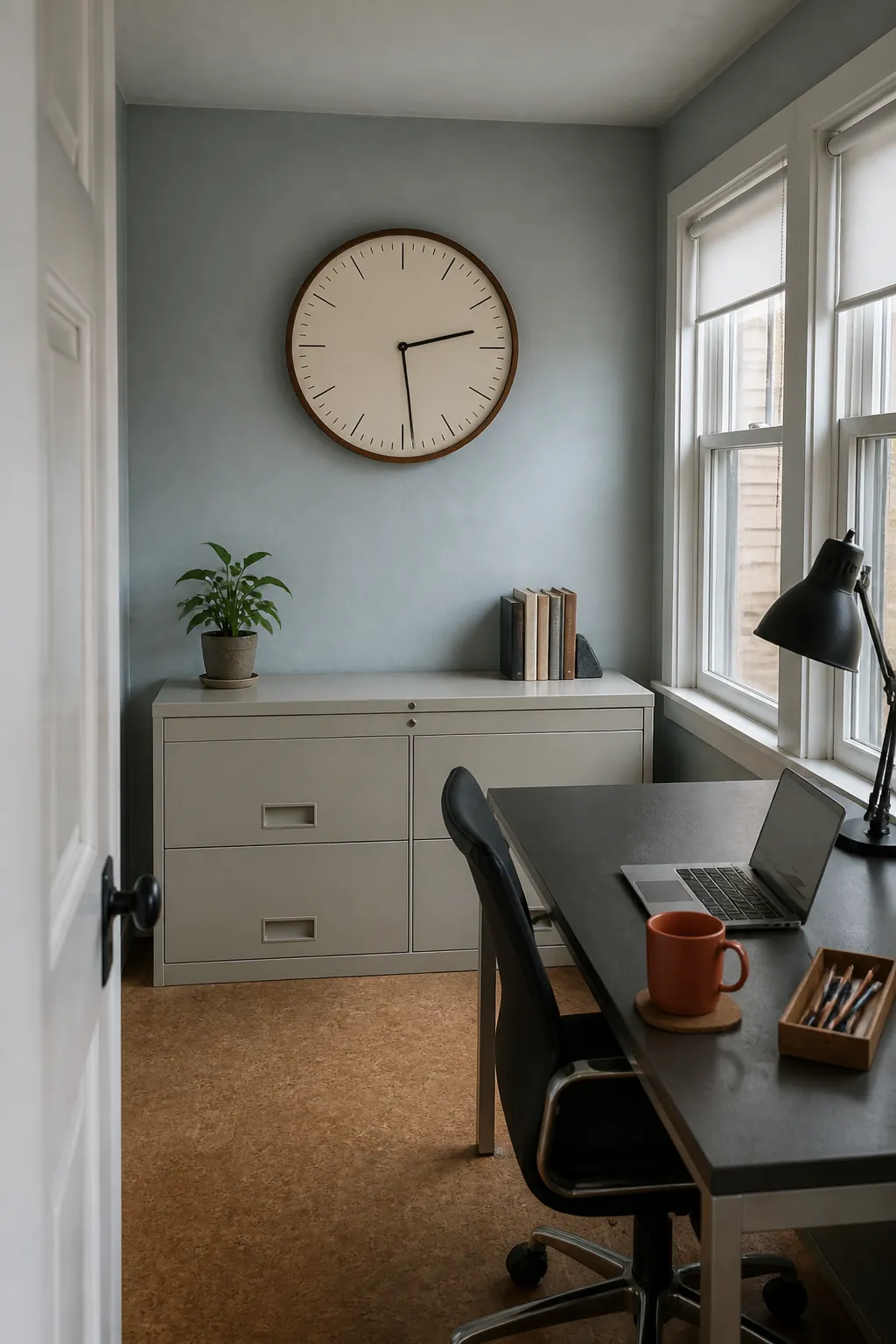
Choose a Statement Clock
A clock can occupy substantial wall area while earning its place through function. Match its diameter to the furniture below instead of choosing by close viewing in a store. A quiet movement is worth seeking in bedrooms, offices, and reading rooms.
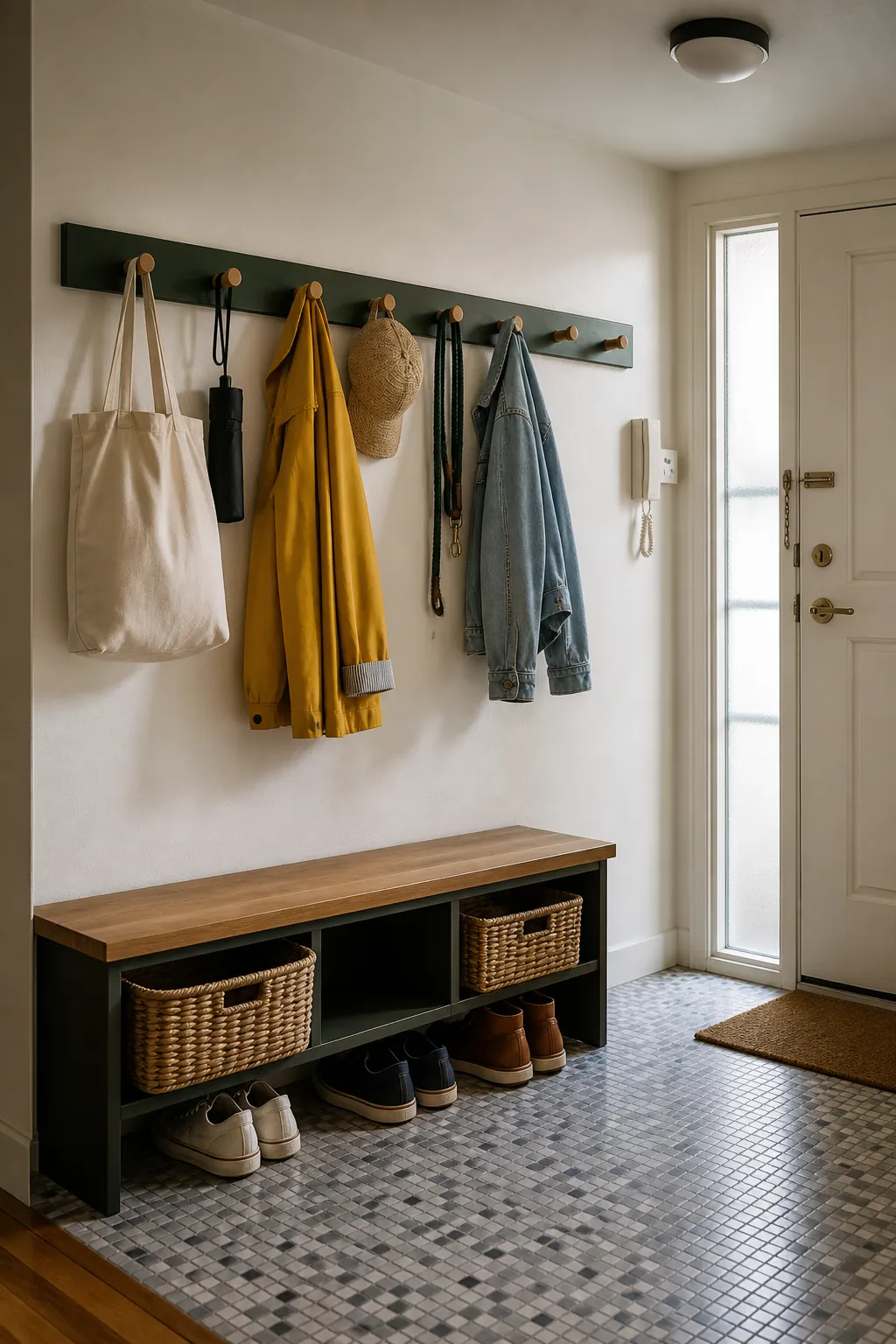
Create an Entry Hook Rail
A long hook rail gives an entry wall visual rhythm while managing everyday belongings. Keep frequently used bags, hats, and dog leads within easy reach, then store seasonal extras elsewhere. Mount the rail into reliable structure because daily pulling creates more force than static decor.
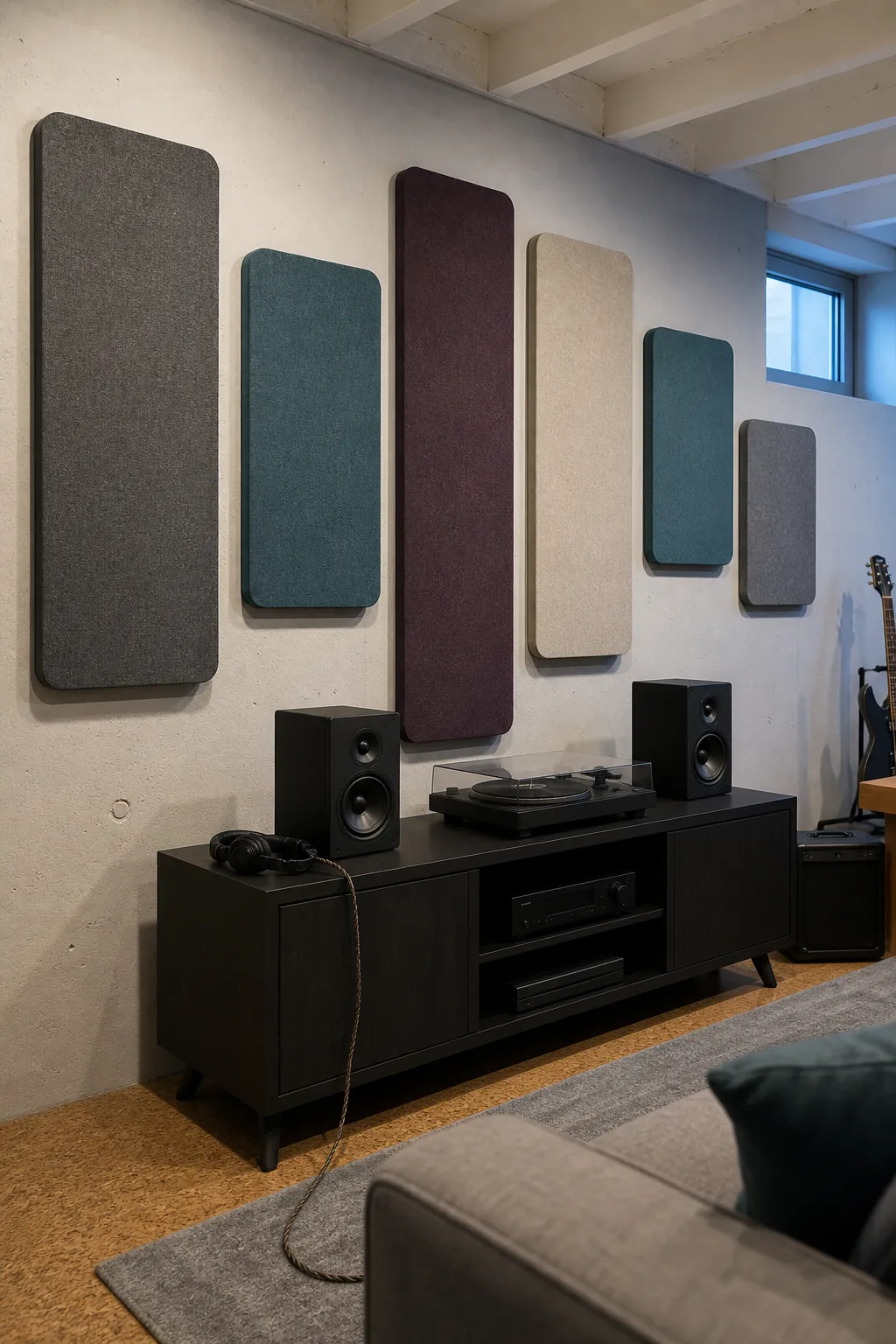
Compose Felt Acoustic Panels
Felt acoustic panels can soften echo while adding controlled color and relief. Arrange several large shapes as one composition, and use products with documented acoustic performance if sound control matters. Keep the palette close to the room so the installation supports rather than dominates conversation.
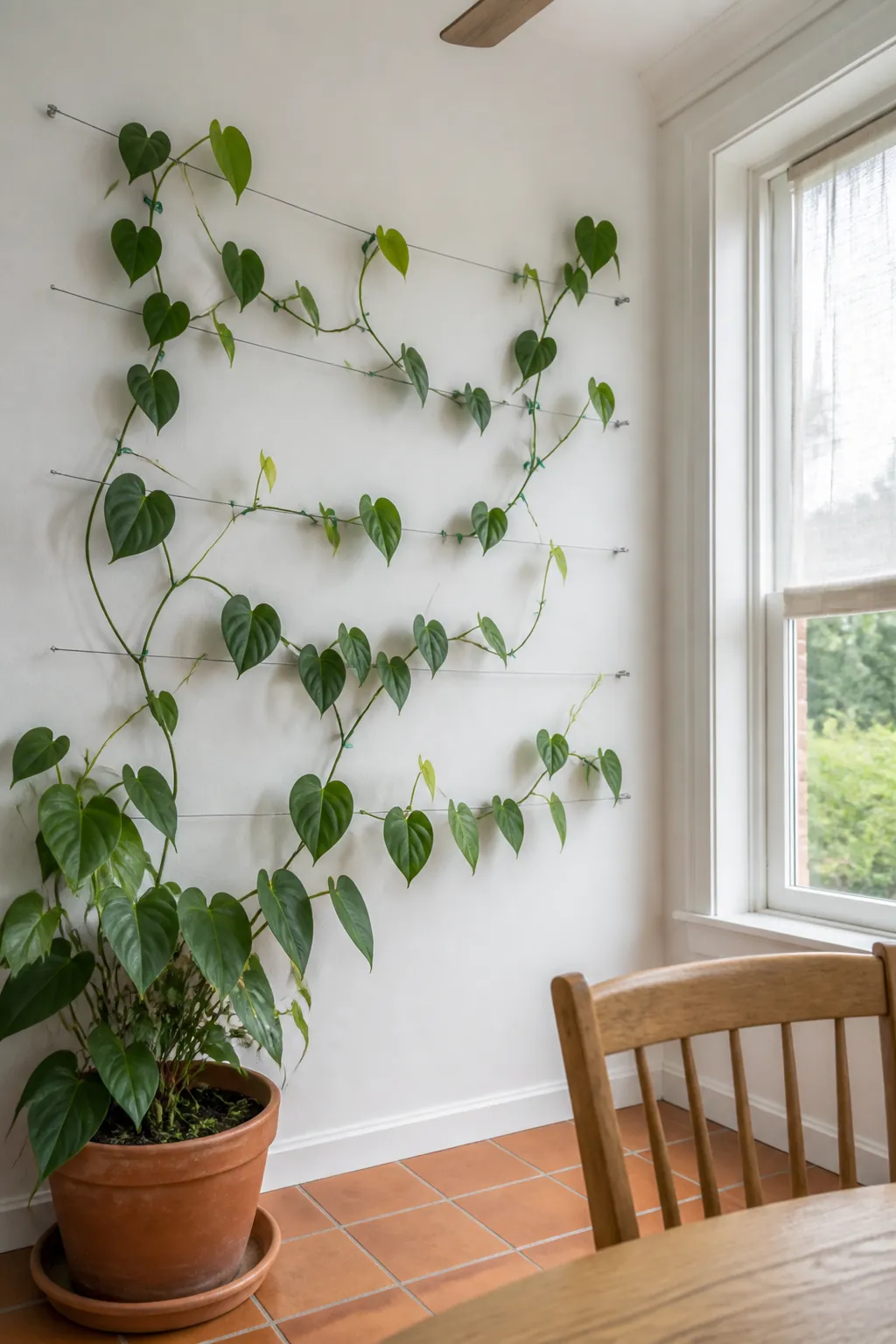
Train a Climbing Plant on Wire
A simple wire support lets one climbing plant draw a living line across a bright wall. Install the wire with enough clearance for leaves and make each tie loose enough for stems to expand. Choose this only where light, watering access, and wall protection can be maintained over time.