19 Playroom Birthday Party Setup Ideas for Easy Indoor Fun
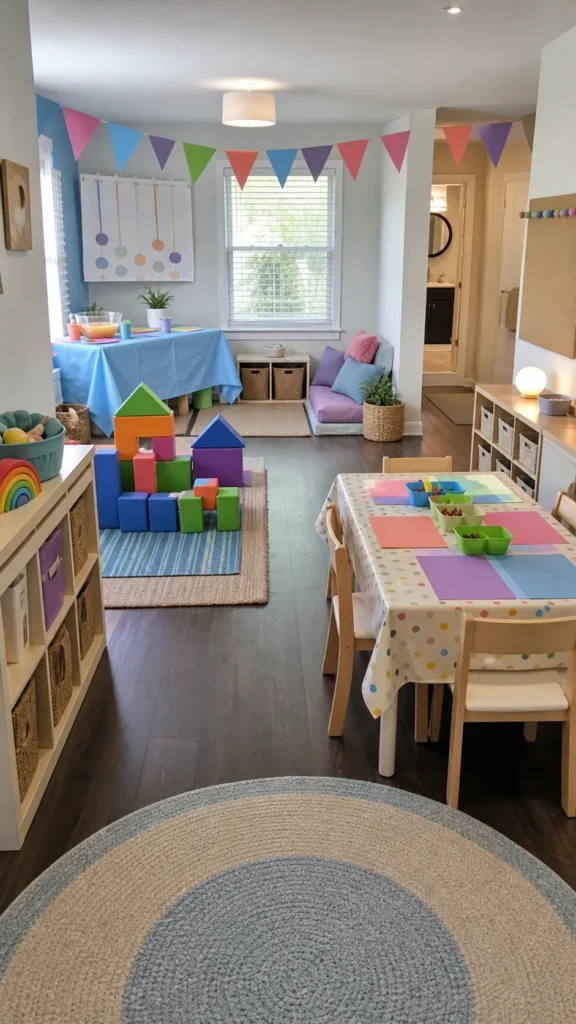
An indoor birthday party works best when the playroom is treated as a set of small, obvious zones—not one room full of every toy the family owns. Parents planning parties at home repeatedly worry about chaos, crowding, cleanup, and children racing through the rest of the house. The answer is not more entertainment. It is a layout that quietly tells guests where to play, where to eat, and what happens next.
Start by removing breakables, toys with tiny pieces, and anything you do not want shared. Keep exits visible, protect the route to the bathroom, and assign an adult to messy or high-energy stations. These playroom party setup ideas are designed for real homes, short attention spans, and a cleanup you can finish the same day.
Create a Clear Welcome and Shoe Drop
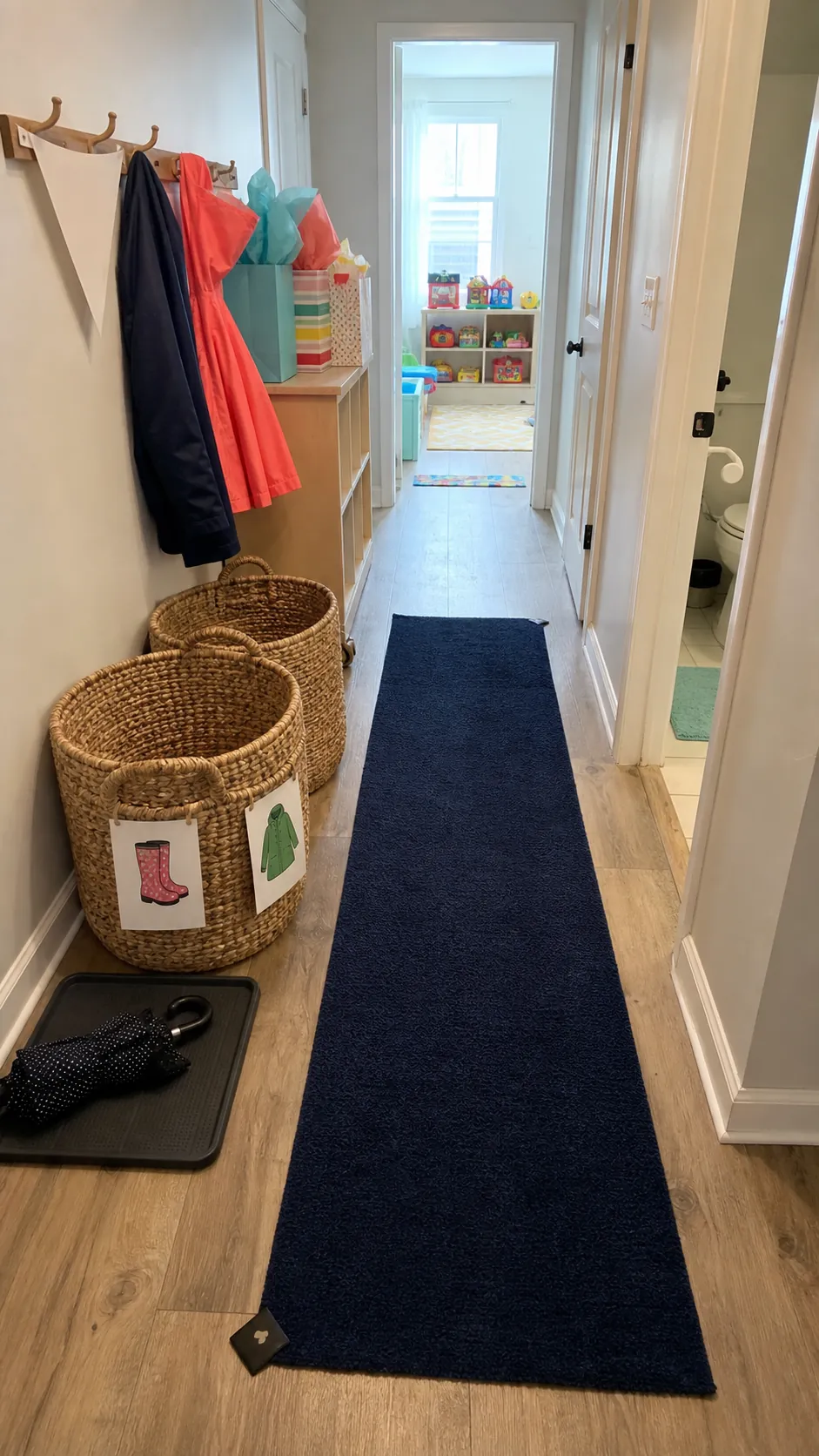
Use a small sign, a washable runner, and labeled baskets near the playroom entrance so coats, shoes, and gifts do not migrate into activity space. A visible entrance also helps adults understand which rooms are open to guests.
Keep the path to the bathroom completely clear. In wet weather, extend floor protection along that route instead of asking children to remember where they may step.
Build Three Simple Activity Zones
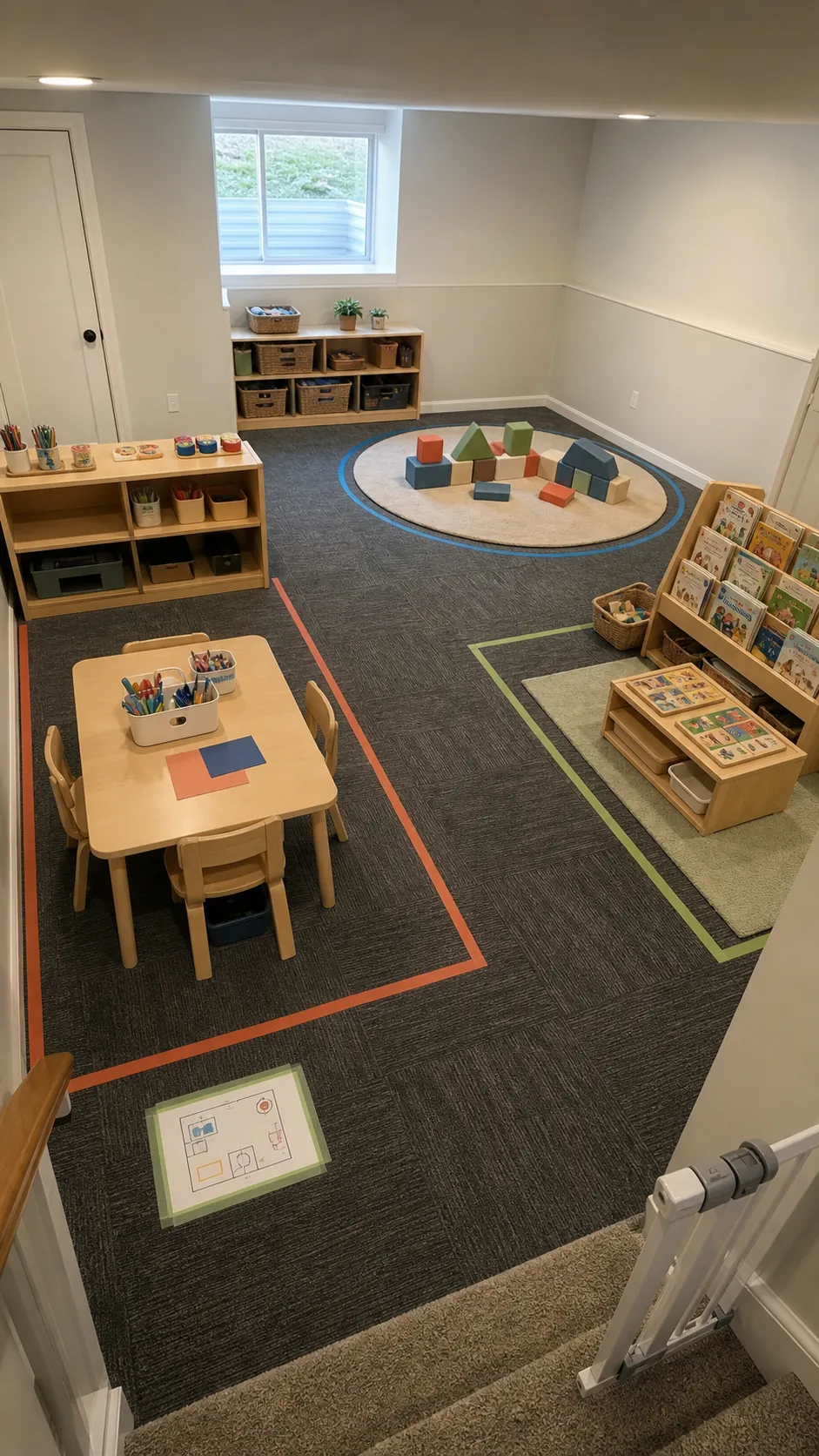
Divide the room into a making table, an active floor zone, and a quiet play corner. Three stations are easier to supervise than a long menu of activities, and children can see what to do without waiting for a formal announcement.
Use rugs, low shelves, or painter-safe floor tape as boundaries. Leave a generous circulation loop around them so a child moving between stations does not cut through another activity.
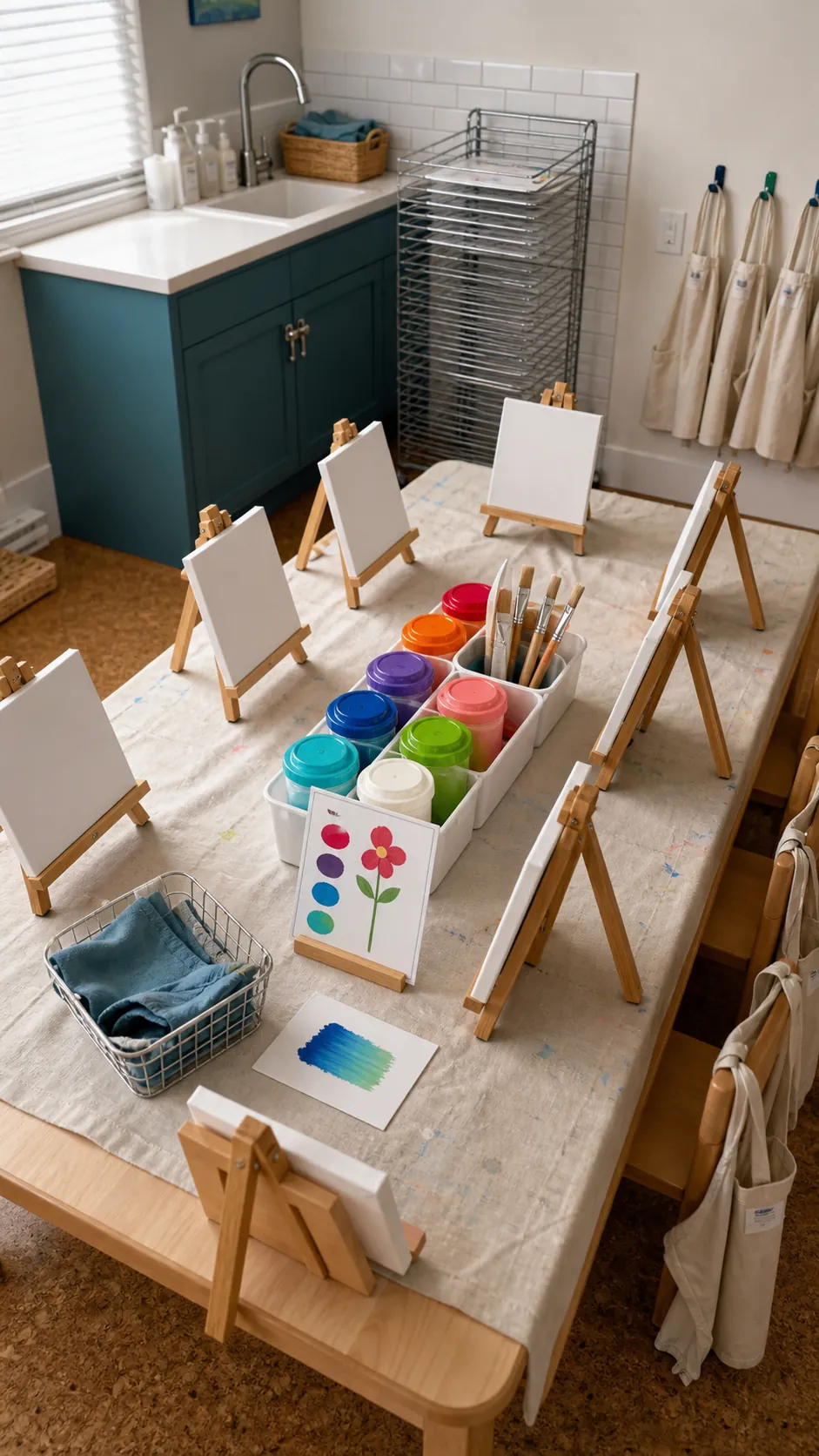
Set Up a Washable Art Table
Cover a child-height table with a wipeable cloth and offer one contained project such as mini canvases, paper crowns, or cardboard masks. Pre-portion supplies into cups so children can begin without an adult opening packages.
Choose washable materials, put finished work on a drying tray, and place the station near a sink if possible. The craft becomes both an activity and a take-home favor.
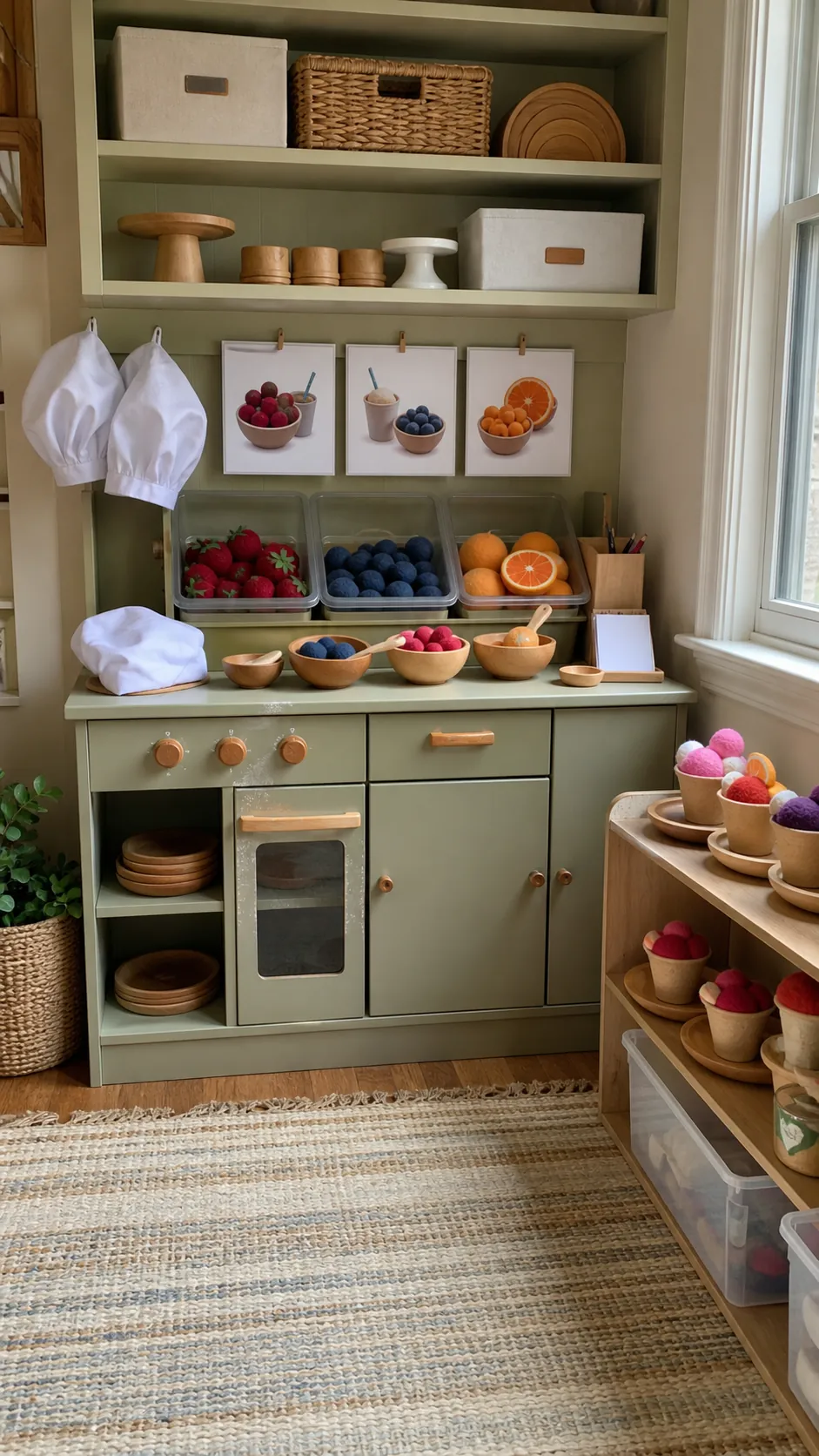
Turn the Play Kitchen Into a Sensory Cafe
Refresh an existing play kitchen with large felt food, paper order cards, scoops, and bowls of oversized pom-poms. The familiar toy gains a party purpose without introducing liquids, slime, or crumbs into the room.
Limit the menu to three pretend dishes and place everything in picture-labeled bins. This keeps imaginative play focused and makes cleanup understandable even to preschoolers.
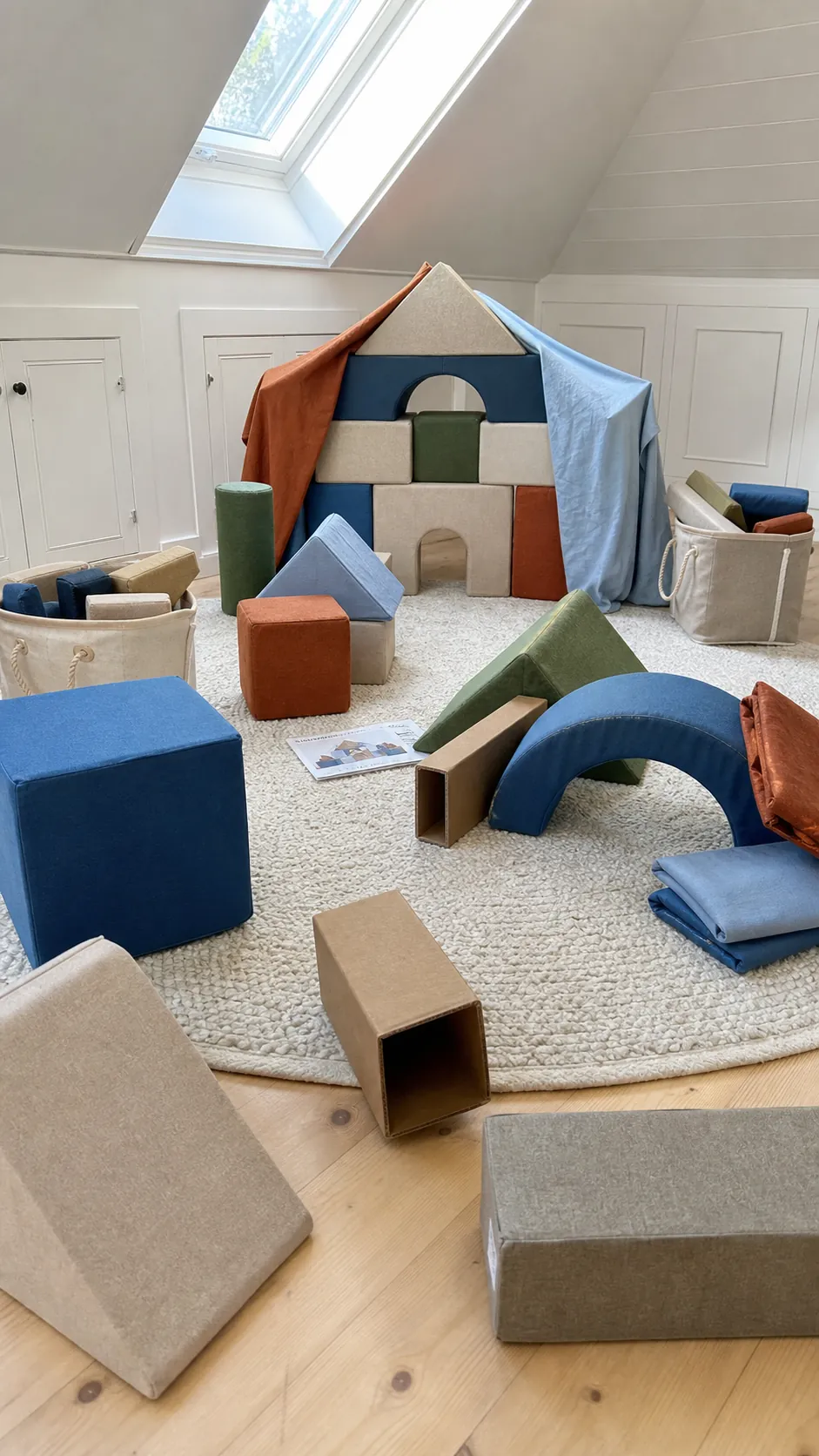
Make a Soft-Block Building Station
Place foam blocks, large cardboard bricks, and lightweight fabric panels on a defined rug. Children can build forts and towers without hard pieces rolling underfoot or damaging furniture.
Start with one half-built structure to spark play, then let guests redesign it. Keep the station away from food and doorways because abandoned blocks quickly become trip hazards.
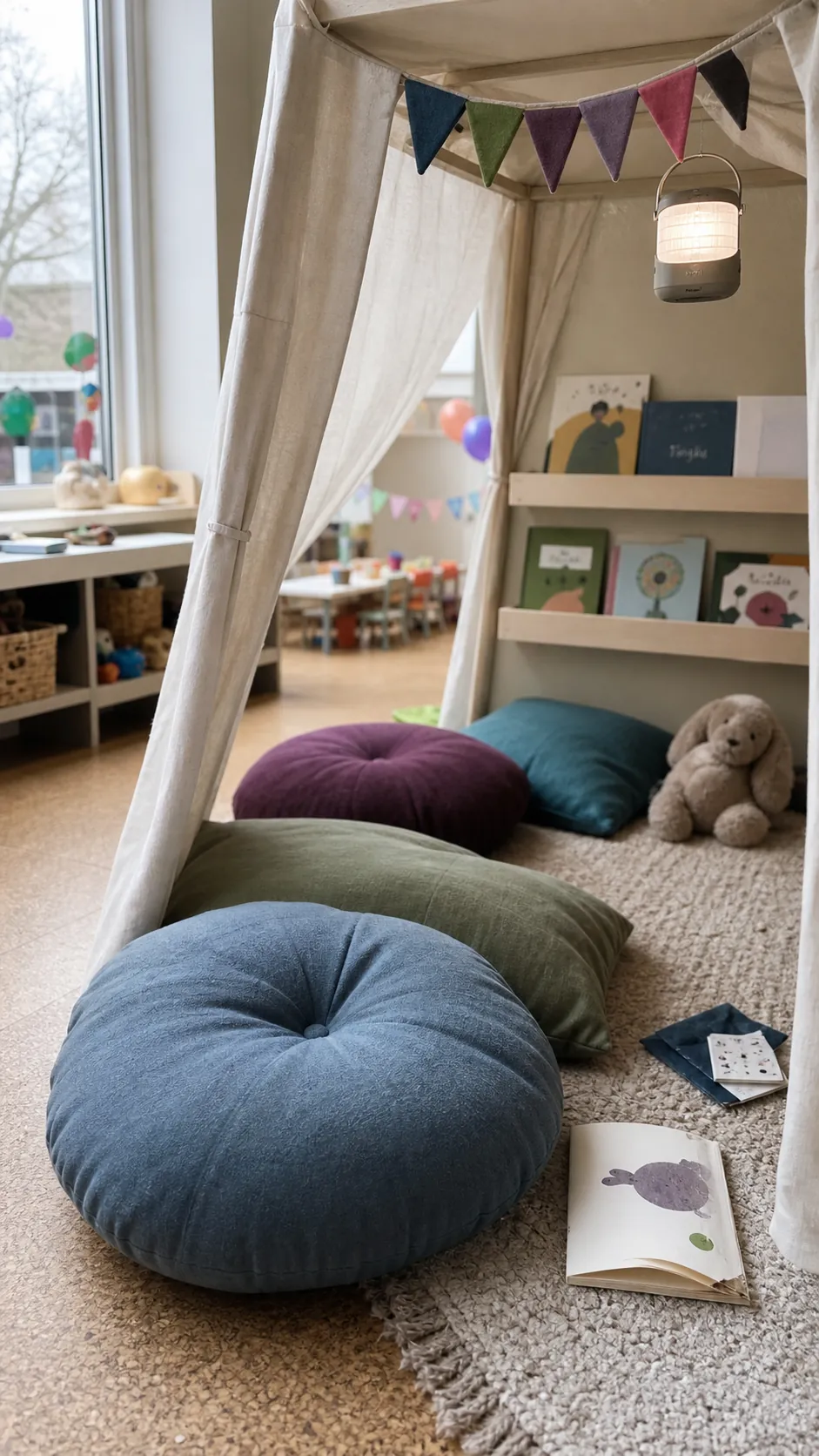
Add a Cushion Reading Retreat
Not every child wants constant noise. A small tent or canopy with floor cushions, familiar picture books, and soft neutral lighting gives overwhelmed guests a place to reset without leaving the playroom.
Keep the retreat visually open for supervision and never close it with a flap. Position it away from speakers and the busiest path but close enough that a caregiver can sit nearby.
Design a Compact Movement Course
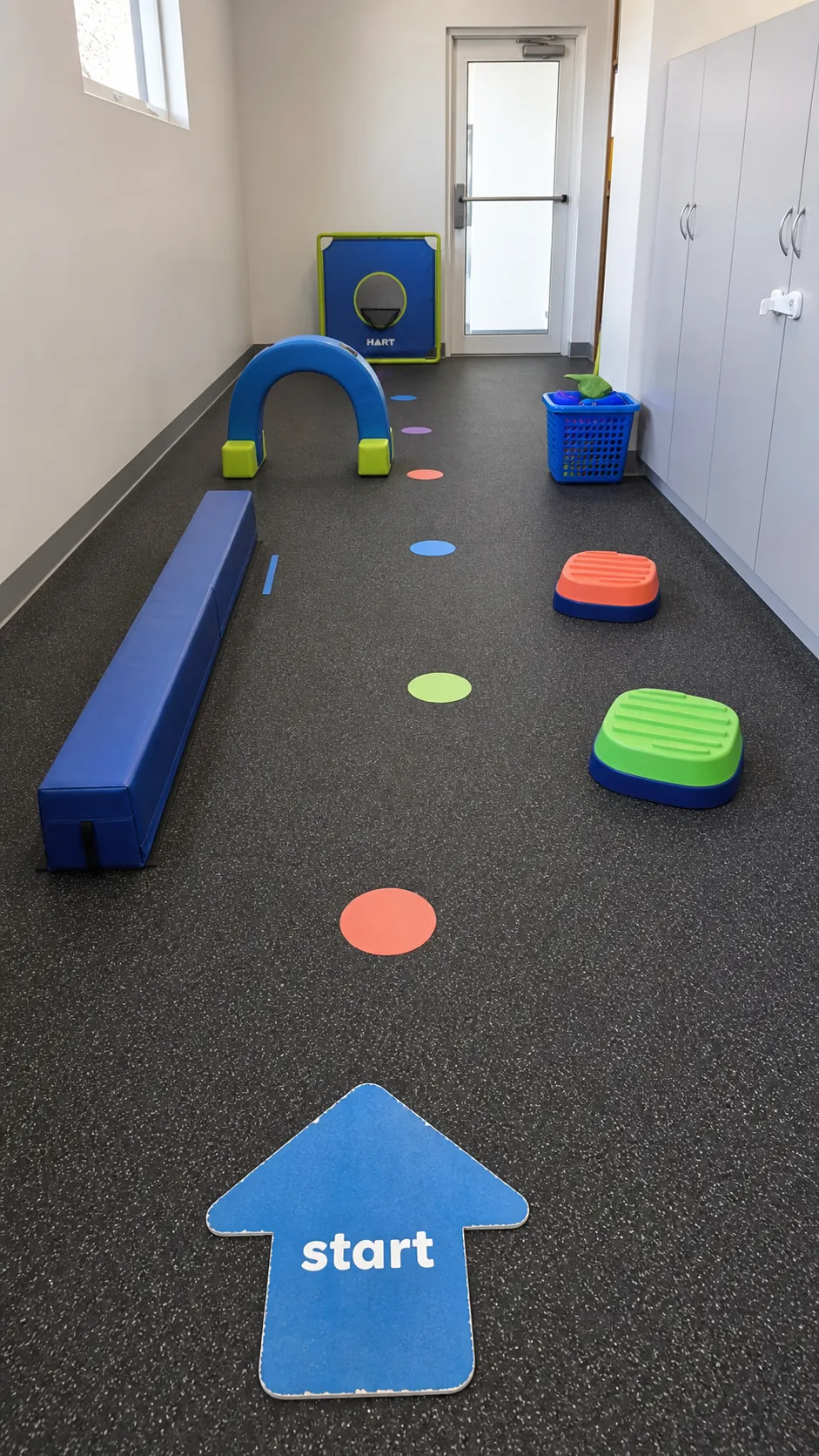
Create a short loop with floor dots, a low foam balance beam, a crawl-through arch, and a beanbag target. The course should direct motion in one direction rather than encouraging children to race across the whole house.
Test every element at the youngest guest’s level and remove competition if ages vary widely. One adult should reset pieces and prevent crowding at the starting point.
Use a Wall-Based Scavenger Hunt
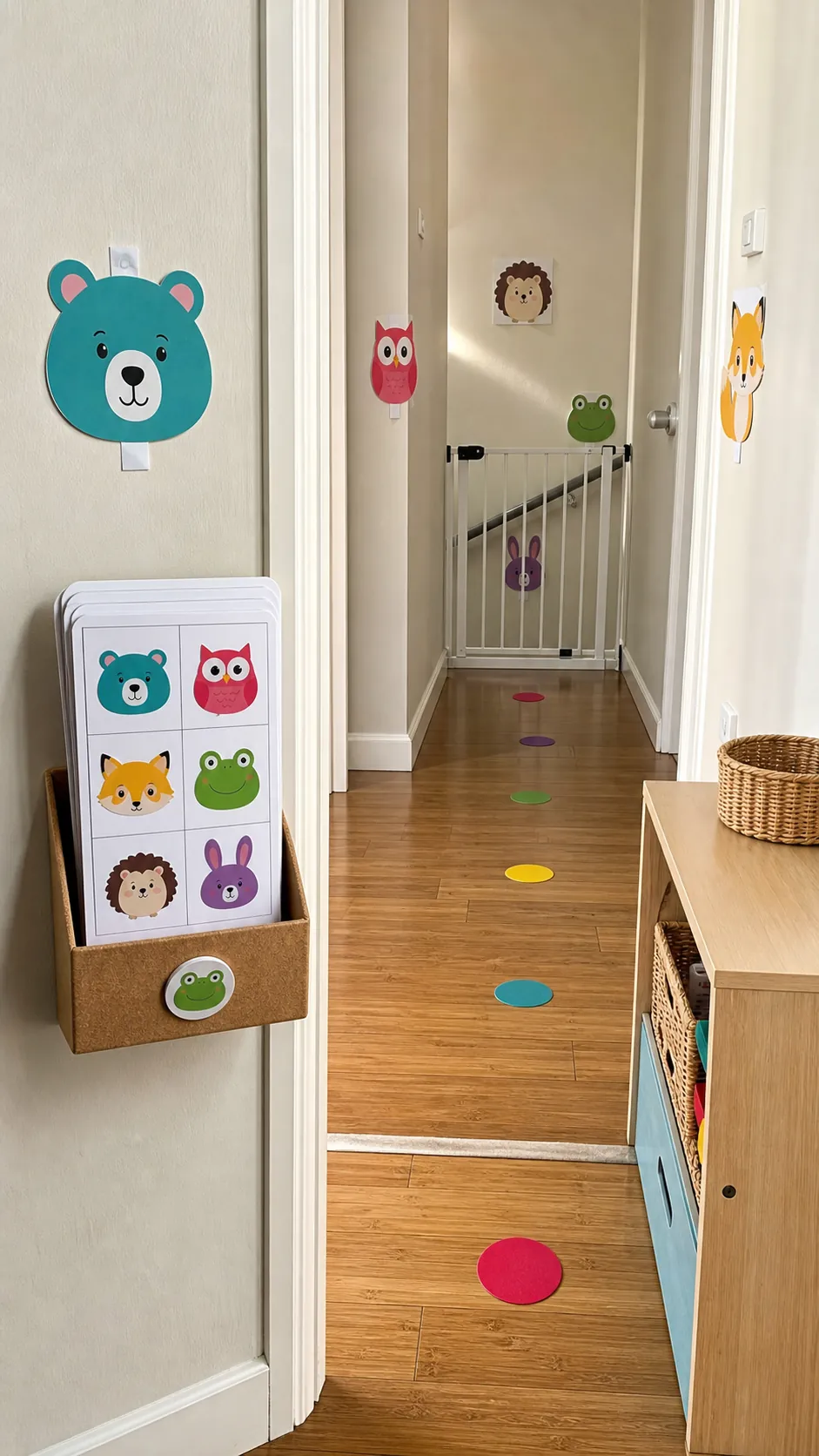
Hide large theme cutouts at visible child height and give each guest a card with matching picture spaces. The clues can stay within the playroom and adjacent hallway, containing the energy that a whole-house hunt would create.
Make every hiding place obvious enough to avoid frustration and provide identical finds for each child. A completed card can be exchanged for one small prize or sticker.
Prepare a Freeze-Dance Corner
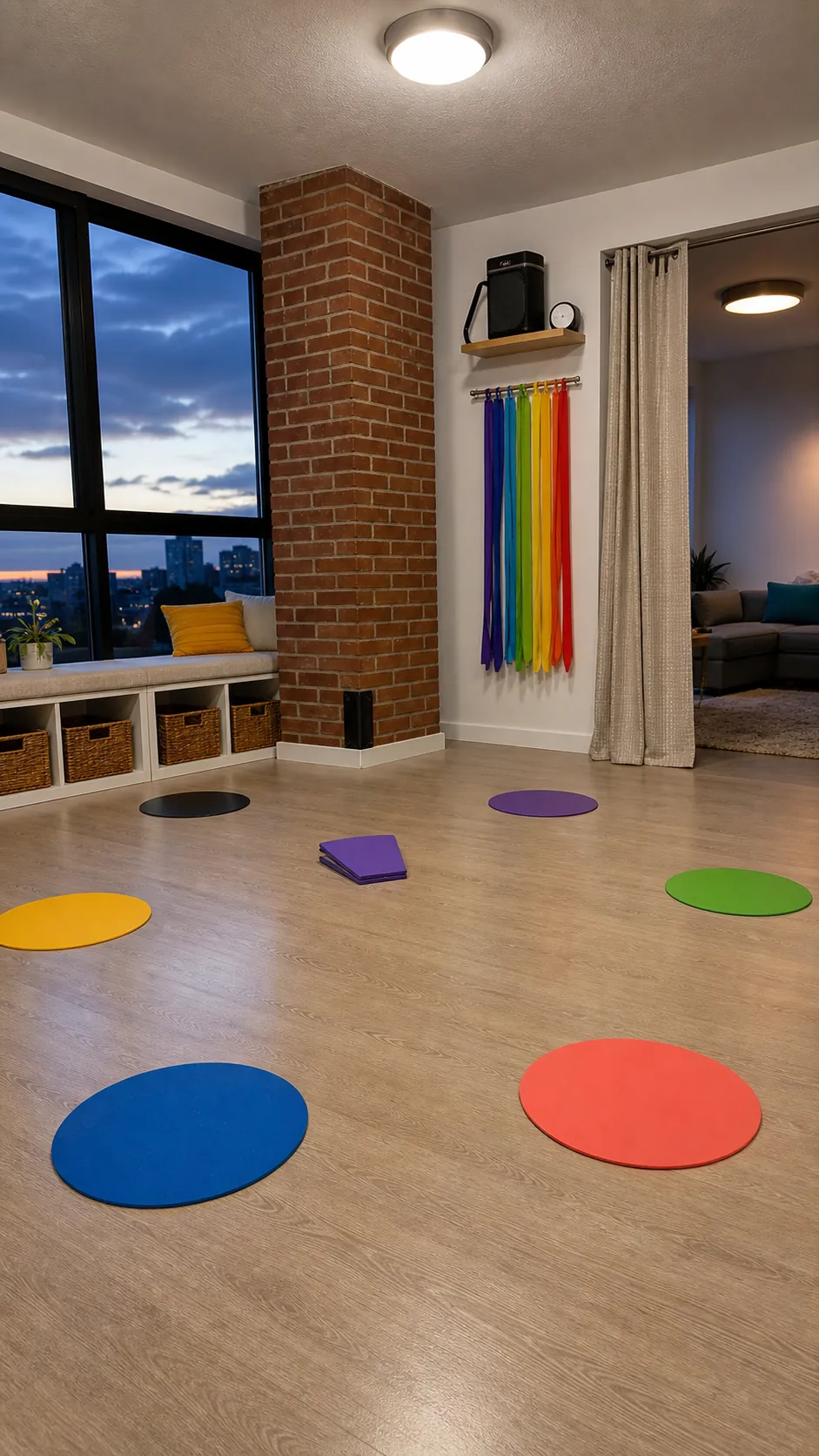
Clear one rug-sized area, mount a small speaker out of reach, and add colored floor spots that show where dancers can stand. Short music rounds release energy without requiring a large room.
Keep volume low enough for adults and sensory-sensitive guests, and alternate dance rounds with calmer stations. Floor spots should be flat, nonslip, and spaced so children do not collide.
Create a Dress-Up Portrait Rail
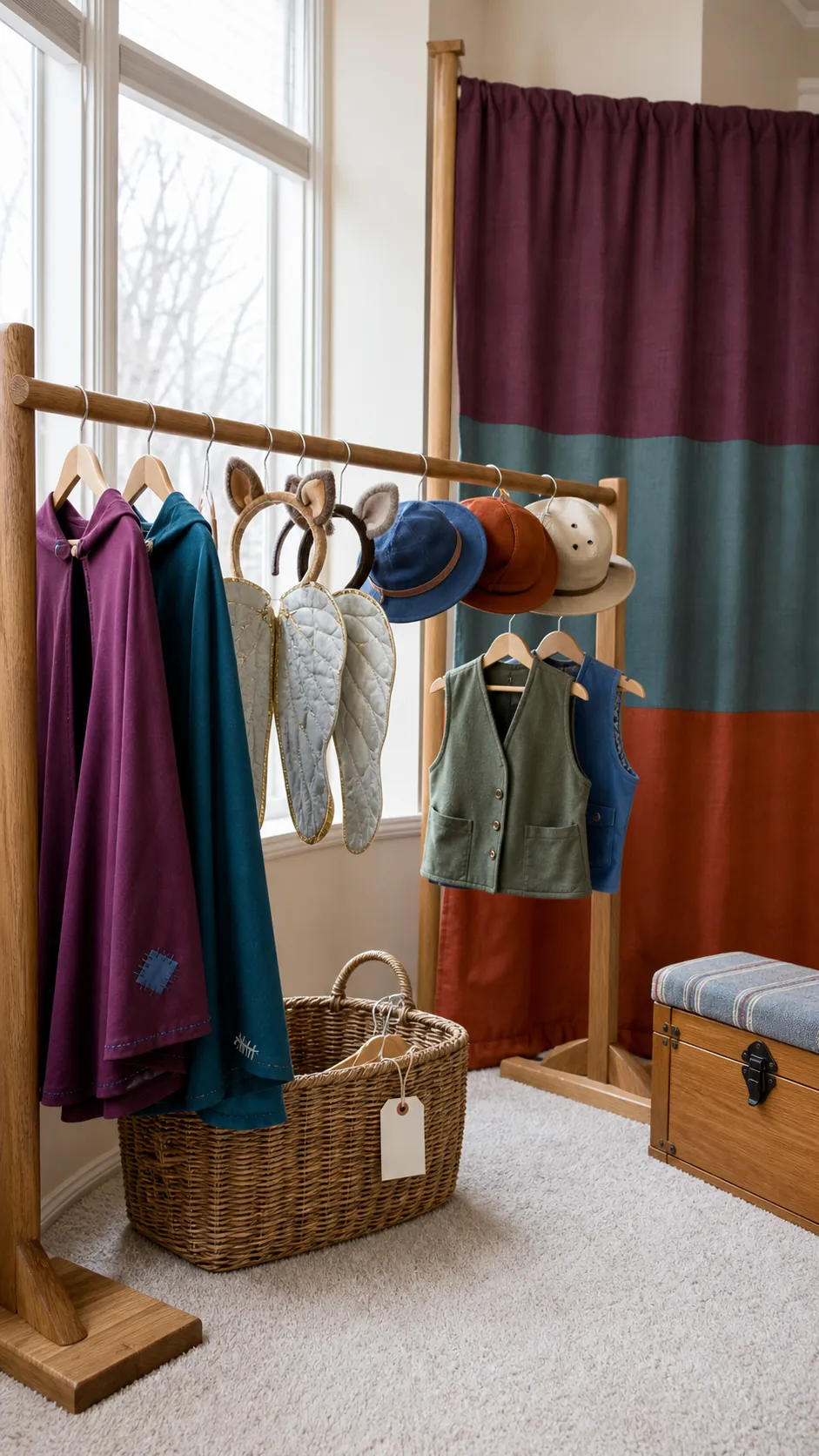
Hang a small selection of capes, hats, fabric wings, and animal ears on a low rail beside a simple photo wall. Fewer choices reduce costume piles and keep the portrait station moving.
Avoid masks that obscure vision and long garments that trail on the floor. Put a return basket under the rail so used pieces have an obvious destination.
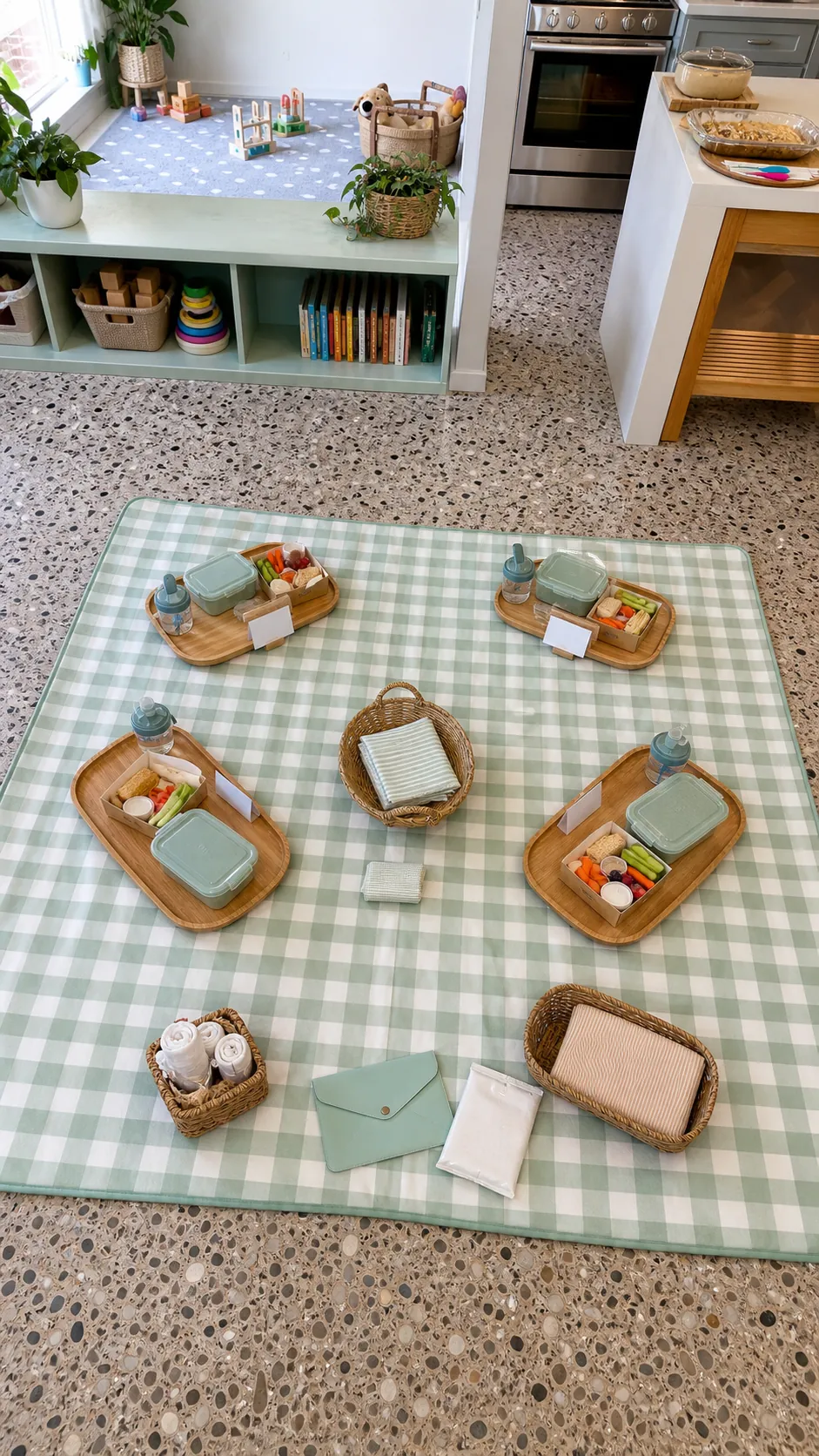
Arrange a Floor Picnic Snack Zone
A wipeable mat with low trays can seat children without squeezing a full dining table into the room. Serve pre-portioned, age-appropriate foods and keep allergy information clear for caregivers.
Separate eating from active play with a shelf or visible tape line. Keep hot drinks, knives, candles, and breakable serving pieces in the adult kitchen.
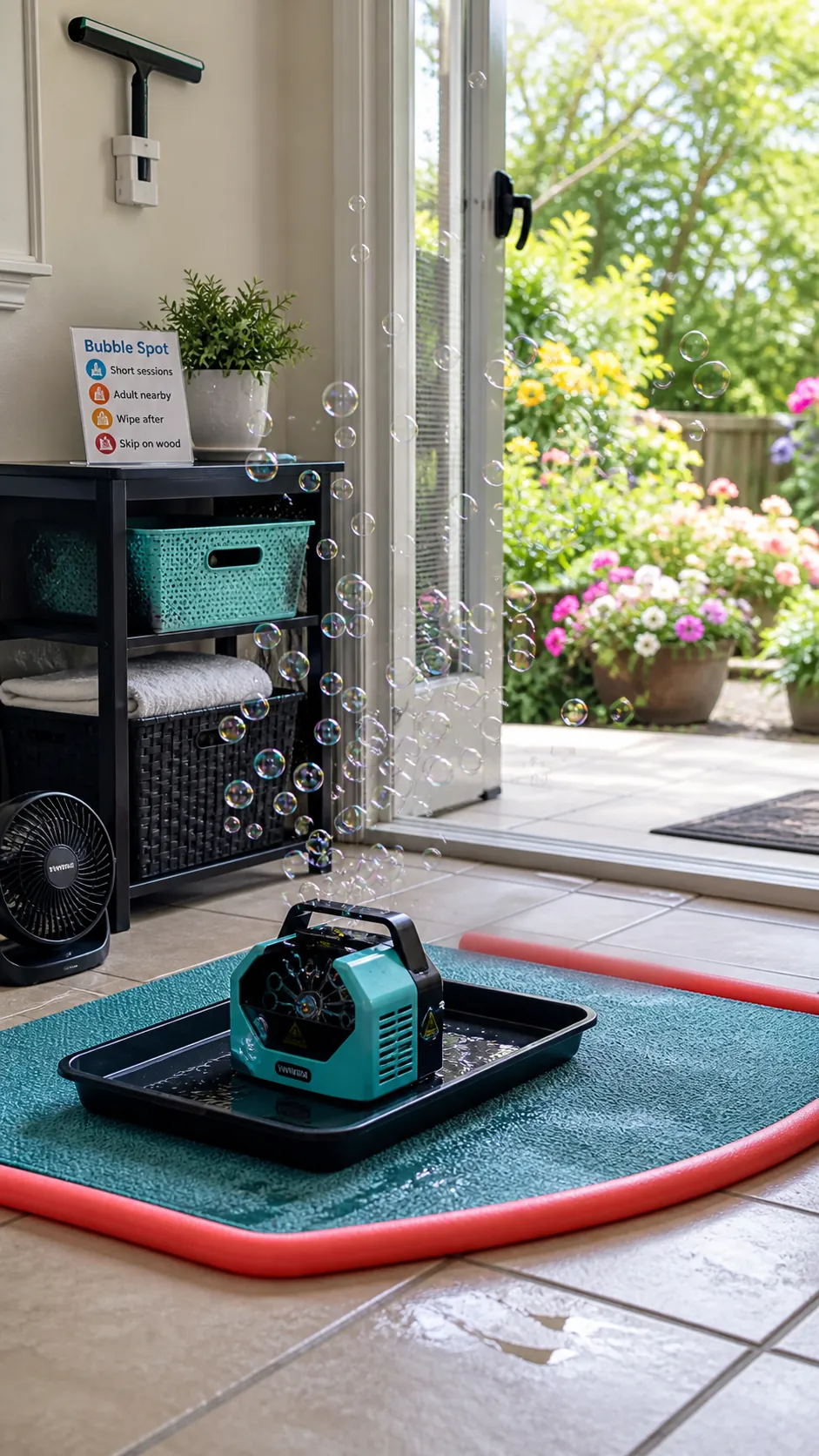
Build a Controlled Bubble Spot
If the flooring allows it, use one spill-resistant bubble machine on a washable mat beside an open door or protected window. Bubbles are a reliable crowd-pleaser, but the activity needs a boundary because residue can make hard floors slippery.
Assign an adult, run short sessions, and wipe the floor between rounds. Skip this idea on polished wood or anywhere moisture could damage surfaces.
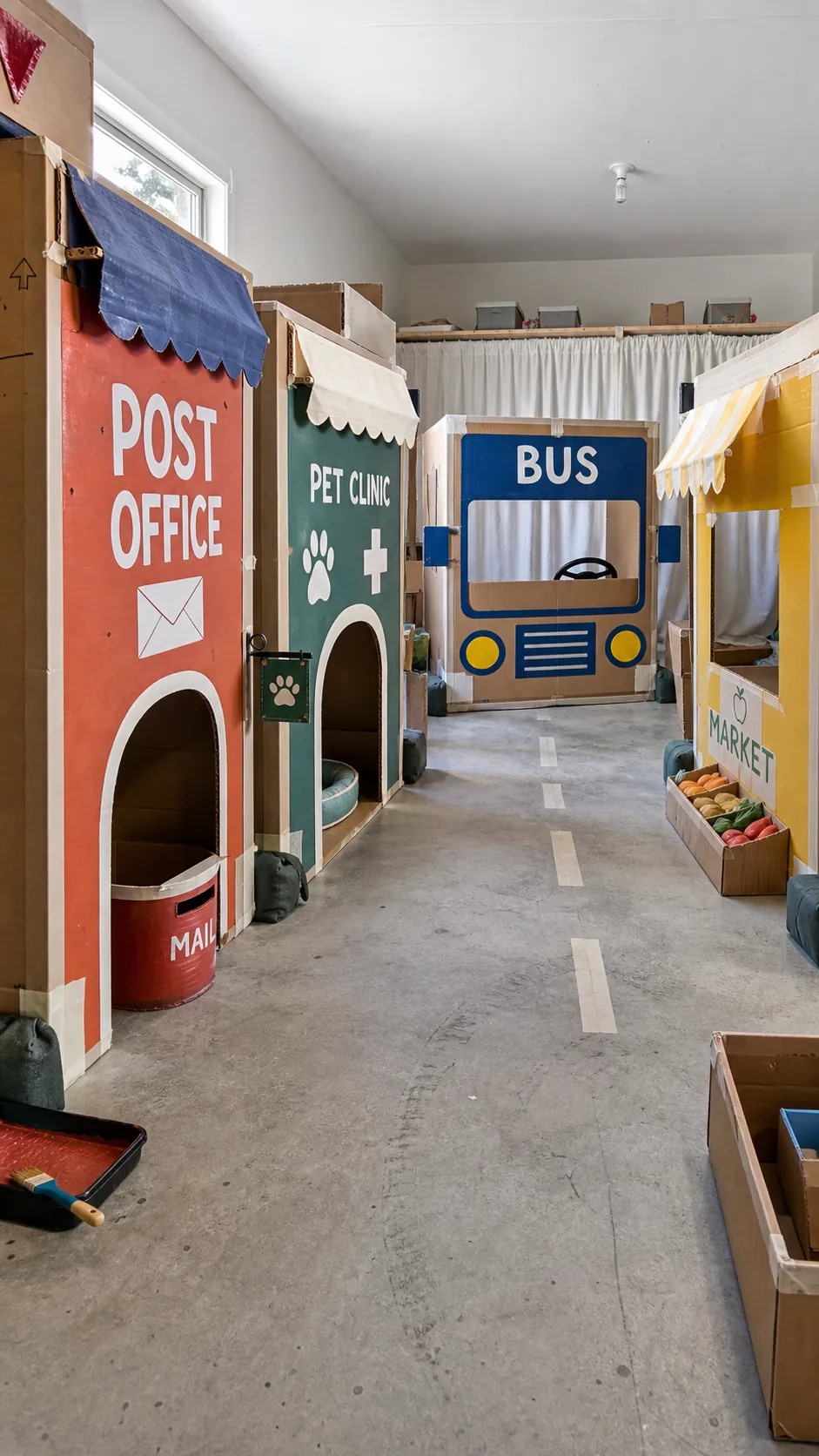
Set Up a Cardboard Box Town
Turn large boxes into a post office, pet clinic, bus, and tiny shop using broad painted shapes. The town encourages cooperative pretend play and fills visual space without requiring many small toys.
Cut wide openings, tape every edge, and remove staples. Keep roofs open so adults can see inside, and weight tall facades from behind so they cannot fall forward.
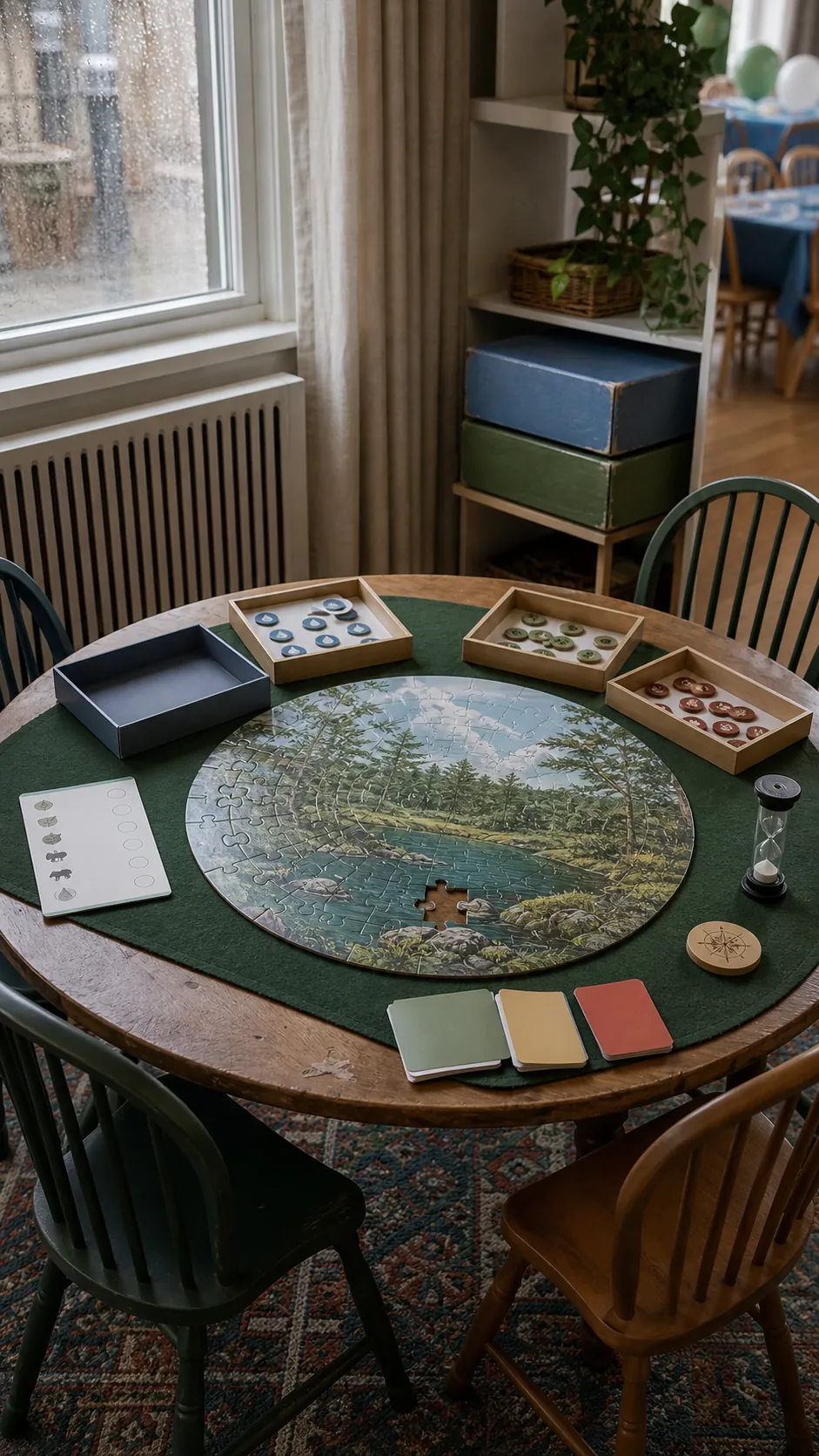
Offer a Puzzle and Board Game Table
For school-age guests, choose two fast cooperative games and one large puzzle with no tiny pieces. Display only one game at a time so instructions stay manageable and components do not mix.
An adult or older helper can start each round. This station works particularly well during arrivals, food preparation, or the final fifteen minutes before pickup.
Make a Ball Run Discovery Wall
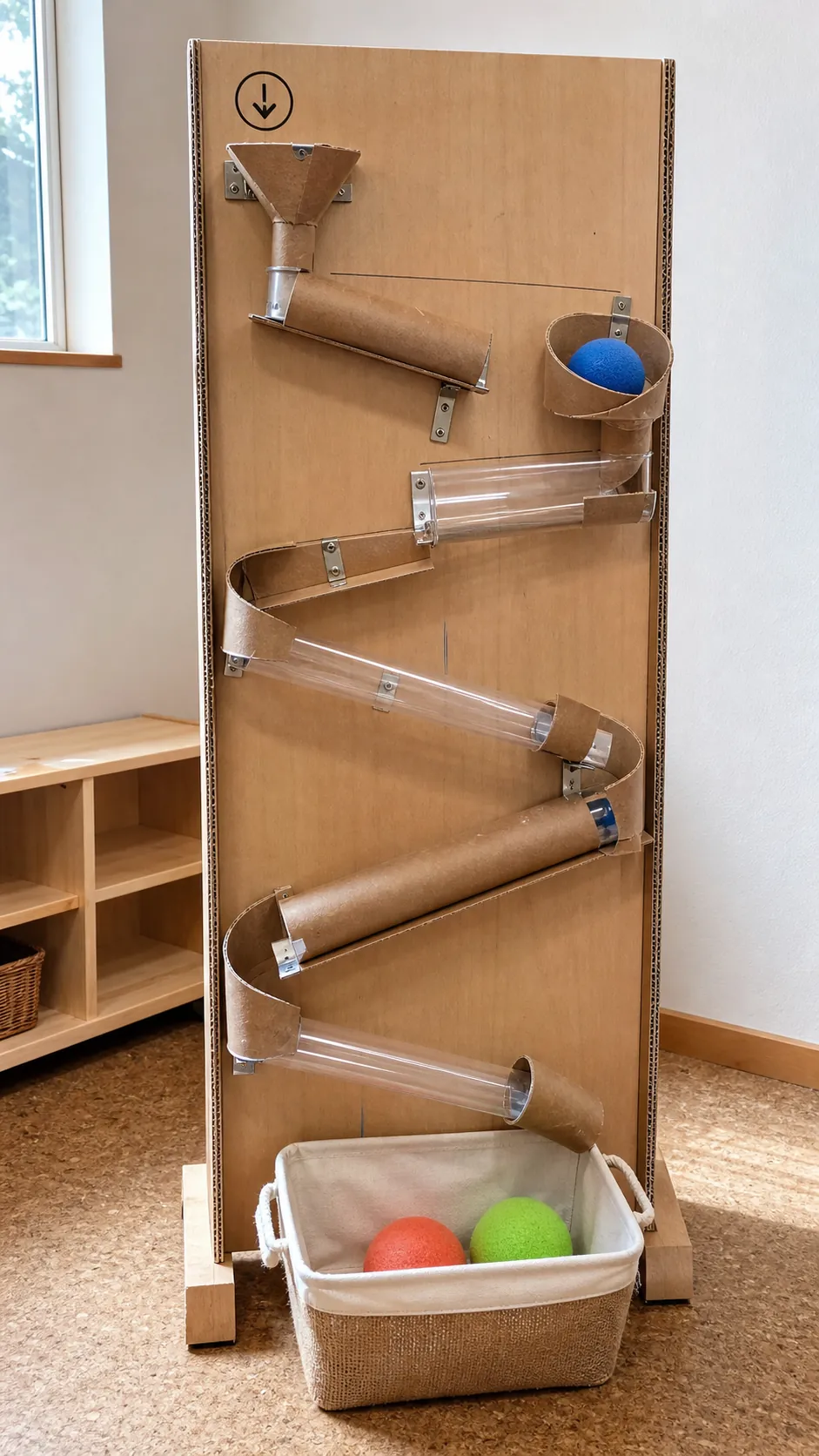
Attach wide cardboard tubes and ramps to a protected freestanding panel so children can send large soft balls through different paths. The activity has movement without requiring children themselves to run.
Use balls too large to swallow, keep ramps below face height, and provide a collection basket. Test every joint so tubes cannot detach when pulled.
Plan a Cake Moment Outside the Play Zone
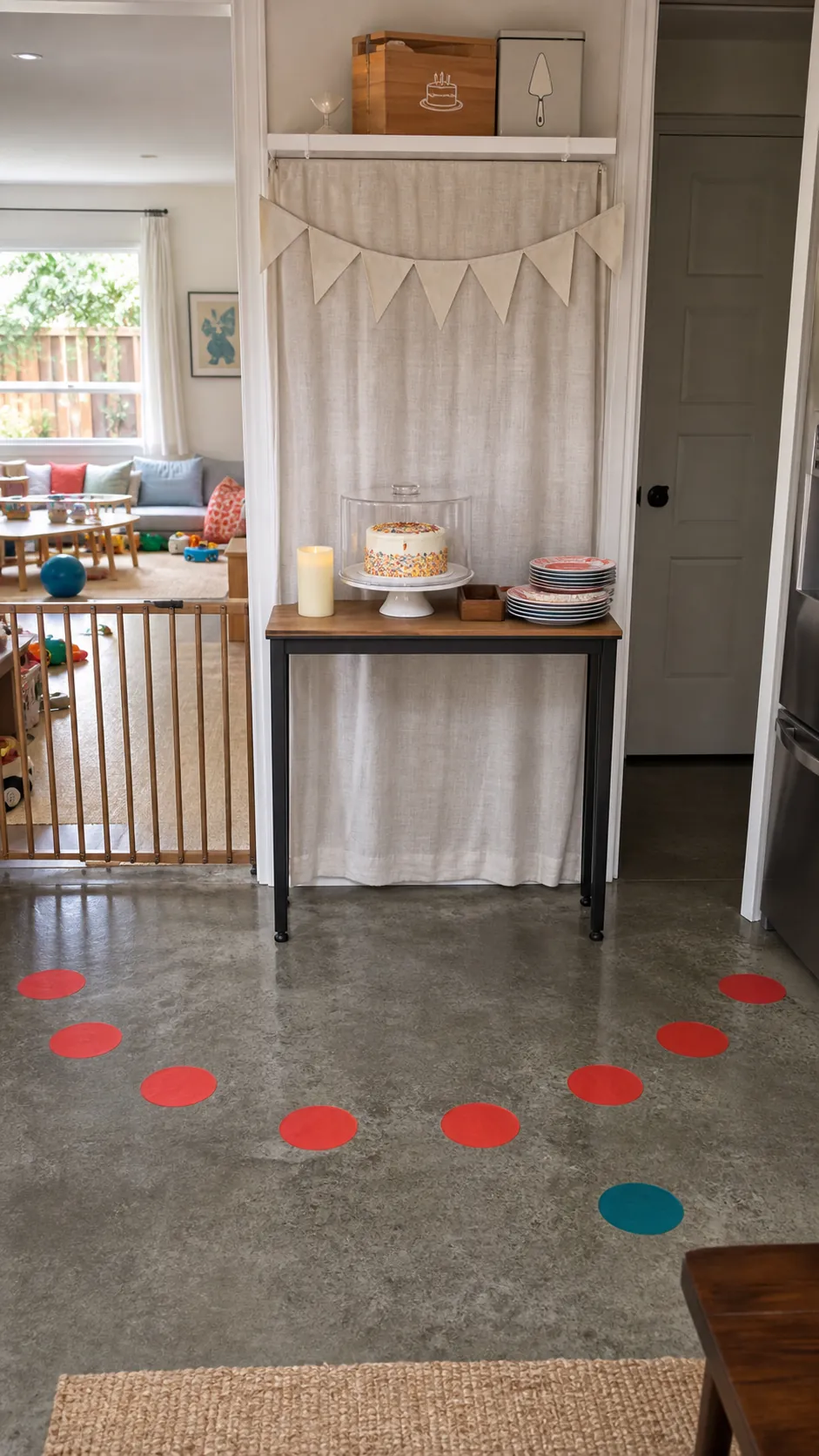
Put the cake on an adult-height table just beyond the playroom gate or boundary, then bring it forward only for singing. This prevents curious hands, stray balls, and craft supplies from reaching food.
Mark a standing semicircle for guests and use an LED candle if open flame is unsafe. Pre-cut serving pieces in the kitchen to shorten the transition back to play.
Reserve Comfortable Seating for Adults
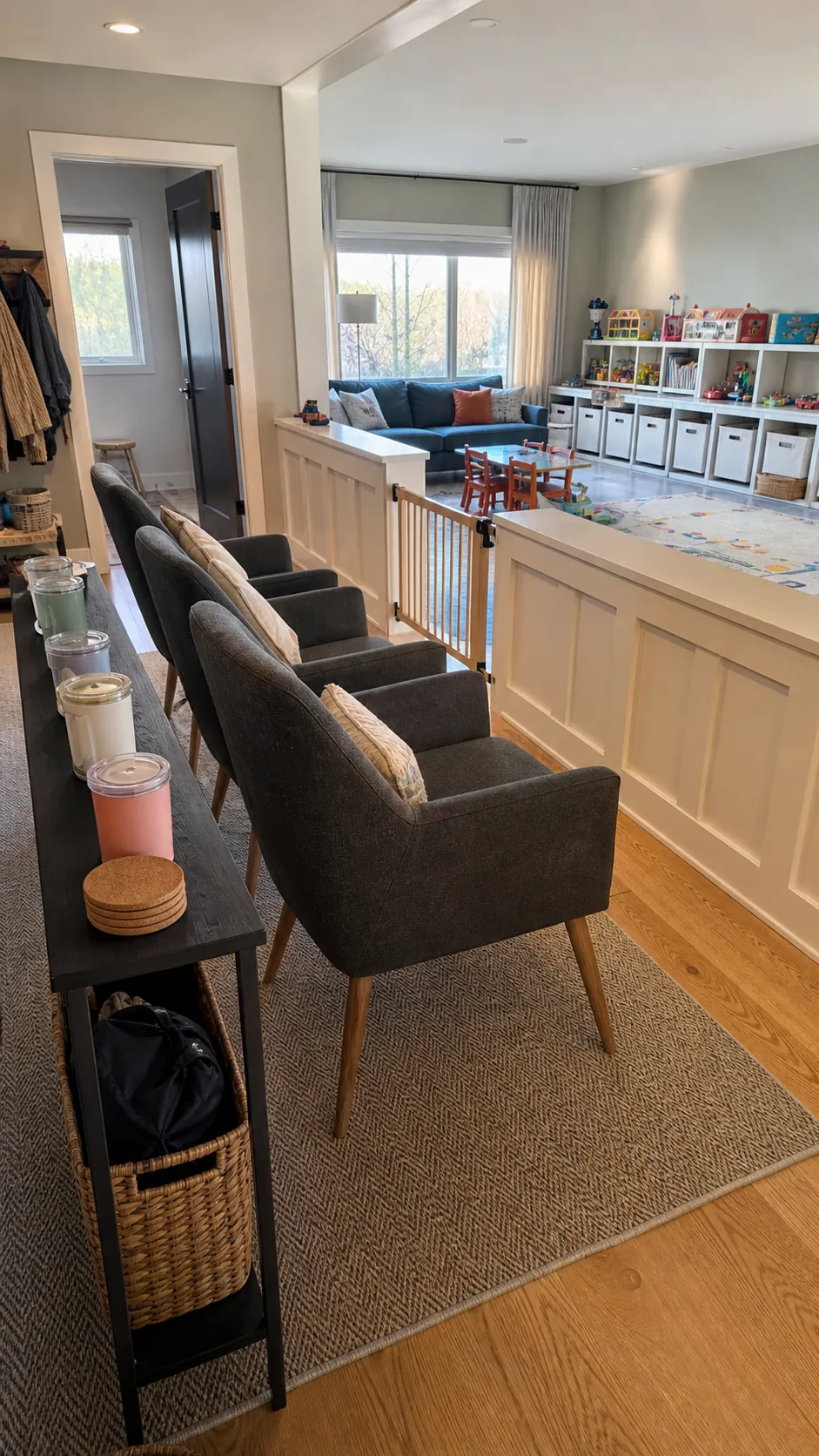
Place a small row of real chairs where caregivers can see the room without sitting inside children’s pathways. A narrow drink station nearby prevents cups from appearing on toy shelves or the floor.
Do not sacrifice every adult seat for decor. Comfortable, observant caregivers improve supervision and make an at-home party feel less awkward for families who stay.
Use a Visible Party Timeline
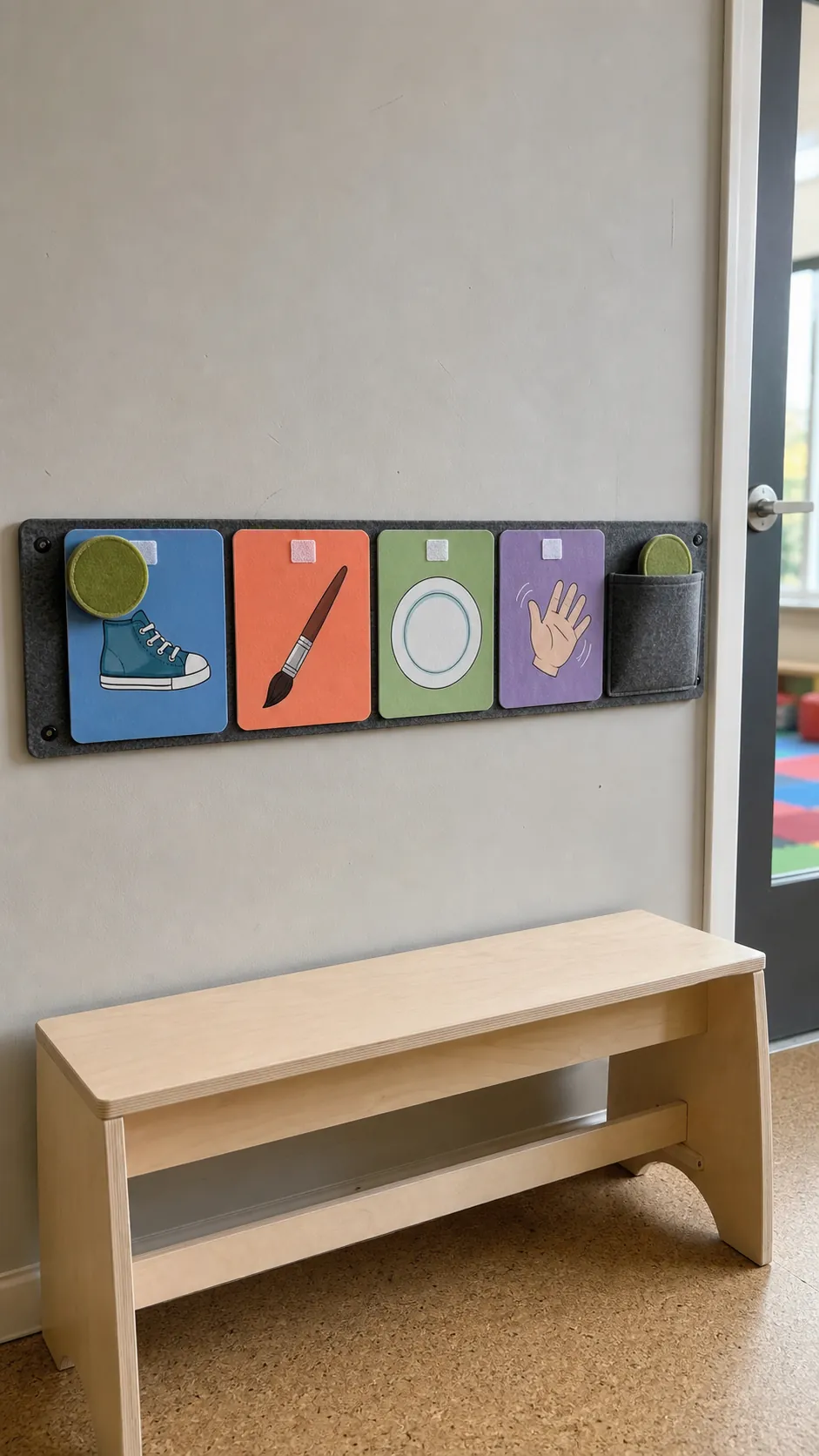
Display four picture cards—arrival play, activity, food, and goodbye—on a low wall strip. Children who know what is coming next often handle transitions more easily, and adults do not need to repeat the schedule constantly.
Turn over each card as the party moves forward. Keep the timeline flexible, but protect the final food and pickup window so the event does not stretch beyond everyone’s energy.
Finish With a One-Basket Cleanup System
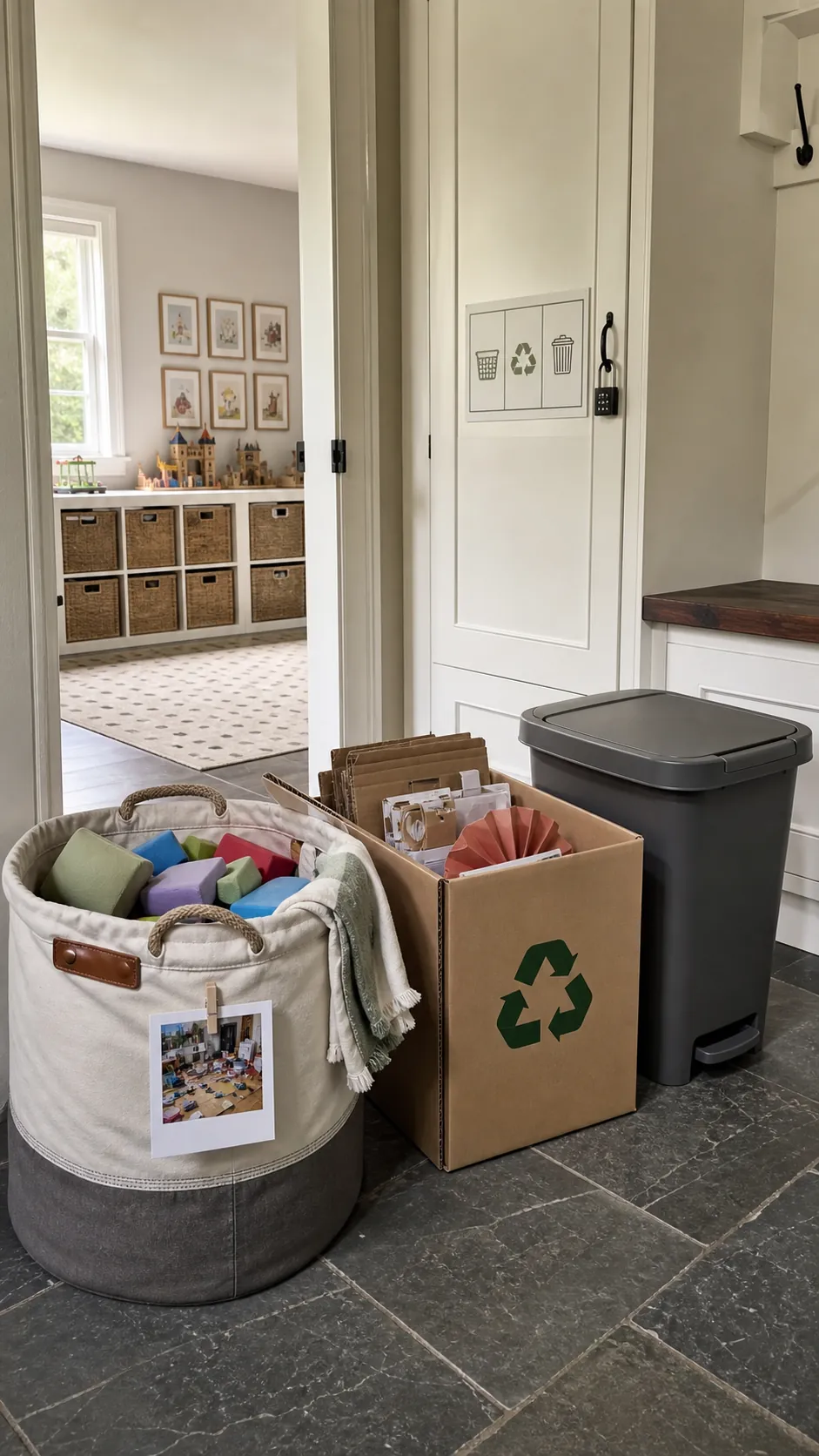
Before guests arrive, place one large laundry basket, one recycling box, and a lidded trash bin outside the active play area. When the party ends, return borrowed toys to the basket, flatten paper decor into recycling, and remove food waste first.
The best home party setup is the one that resets easily. Photograph each zone before guests arrive so helpers know where items belong, keep cleaning supplies locked away until children leave, and save only decorations that have a clear future use.