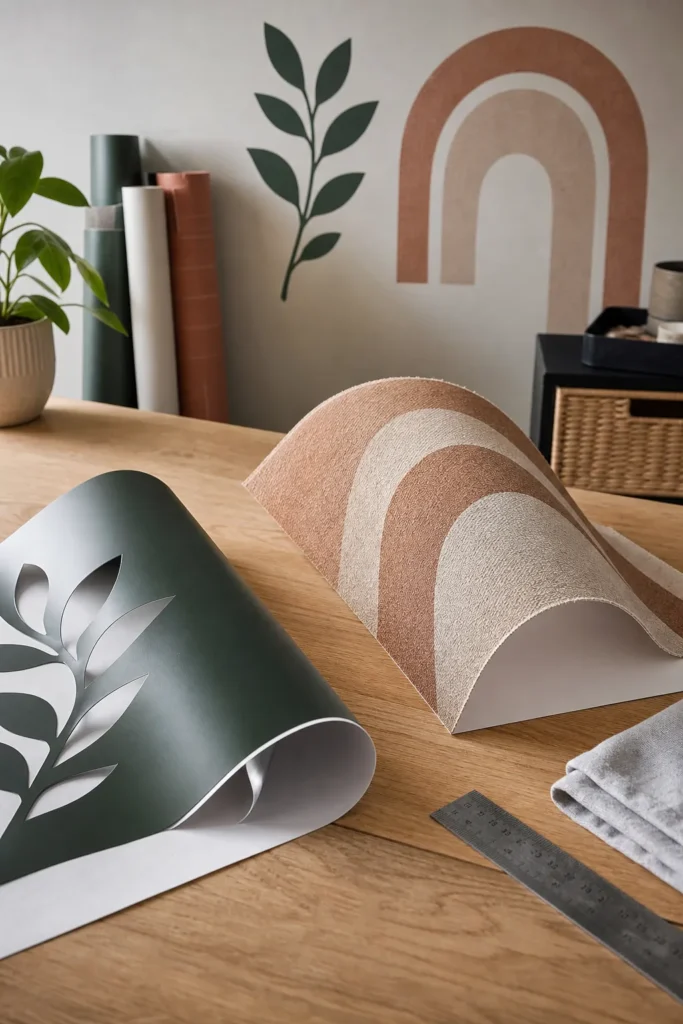
Vinyl vs Fabric Wall Decals: Which Should You Choose?
The short answer in the vinyl vs fabric wall decals debate is straightforward: choose removable vinyl for crisp shapes, wipeable graphics, and a lower-cost one-time installation; choose woven fabric when easier repositioning, a softer matte finish, and better resistance to stretching matter more. Neither material is automatically safe for every painted wall, and neither can compensate for loose paint or deep texture.
The best material for wall decals depends on five things: your surface, design detail, installation confidence, reuse plans, and material preferences. This comparison separates those decisions so you can order the right product instead of relying on a vague “renter-friendly” claim.
Vinyl and fabric decals at a glance
| Decision | Removable vinyl | Woven fabric |
|---|---|---|
| Surface feel | Smooth film; matte, satin, or gloss | Soft, woven, usually matte |
| Fine die-cut detail | Usually excellent | Good, but very fine pieces depend on construction |
| Repositioning | Product-specific; thin pieces can stretch | Often easier because the face is dimensionally stable |
| Reuse | Often removable but not reusable | More reusable options, with careful handling |
| Cleaning | Often easier to wipe | Check ink and coating instructions |
| PVC-free availability | Available, but verify the film | Common in polyester fabric products |
| Typical cost | Often lower | Often higher |
What removable vinyl decals do best
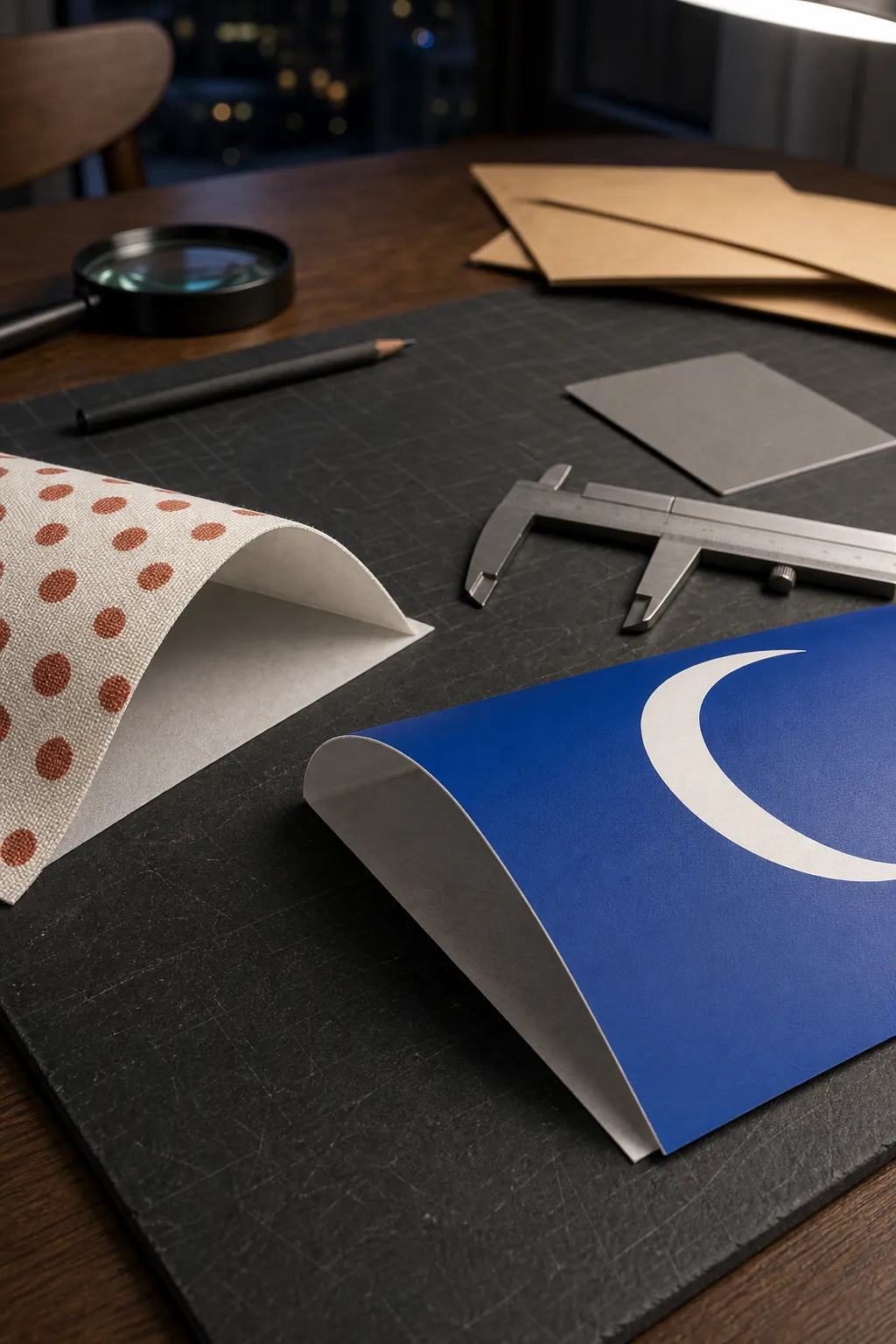
Vinyl wall stickers use a flexible plastic film, commonly PVC, paired with a pressure-sensitive adhesive and release liner. The film can be colored through, cut into lettering, or printed with full-color artwork. Its smooth surface makes narrow stems, small type, sharp geometric edges, and intricate silhouettes possible.
Vinyl is usually the stronger choice for precise die-cut designs. Quote lettering, office logos, simple silhouettes, labels, and clean modern graphics benefit from a film that cuts predictably and transfers as a coordinated group. Many vinyl surfaces also tolerate gentle wiping better than an uncoated textile face, although the printed ink and laminate still determine cleaning limits.
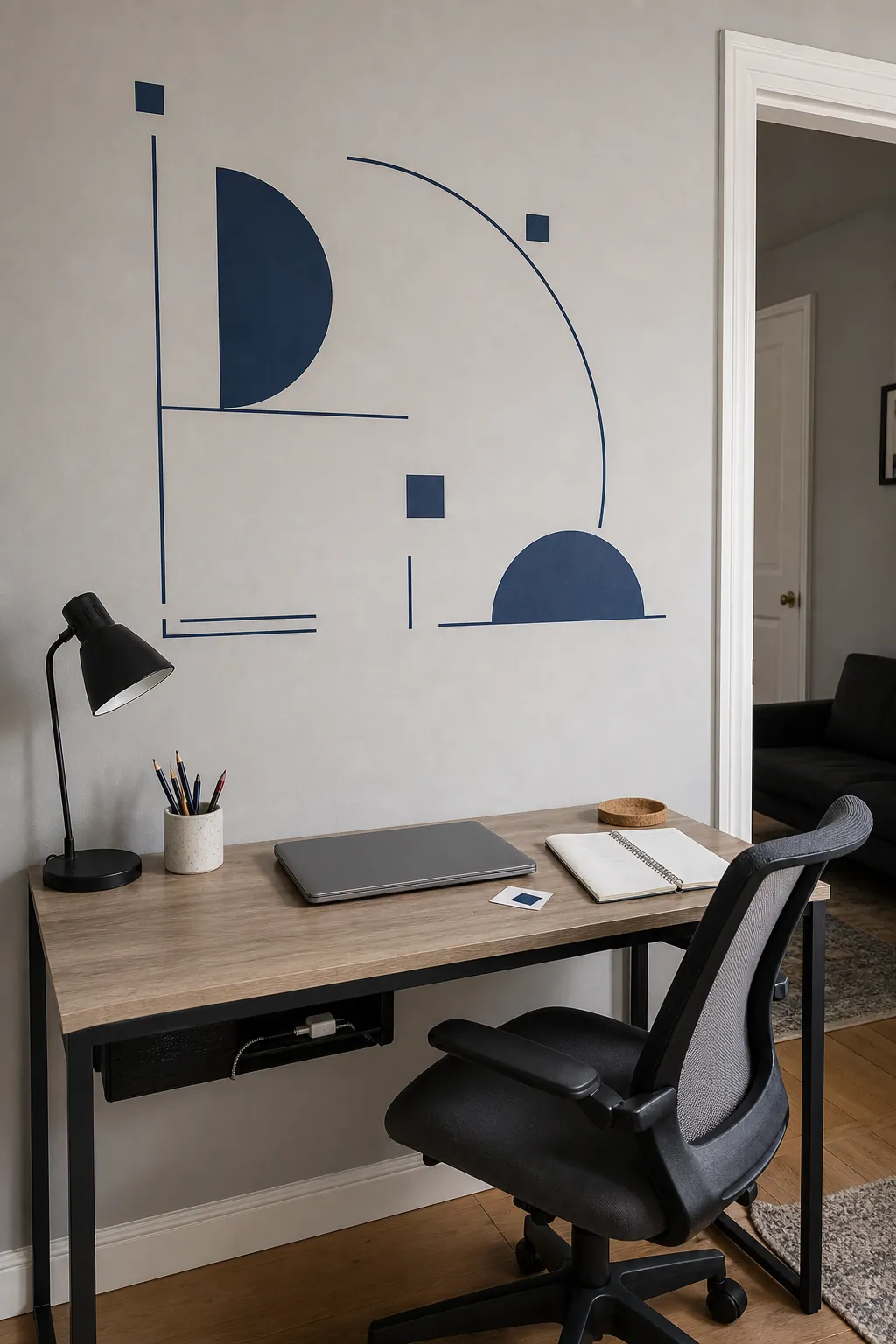
The tradeoff is handling. Thin removable vinyl decals can stretch, fold onto themselves, or pick up dust during lifting. A product can be removable after one installation without being designed for reuse. Large single-piece graphics may also trap bubbles more readily than a heavier woven material in inexperienced hands.
What fabric wall decals do best
Fabric wall stickers are commonly made from woven polyester with a removable or repositionable adhesive. The weave produces a soft, non-reflective surface and gives the face more dimensional stability. When you lift a large piece, it is less likely to stretch into a new shape than very thin vinyl.
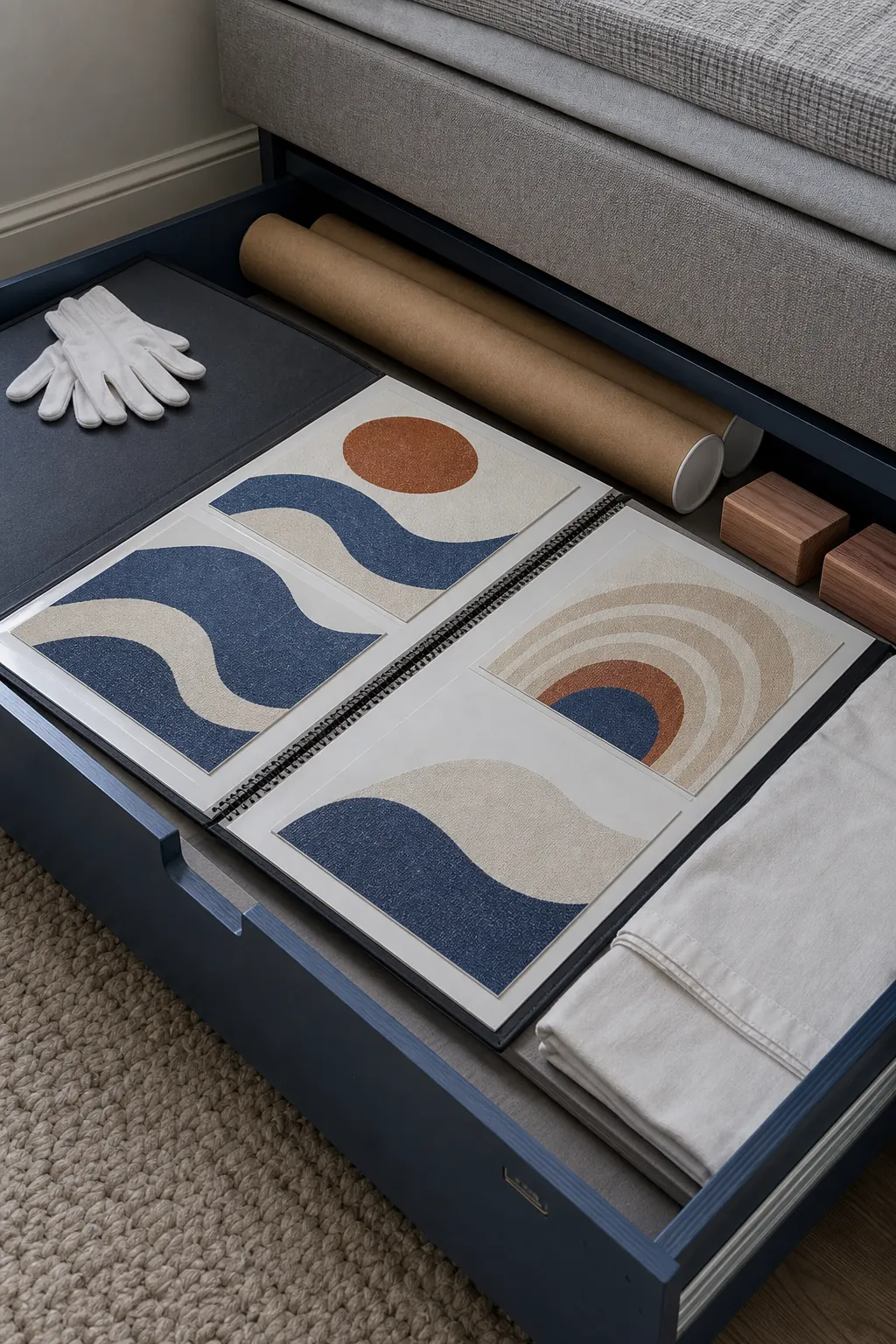
That stability makes matte fabric wall decals appealing for nurseries, rental homes, classrooms, and designs that may move. Many are easier to peel back during installation when alignment is wrong. Some reusable fabric decals can be stored on their original liner and reapplied, though dust, skin oils, folded corners, and repeated handling still reduce real-world performance.
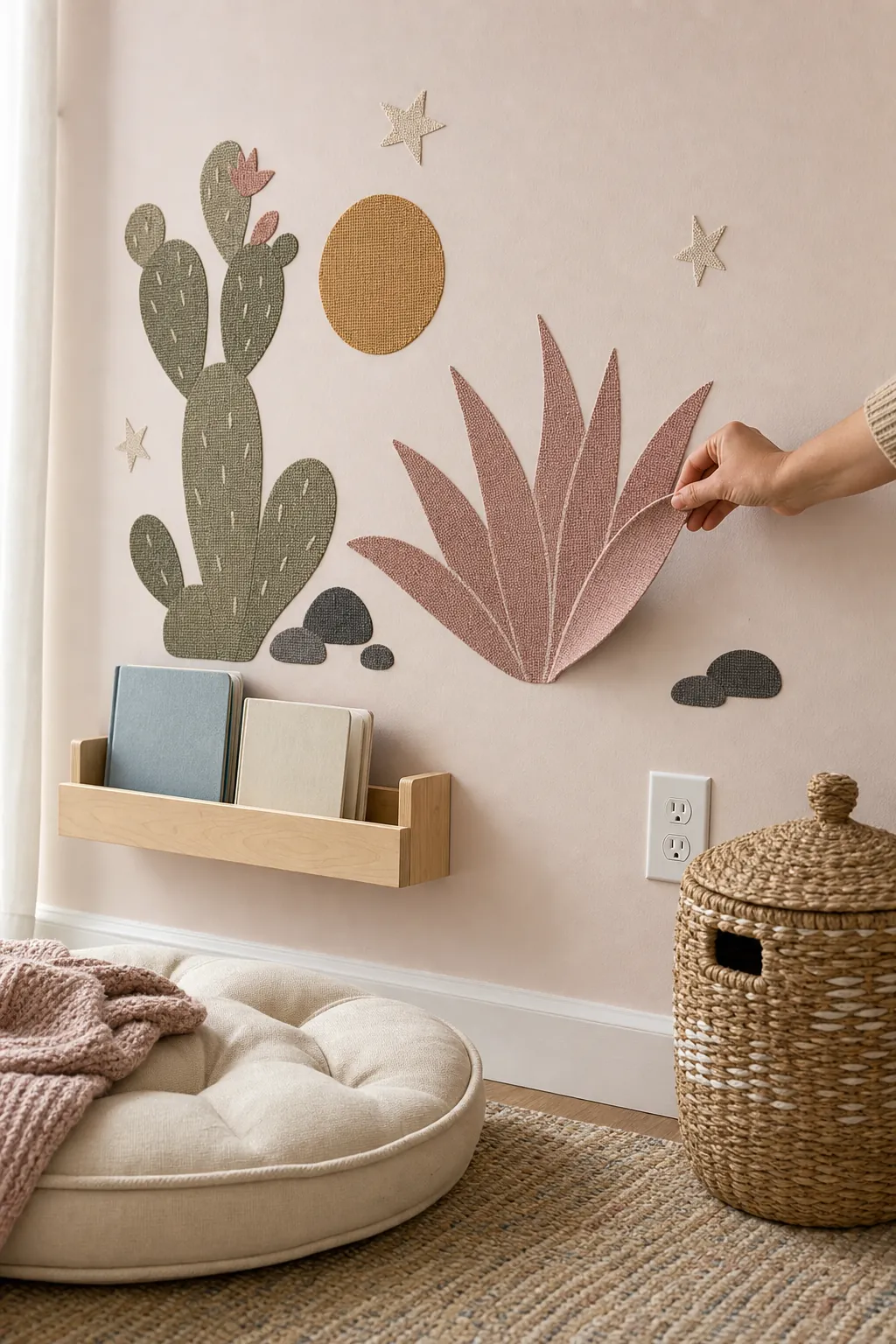
Fabric is not a magic fix for every rough wall. A thicker face may bridge very mild texture more gracefully, but the adhesive still needs meaningful contact. Deep orange peel, knockdown texture, brick, powdery paint, and uneven plaster can defeat either material. Fabric also costs more in many product lines, and a woven face may not create the same razor-thin lettering as cut vinyl.
The adhesive matters more than the headline material
“Vinyl” and “fabric” describe the face stock. They do not tell you whether the adhesive is permanent, removable, low tack, repositionable, or intended for a specific paint system. A permanent vinyl sign film can damage a wall; a properly specified removable vinyl may release cleanly. Likewise, a fabric face backed with the wrong adhesive is not renter-safe simply because it feels like cloth.
Before buying, ask for the face material, adhesive type, approved surfaces, expected indoor life, fresh-paint wait time, cleaning instructions, and whether “reusable” is explicitly supported. If the seller cannot distinguish removable from repositionable, treat reuse claims cautiously.
Which material works on textured walls?
Mild texture creates a judgment call. Fabric may conform or bridge small irregularities with fewer visible ripples, while thin vinyl reveals every bump and may lift at the edges. Yet product construction varies so much that a sample test is more reliable than a material rule.
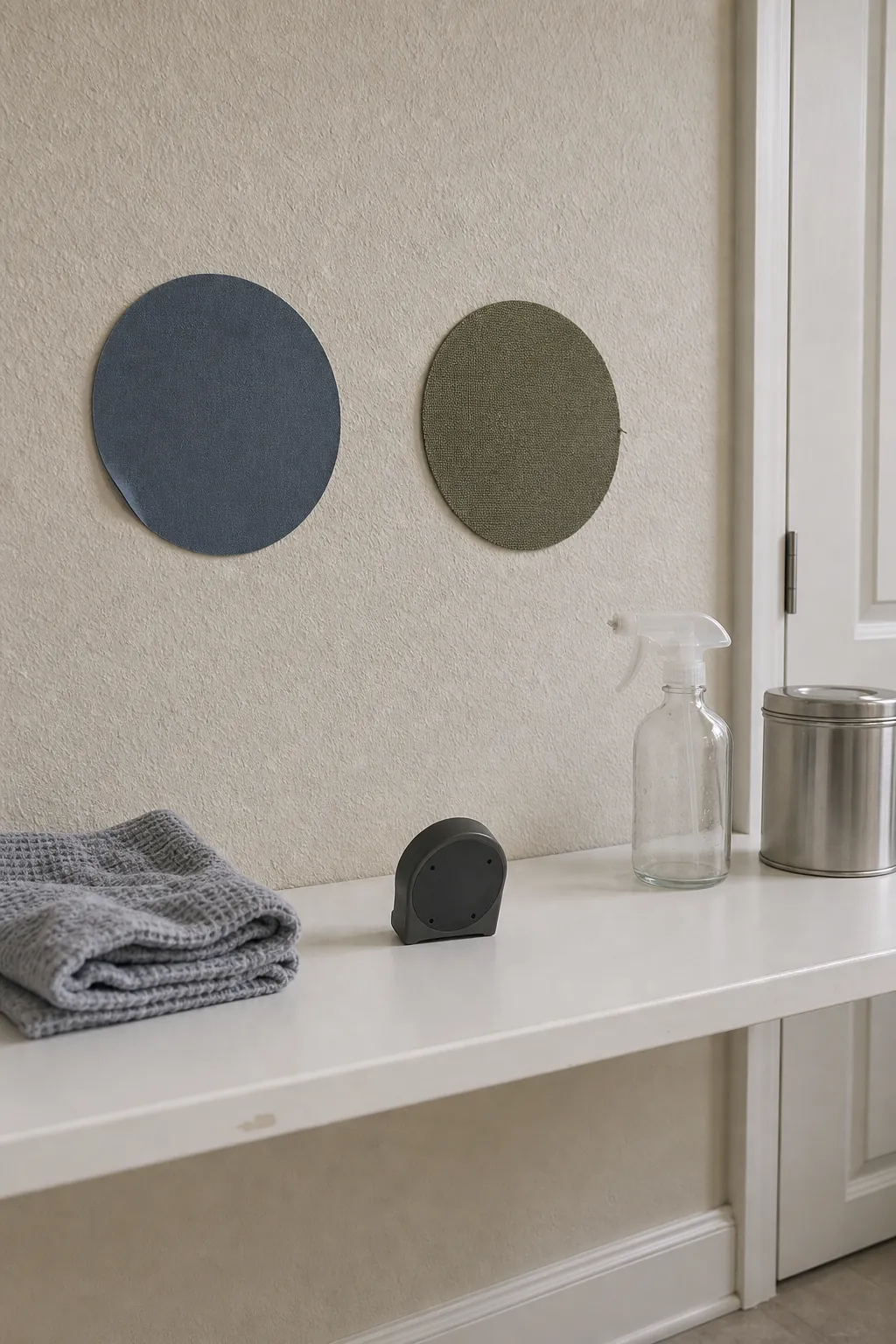
Order samples of both candidates and apply them to the exact wall. Let them remain for the seller’s recommended test period. Check edge lift, bubbling, visible texture, and removal behavior. A decal that survives five minutes may still fail after temperature changes or several days, so a meaningful dwell test matters.
Safety and PVC-free claims for nurseries
Parents often search for nursery safe wall decals, but material names are not safety certifications. Polyester fabric is generally a PVC-free face material, while conventional vinyl commonly contains PVC. PVC-free wall decals can also use alternative films, so verify the actual specification rather than assuming every non-fabric decal contains the same chemistry.
Ask about inks, coatings, adhesive, relevant indoor-air or product testing, and fire classification when required. Install pieces where children cannot peel and mouth them, keep decals out of the crib, and follow the manufacturer’s age and placement guidance. “Non-toxic” without a named standard gives you less useful information than a specific material and certification statement.
Choose vinyl when these priorities lead
- You want fine lettering, crisp silhouettes, or intricate die-cut detail.
- The decal is a one-time installation rather than a design you expect to move.
- You need a surface that can be gently wiped according to the product instructions.
- Budget matters and a suitable removable vinyl is available.
- The wall is smooth, sound, clean, and compatible with the adhesive.
Choose fabric when these priorities lead
- You expect to reposition pieces during installation.
- You prefer a woven, low-glare, premium matte appearance.
- You want a product explicitly designed for limited reuse.
- You prefer a PVC-free polyester face and have verified the full product specification.
- You are installing larger individual motifs that benefit from a more dimensionally stable face.
The decision that prevents the most regret
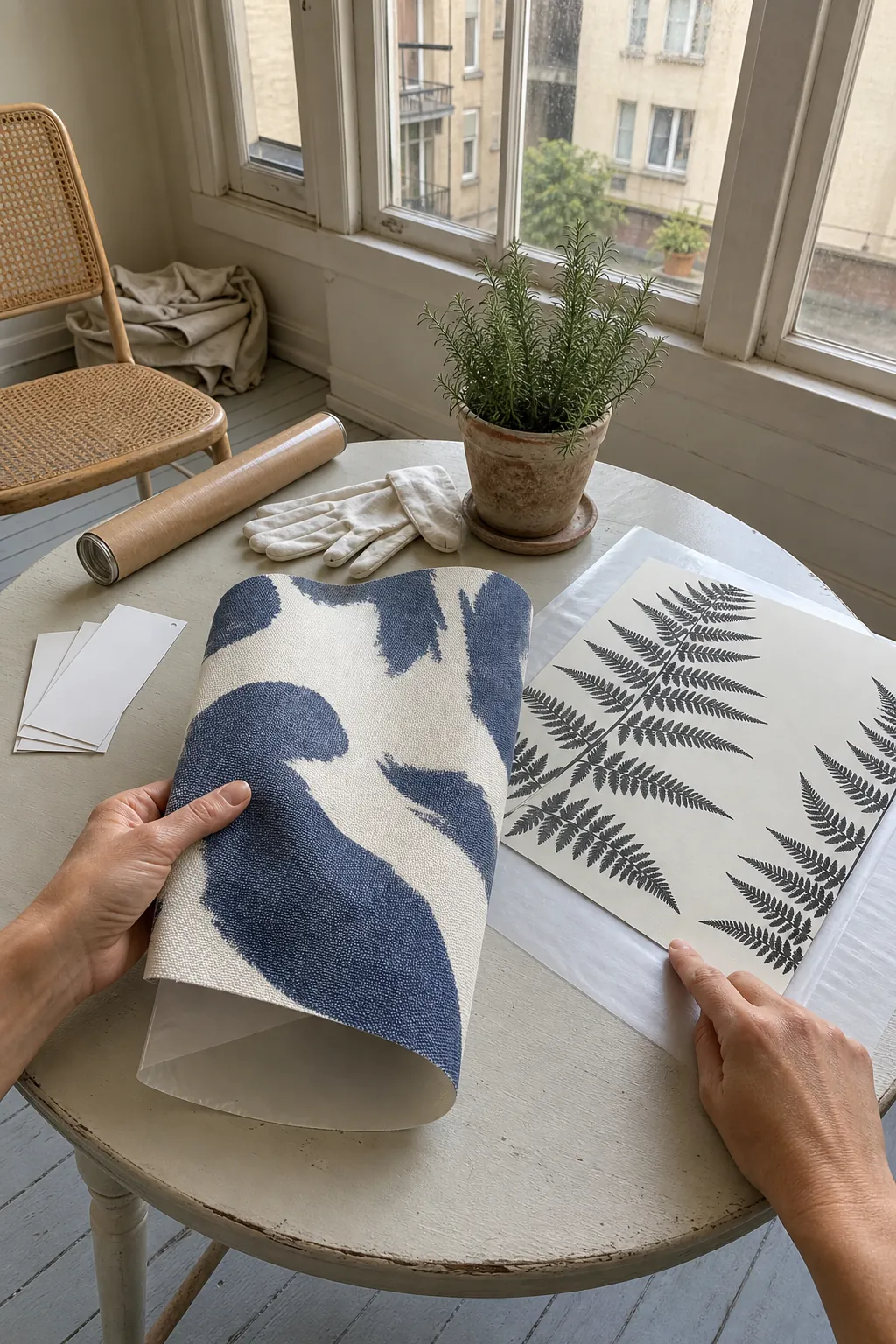
Do not buy by material name alone. Get samples, confirm the adhesive, test the actual painted surface, and handle both options at the size you plan to install. For most one-time crisp graphics, removable vinyl is the practical value choice. For designs that need forgiving placement or limited reuse, woven fabric usually earns its higher price. The wall still gets the final vote.