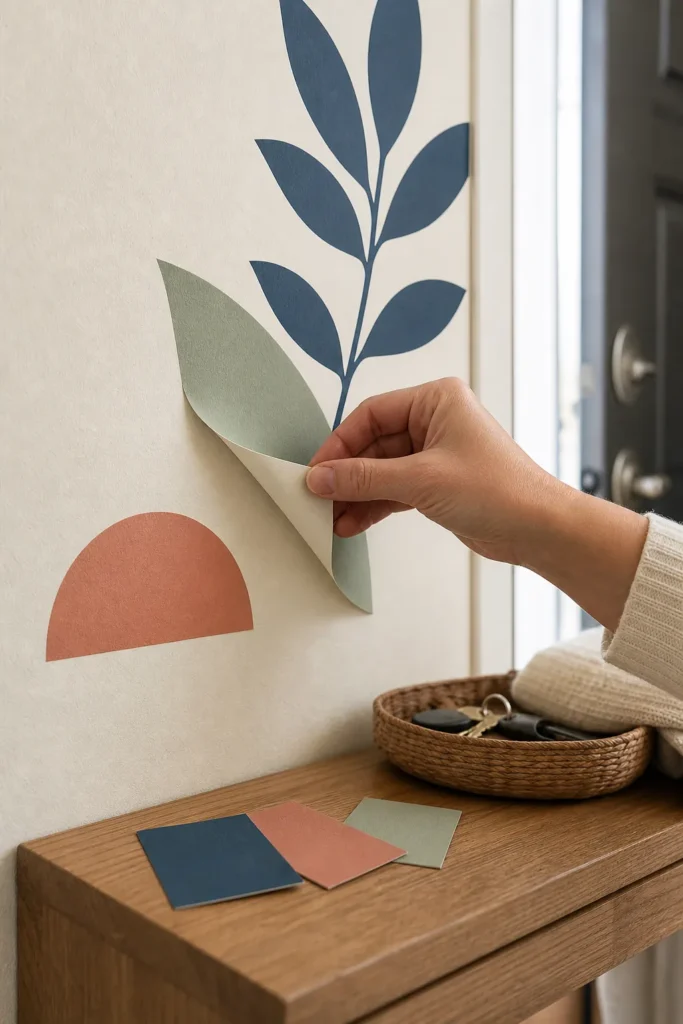
Will Wall Decals Damage Walls? Paint, Texture & Adhesive Guide
Wall decals do not usually damage a sound, fully cured, compatible painted wall when the decal uses removable adhesive and is removed correctly. But “removable” is not a promise that every wall will survive. Paint can peel when the decal-to-paint bond is stronger than the paint-to-primer or paint-to-drywall bond.
That is why two people can use the same renter-safe wall decal and get opposite results. One removes it cleanly; the other pulls away a sheet of latex paint. The decal matters, but the wall underneath often decides the outcome.
Think in three bonds, not one sticker
Every installation depends on three layers: the decal adhesive gripping the paint, the paint gripping primer or the previous finish, and that coating system gripping the wallboard or plaster. A low-tack decal can release cleanly only if the layers below it are stronger.
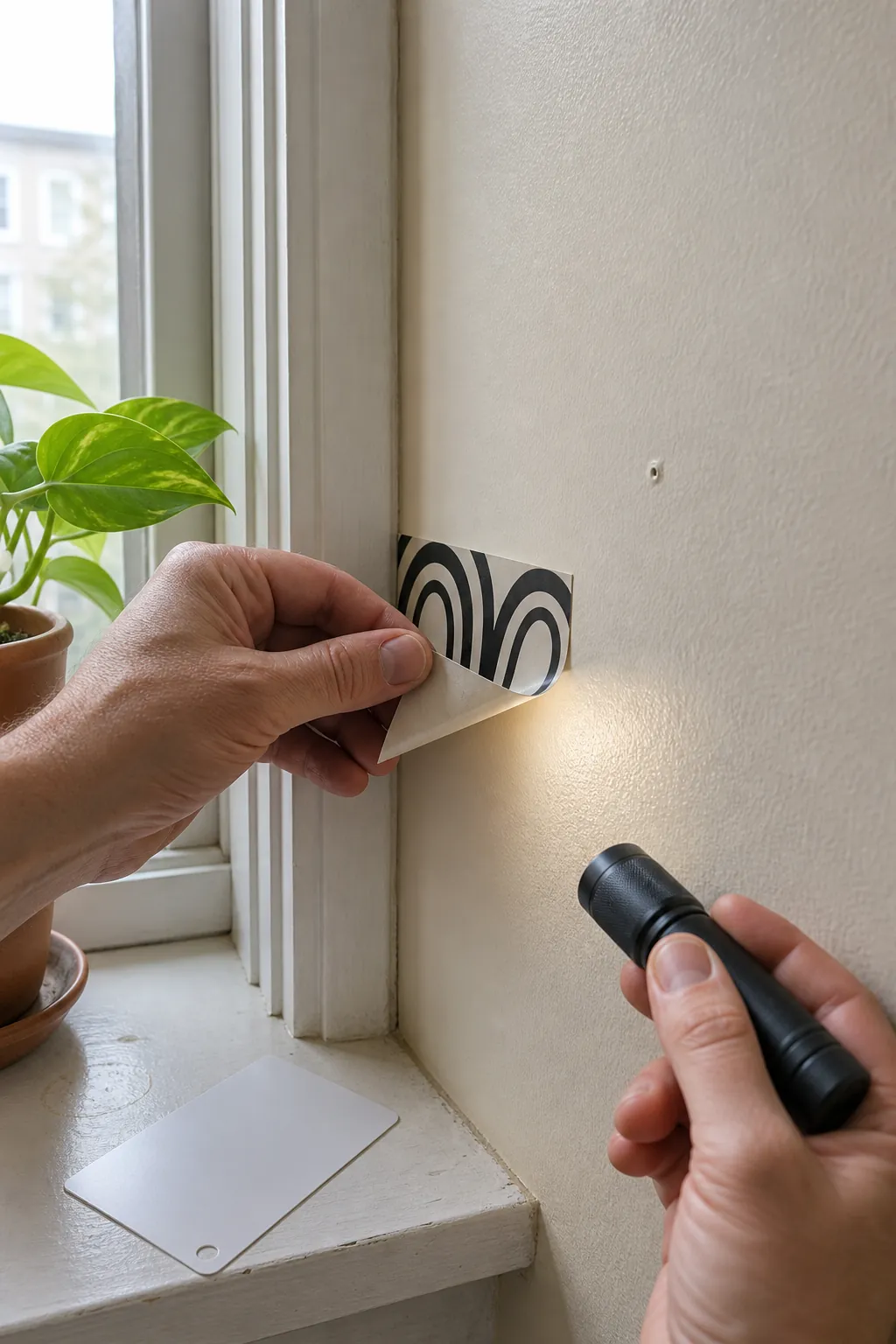
Weakness can hide until removal. Unprimed drywall paper, dusty plaster, chalky old paint, moisture, incompatible paint layers, or a rushed repaint can all reduce the wall’s internal bond. In those cases, the decal may be behaving exactly as designed while the paint fails underneath it.
Adhesive type changes the risk
Low-tack removable adhesive is normally the best choice for smooth, sound painted walls and temporary decor. Repositionable fabric or microsphere-style products may also reduce continuous adhesive contact, though every manufacturer uses different formulations.
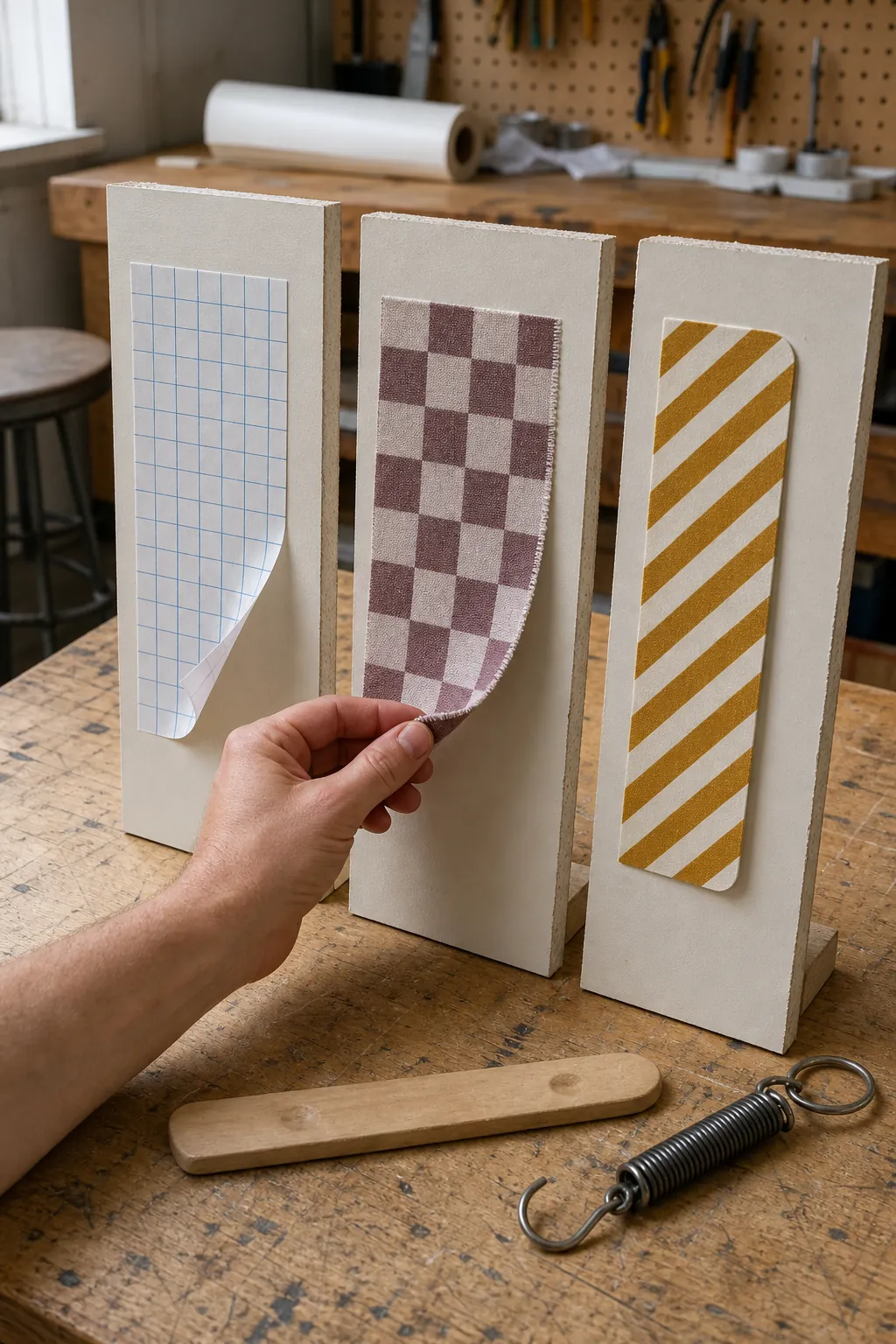
Permanent, high-tack, floor, outdoor, or general-purpose vinyl is a different product category. Stronger adhesive may be chosen because textured or difficult paint rejects low-tack film, but that extra grip also raises removal risk. A decal that sticks exceptionally well to a challenging wall is not automatically renter safe.
Read the product description for intended surfaces, application window, and removal method. If the seller only says “vinyl sticker” without identifying removable wall use, do not assume it behaves like a purpose-made wall decal.
Fresh paint needs cure time, not just dry time
Paint can feel dry while the coating is still curing. Applying a decal too early can trap moisture or other components leaving the finish, encourage bubbles, and create unpredictable adhesion. Guidance varies by the exact paint and film, so follow the paint manufacturer’s full cure time and the decal maker’s waiting period. Common recommendations range from at least a week to three or four weeks.
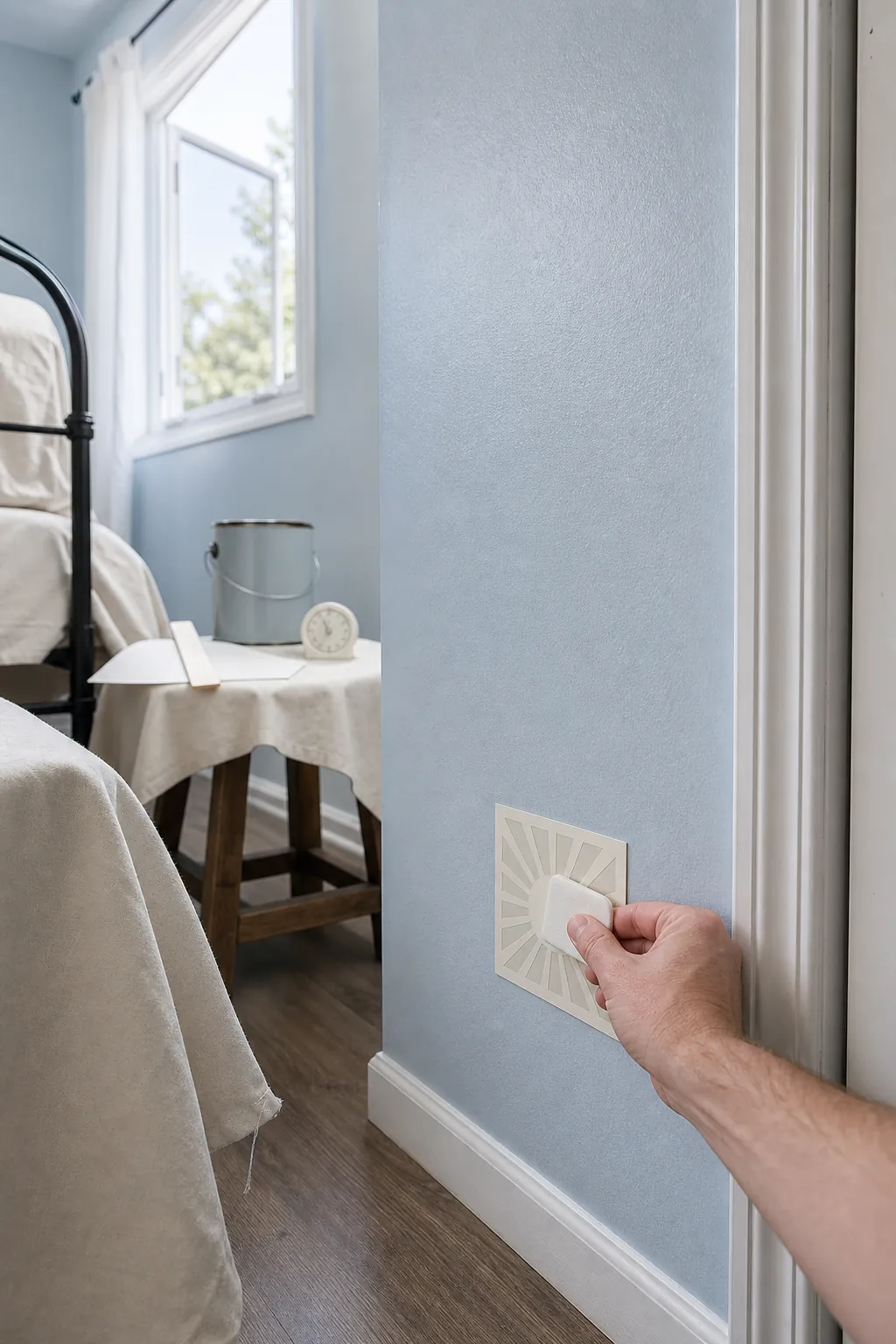
Temperature, humidity, paint thickness, ventilation, and formulation affect that schedule. A calendar shortcut is less reliable than the coating data sheet. If you cannot confirm when a rental was painted, treat it as an unknown surface and use a discreet test patch.
Paint finish and formulation affect both sticking and removal
Smoother satin and semi-gloss finishes often give vinyl a more uniform contact surface. Flat and matte finishes can be more porous, easier to mark, and more prone to visible burnishing during cleanup. Yet finish name alone cannot predict success; the quality of preparation underneath remains crucial.
Modern washable, stain-resistant, low-VOC, and zero-VOC paints can contain additives that make dirt—and sometimes adhesive—harder to grip. That may cause edge lifting, tempting buyers to use a higher-tack decal. The solution is not to keep escalating adhesive strength blindly. It is to match a tested wall-graphic material to the coating.
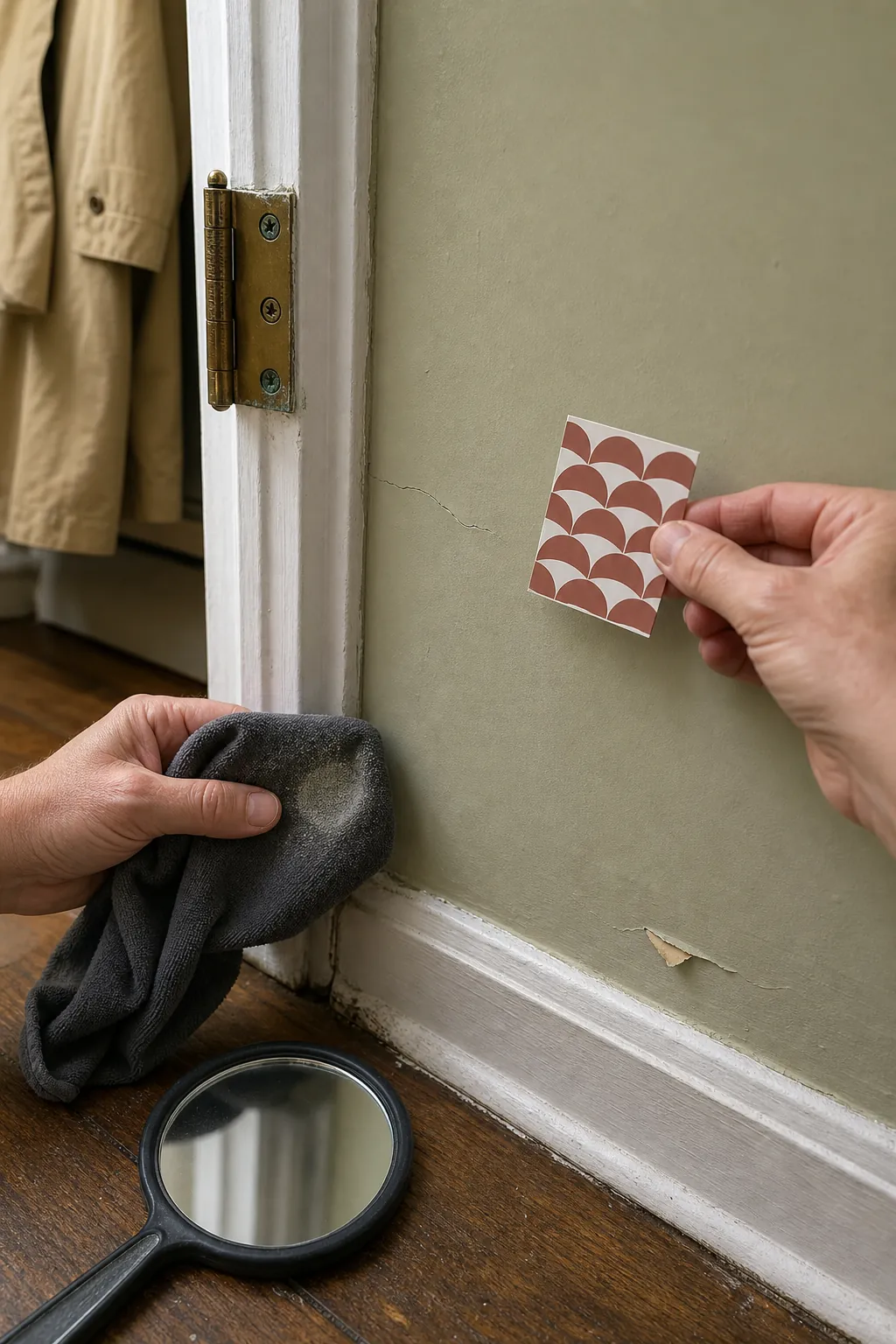
Old paint presents the opposite problem. It may be chalky, cracked, contaminated, or poorly bonded after multiple coats. Even gentle adhesive can pull weak layers together. Avoid decals over flaking areas, water stains, bubbles, soft drywall paper, or repairs that were never properly primed.
Texture reduces contact but creates another tradeoff
On orange-peel or lightly textured walls, adhesive touches the high spots rather than the entire surface. That reduced contact may make a decal easier to remove, but it can also cause premature lifting. Deep knockdown, rough plaster, brick, and cinderblock may not support standard removable vinyl at all.
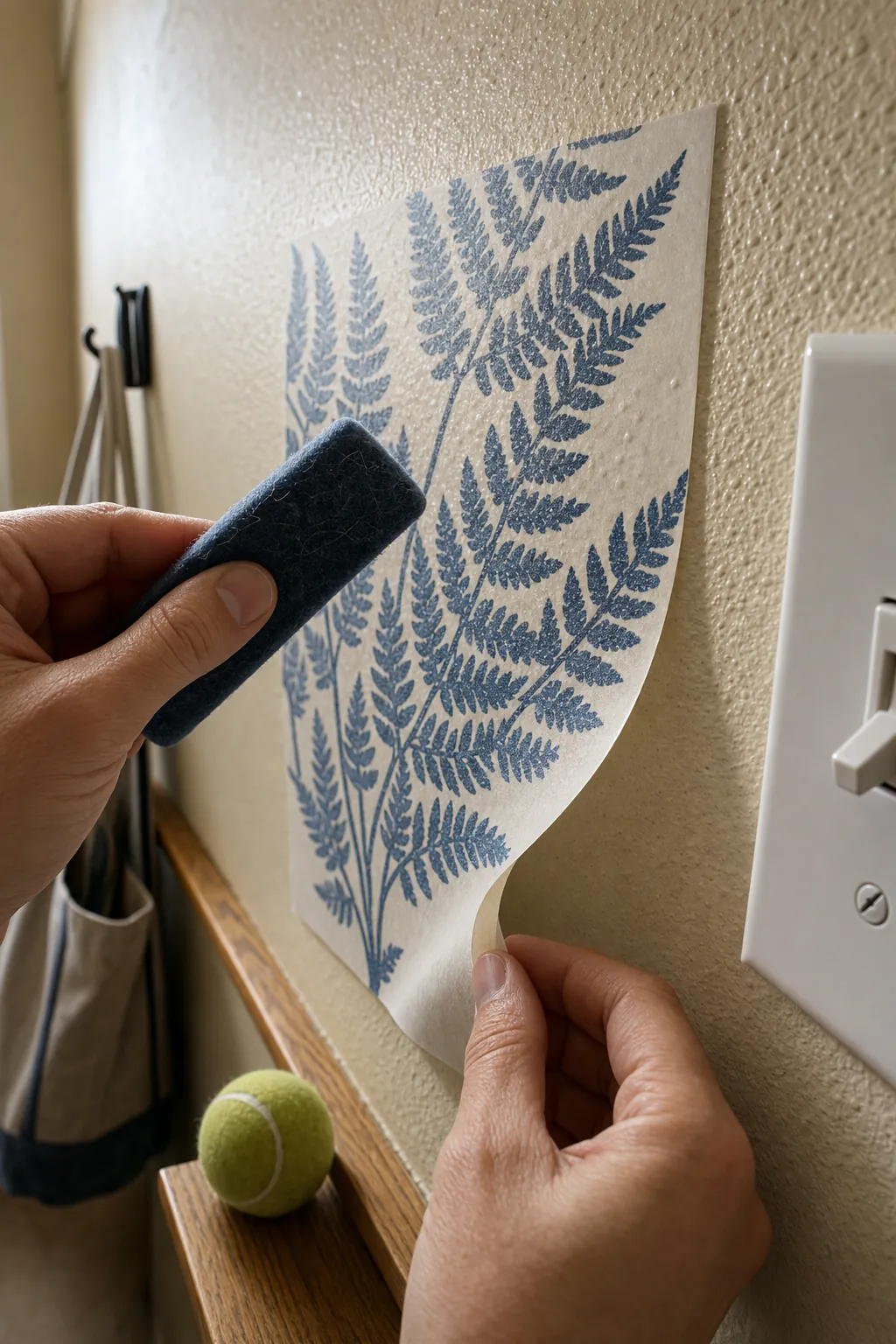
A high-tack film may bridge texture better, but stronger adhesion can increase paint damage risk at each high point. The safer decision is to use a product specifically rated for that texture and test it. Do not force a smooth-wall decal to perform by pressing harder, heating it aggressively, or adding spray adhesive.
A real test patch includes removal
Testing only whether a decal sticks answers half the question. Apply a sample in a hidden location using the manufacturer’s directions. Leave it for the recommended evaluation period—often at least 24 hours for compatibility screening—then remove it using the prescribed technique.
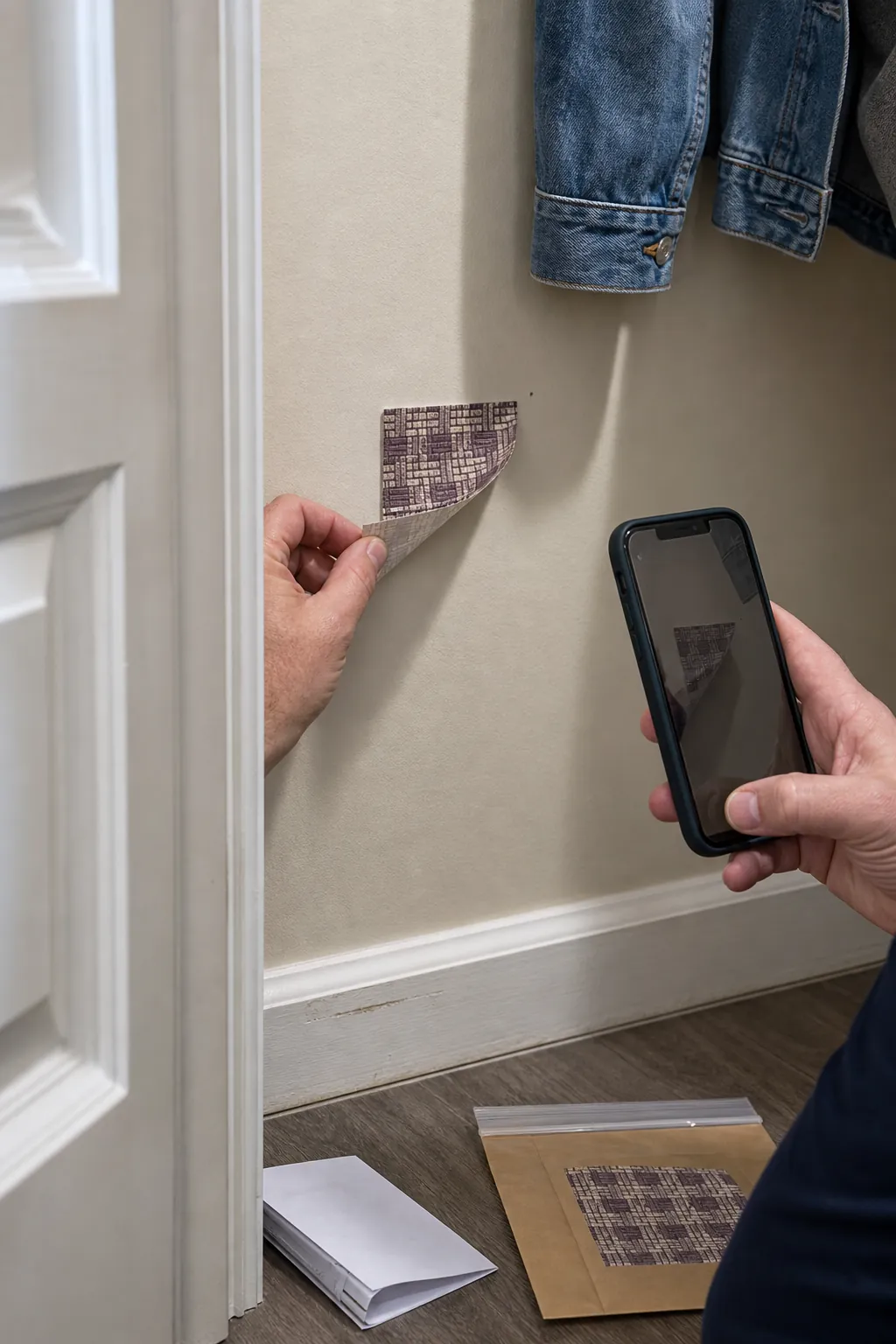
- Reject the surface if paint transfers to the sample.
- Reject the product if the wall becomes tacky, stained, glossy, or softened.
- Reconsider placement if edges lift quickly or texture prevents reliable contact.
- Document existing wall flaws before installation in a rental.
For removal, go slowly and keep the loose film close to the wall. Mild hair-dryer warmth can help some products, but follow the decal maker’s instructions and avoid overheating paint. Stop when paint flexes with the film.
The honest answer is conditional
Do wall decals damage walls? They can, but the label alone does not determine the result. A purpose-made removable decal on clean, sound, fully cured compatible paint is the lowest-risk combination. Permanent adhesive, fragile old coatings, fresh paint, moisture damage, or an untested textured surface moves the odds in the wrong direction.
For renters, the best protection is not a louder “damage-free” claim. It is a documented wall inspection, the correct adhesive type, a full cure window, a hidden installation-and-removal test, and a slow removal plan. If the test patch lifts paint, believe the wall—not the packaging.