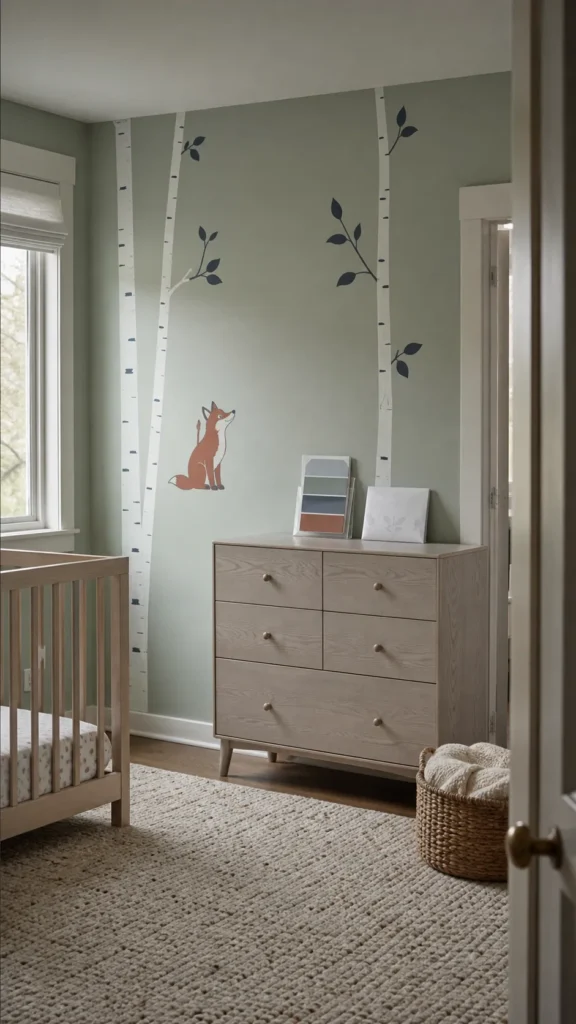
Can You Put Wall Decals on Freshly Painted Walls?
You can put wall decals on painted walls, but not while the paint is merely dry to the touch. Fresh paint needs time to cure into a harder, more stable film. Applying peel-and-stick decor too soon can cause weak decal adhesion, trapped moisture, discoloration, or paint lifting when you reposition or remove the vinyl.
There is no honest universal wait time. Some interior paints list a full cure in about two weeks; other manufacturers advise treating freshly painted walls gently for roughly a month. Temperature, humidity, ventilation, coat thickness, primer, and the condition of the underlying wall all matter. The safest answer is to use the longer requirement from the paint maker and decal maker, then perform a discreet adhesion-and-removal test.
Dry paint and cured paint are different
Paint can become touch-dry quickly enough for a second coat while still being soft beneath the surface. During cure, water or solvents continue leaving the coating and its resin network develops resistance to pressure, washing, blocking, and abrasion. A decal adds a broad adhesive film over that young coating and may slow evaporation locally.
This is why “the wall feels dry” is not a reliable green light. If a fingernail, furniture edge, or gentle cleaning can still mark the finish, a vinyl graphic should wait. Recoat time describes painting; cure time describes service.
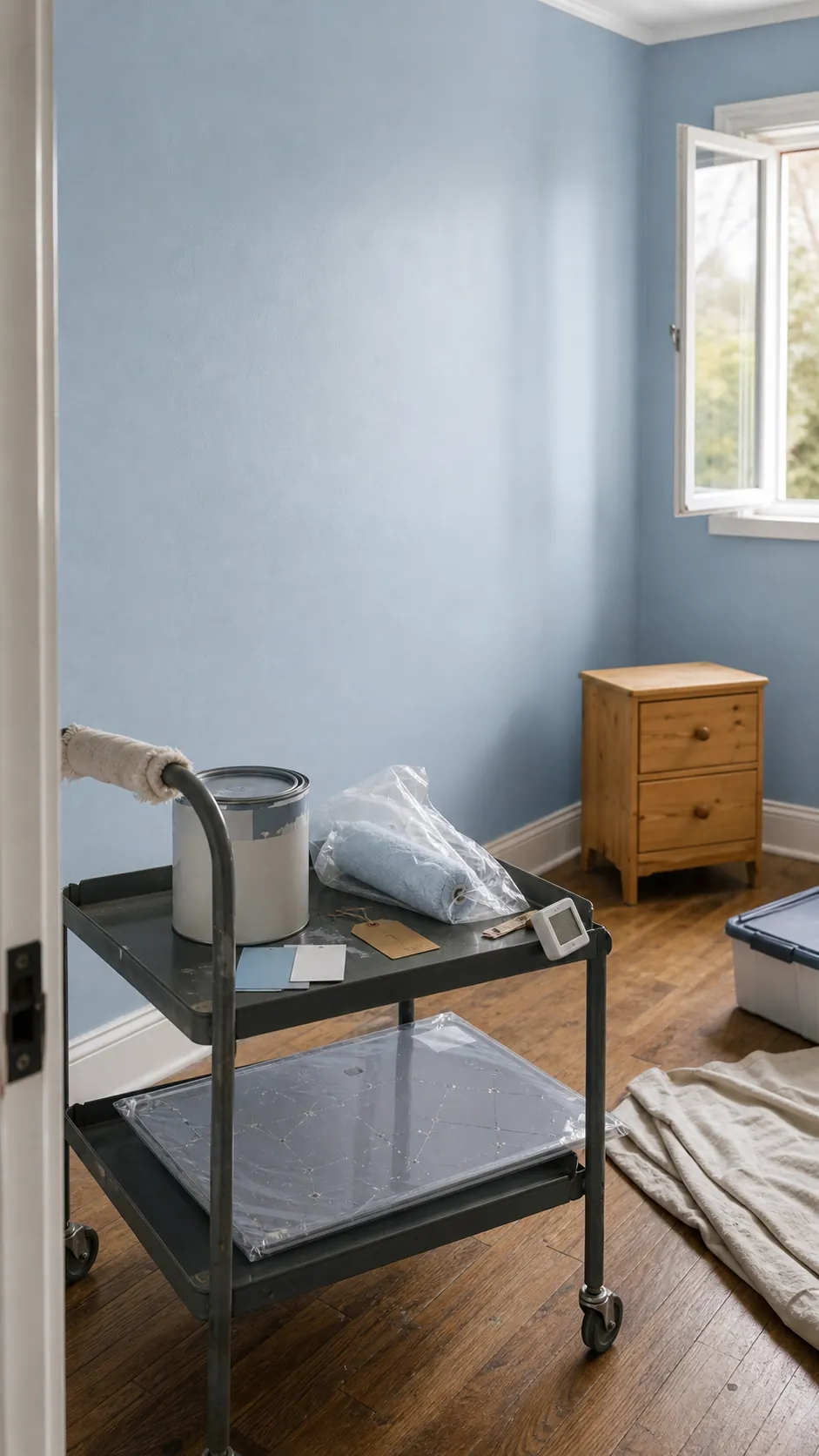
Find the correct wait time for your exact paint
Start with the paint can, receipt, or product data sheet. Look for “full cure,” not just “dry time” or “recoat time.” If a painter supplied the coating, ask for the brand, product line, sheen, application date, primer, and number of coats. Then check the decal instructions for their minimum wait after painting.
If the two instructions differ, wait for the longer period. Do not turn “two to four weeks” into a rule for every latex paint and decal. Some products cure faster, some slower, and cool damp rooms extend the process. When product information is missing, a conservative delay plus testing is cheaper than repainting a nursery or rental wall.
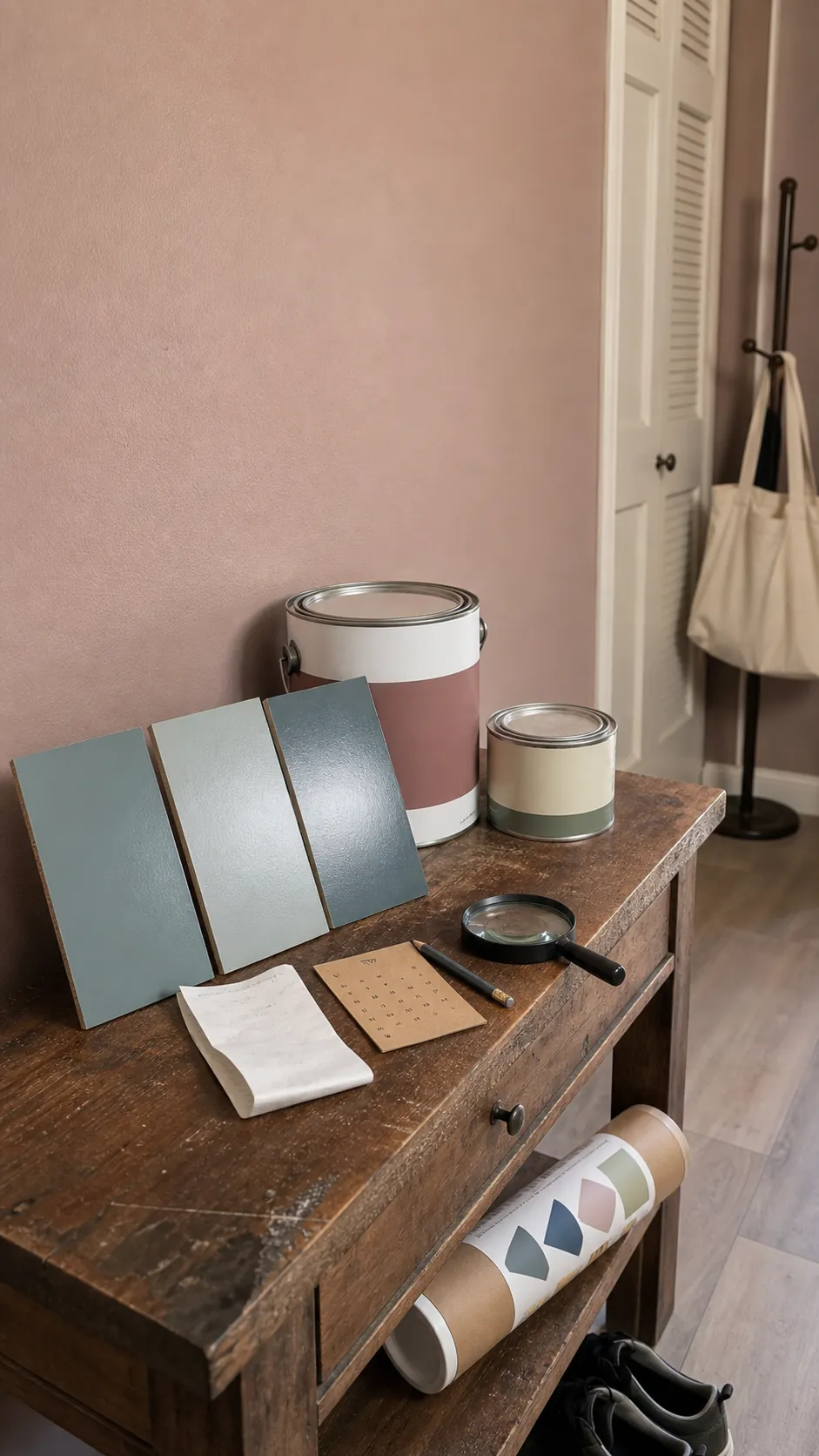
Give the room conditions that help paint cure
Normal room temperature, moderate humidity, and gentle ventilation support curing. A cold wall, closed humid room, or unusually heavy coats may need more time. Ventilate according to the paint maker’s safety guidance, but do not blast dust at the wall or point a heater directly at it. Forced heat can dry the surface unevenly without proving the coating beneath is ready.
Keep furniture and stored items away from the finish during the early period. Avoid washing the intended decal area before the paint can tolerate cleaning. If the room has persistent condensation, solve that first; moisture beneath a wall sticker can compromise both adhesive contact and the paint film.
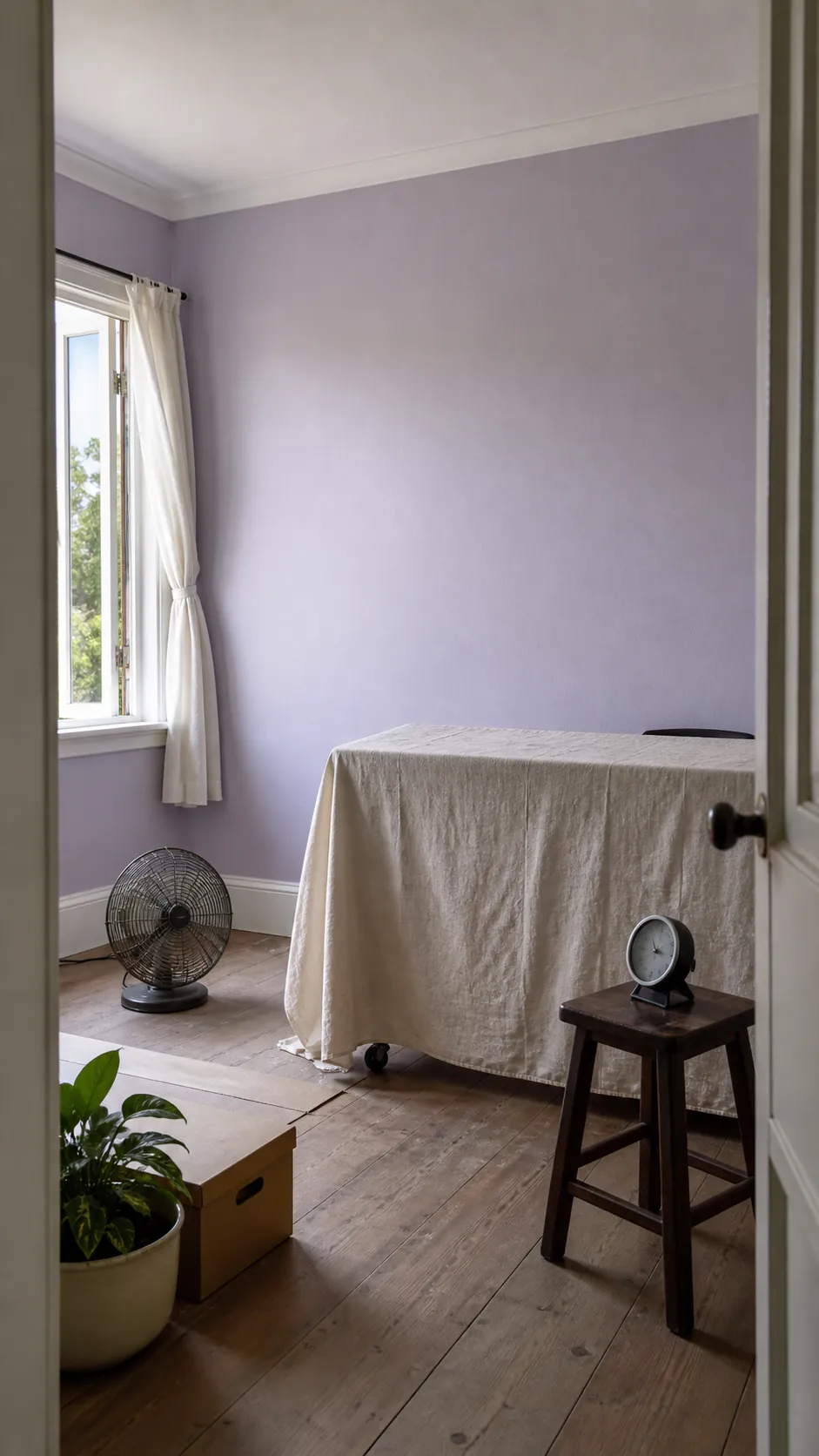
Check the wall beneath the new paint
Waiting cannot repair poor preparation. If the old coating was chalky, greasy, glossy, loose, or incompatible with the new paint, the topcoat may cure yet remain weakly bonded to the wall. A decal can then remove multiple paint layers because its adhesive is stronger than the paint-to-substrate bond.
Inspect for blisters, cracks, soft patches, flaking edges, or paint that releases under ordinary low-tack painter’s tape. If you see those signs, pause and ask the painter to diagnose the coating system. Do not use a stronger decal adhesive to compensate. That shifts the failure deeper into the wall.
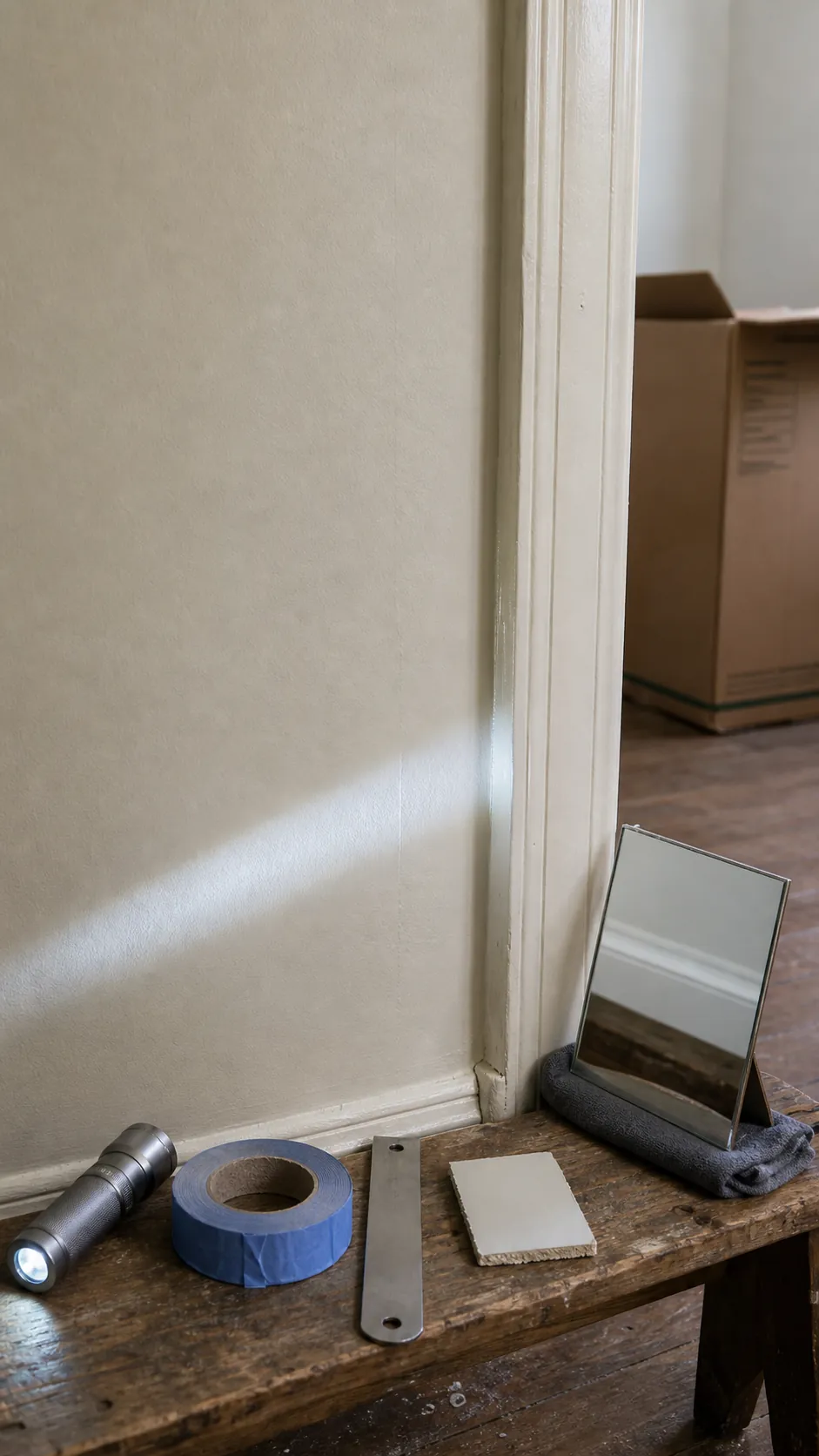
Test installation and removal in a hidden spot
After the full cure period, clean only as the paint and decal manufacturers allow, remove any residue, and let the wall dry completely. Apply a spare vinyl sample behind a door or low behind furniture. Leave it for the recommended test interval, checking whether the edge lifts or the paint changes color.
Then peel the sample slowly back against itself at a low angle. Watch the wall and the back of the vinyl. A good result means the sample adhered without bubbles and came away without paint transfer, tackiness, or a visible imprint. Testing removal matters as much as testing adhesion, especially for renters and children’s rooms.
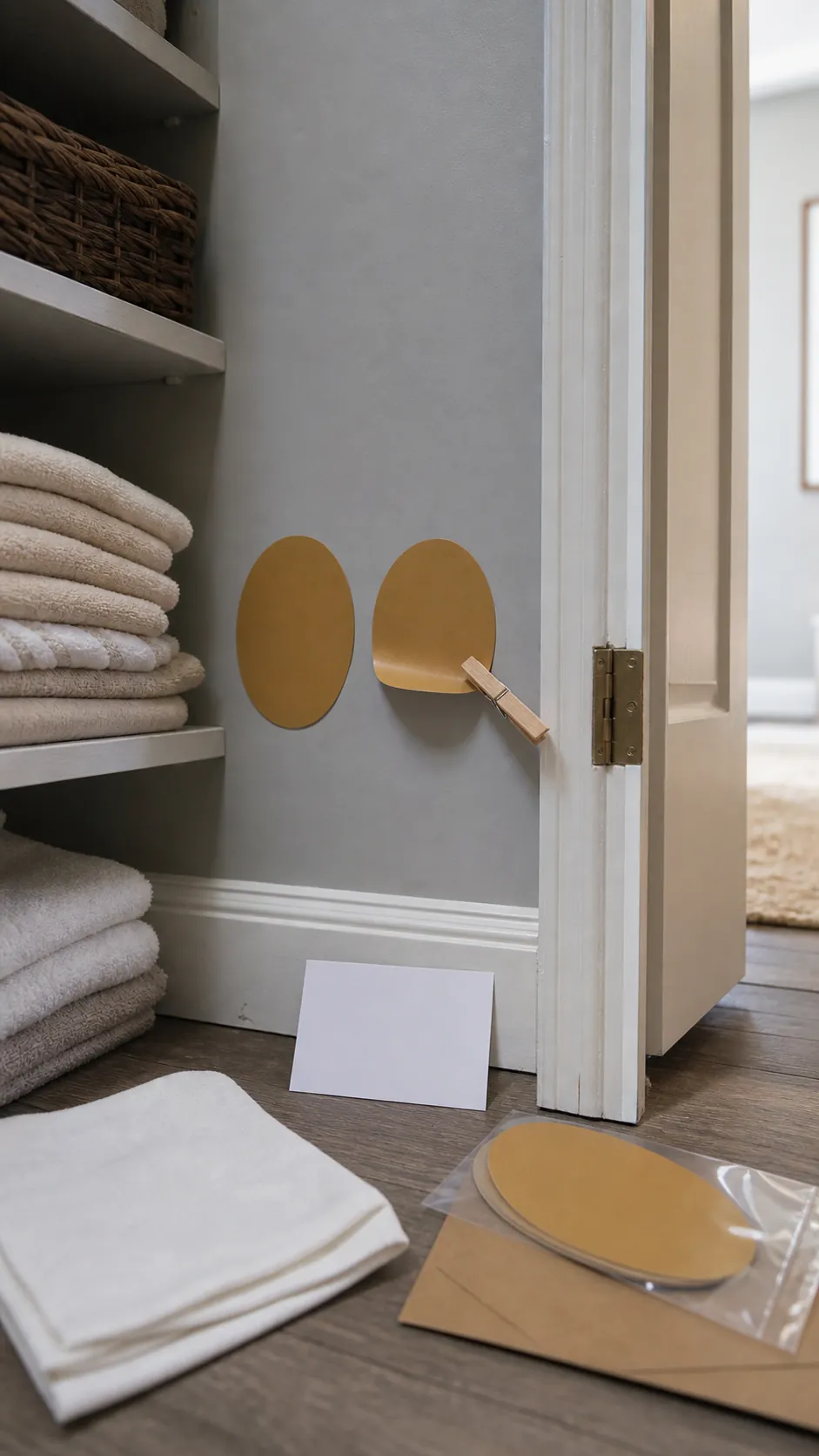
Decorate temporarily while you wait
A deadline does not make uncured paint safer. For a nursery, party, or move-in, use freestanding decor while the wall cures: textiles on furniture, a floor-standing easel, shelf objects, removable decorations attached to glass only after compatibility testing, or a mobile supported from an approved non-wall location. Keep every object from leaning against or rubbing the fresh coating.
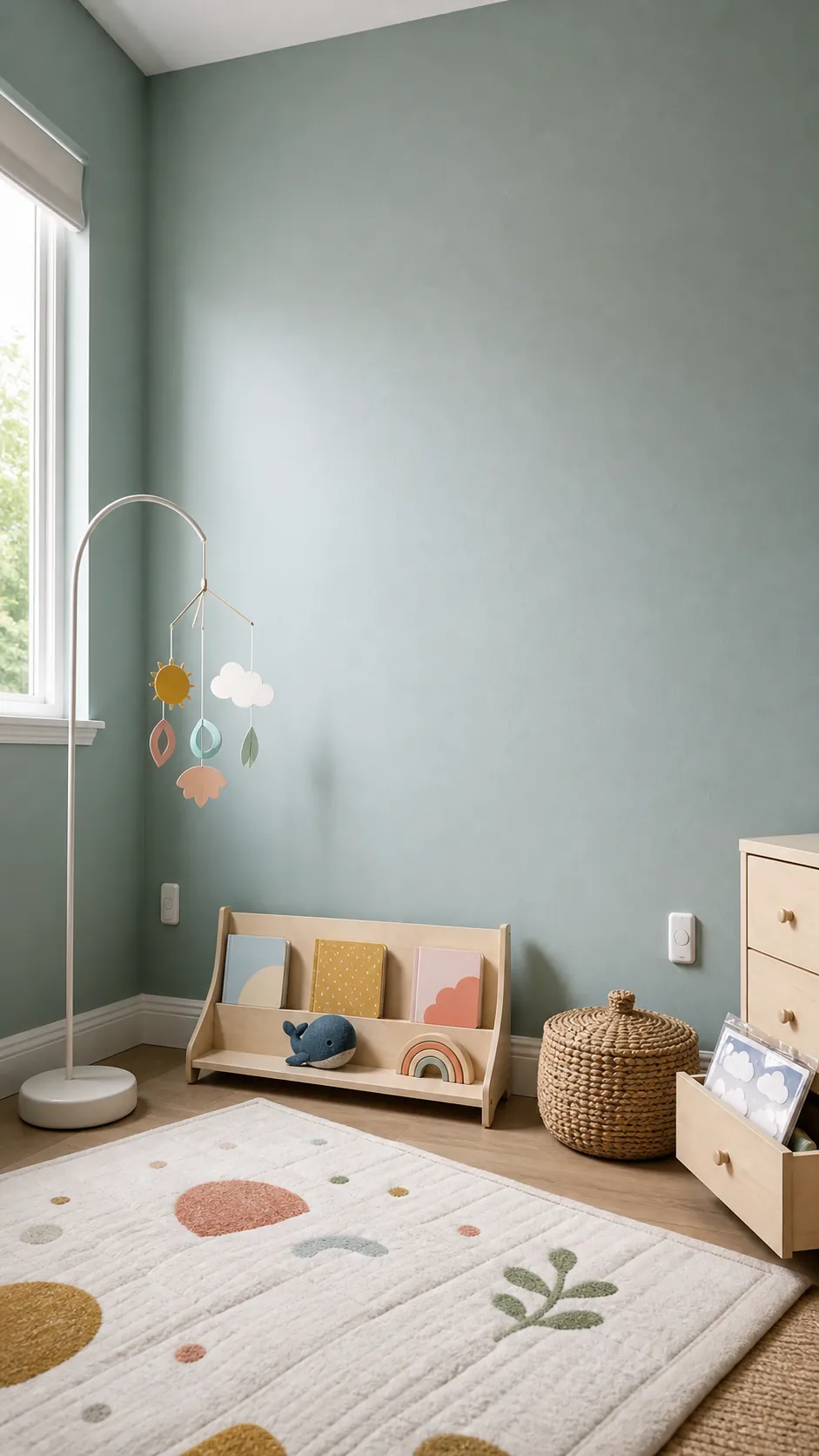
Apply the decal only after the wall passes every check
The ready wall is fully cured according to its product data, sound beneath the topcoat, clean, dry, smooth enough for the chosen vinyl, and successful in a hidden adhesion-and-removal test. Install at a stable room temperature, handle the adhesive as little as possible, and press from the center outward without stretching the decal.
If you cannot identify the paint, the room remains damp, or the test pulls color, wait and investigate. A decal is optional; repairing a failed paint system is not. The safest wall sticker installation after painting begins with patience, because cure time protects both the decoration you want now and the finish you will see when that decoration eventually comes down.