17 Budget Ideas for a Blank Wall That Look Intentional
A bare wall can make a finished room feel temporary, yet filling it with undersized bargains often creates more clutter than character. The useful question is not how much decor you can buy, but how much visual area one affordable move can control. Start with the wall measurements, set a firm spending cap, and choose the idea that solves the room’s real problem.
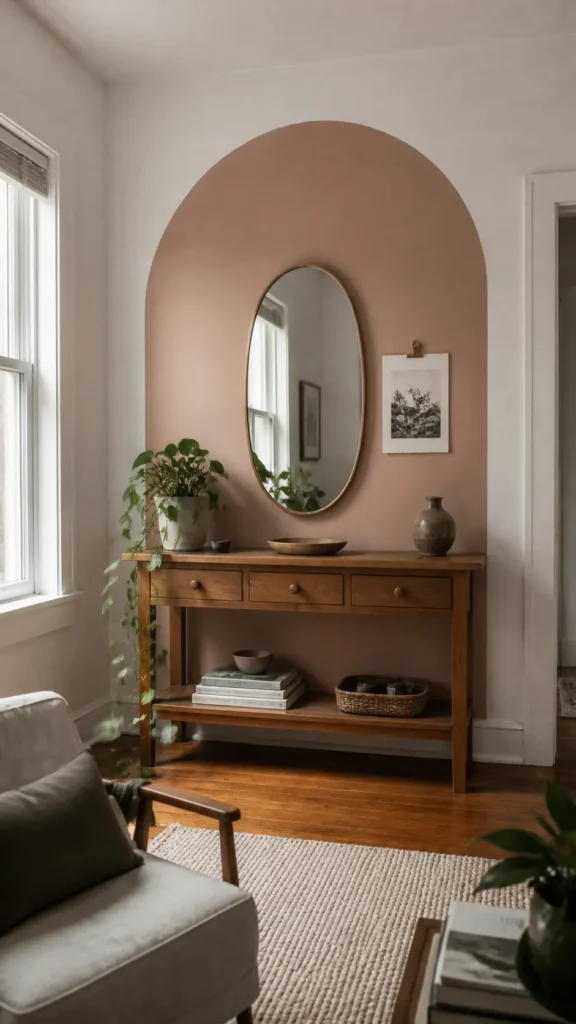
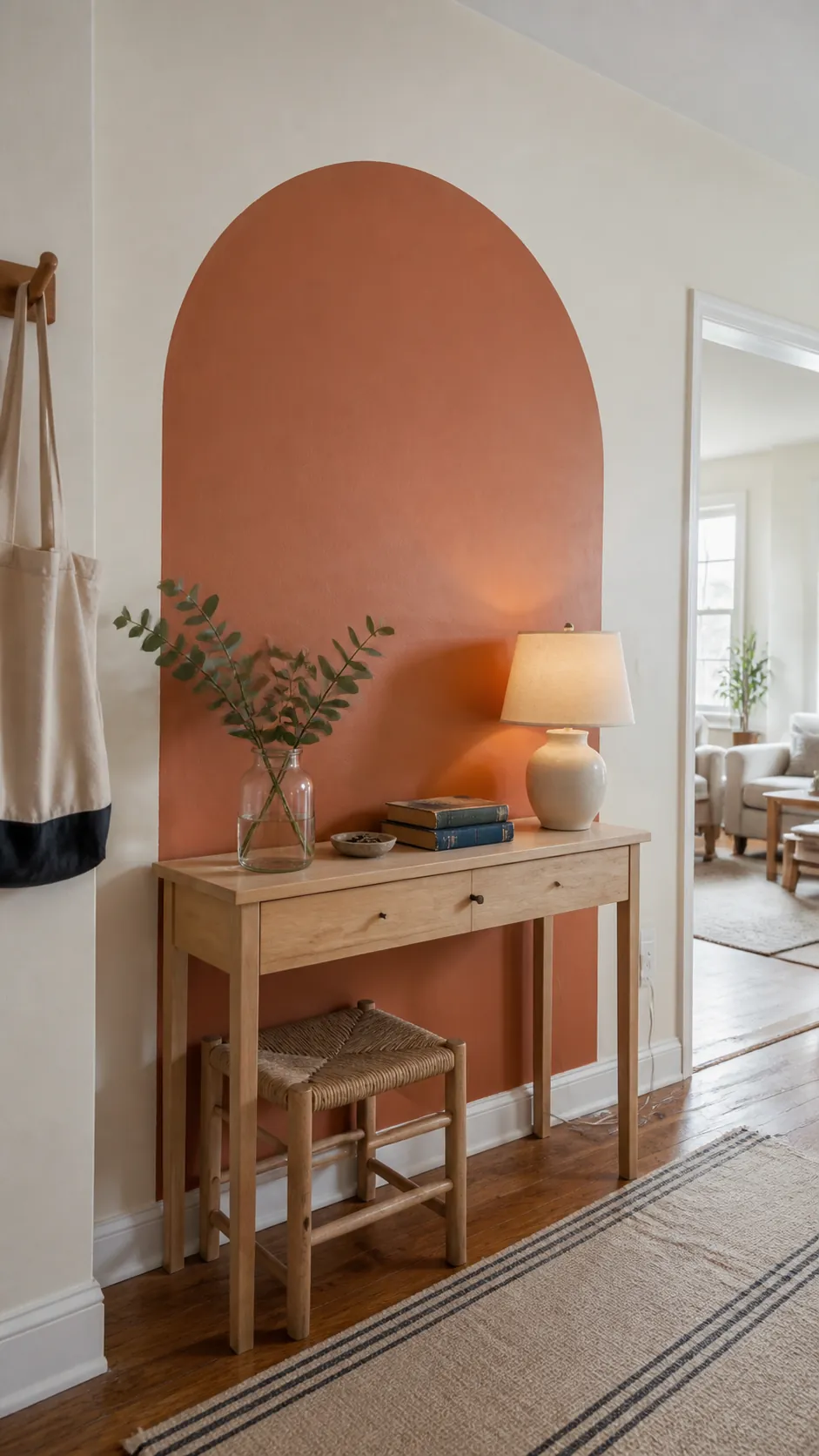
Paint a Freeform Color Block
A painted arch, circle, or broad rectangle can give a small console or chair enough visual weight to hold a large wall. Ask paint shops about returned or mistinted cans, then test the color on paper before committing. Keep the shape simple because crisp proportions look intentional even when the paint costs very little.
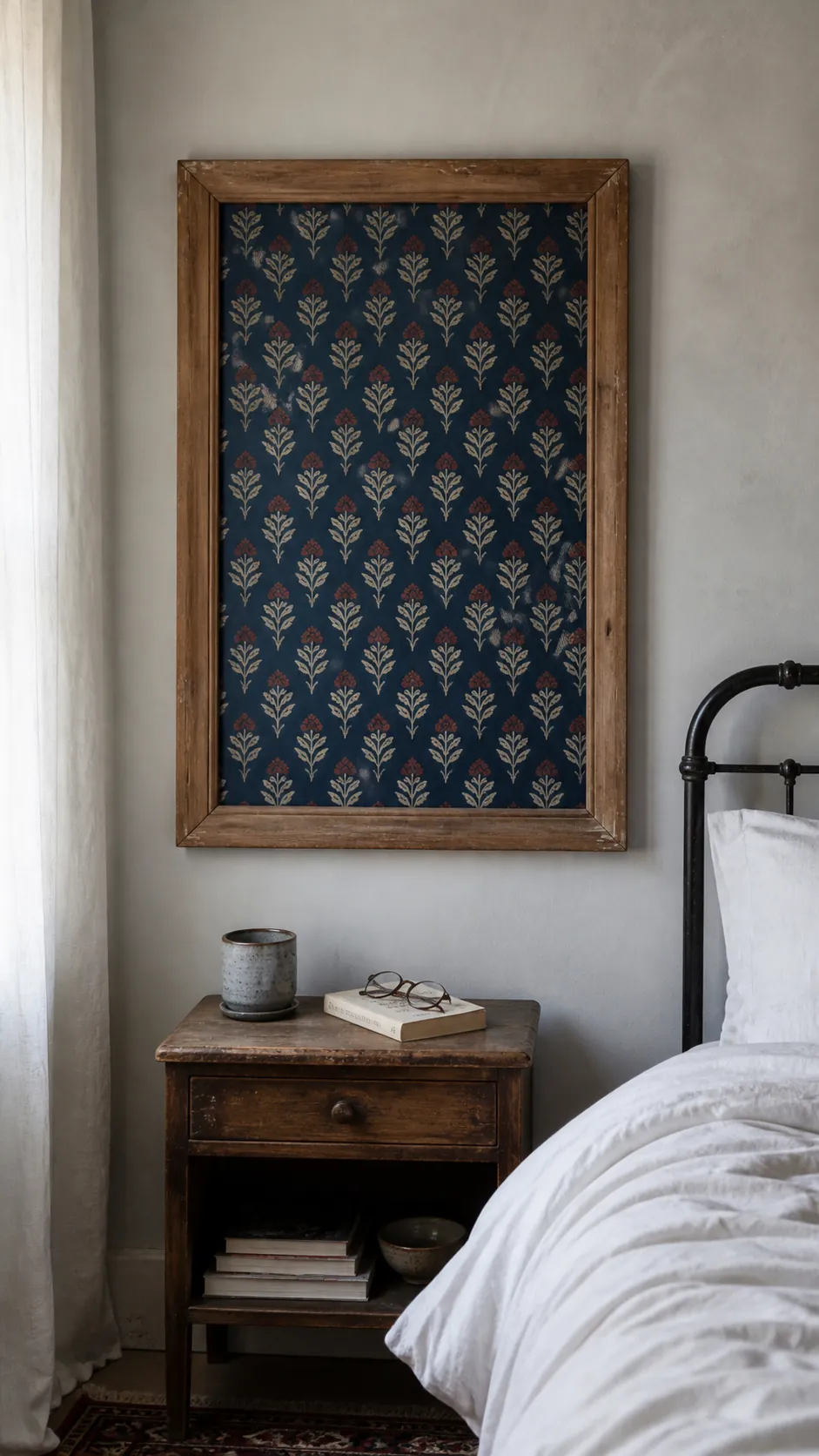
Frame Fabric Remnants
Interesting cloth can deliver color and scale for less than a large print. Stretch a remnant over cardboard inside a thrifted frame, keeping the weave straight and the corners smooth. A bold block print works especially well because it can be appreciated from across the room.
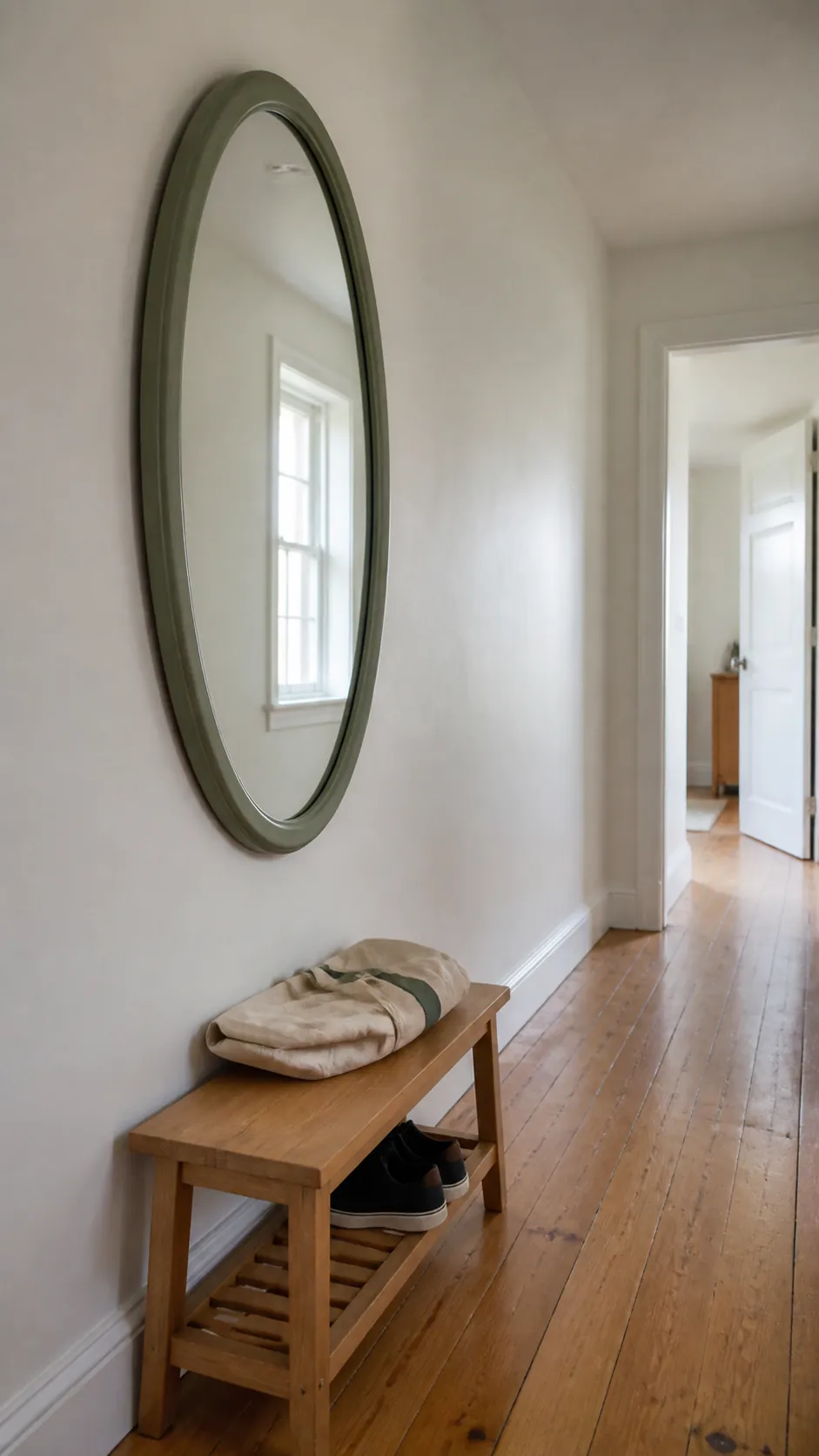
Hang a Thrifted Mirror
A secondhand mirror fills space while moving daylight deeper into a dim room. Look past an unattractive frame color because a careful coat of paint can unify it with nearby furniture. Before buying, check the backing, corners, and hanging hardware so the bargain does not create a safety problem.
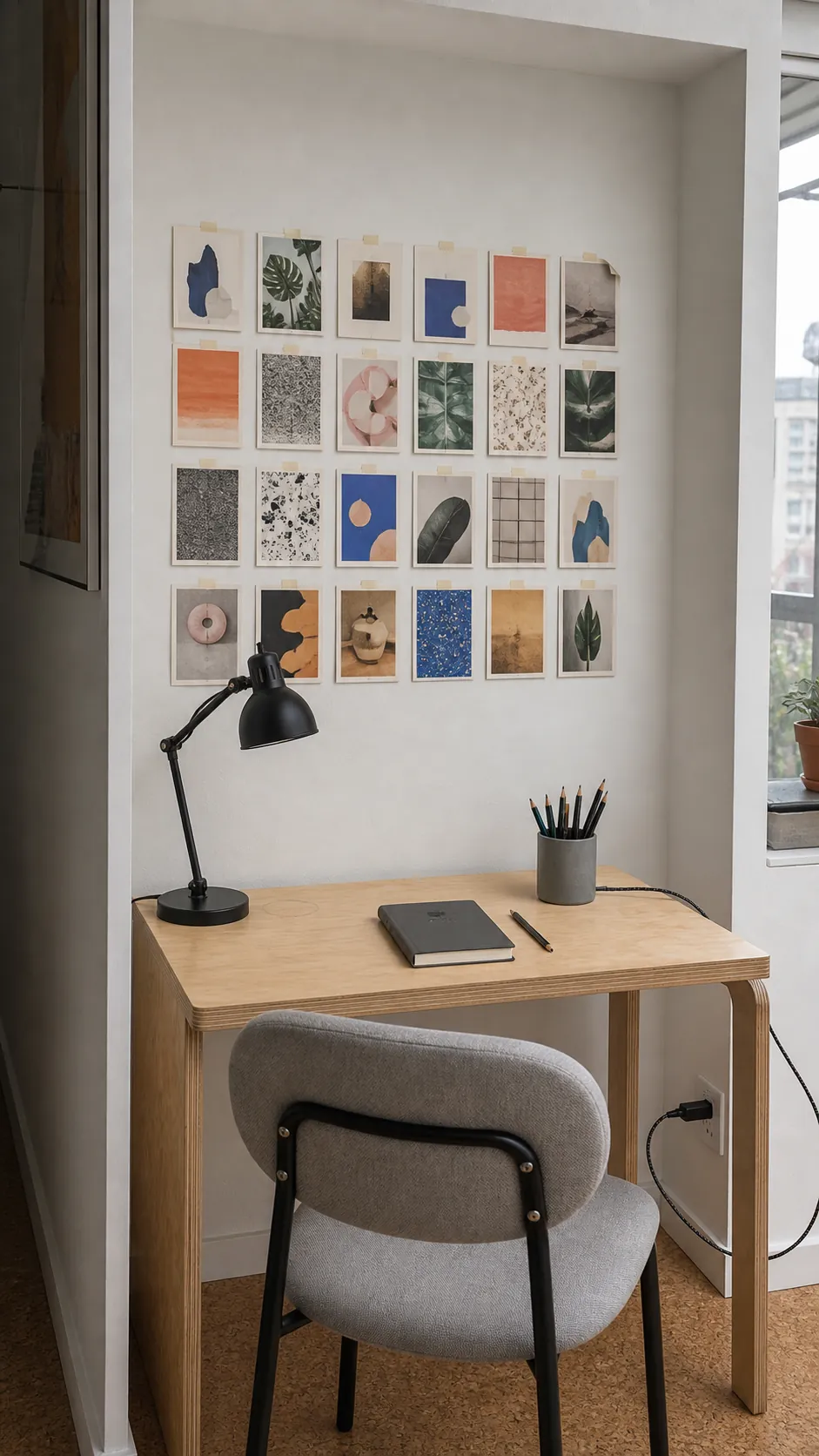
Build a Postcard Grid
Postcards, small prints, and saved paper pieces become stronger when arranged as one disciplined rectangle. Lay the grid on the floor first and use a paper spacer to keep every gap equal. Removable adhesive makes this one of the easiest renter friendly blank wall decor ideas.
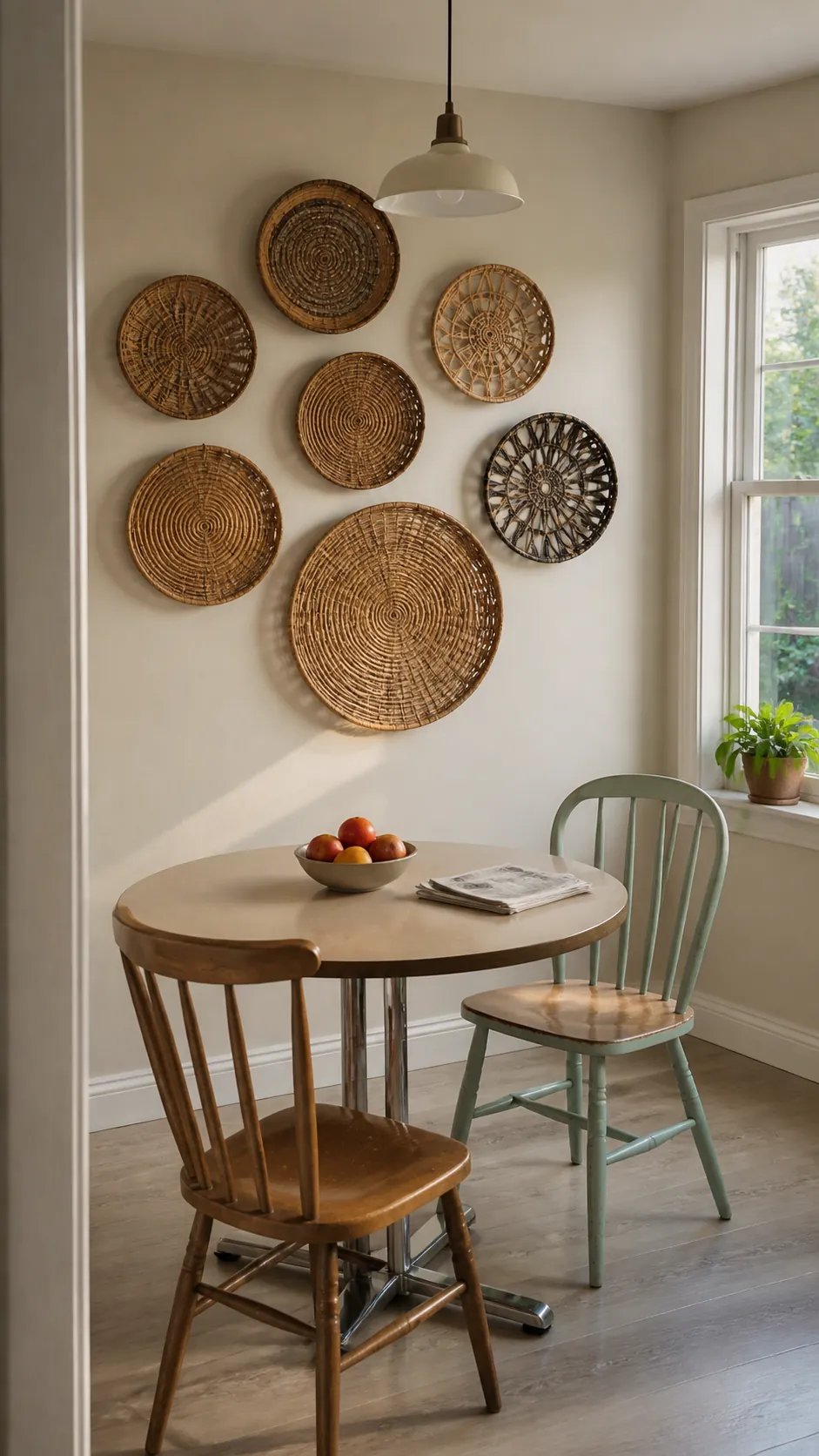
Display a Woven Basket Group
Flat baskets add texture without requiring expensive artwork or heavy frames. Combine an odd number of different diameters, then repeat one natural tone so the group feels connected. Shallow pieces are easier to hang and cast gentler shadows than deep storage baskets.
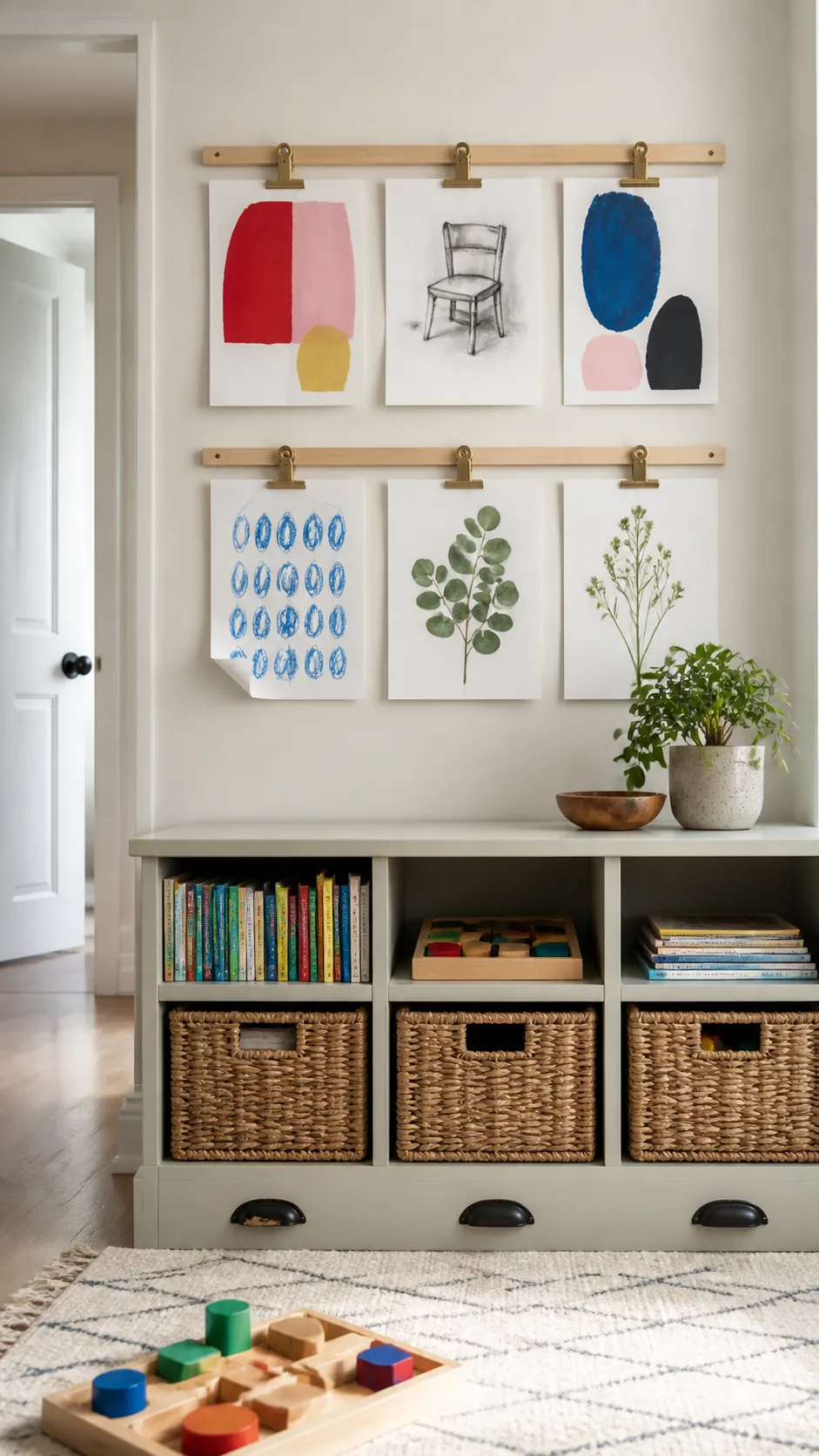
Clip Up Rotating Prints
Wood rails with simple clips let you display downloadable art, calendar pages, or children’s drawings without buying many frames. Align the clips on one level so changing the paper does not disturb the composition. This approach is especially practical when tastes change often or storage space is limited.
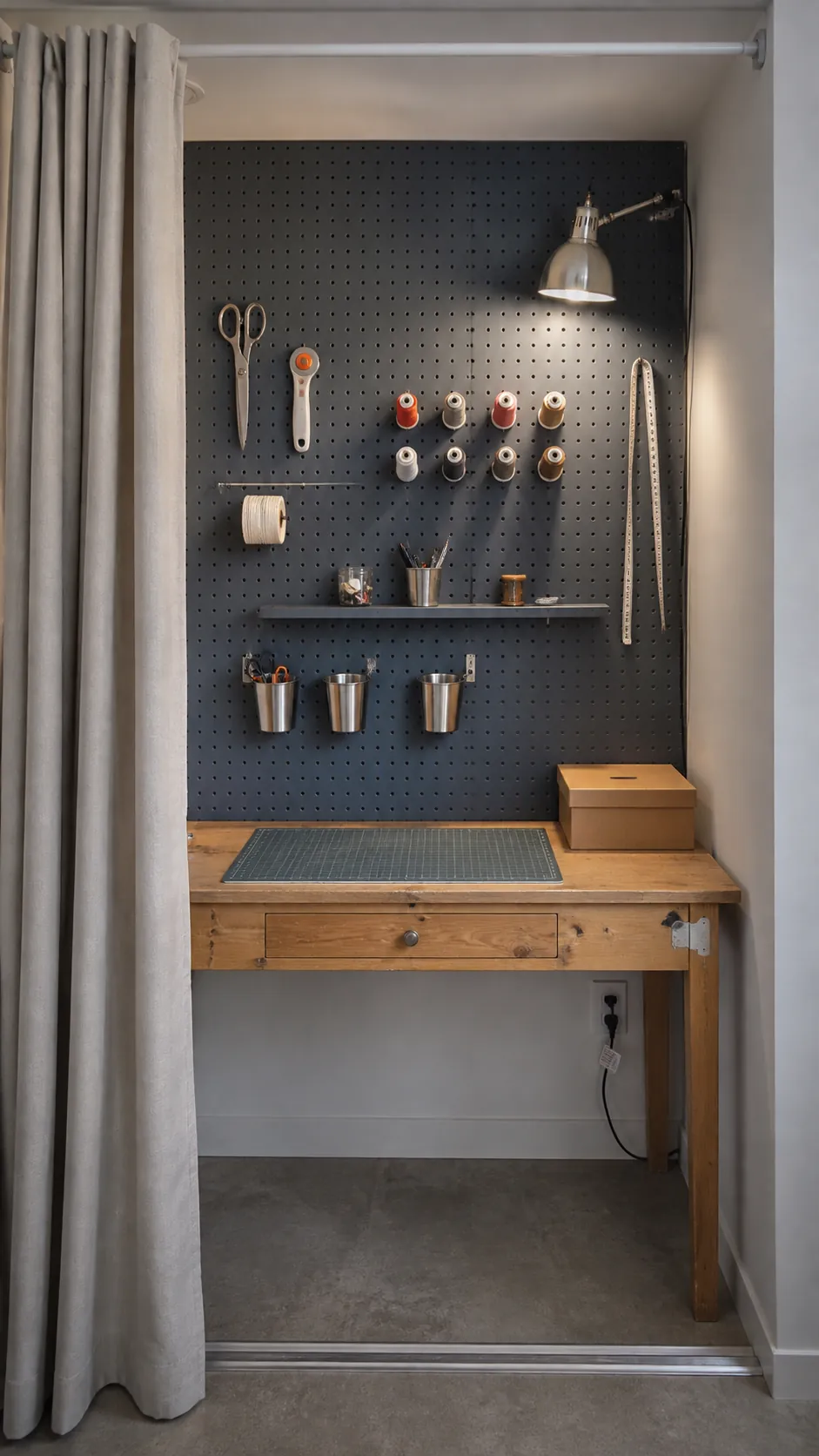
Mount a Pegboard Work Zone
A plain pegboard turns empty wall area into useful storage for a desk, craft corner, or entry. Paint it the wall color for a quiet look, or use a contrasting shade to define the zone. Limit the displayed tools and supplies to items used regularly so function does not become visual noise.
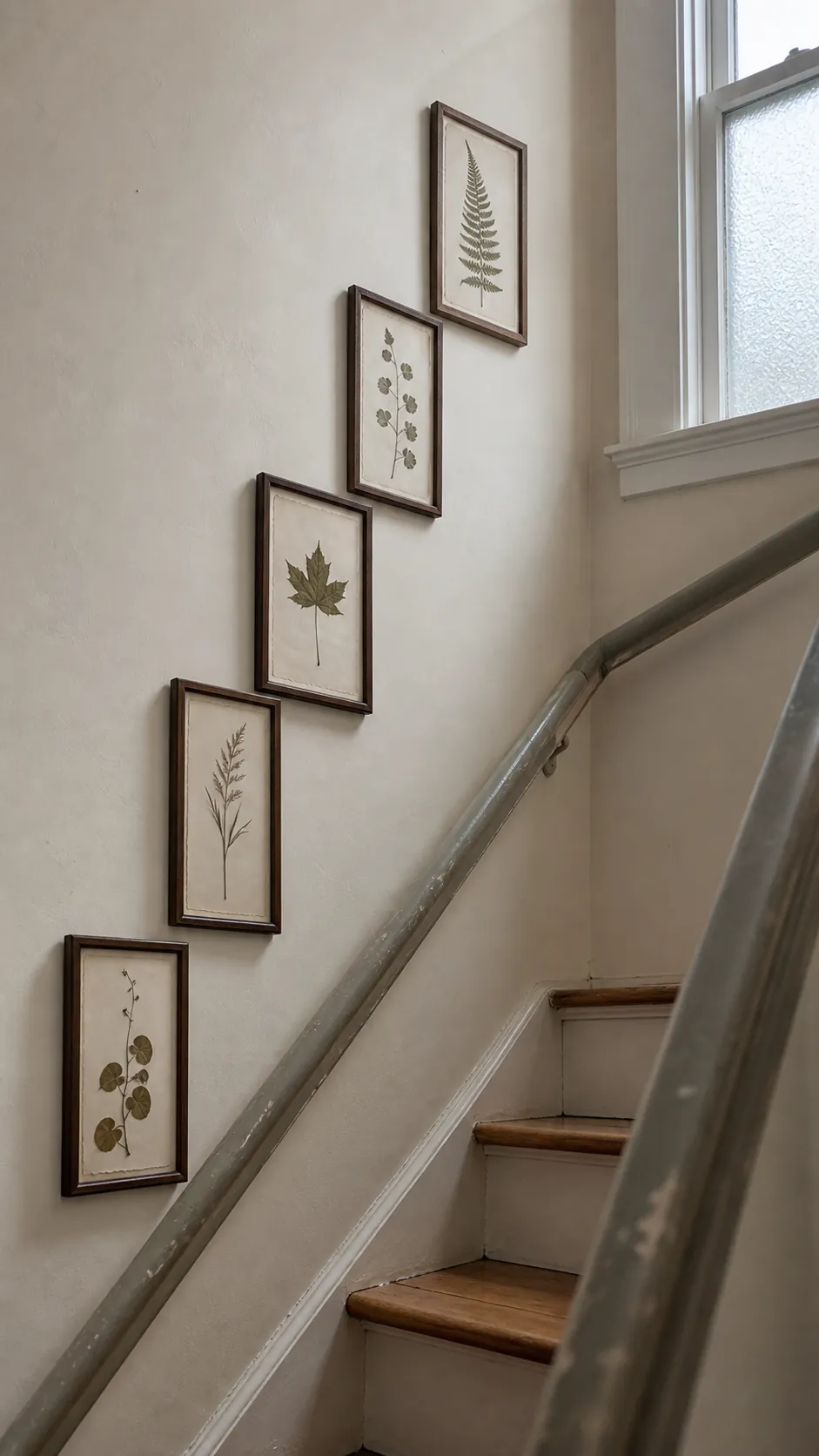
Create a Botanical Pressing
Pressed leaves and stems offer delicate detail for almost no material cost. Use plants you can identify and collect responsibly, dry them fully, then mount them on acid free paper. A series looks calmer when every specimen has similar breathing room around it.
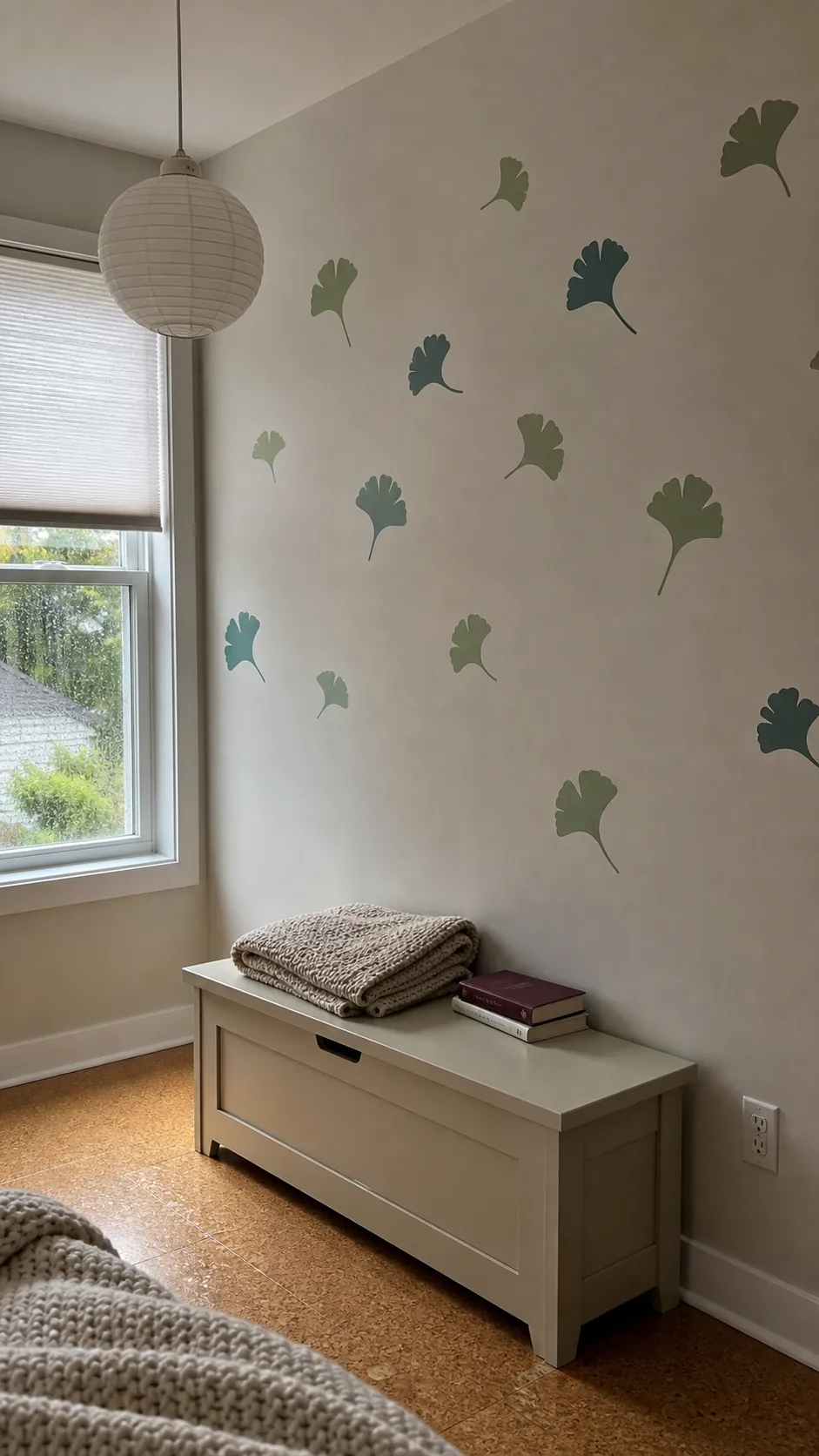
Use Removable Wall Decals
Individual decals can create a broad pattern without the cost or commitment of covering the whole wall. Space the motifs loosely at first, then fill gaps after stepping back to view the room. Check the maker’s surface guidance and test one decal in a hidden spot before installing the set.
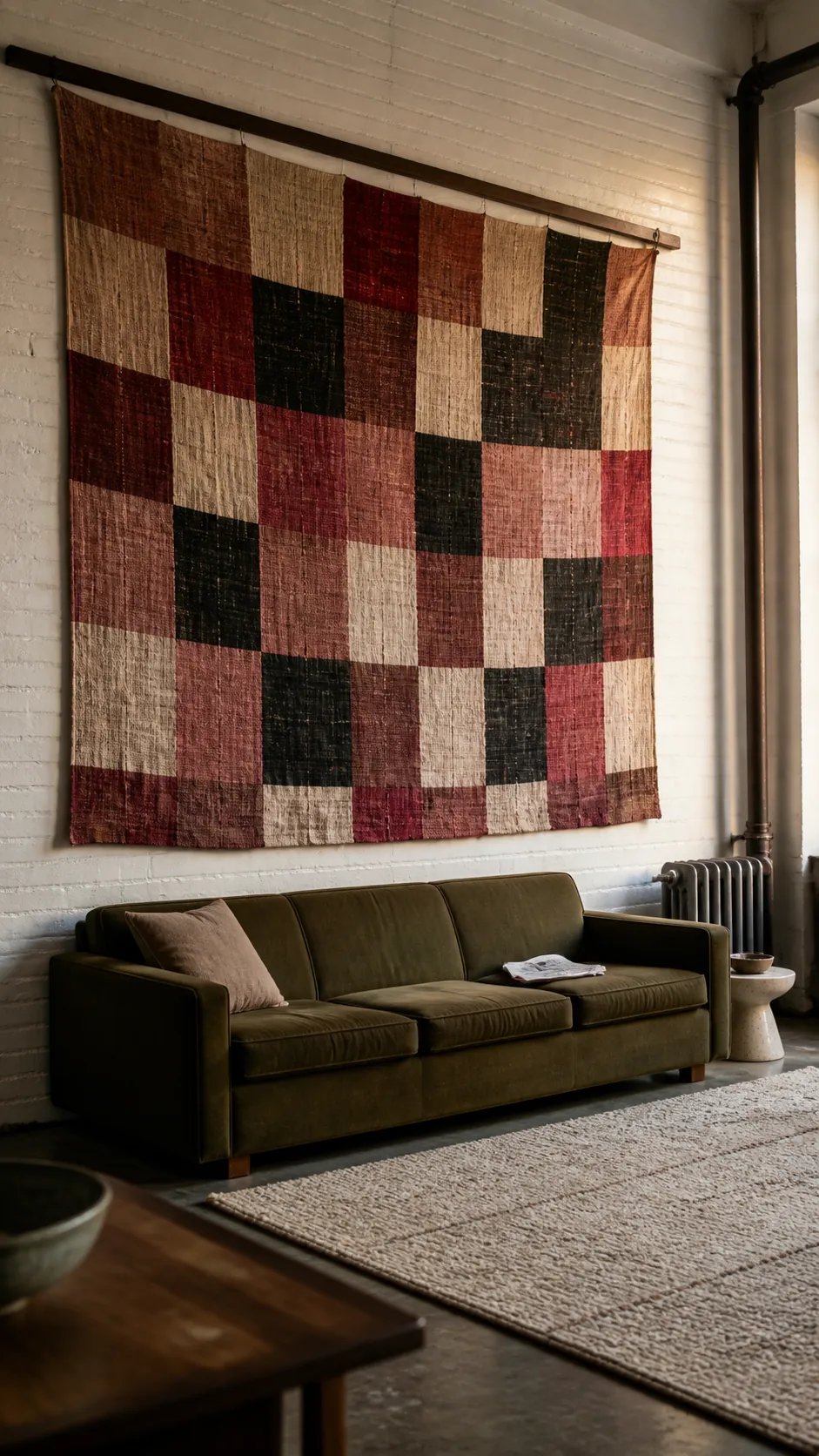
Hang One Oversized Textile
A quilt, vintage cloth, or attractive table covering can occupy more wall area than several small purchases. Use a sleeve, slim rail, or evenly spaced clips that support the full width without pulling the fabric. Leave the bottom clear of furniture edges so the textile reads as a deliberate focal point.
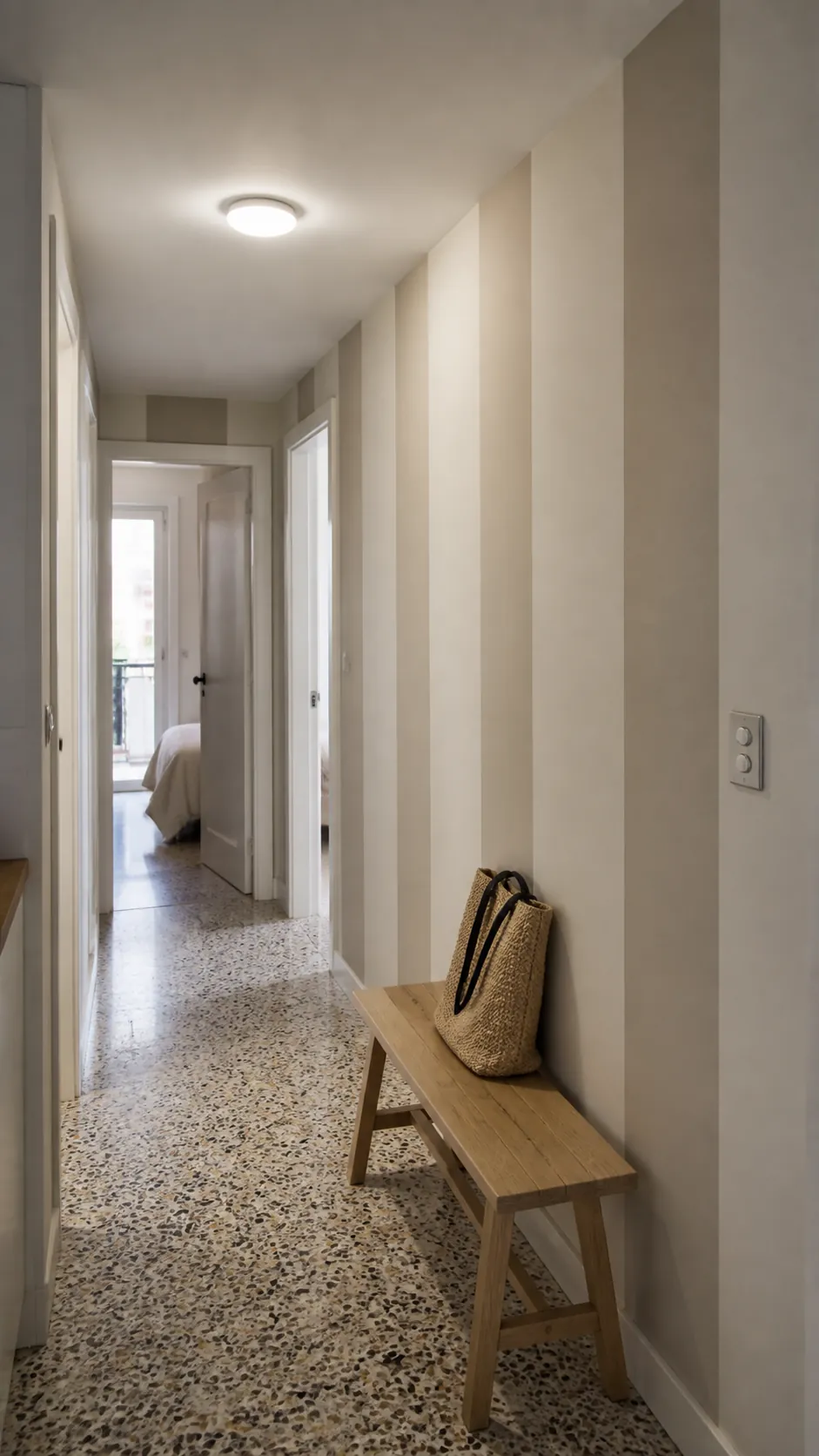
Paint Simple Stripes
Wide painted stripes can correct the proportions of a long or awkward wall. Horizontal bands emphasize width, while vertical bands make a low ceiling feel taller. Choose two related colors and seal the tape edge carefully to get a clean result from inexpensive paint.
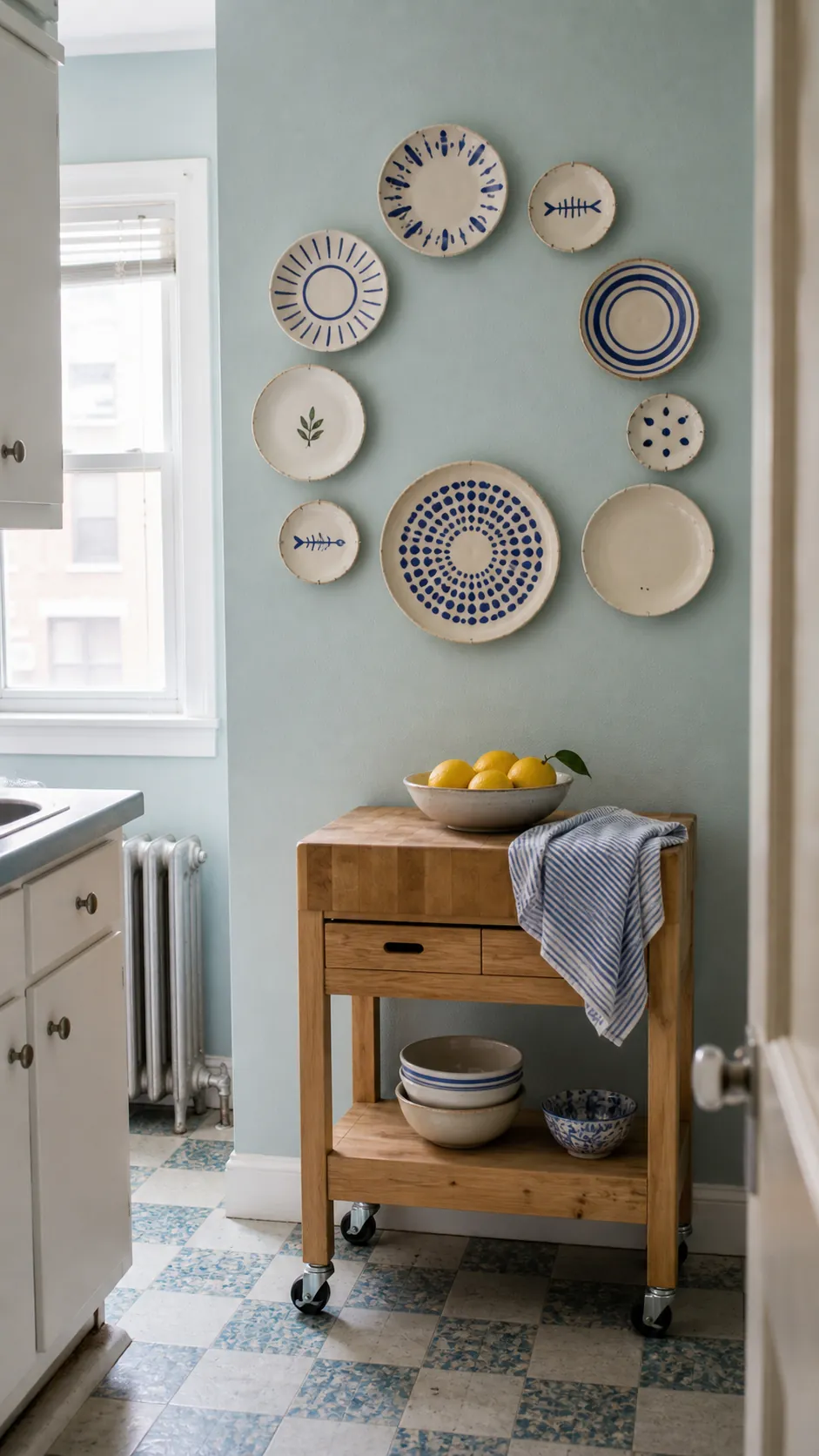
Arrange Thrifted Plates
Mismatched plates become a coherent display when they share a color, motif, or material. Trace each plate onto paper and tape the templates to the wall before placing any hardware. Use hangers rated for the plate size, especially above seating or a walkway.
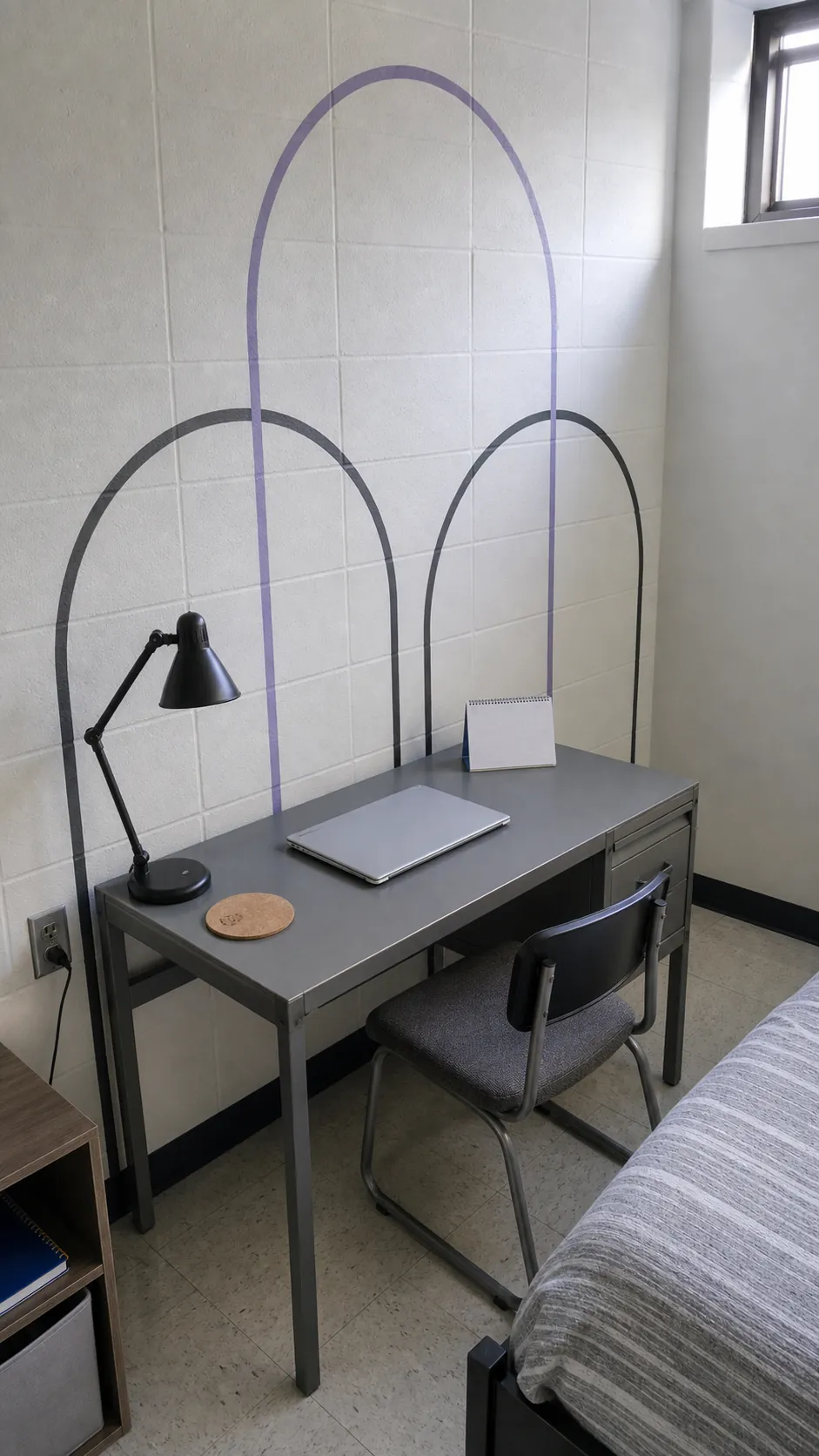
Make a Washi Tape Pattern
Washi tape can outline a graphic pattern, faux molding, or a loose frame around existing objects. A measured design usually feels more polished than many tiny decorative marks. Test removal on your paint first because adhesion varies with wall finish and humidity.
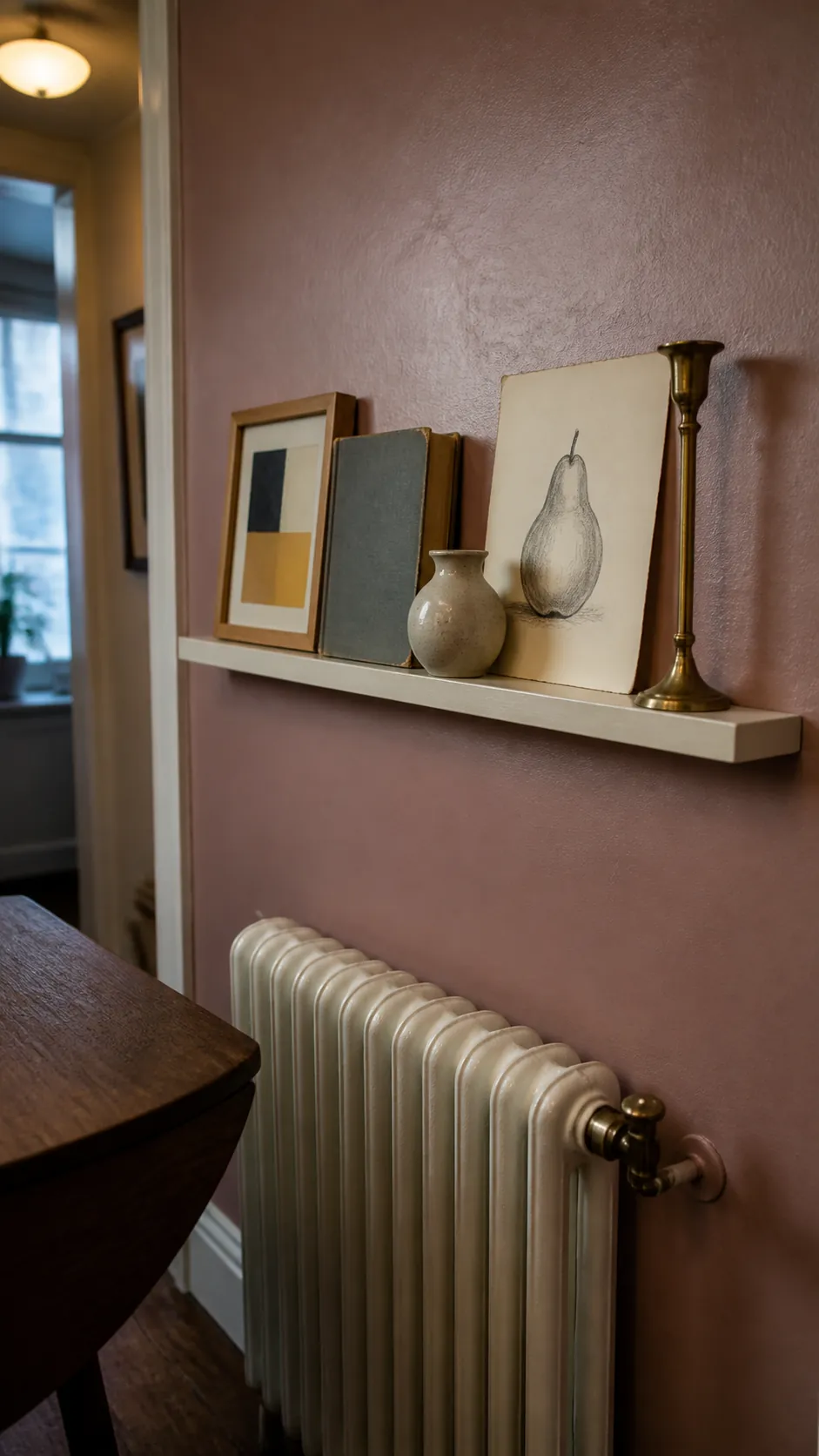
Install a Narrow Picture Ledge
One slim ledge lets several inexpensive pieces overlap into a single, flexible composition. Mix a small framed print with a book, tiny vessel, and one taller object rather than filling every inch. Secure the ledge into appropriate anchors and keep fragile objects away from busy paths.
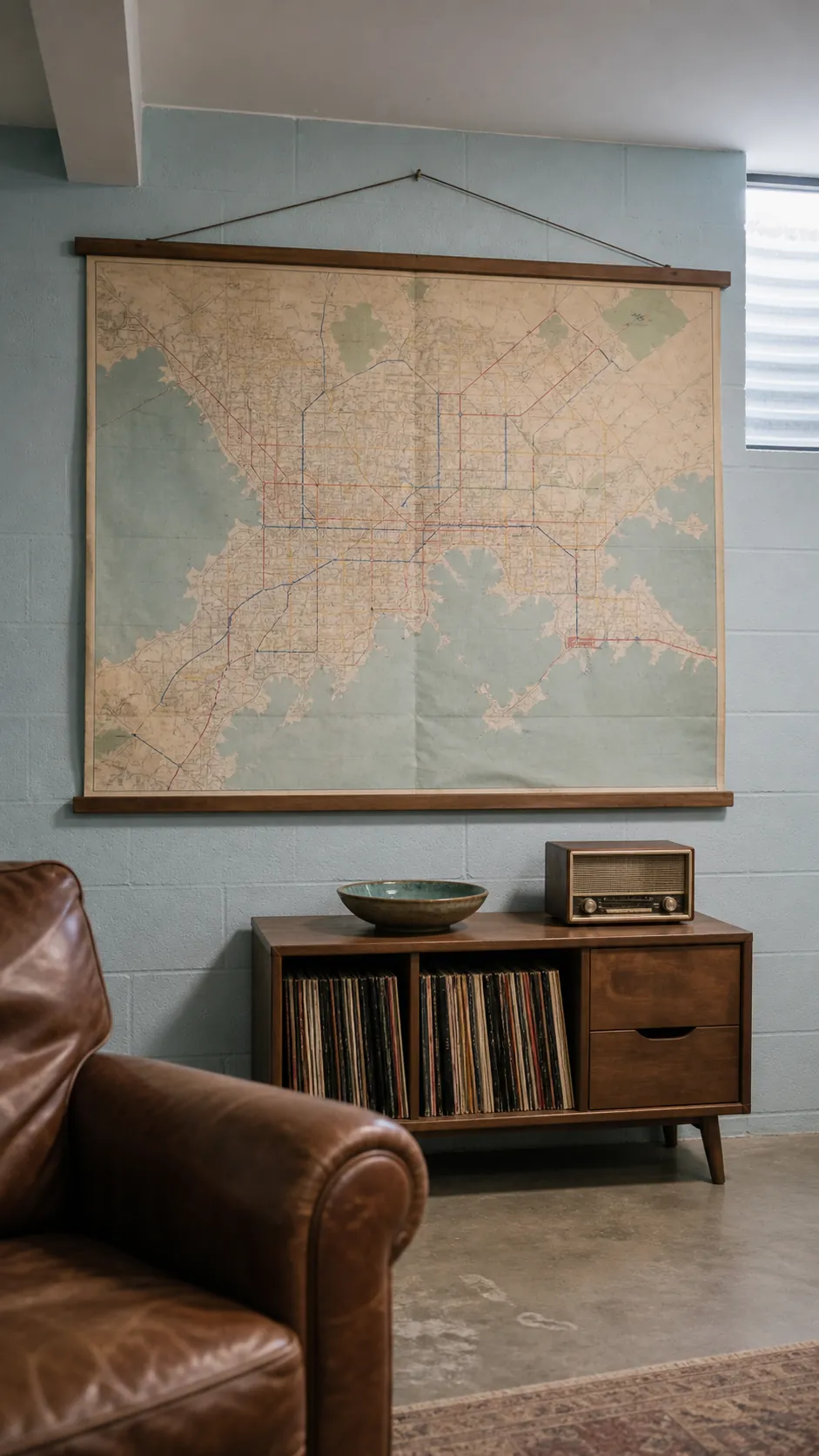
Turn a Map into a Focal Point
An old road map, transit map, or educational chart offers large scale detail at a modest price. Mount it between two wood strips or place it in a thrifted frame to prevent the paper from curling. Select a location with personal meaning so the display feels specific rather than generic.
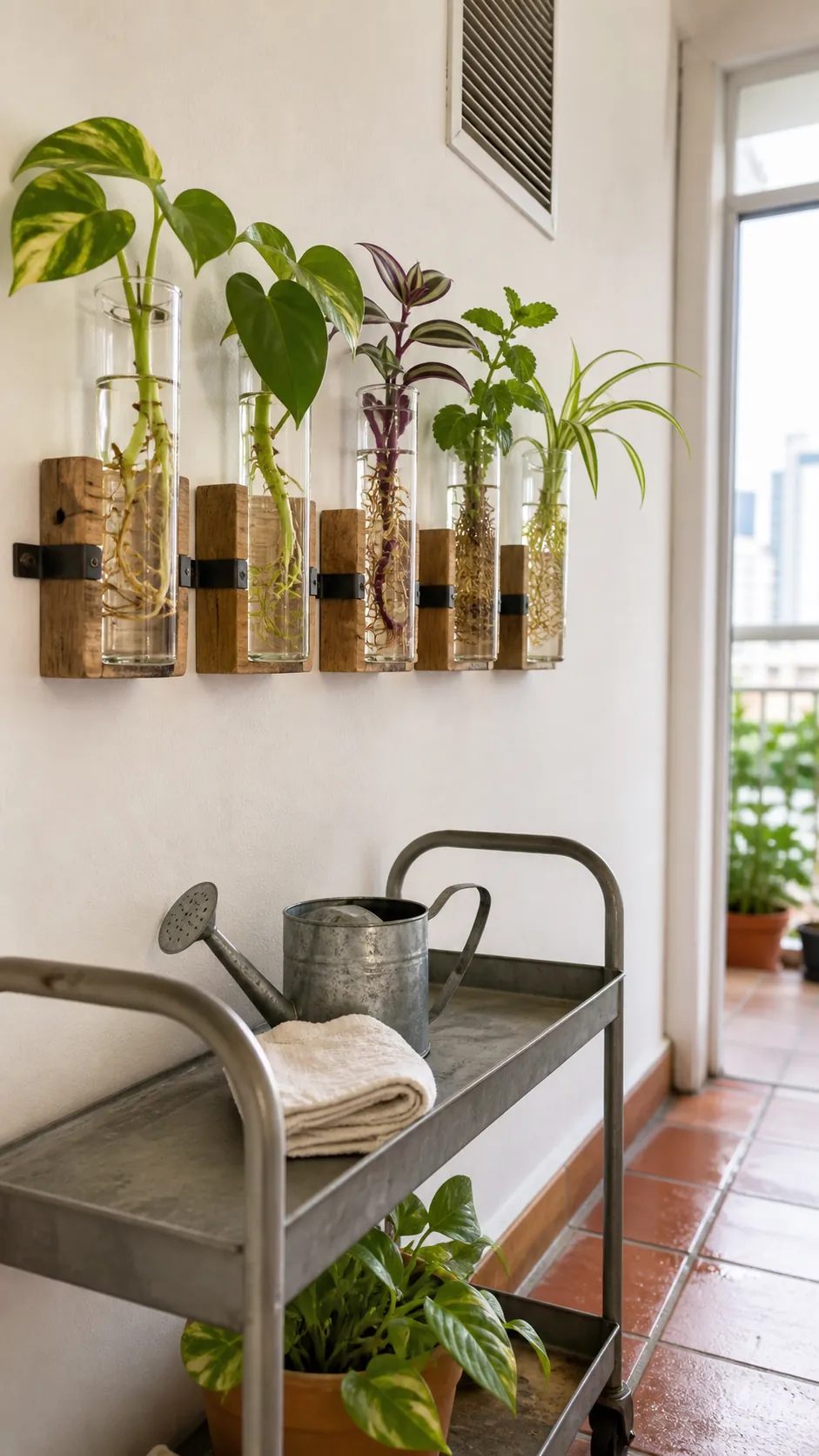
Propagate Plants on the Wall
Small wall mounted propagation vessels bring life to a narrow area that cannot hold furniture. Choose a spot with suitable indirect light and keep water away from vulnerable paint or wood. A restrained row is easier to maintain and more visually effective than a crowded cluster.
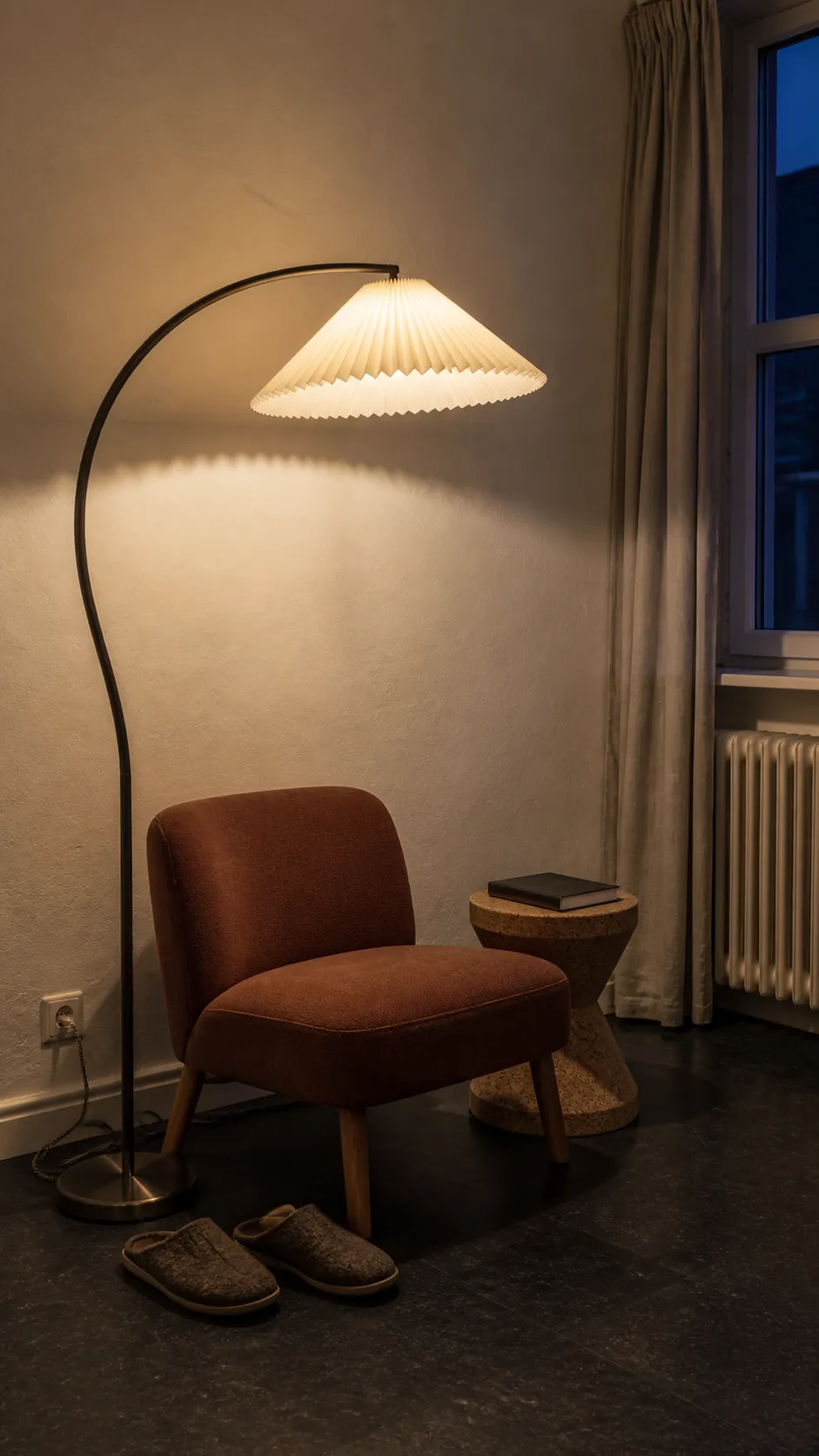
Let a Floor Lamp Cast the Drama
A sculptural lamp can animate an empty wall with light instead of adding another object to hang. Aim the shade so it creates a soft pool or gentle shadow, then conceal the cord along the baseboard. This final approach is useful when the wall material is difficult to drill or the budget must also cover practical lighting.