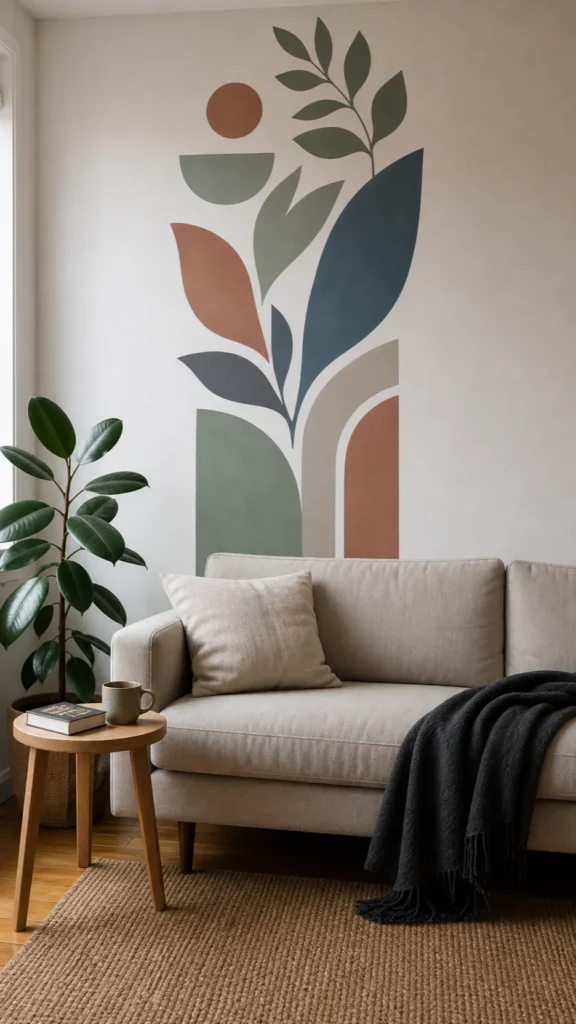
Are Wall Decals Worth It? Honest Pros, Cons & Best Uses
Wall decals are worth it when you want a fast, low-cost visual change and you are comfortable treating it as temporary decor. They are much less convincing when you expect the depth of framed art, the seamless finish of paint, or a guaranteed damage-free removal. The honest answer is not that decals are universally good or bad: the result depends on the wall, the material, the design, and how long you leave it up.
That distinction matters because the phrase “removable wall decal” can create unrealistic expectations. Removable describes the adhesive category; it does not promise that weak paint, uncured paint, damp walls, or poorly primed drywall will survive every removal. A small test decal is a better predictor than any product label.
The Short Verdict: When Wall Decals Are Worth It
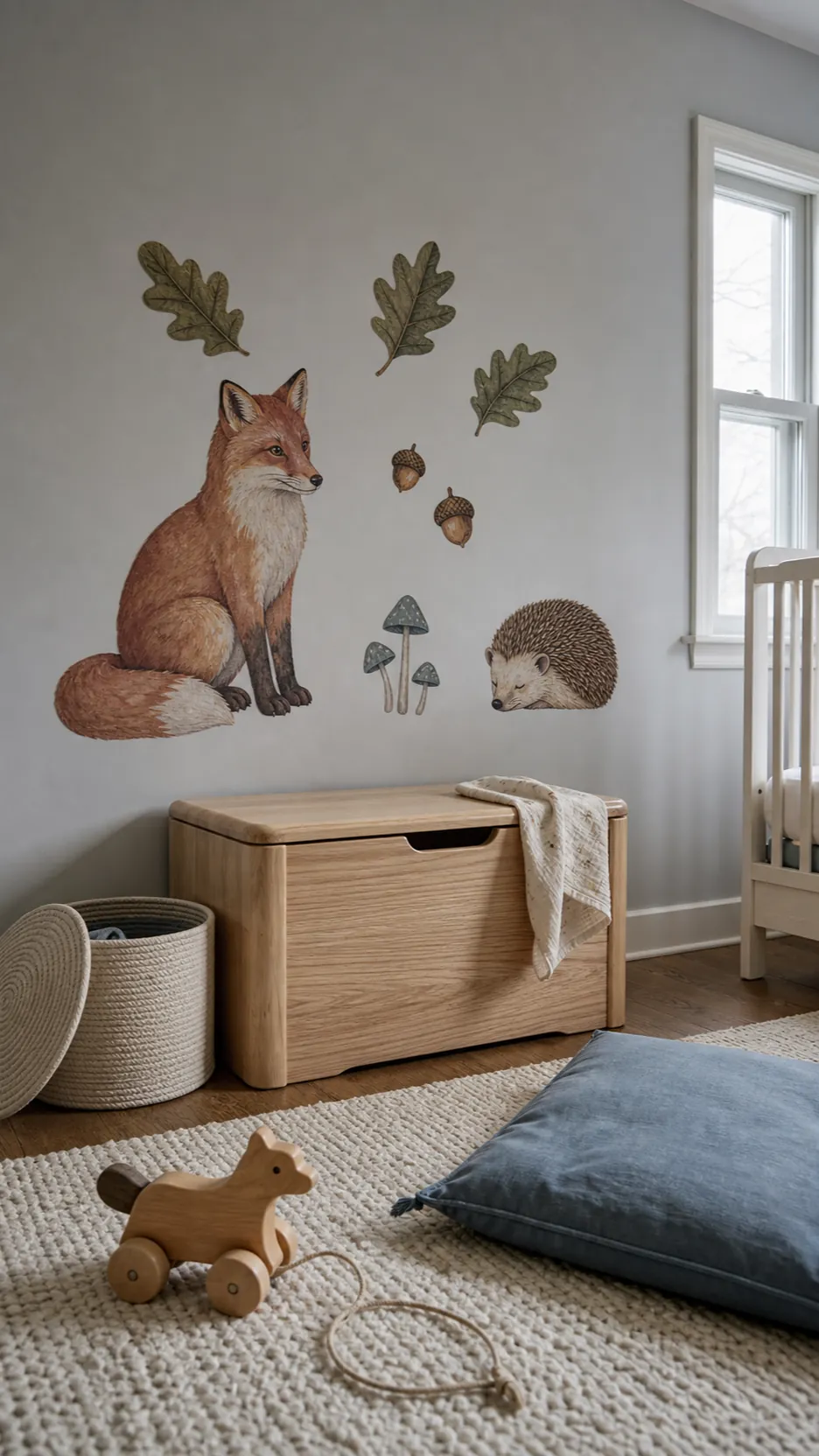
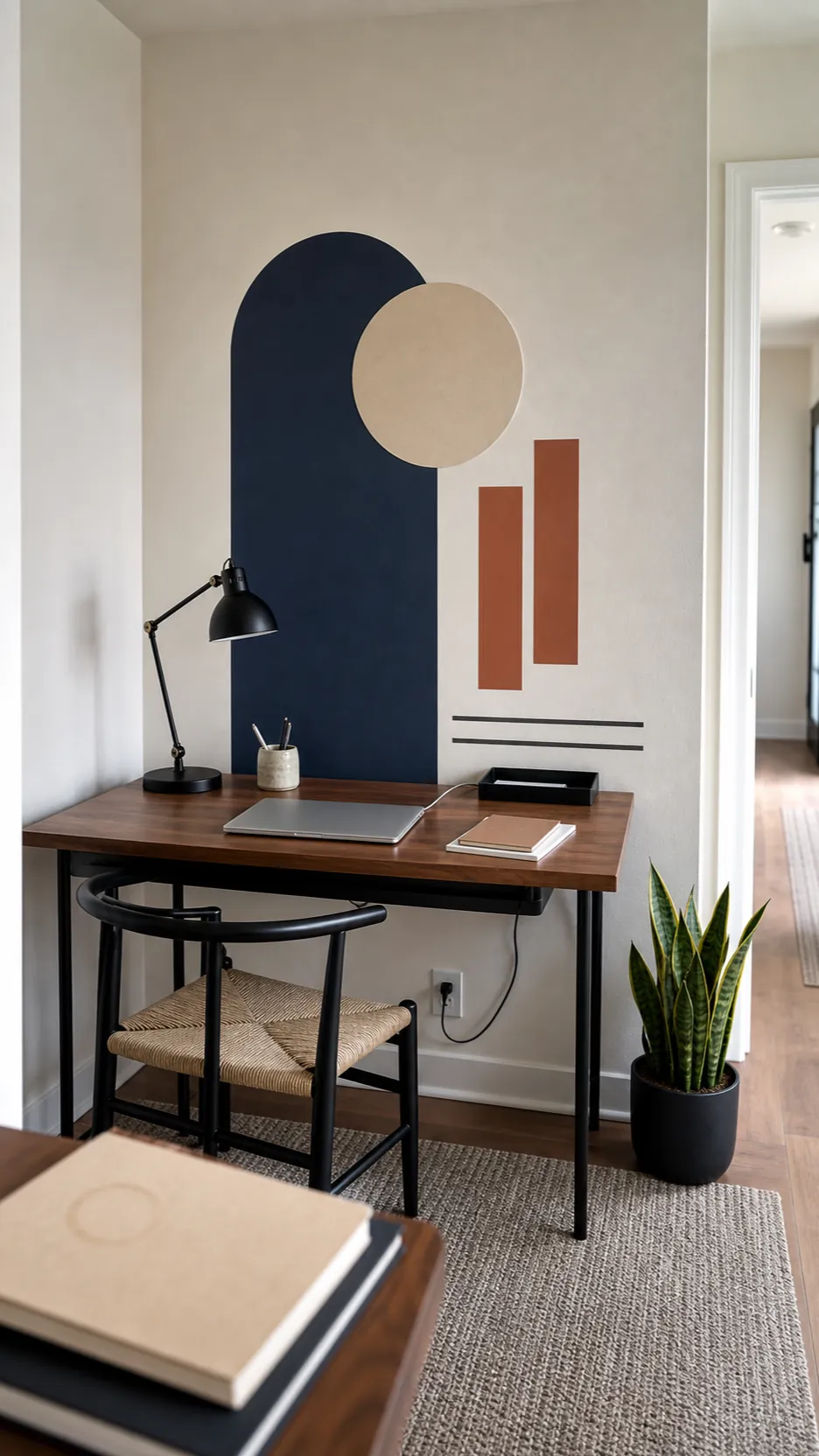
Wall decals make the most sense when the design has a clear job. They can give a nursery a playful theme without committing to wallpaper, turn a blank rental wall into a focal point, label a home office, or refresh a child’s room as interests change. In these situations, their temporary nature is an advantage rather than a compromise.
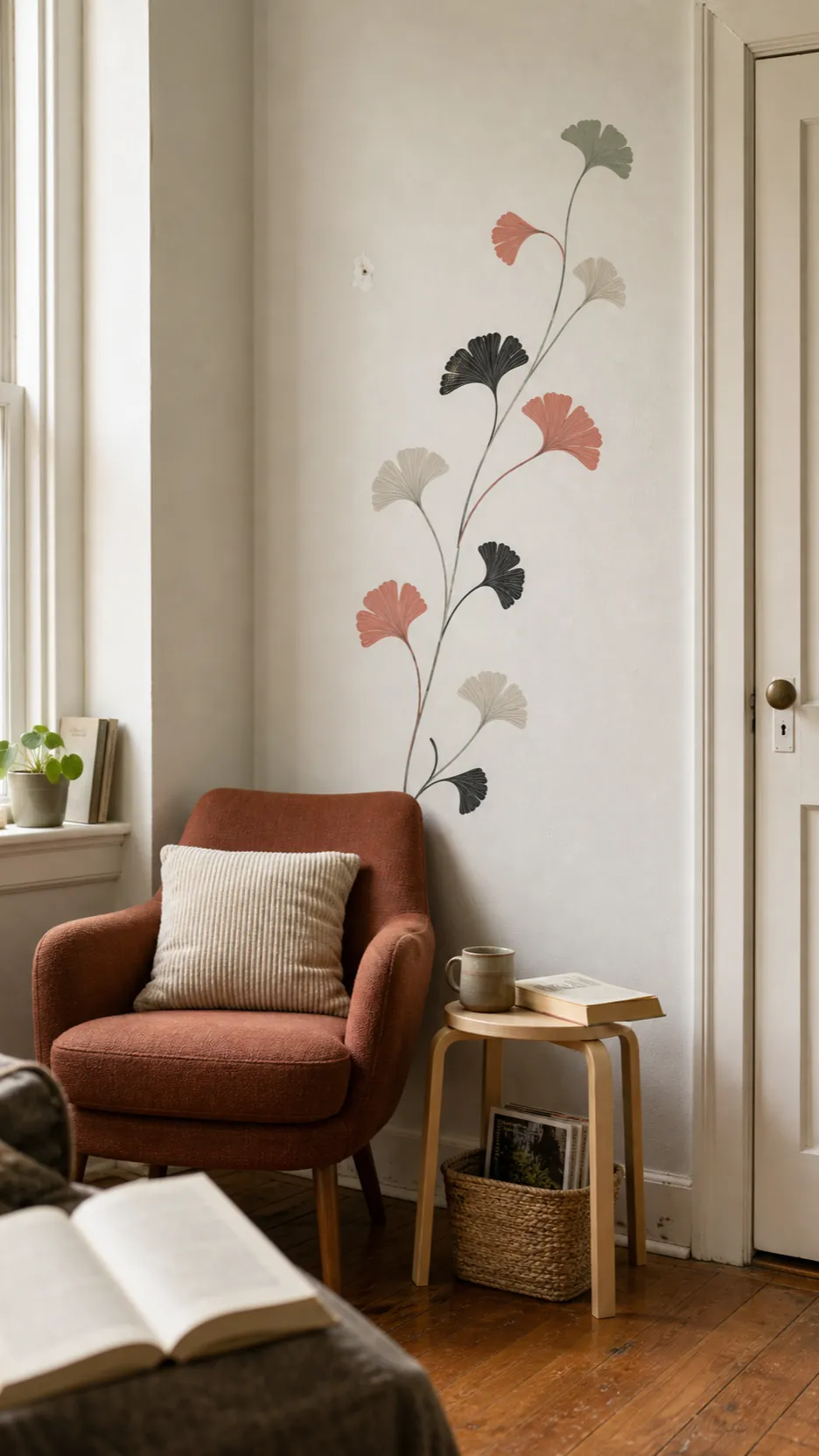
They are usually not the best choice for a prestige living room, a heavily textured wall, a humid or greasy area, or a surface with questionable paint adhesion. If you plan to keep the design for many years, paint, wallpaper, or framed art may offer better visual depth and longevity. Decals win on speed and reversibility, not permanence.
Wall Decal Pros That Actually Matter
- Low commitment: You can test a bold shape, color, or theme without redesigning the whole room.
- Fast transformation: Small sets can change a wall in an afternoon without paint trays, drop cloths, or drying time.
- Useful for awkward areas: Decals can decorate around switches, sloped ceilings, narrow entry walls, or furniture where framed pieces feel crowded.
- Budget control: A selective cluster can create a focal point for much less than a full wallpaper installation or a large collection of framed prints.
- Flexible storytelling: Individual shapes can be spaced to suit the wall instead of forcing the room to accommodate a fixed frame.
The strongest benefit is often overlooked: decals let you decorate in stages. You can place the largest elements first, live with them for a day, and add smaller pieces only where the composition needs balance. Repositionable fabric decals are especially forgiving, although the exact behavior varies by product.
The Cons Sellers Tend to Minimize
The biggest risk is paint damage. People often blame the vinyl, but removal can expose a paint problem that was already present: poor surface preparation, no primer, moisture, dusty plaster, or fresh paint that never fully cured. Stronger adhesion and longer installation time can increase the chance of lifting a weak layer.
Surface texture causes a different problem. Decals need enough contact area to grip. Orange-peel texture, heavy knockdown, brick, rough plaster, and chalky matte paint reduce that contact. Pressing harder may not solve it; it can simply make removal riskier while edges still lift.
- Large pieces can stretch, fold onto themselves, trap air, or require a second installer.
- Thin glossy vinyl can reflect light and reveal the sticker edge.
- Very small details can curl sooner than broad, simple shapes.
- Heat, steam, dust, and cooking residue can weaken the bond.
- “Removable” rarely means “infinitely reusable.” Adhesive gathers dust and loses strength after handling.
Do Wall Decals Look Cheap?
They can, but the material is only part of the problem. Wall stickers look cheap when they are undersized for the furniture, scattered without a visual hierarchy, printed with weak color, visibly glossy, or surrounded by unrelated clutter. A decal also looks less intentional when it floats at eye level with no connection to the bed, desk, shelf, or architectural line below it.
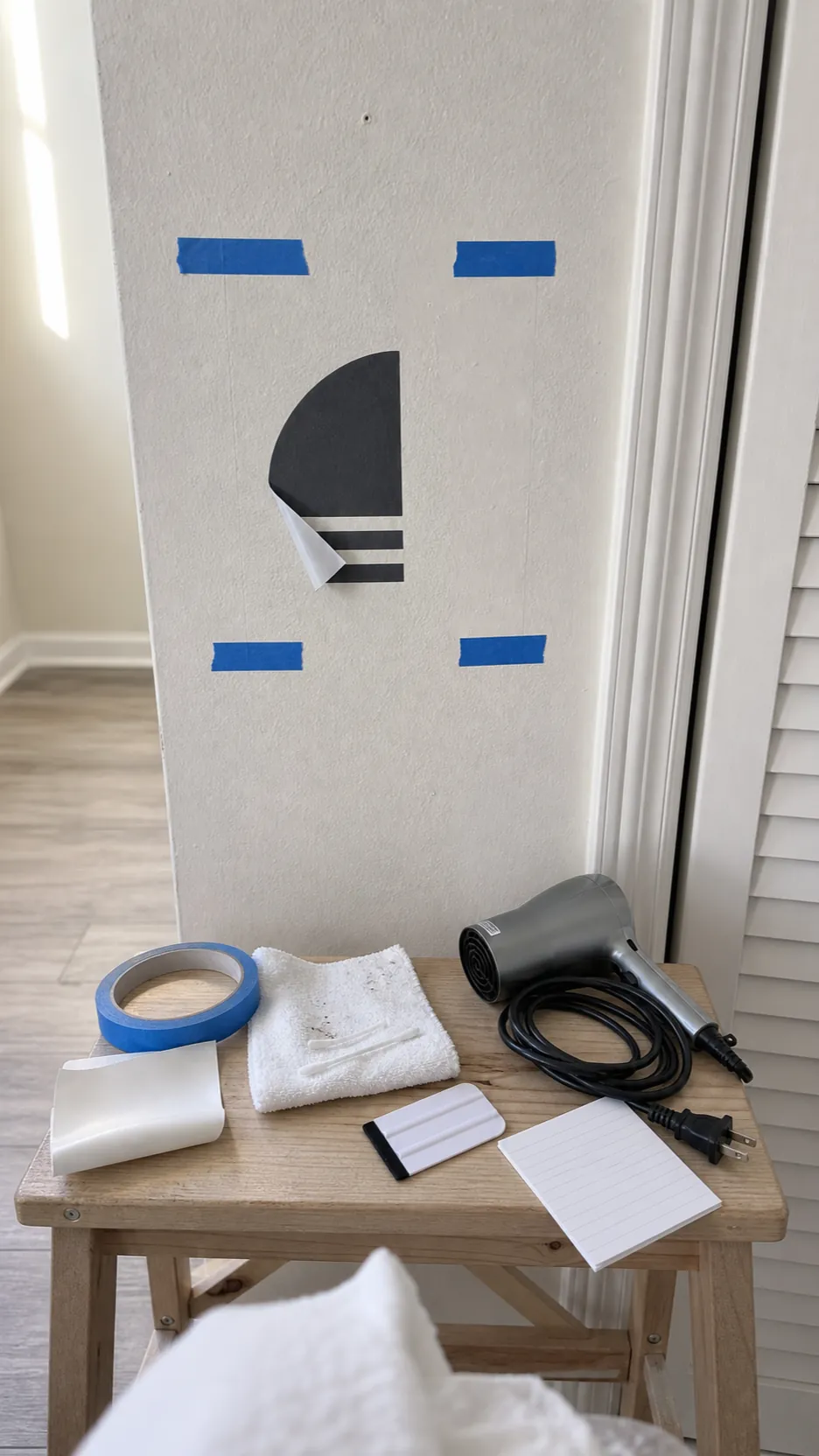
A more polished result begins with scale. Map the proposed design with painter’s tape or paper templates, then step back from the doorway. Let one element lead, keep spacing deliberate, and leave enough blank wall for the shapes to breathe. Matte finishes generally integrate better with painted walls than shiny vinyl. Fabric decals often soften the printed surface and edge, while inexpensive clear-film stickers may catch side light.
Color matters too. Pull two or three tones from objects already in the room—perhaps a rug, duvet, lamp, or chair—and let the decal repeat them. A restrained palette and confident scale make a low-cost wall makeover feel designed rather than improvised.
Best Uses for Wall Decals
Nurseries and kids’ rooms
Children outgrow themes faster than furniture. Decals let you update animals, stars, sports motifs, or growth markers without repainting. Keep small removable pieces out of reach of babies and toddlers, and avoid placing anything that may peel directly above a crib.
Rentals and dorm rooms
Wall stickers for home rentals can add personality where lease rules limit painting or drilling. Ask permission when the agreement is strict, photograph the wall before installation, test first in a hidden spot, and keep the backing paper if the product is designed for reuse.
Seasonal or event decor
A short display reduces long-term adhesive uncertainty and avoids storing bulky signs. Entryways, party backdrops, classroom boards, and holiday corners are natural candidates, provided the product is rated for the surface.
Functional zones
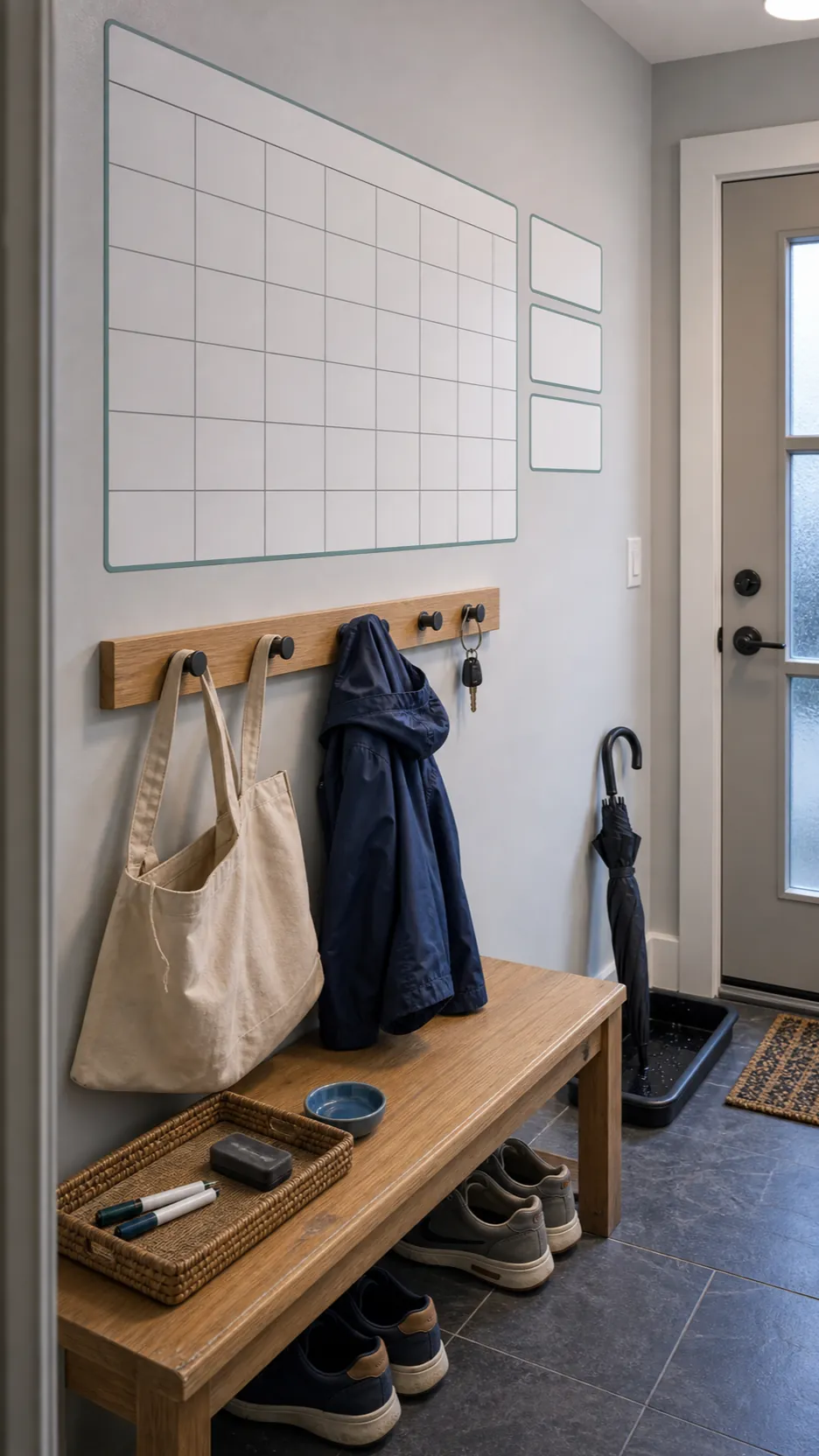
Calendars, labels, growth charts, simple wayfinding, and dry-erase decals earn their space by doing more than decorating. They work especially well in compact homes where a wall must support daily routines without taking floor space.
Wall Decals vs Paint vs Framed Art
| Option | Best advantage | Main drawback | Best for |
|---|---|---|---|
| Wall decals | Fast, flexible visual change | Surface and removal uncertainty | Temporary themes, rentals, small budgets |
| Paint | Seamless color and durable finish | Preparation, drying, and repainting | Long-term room identity and full walls |
| Framed art | Depth, texture, and easy swapping | Hardware, cost, and protruding objects | Collected, layered, more permanent interiors |
Choose decals when the idea depends on many small shapes, a custom silhouette, or a temporary graphic. Choose paint when you want the entire wall to become a consistent color field. Choose framed art when the room needs material presence and a piece that can move to another wall unchanged.
You can also combine them thoughtfully. A sparse decal pattern can fill negative space around a shelf, while one framed piece provides depth. The mistake is asking all three treatments to compete for attention on the same wall.
A Five-Minute Check Before You Buy
- Inspect the wall. Skip flaking, damp, dusty, greasy, or heavily textured surfaces.
- Check paint age. Follow both the paint maker’s cure guidance and the decal maker’s waiting period; dry-to-touch paint may not be fully cured.
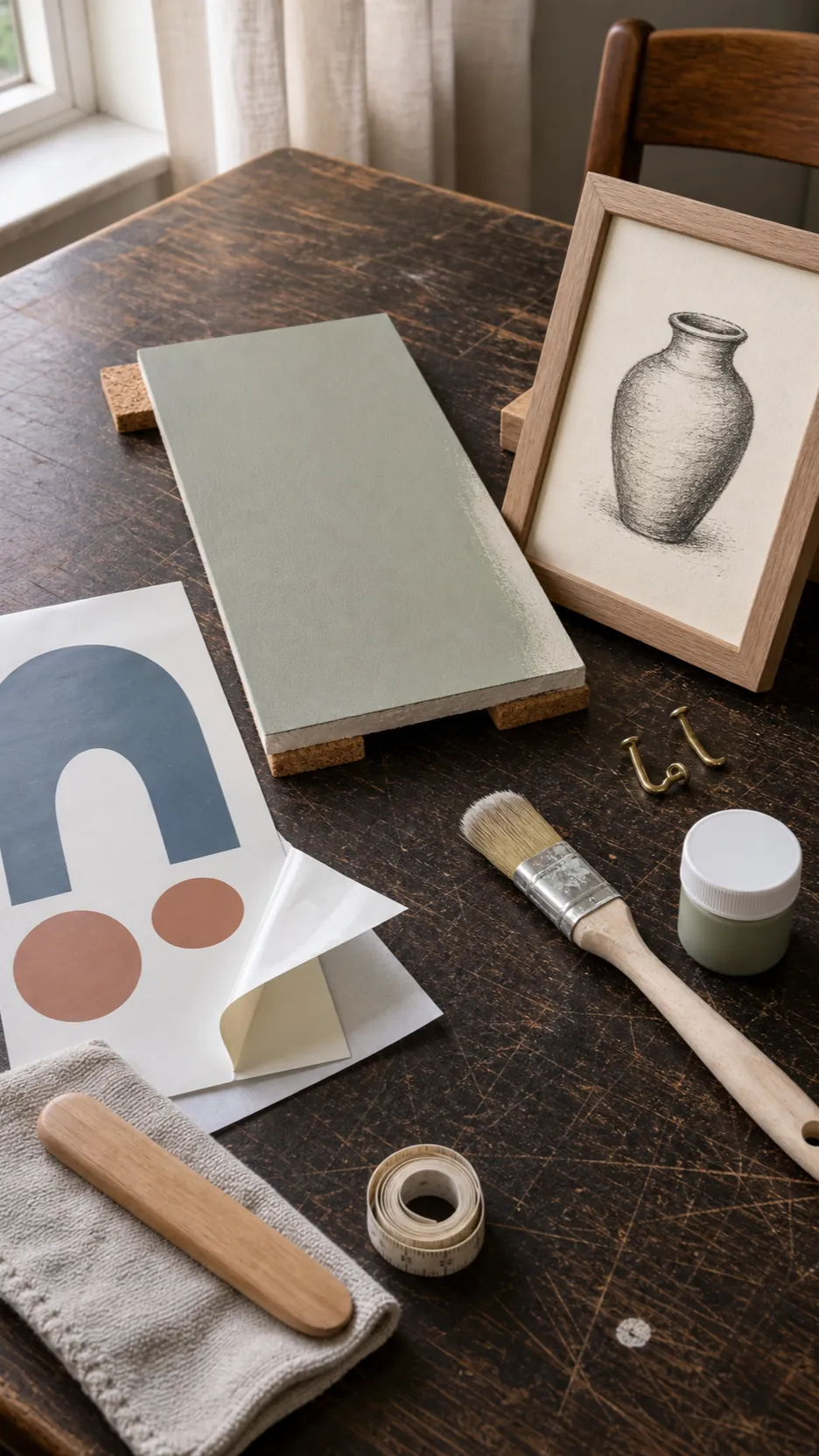
- Order a sample. Apply it in a hidden location, leave it for the recommended test period, and remove it slowly.
- Read material details. Look for wall-specific low-tack adhesive, a matte or fabric finish, and clear surface compatibility—not only the word removable.
- Mock up the scale. Use paper or painter’s tape before ordering a large set.
- Plan the exit. Keep installation instructions and note the removal method before the decal has spent years on the wall.
When removing a decal, warm a small section gently if the manufacturer permits it, peel slowly back over itself rather than pulling sharply away from the wall, and stop if the paint begins to lift. Never assume that more force is the answer.
The Bottom Line
So, are wall decals worth it? Yes—for a defined, temporary job on a suitable wall. They offer a rare combination of low cost, fast installation, and creative freedom. But they are not a substitute for every wall finish, and no adhesive product can guarantee the condition of the paint underneath it.
The smartest purchase is not the largest design you can afford. It is a well-scaled, matte, wall-specific decal that passes a test patch and solves one decorating problem cleanly. If it does that, it has earned its place.