How to Decorate Behind an L Shaped Sofa
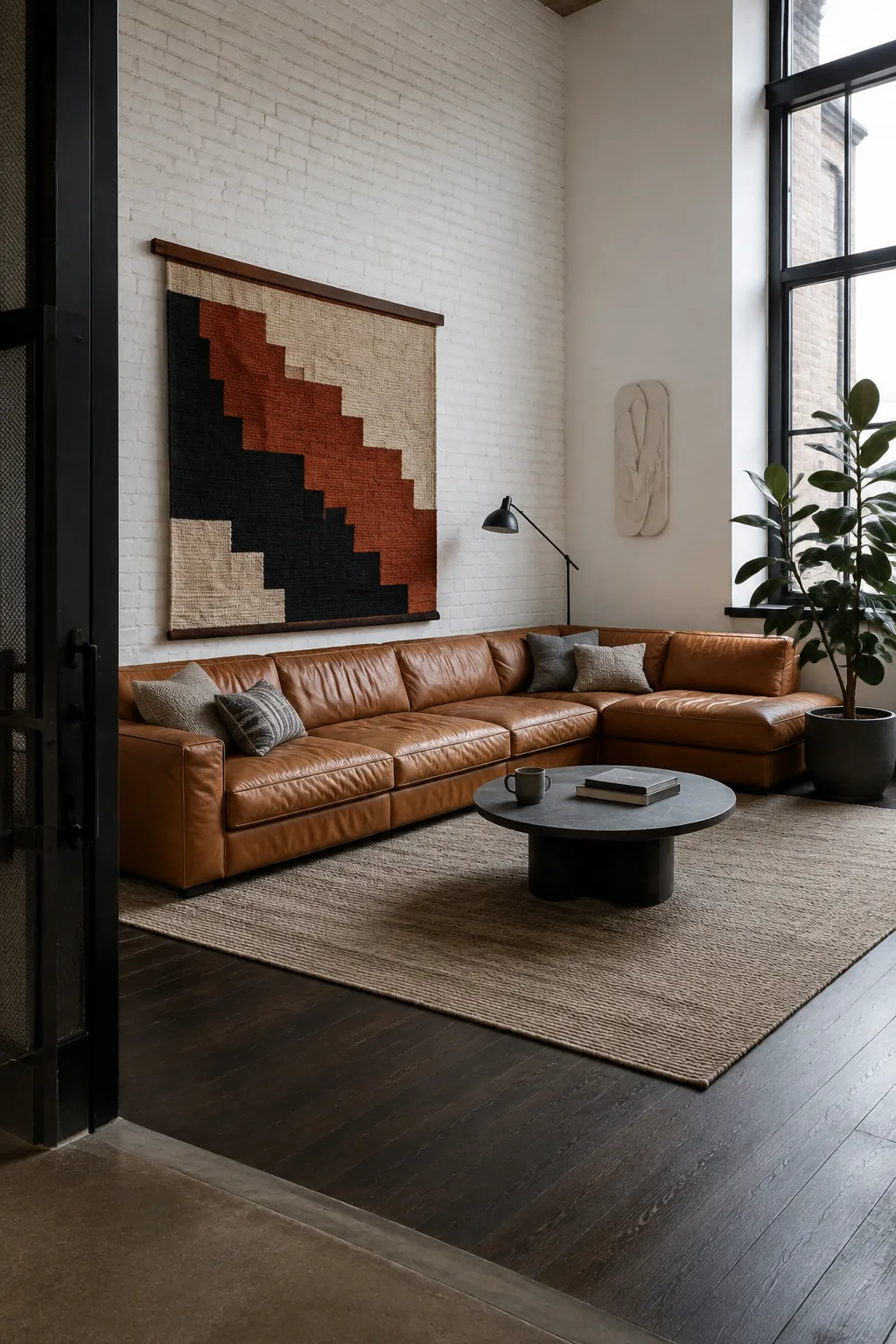
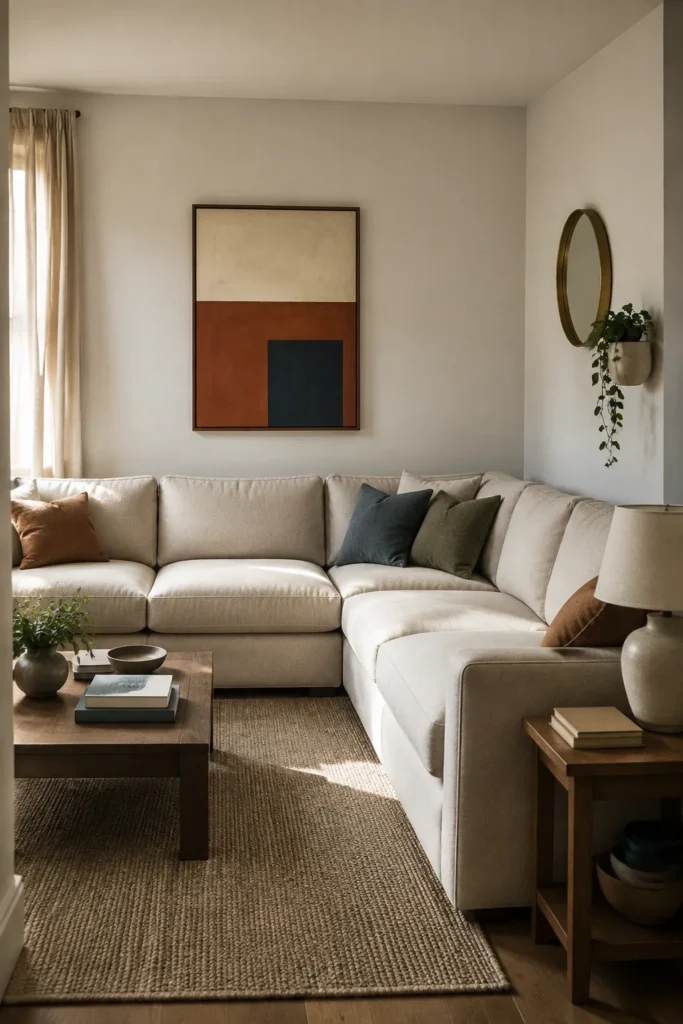
An L shaped sofa solves the seating problem, then creates a visual puzzle: the wall behind it rarely has one obvious center. If you decorate only above the longest seat, the corner can look forgotten. If you fill both walls equally, the room can feel crowded. The most convincing solution is to treat the sofa as one connected footprint while letting each wall play a different role.
Start With the Sofa Footprint, Not the Wall
Stand at the main entrance to the room and notice which arm of the sectional reads first. That longer or more visible run should carry the strongest decorative weight. The shorter return can support it with quieter pieces, a lamp, or open space. This approach keeps L shaped sofa wall decor connected without forcing a rigid mirror image across the corner.
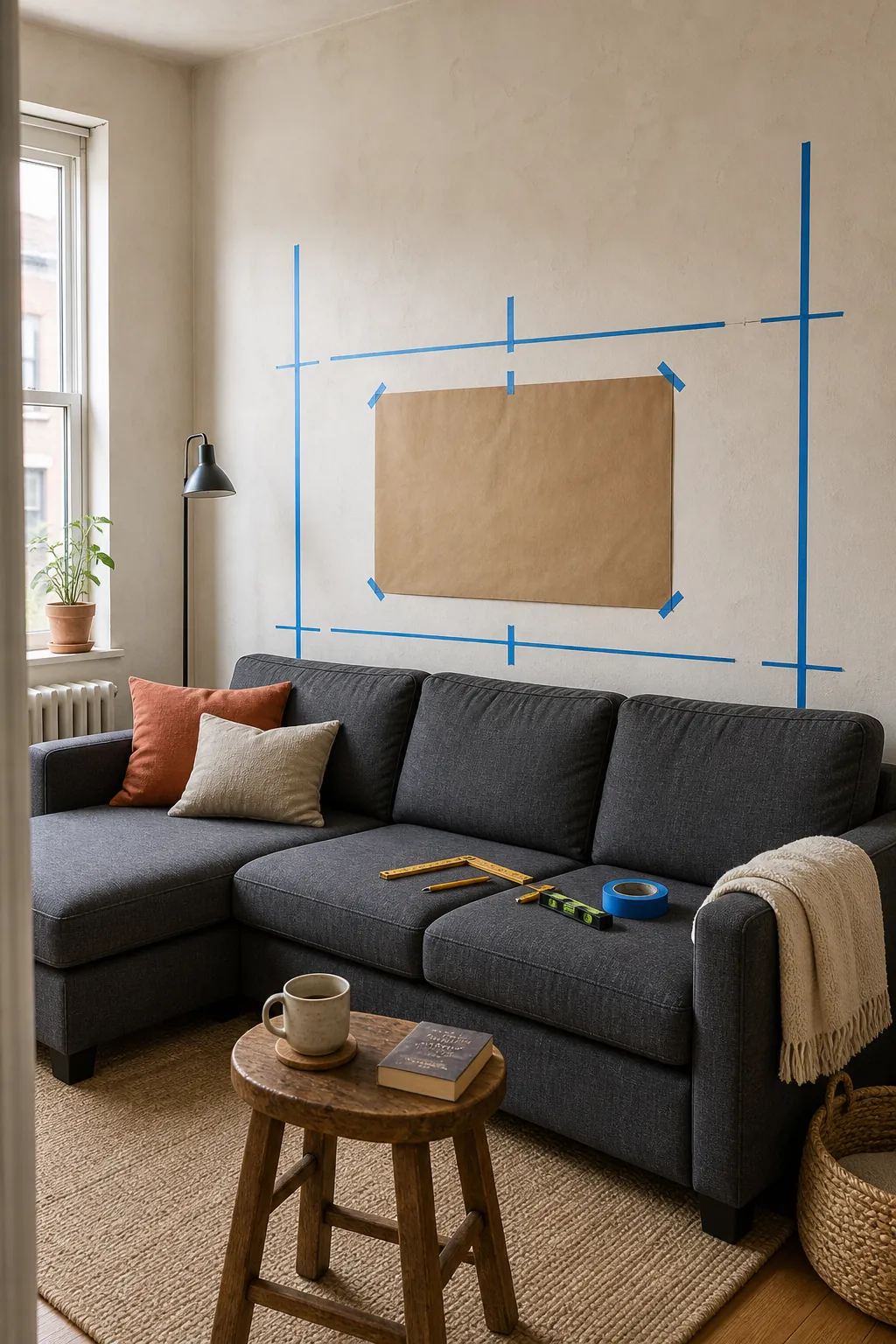
Mark the outer edges of the sofa with removable tape on the wall, then mark the visual center of the complete seating group. Compare that point with the center of the longest wall section. Your main artwork usually belongs between those two reference points, adjusted toward the view that matters most. This simple test prevents a piece from looking mathematically centered on the wall but oddly detached from the furniture.
Choose One Wall as the Visual Anchor
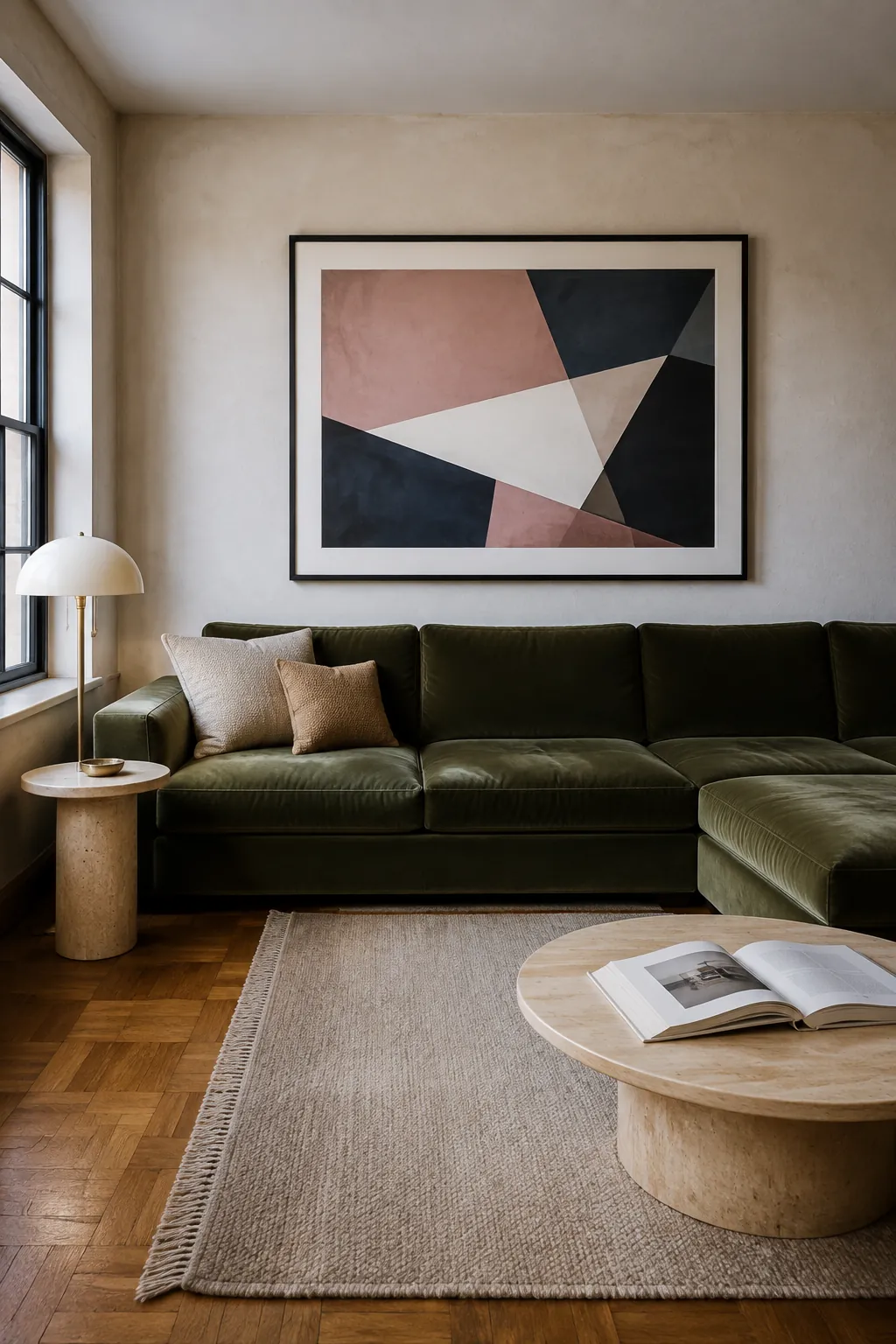
The room needs a clear place for the eye to settle. Place one substantial work, a balanced pair, or a compact arrangement above the longest sofa run. Let its overall width relate to the seating below rather than to the entire wall. A grouping that feels roughly two thirds as wide as the furniture beneath it often looks grounded, while a tiny piece tends to float.
Keep the bottom of the arrangement close enough to the sofa that the two read as a unit. About six to ten inches above the back is a useful starting range, though deep cushions and tall sitters may need more clearance. Test the position with paper shapes before making holes. Above sofa wall decor should feel attached to the seating, not stranded near the ceiling.
Turn the Corner Without Matching Both Sides
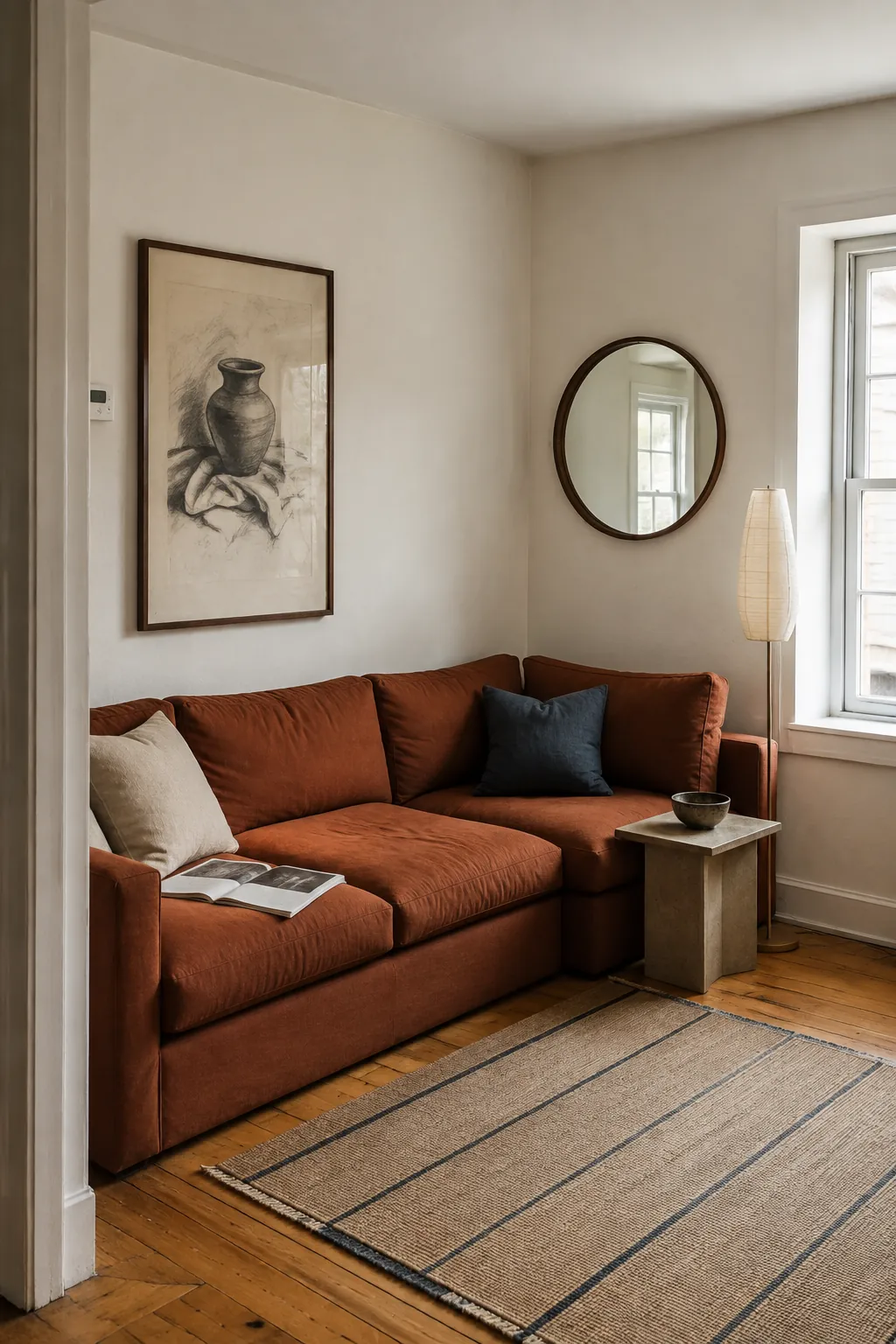
The inside corner is where many arrangements become stiff. Avoid placing identical objects at identical heights on both walls. Instead, allow the main composition to finish before the corner, then echo one color, material, or shape on the return wall. A round mirror beside a rectangular print, for example, can relate through frame color while keeping the geometry lively.
Leave a deliberate strip of bare wall at the corner so the two compositions can breathe. The gap should look wider than the spaces inside a gallery grouping. That distinction tells the eye that the areas are related but not one continuous puzzle. It is especially useful for wall decor around a corner sofa in a modest room, where filling every surface quickly becomes visual noise.
Build a Gallery Wall From a Shared Baseline
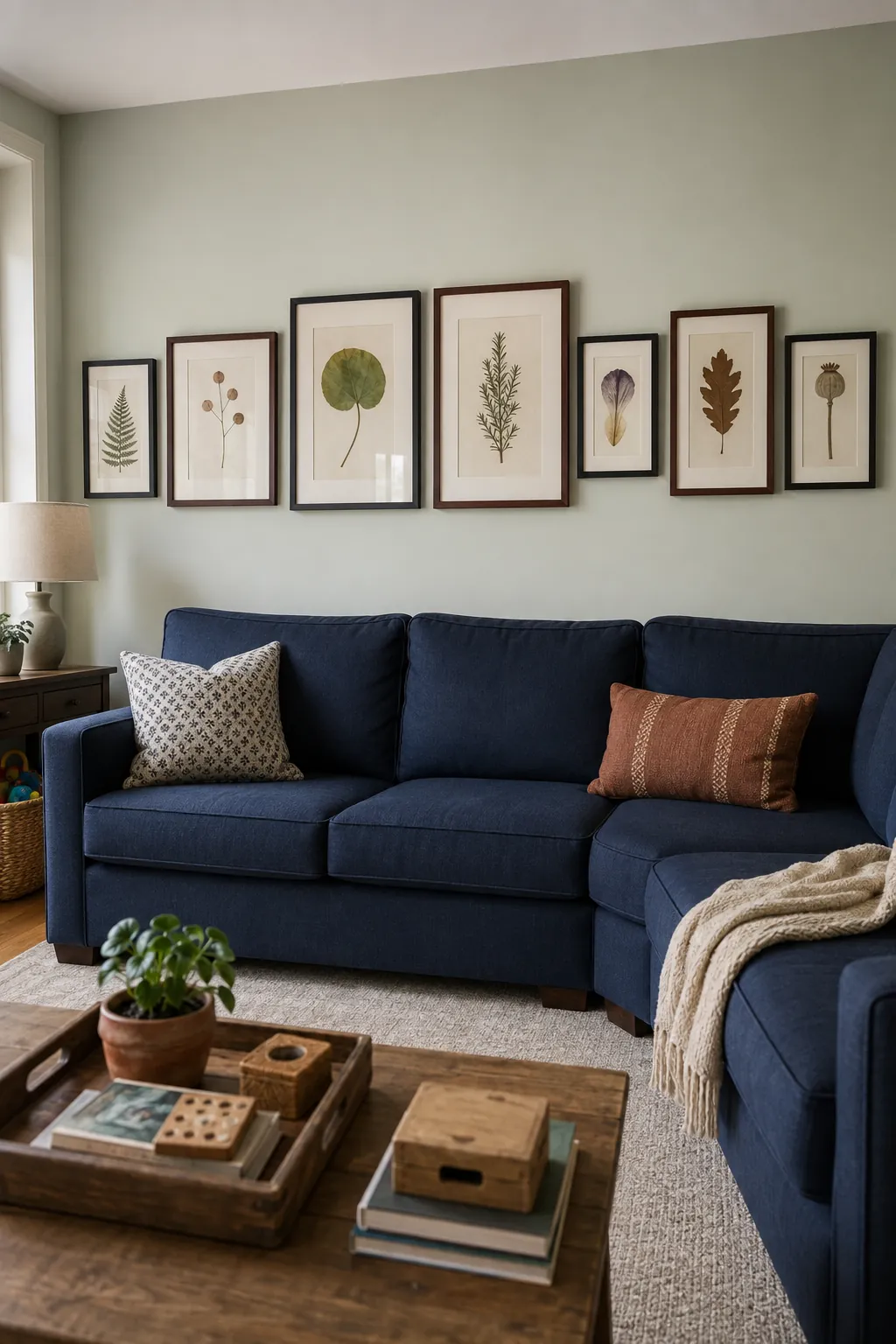
A sectional sofa gallery wall works best when its lower edge follows the furniture more clearly than its upper edge follows the ceiling. Begin with two or three larger frames, then add smaller pieces around them. Keep the space between frames consistent enough to look intentional. Mixed sizes feel collected when the gaps and frame finishes create a quiet rhythm.
Use one subject thread to prevent the display from becoming random. Family photographs can share warm mats, botanical studies can repeat muted green, or travel prints can use the same black frame. Lay the complete arrangement on the floor first and photograph it from above. Then replace each frame with paper on the wall so you can judge the composition from the doorway and the main chair.
Use the Space Behind a Floating Sectional Carefully
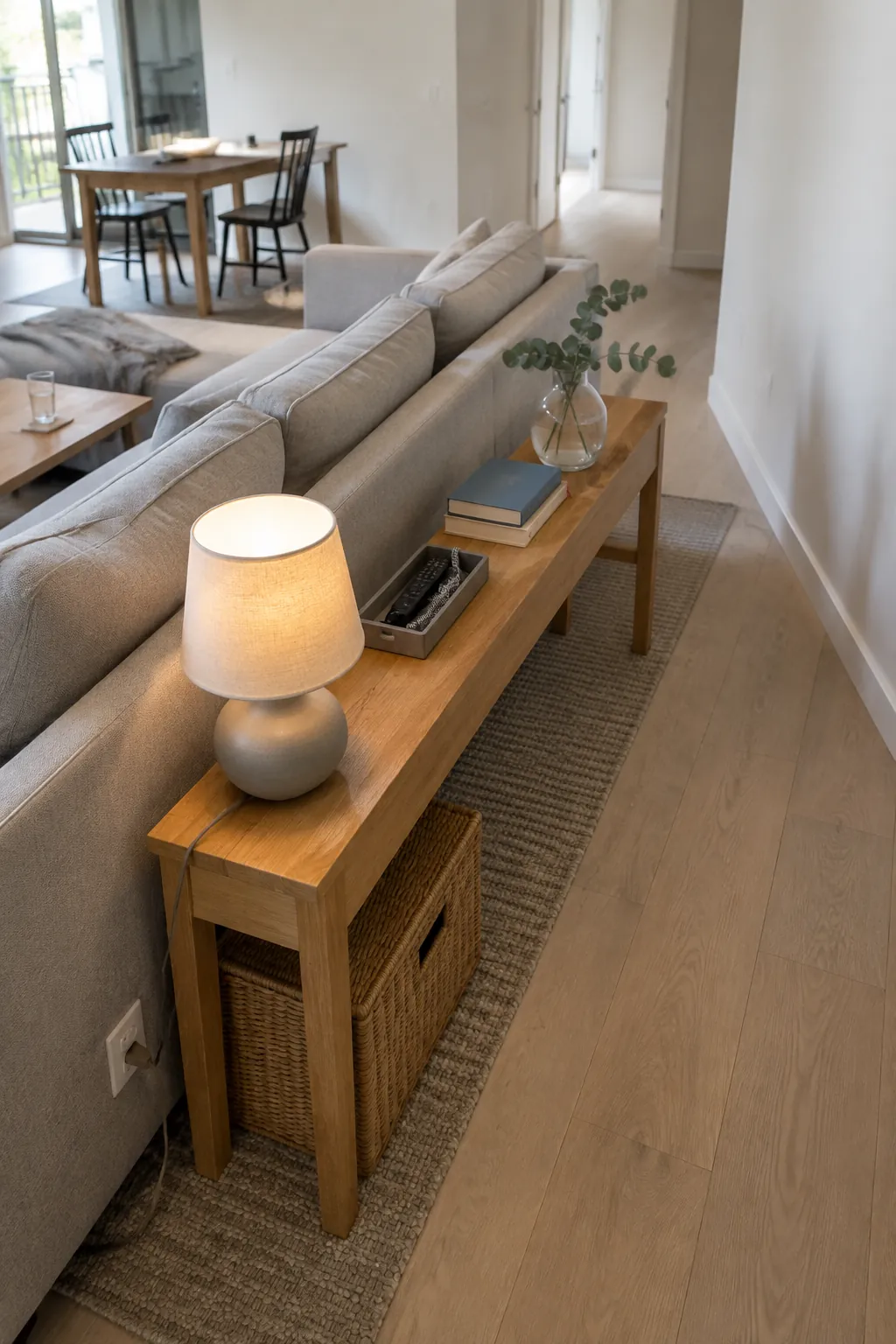
When the sofa sits away from the wall, first decide whether the gap has a job. A slim console can hold a shaded lamp, charging tray, and a few restrained objects while defining the edge of the seating zone. It should be lower than the sofa back and shallow enough to preserve the walkway. If the passage becomes tight or the surface collects clutter, an empty gap is the better design choice.
This is where real life should overrule a decorative formula. A household with children may need a clear route and rounded corners. A renter may prefer one floor lamp and a tall plant instead of furniture or extra wall holes. Good corner couch wall ideas support movement, lighting, and storage before they add another object.
Check Scale, Sightlines, and Daily Comfort
Finish by sitting in every seat and walking each normal route through the room. Frames should not feel close enough to brush a head, and shelves should not project over deep cushions. From the entrance, the main piece should read first, the corner accent second, and smaller objects last. That visual order makes the room calm even when the wall holds several elements.
Take a phone photo in grayscale to test balance without being distracted by color. If one end looks heavy, remove something before adding to the other side. The strongest living room wall decor ideas usually rely on editing, not filling. Once the sofa and wall feel like one composition, stop and let the remaining blank space frame the result.