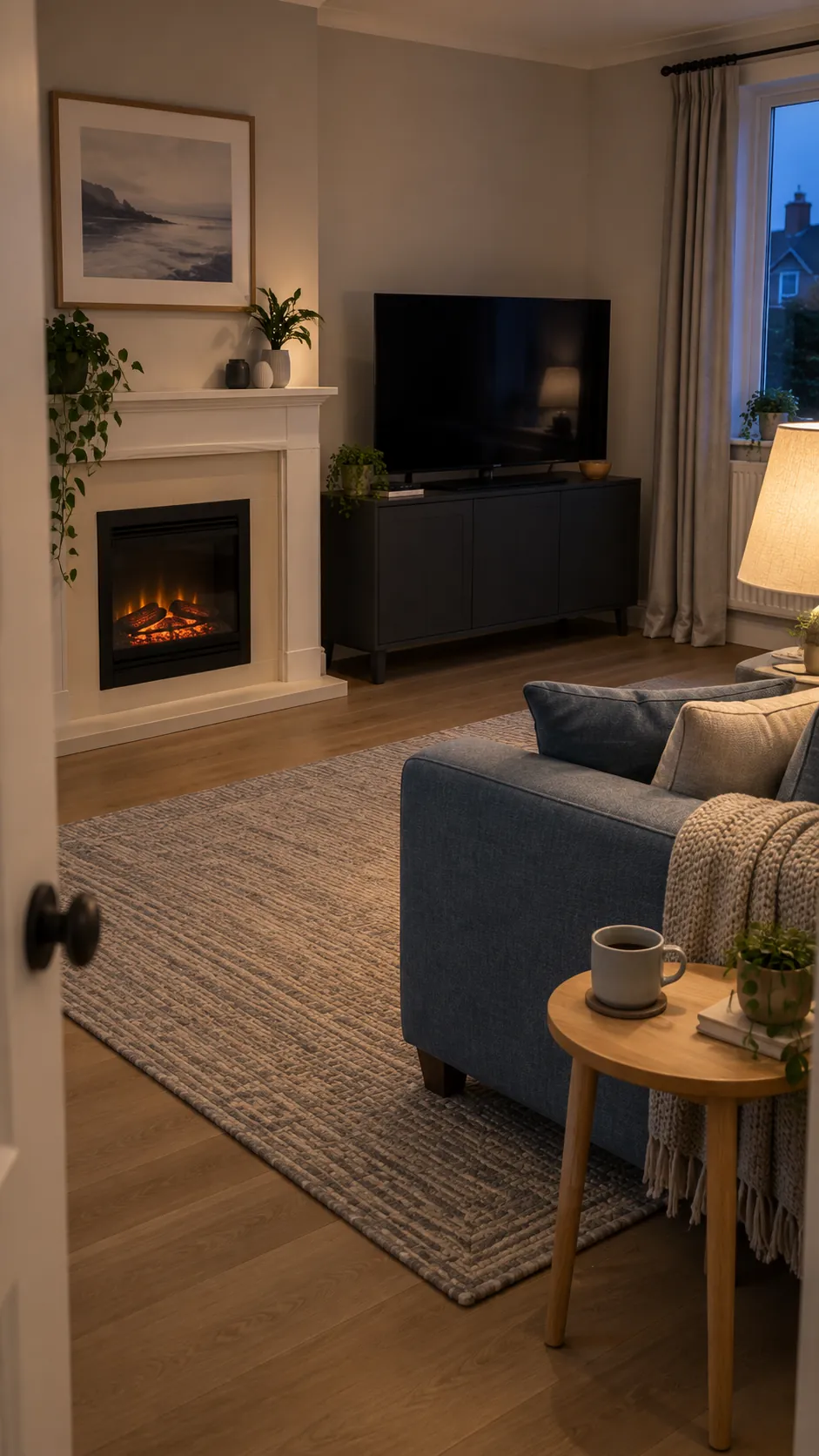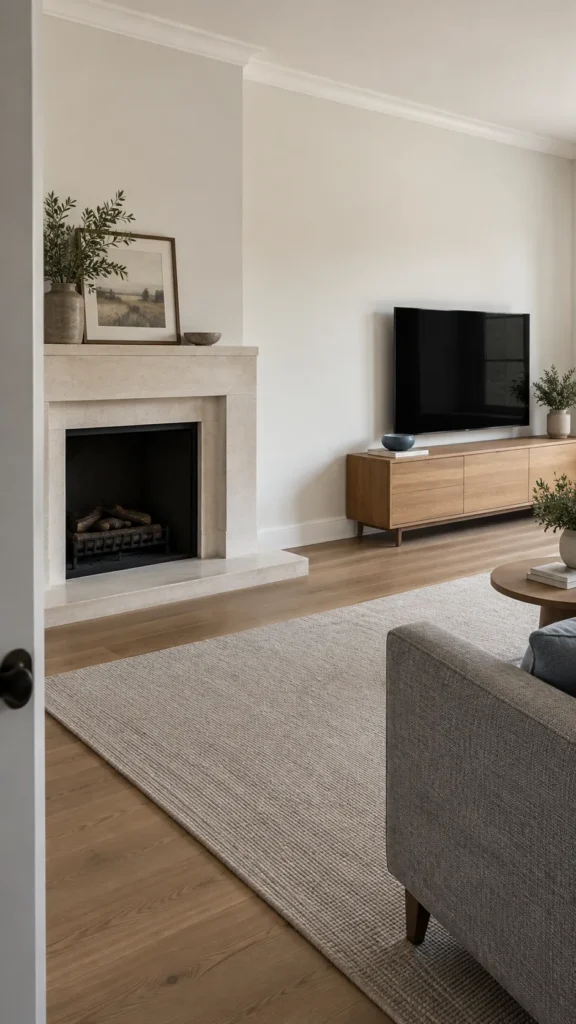
How to Design a TV Wall With a Fireplace
The neatest sketch can put the screen exactly where heat and an uncomfortable viewing angle make it a poor fit. Set those constraints first. You can still create a cohesive focal wall, but the television does not have to sit directly above the fire to belong in the same room.
Choose the fireplace before drawing the wall
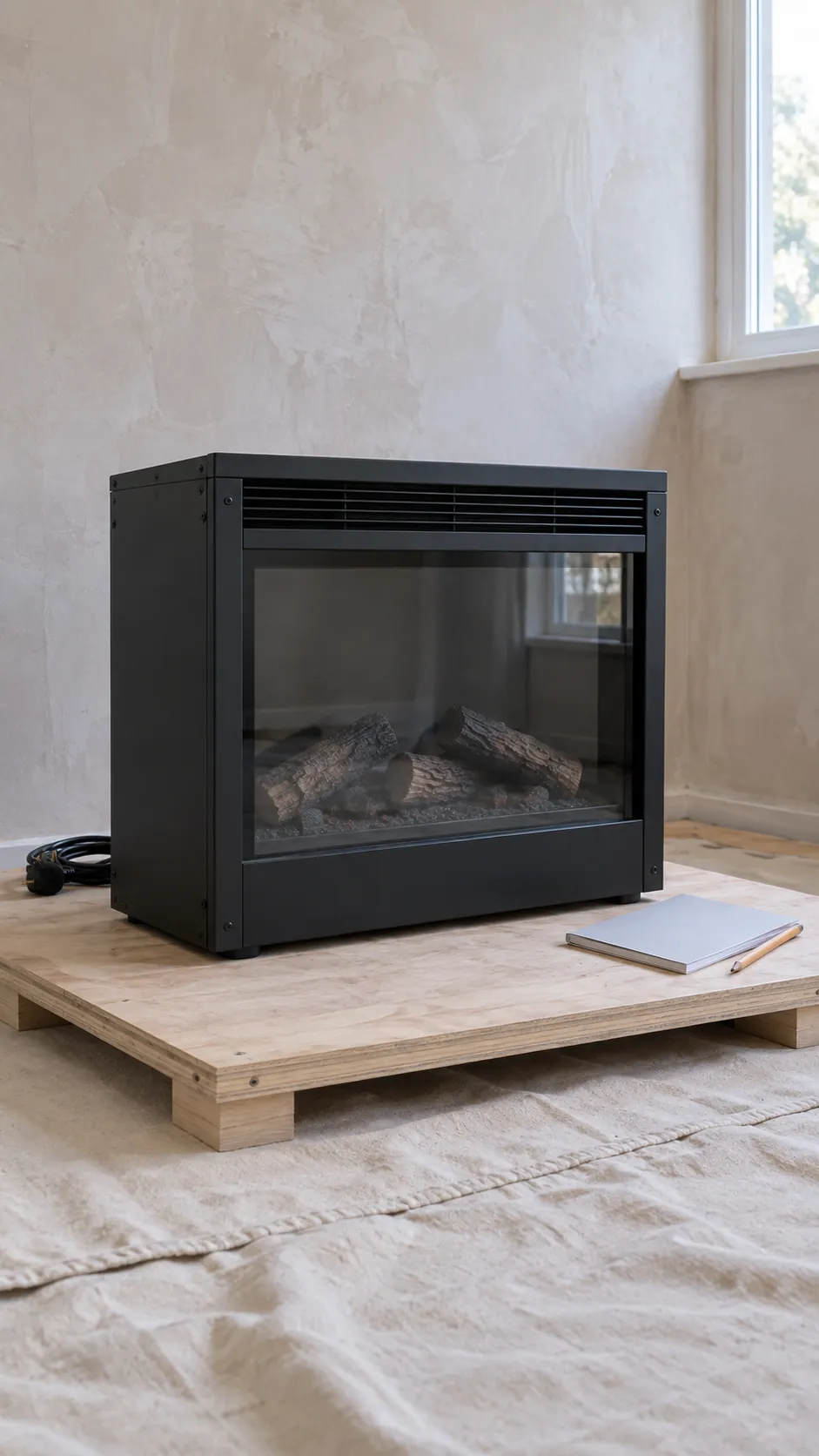
A media wall with fireplace features has to begin with the exact appliance, not a rectangle copied from a photograph. A wood burning fireplace, a gas appliance and an electric unit have different installation requirements. Even two electric models can differ in where they release heat and how much space they need around the enclosure.
Get the installation manual for the model you are considering and review it with the appropriate qualified installer. Identify clearances, required ventilation, permitted facing materials, service access and any restrictions on a television above. Check the television’s own environmental limits too. Do not treat a mantel, a stone surface or a general distance quoted online as proof that the arrangement is suitable.
If you are keeping an existing fireplace, have its condition and installation assessed before building around it. Decorative work must not conceal a problem or obstruct a required vent, flue, access panel or control. The appliance requirements set the limits within which the design can happen.
Compare a stacked layout with a separate screen
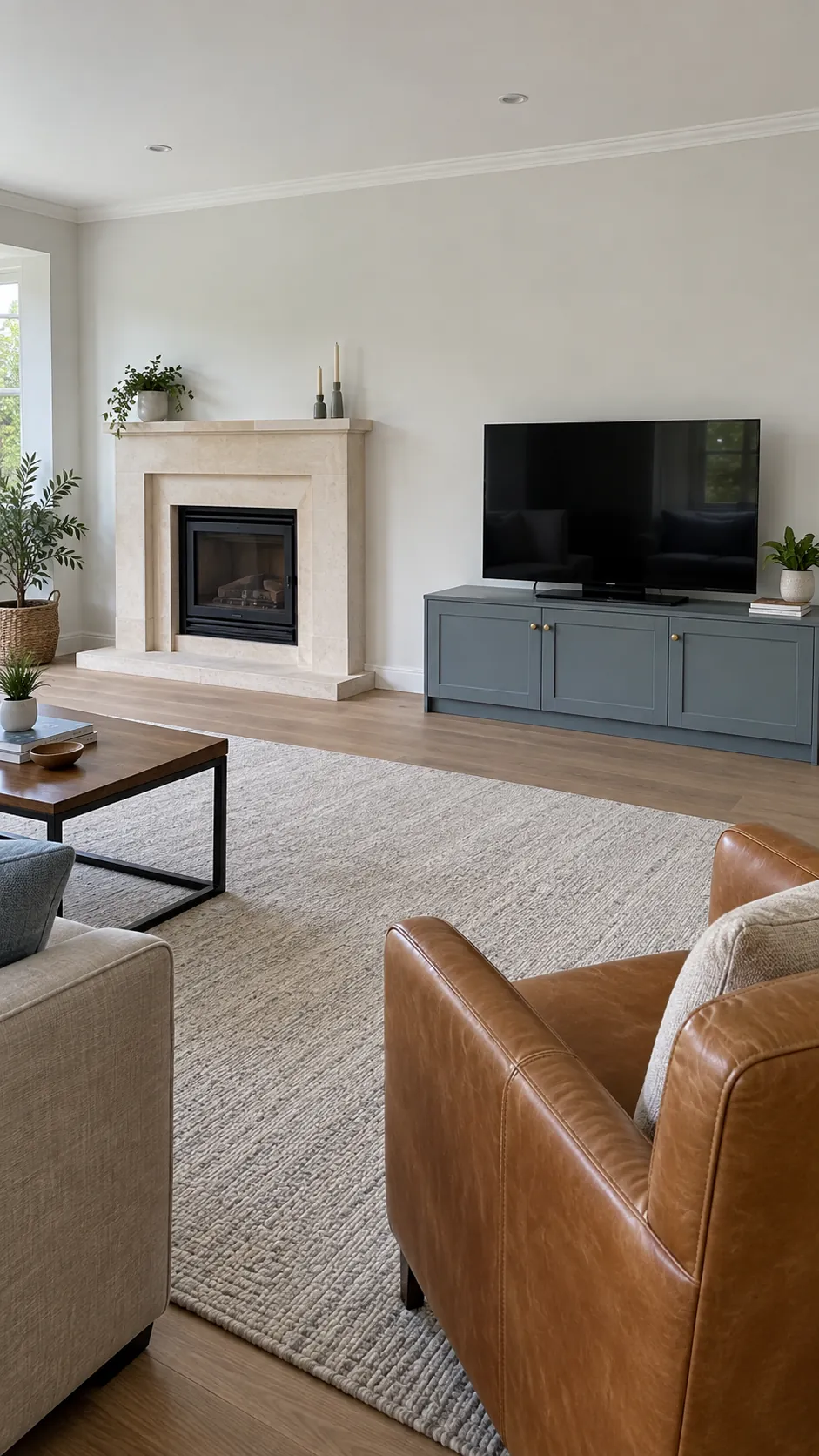
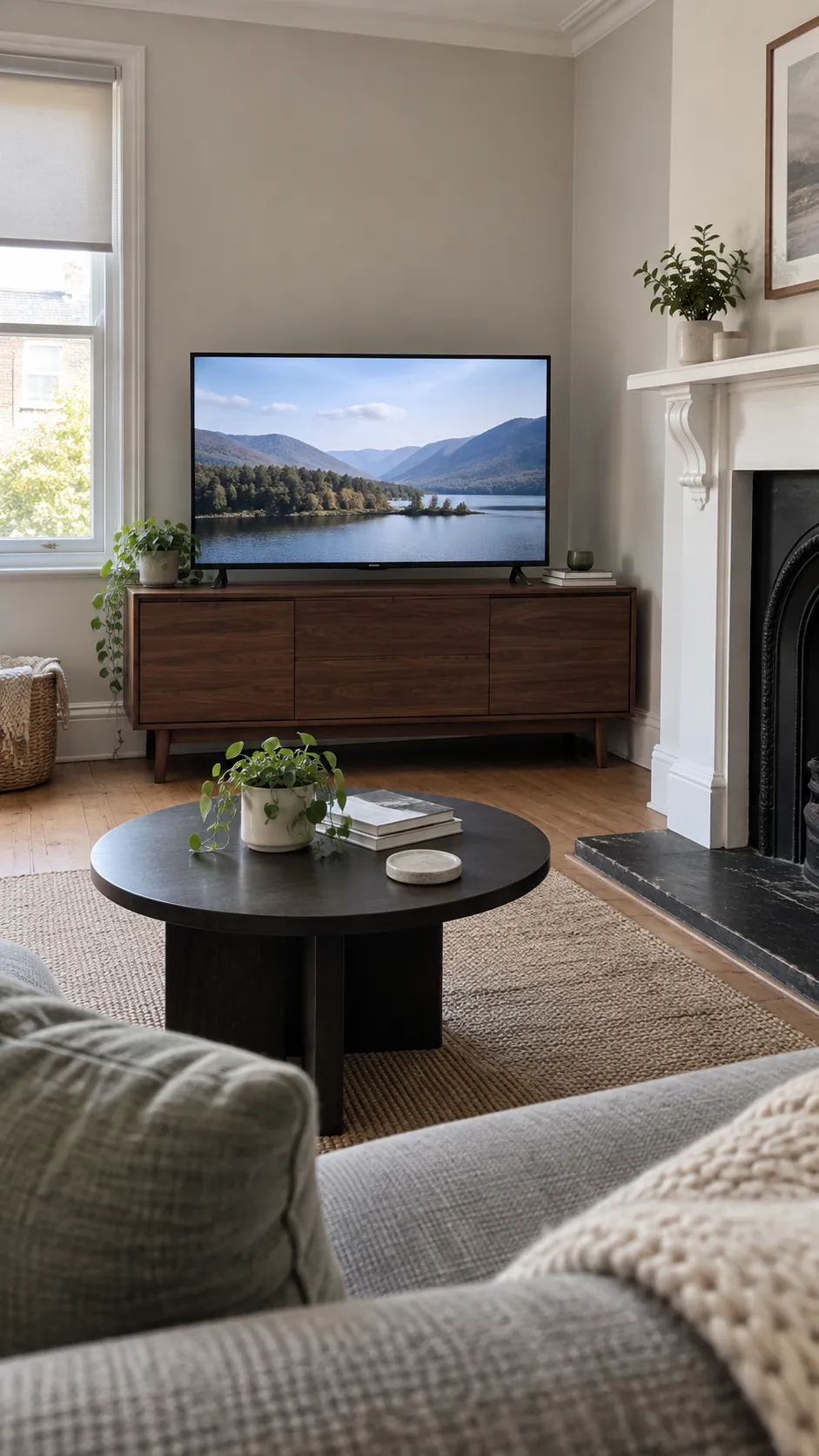
Putting the television above the fireplace gives the room one obvious focal area, but it can raise the screen beyond a comfortable viewing position. Try a side by side arrangement on the same wall if there is enough width. The fireplace can remain prominent while the television sits lower over its own cabinet.
An adjacent wall is another option, especially when the fireplace has a tall traditional surround. Arrange seating so the television is comfortable to watch without forcing every chair to face both features equally. Fireplace TV wall design does not have to make two different uses share the same center line.
Test the screen from your actual seat
Mark the proposed television outline and sit in your normal viewing position. Consider the height of the sofa, your posture, the screen size and the distance across the room. Check the seats used most often rather than judging the arrangement while standing directly in front of the wall.
If the required fireplace clearances push the television too high, change the layout or appliance choice. A tilting mount changes the screen angle but does not lower its position. A moving mount adds further compatibility, heat and clearance requirements; do not assume you can lower a screen in front of an operating fireplace.
Include the soundbar and any center speaker in this trial. Leaving them until last can force the screen upward or put equipment where heat, a mantel or the fireplace opening makes it unsuitable.
Choose finishes as part of the full assembly
A surface that looks like stone is not automatically suitable near heat, and a noncombustible facing does not make everything behind it compliant. The backing, adhesive, framing and installation method matter as well. Have the installer confirm the complete assembly against the appliance instructions and local requirements.
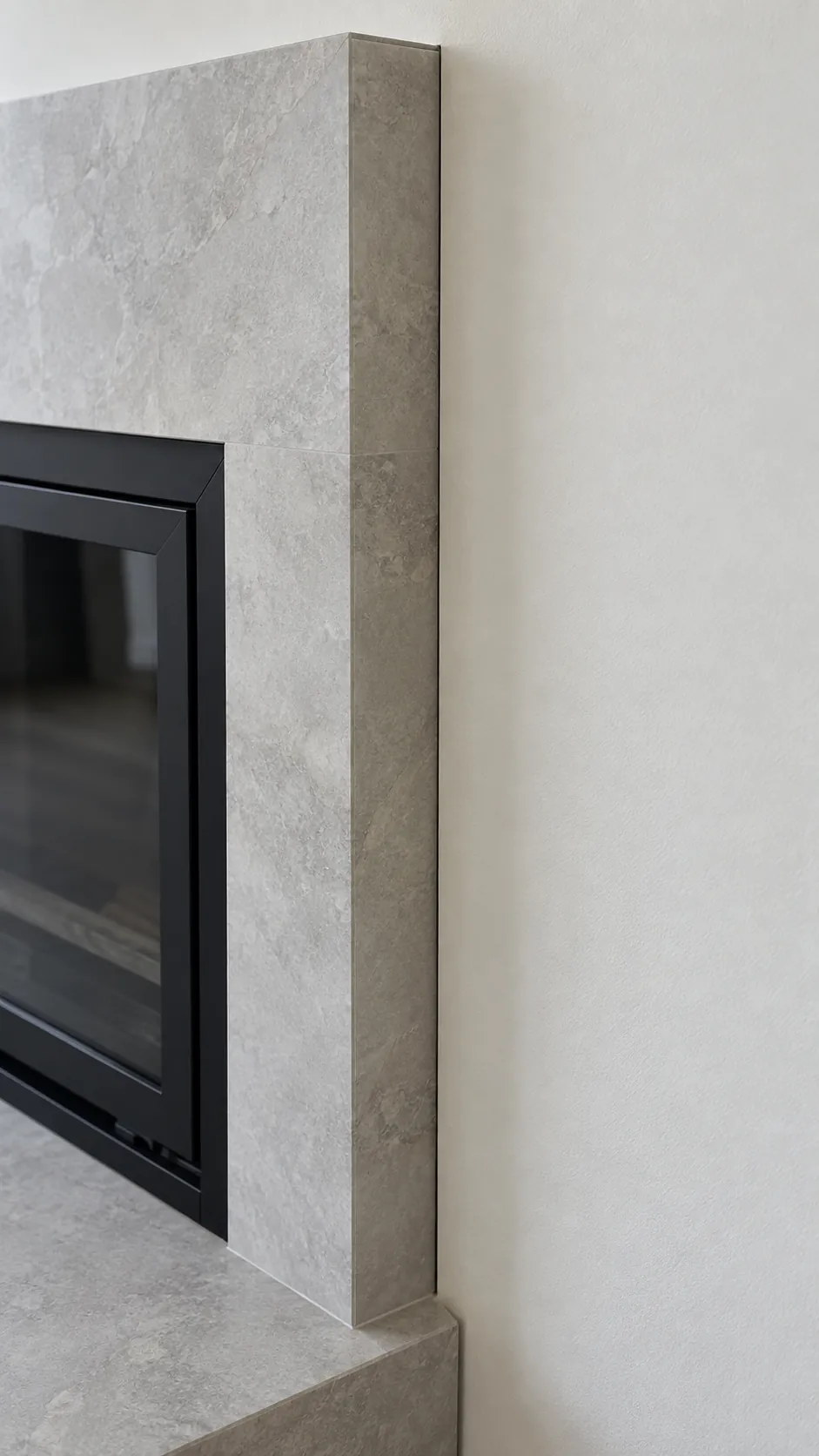
Once those requirements are settled, keep the visual hierarchy simple. A quiet plaster finish with a defined surround can let the fire and screen remain the main shapes. If you choose strongly veined stone, reduce competing patterns nearby. View a large sample with the television off, because the black screen will still be part of the composition.
For TV above fireplace decor, keep ornaments out of required clearances and away from vents and controls. A mantel is a working part of the installation when the appliance specifies it, not a universal heat shield that can be resized for appearance alone.
Reserve access for heat, cables and repairs
A built in fireplace TV wall needs a service plan before the finish closes it in. Confirm how the fireplace is accessed and removed, where controls remain reachable and which openings must stay clear. Give the television mount its own appropriate structural support without interfering with the fireplace or flue.
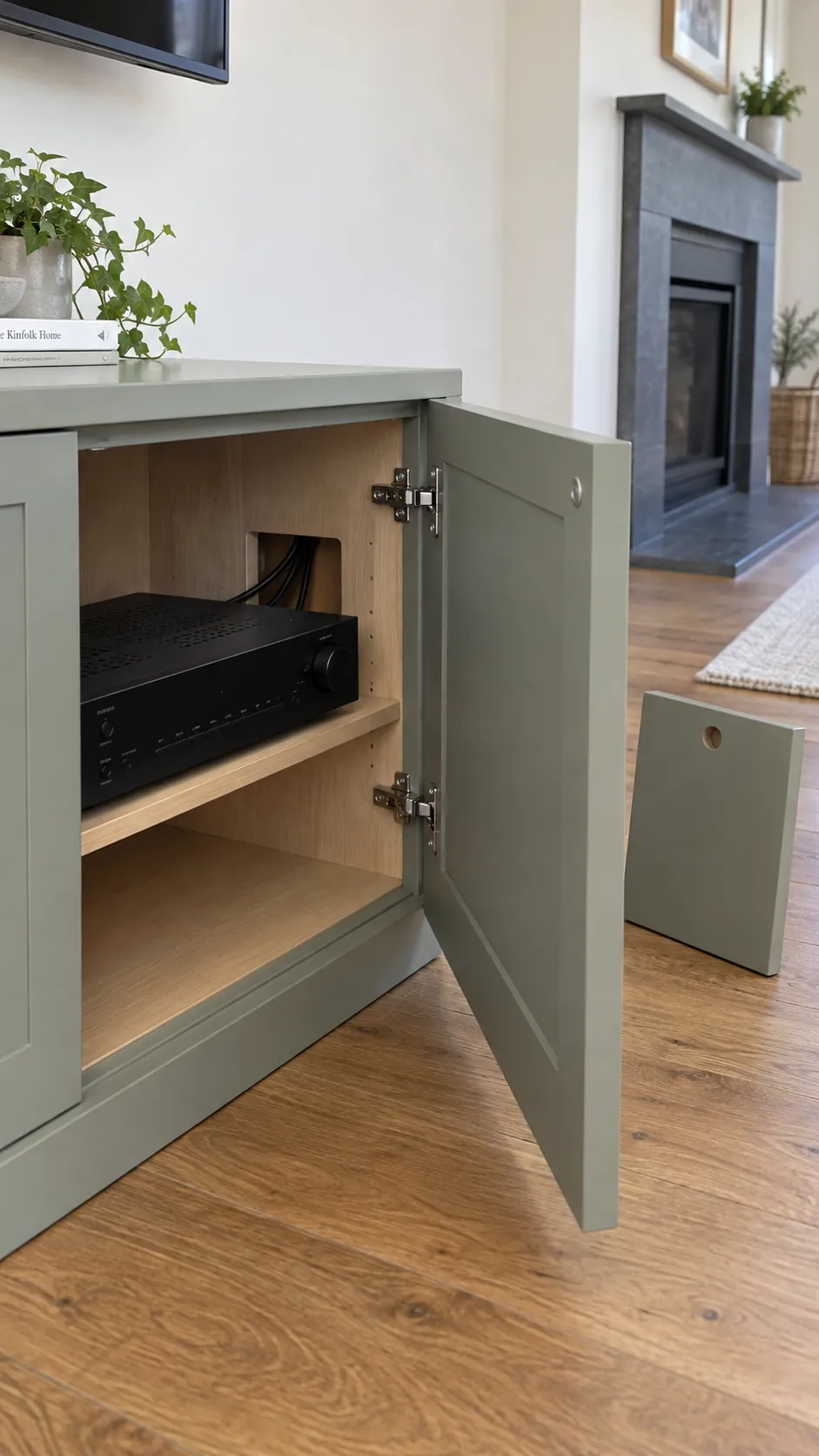
Route power and data through suitable systems away from prohibited heat zones, following local electrical rules. Use qualified trades for the work that requires them, and do not bury ordinary extension leads or television power cords inside the wall. A hidden cable is only a good detail if it is also appropriate and replaceable.
Keep equipment cabinets outside the required clearances and provide the airflow specified for the devices inside them. Allow space for plugs and hands at the rear, not merely the box dimensions. Ask the installer to show you the access points before signing off on the finished work.
Review the room with both features in use
After the installation has been checked and commissioned as appropriate, assess the room during normal use. Watch for distracting reflections from the fire or lamps and make sure the controls remain easy to reach. If the area around the television becomes unexpectedly hot, stop using the fireplace and have the installer investigate rather than adding an improvised shield.
Keep the operating instructions and installation records with the appliance details. Later changes to the screen, mount, mantel or surrounding cabinetry can affect the original arrangement. The best wall is the one that lets you enjoy the fire and watch television comfortably without either use depending on a compromise you regret every evening.