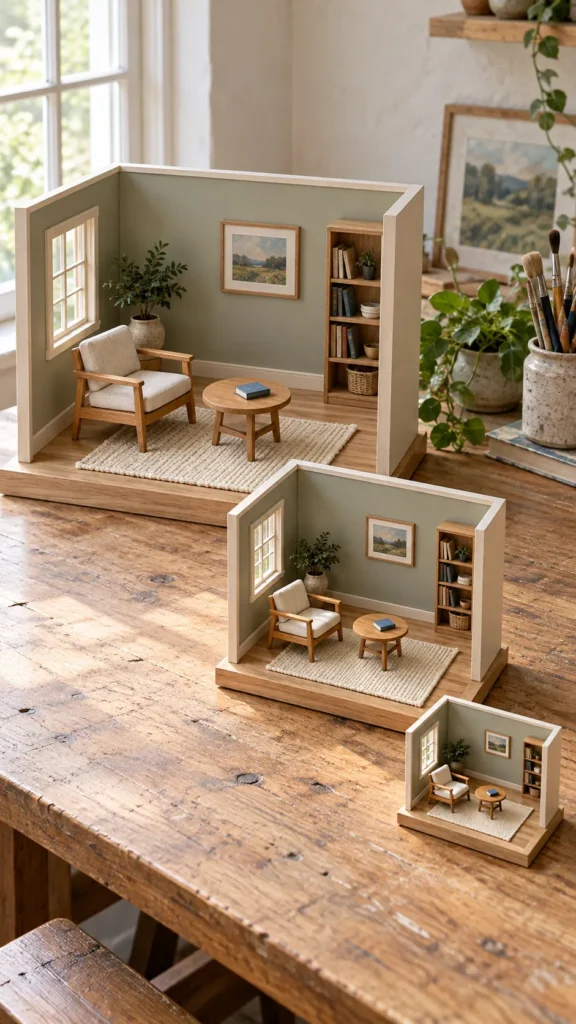
For most beginners, 1:12 is the best dollhouse scale. It offers the broadest choice of houses, furniture, building parts, and accessories. It is also large enough for details to be manageable without requiring the display space of 1:6.
That answer changes when space, vision, hand control, or an existing doll collection matters more than product choice. Use this comparison to select the scale that fits your real room as well as your miniature idea.
What the three scale ratios mean
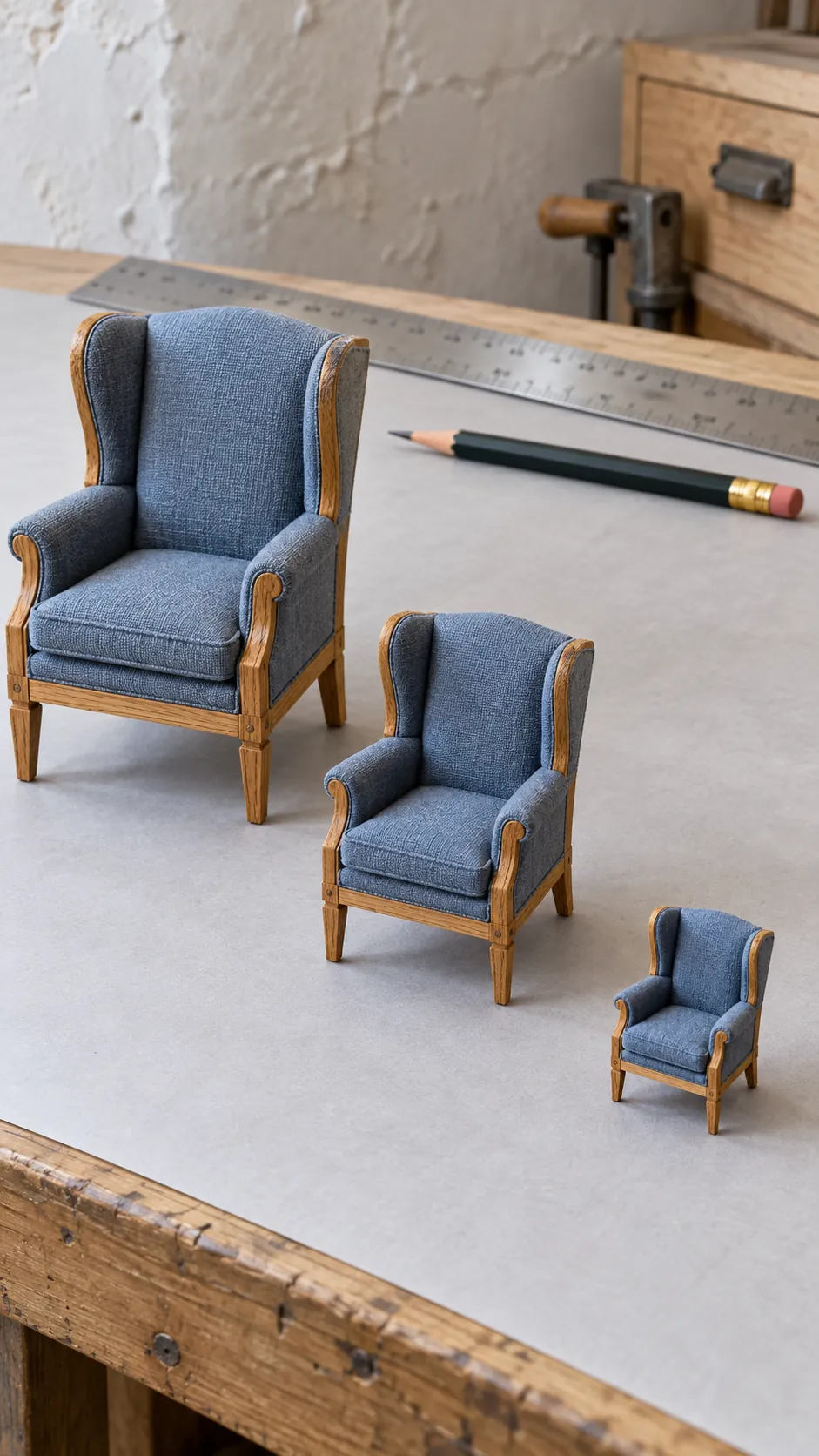
A scale ratio compares the miniature to the real object. In 1:12 scale, one unit in the miniature represents twelve of the same units in real life. A real chair that is thirty six inches high becomes three inches high. In 1:6, the same chair becomes six inches high. In 1:24, it becomes one and one half inches high.
| Scale | Common name | One real foot becomes | Main tradeoff |
|---|---|---|---|
| 1:12 | One inch scale | One inch | Best overall availability |
| 1:6 | Play scale | Two inches | Easier handling, much more space |
| 1:24 | Half inch scale | One half inch | Compact display, finer work |
Why 1:12 is the safest first choice
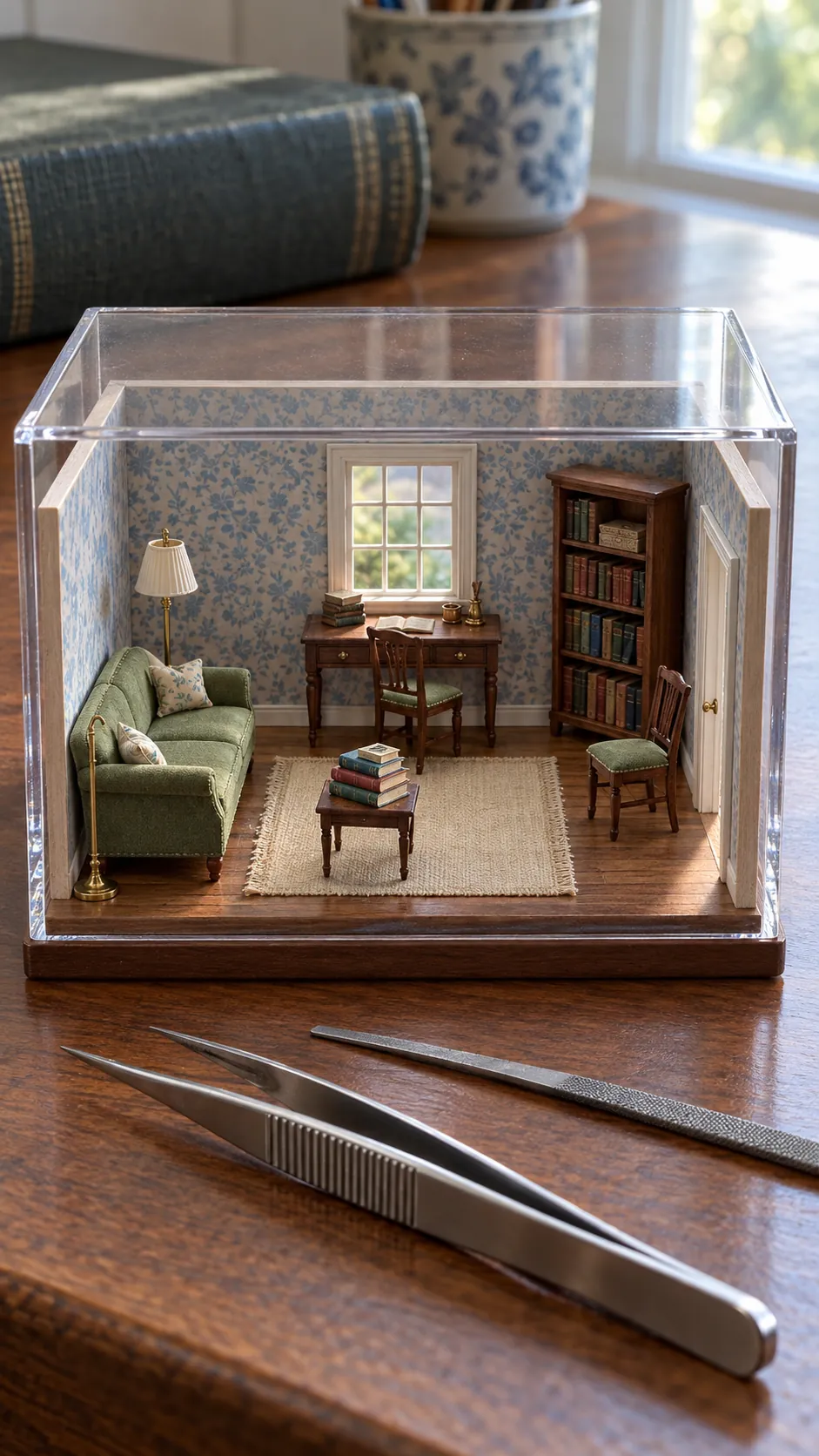
One inch scale gives a beginner the largest shared system. You can find room boxes, house kits, windows, doors, stairs, lighting, furniture, dolls, and loose accessories that are meant to work together. This reduces the risk of buying an attractive item that looks wrong beside everything else.
The parts are also large enough to hold with ordinary tweezers and measure with a common ruler. Fabric patterns, wood grain, knobs, books, and food can carry convincing detail without becoming extremely fragile. If you want to decorate, collect, and learn simple construction, this balance is hard to beat.
The cost is physical space. A six foot real room becomes six inches in miniature, and a full house can become a substantial piece of furniture. A 1:12 room box is a better first commitment than a large multistory shell.
When 1:6 is the better scale
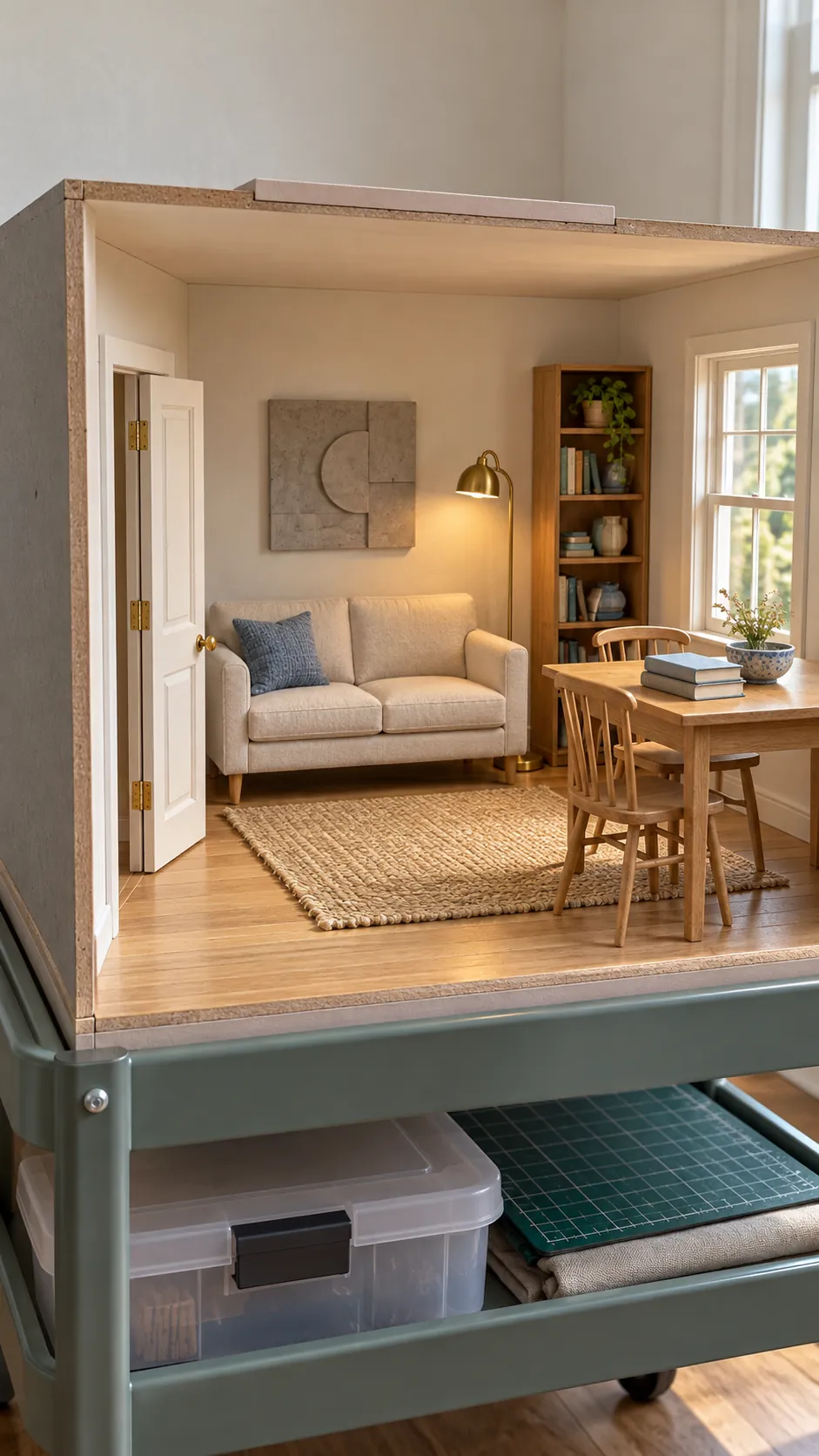
Choose 1:6 when you already collect dolls in that size, want large details, or find smaller parts difficult to see and control. A real six foot person is represented by a twelve inch doll. Chairs, beds, counters, and doors must match that larger body.
The larger size makes sewing, painting, hinges, food, books, and working storage easier to handle. It also makes material thickness and construction flaws more visible. A rough edge that disappears at 1:24 can look obvious at 1:6.
Measure the intended room before choosing this scale. A modest real ten foot wall becomes twenty inches long. Add depth for furniture and camera access. A single 1:6 kitchen or bedroom can need the shelf space that would hold several smaller scenes. For a first project, build one corner or one furniture vignette rather than a full house.
When 1:24 is the better scale
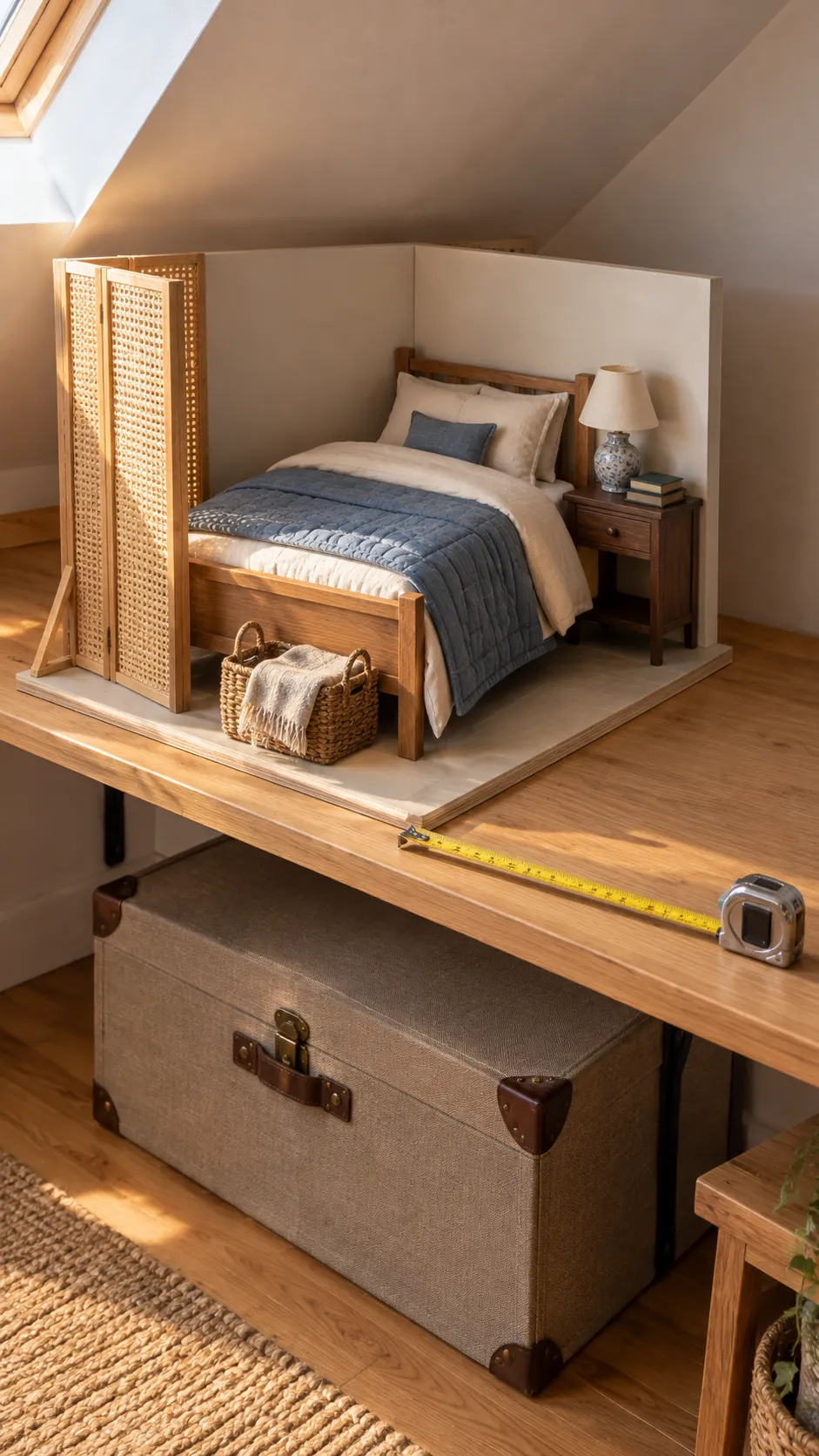
Half inch scale reduces every 1:12 measurement by half. A chair that is three inches high in 1:12 becomes about one and one half inches high in 1:24. This lets a complete house fit where a 1:12 room box might sit.
The smaller footprint helps apartment dwellers and makers who want several finished projects. It can also reduce the amount of wood, flooring, wallpaper, and trim required. The challenge is fine handling. Tiny joints, thin paper, wiring, and surface defects need careful tools and good light.
Test your comfort before buying a full kit. Make a small 1:24 table from card, cut a door opening, and place a few tiny objects with tweezers. If the process feels satisfying rather than tiring, the storage advantage may be worth the extra precision.
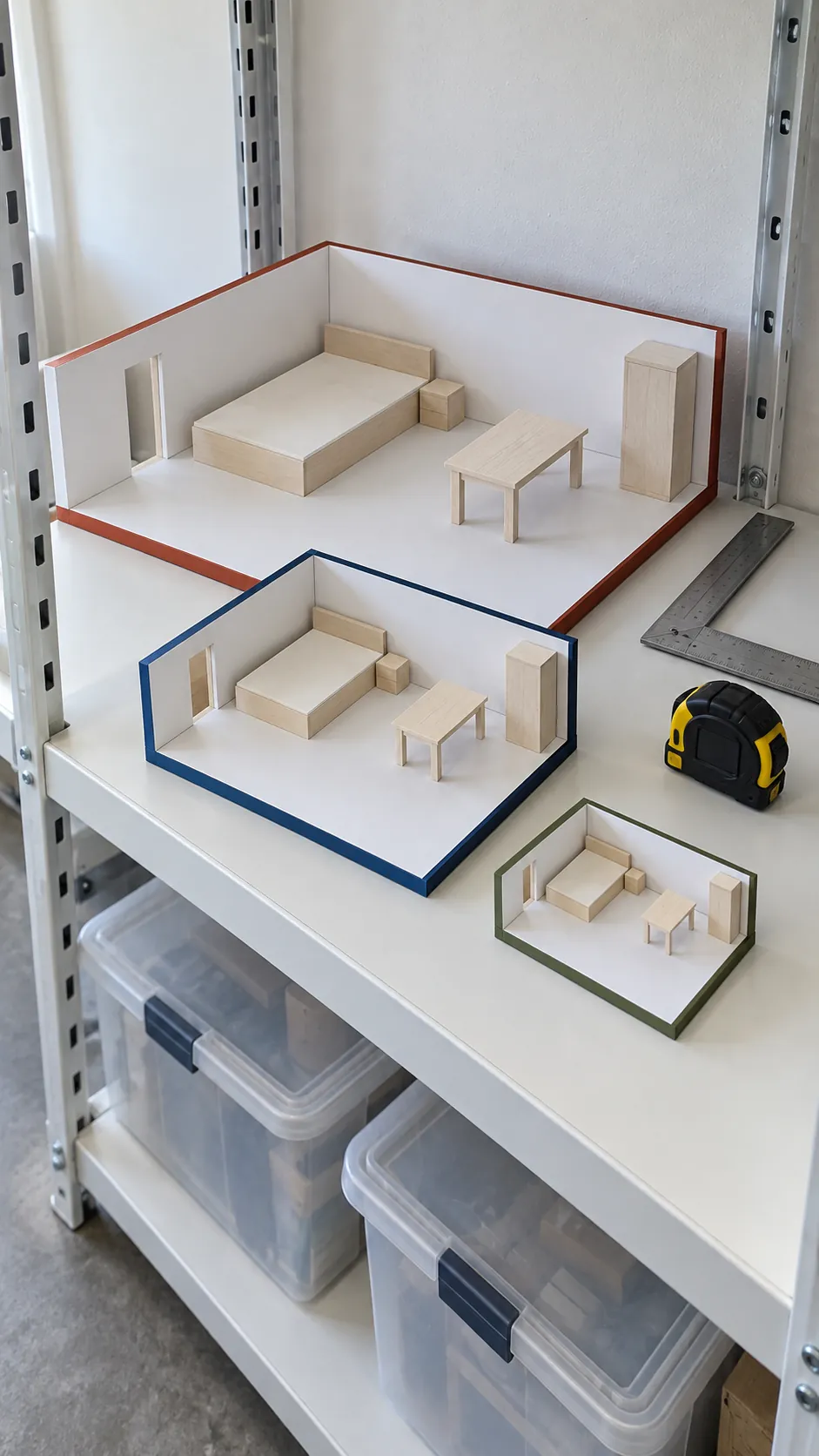
Compare the real footprint before you decide
Choose a real room size for your first scene. Divide its width, depth, and height by six, twelve, and twenty four. Mark all three results on paper or cardboard. Add the thickness of outer walls, a base, a protective cover, and space to reach the open front.
Place each outline on the shelf or table where the project will live. Do not judge only by the front width. Deep furniture can make 1:6 difficult to display. A tall 1:12 house may need more vertical clearance than expected. A small 1:24 scene still needs a stable base and safe access.
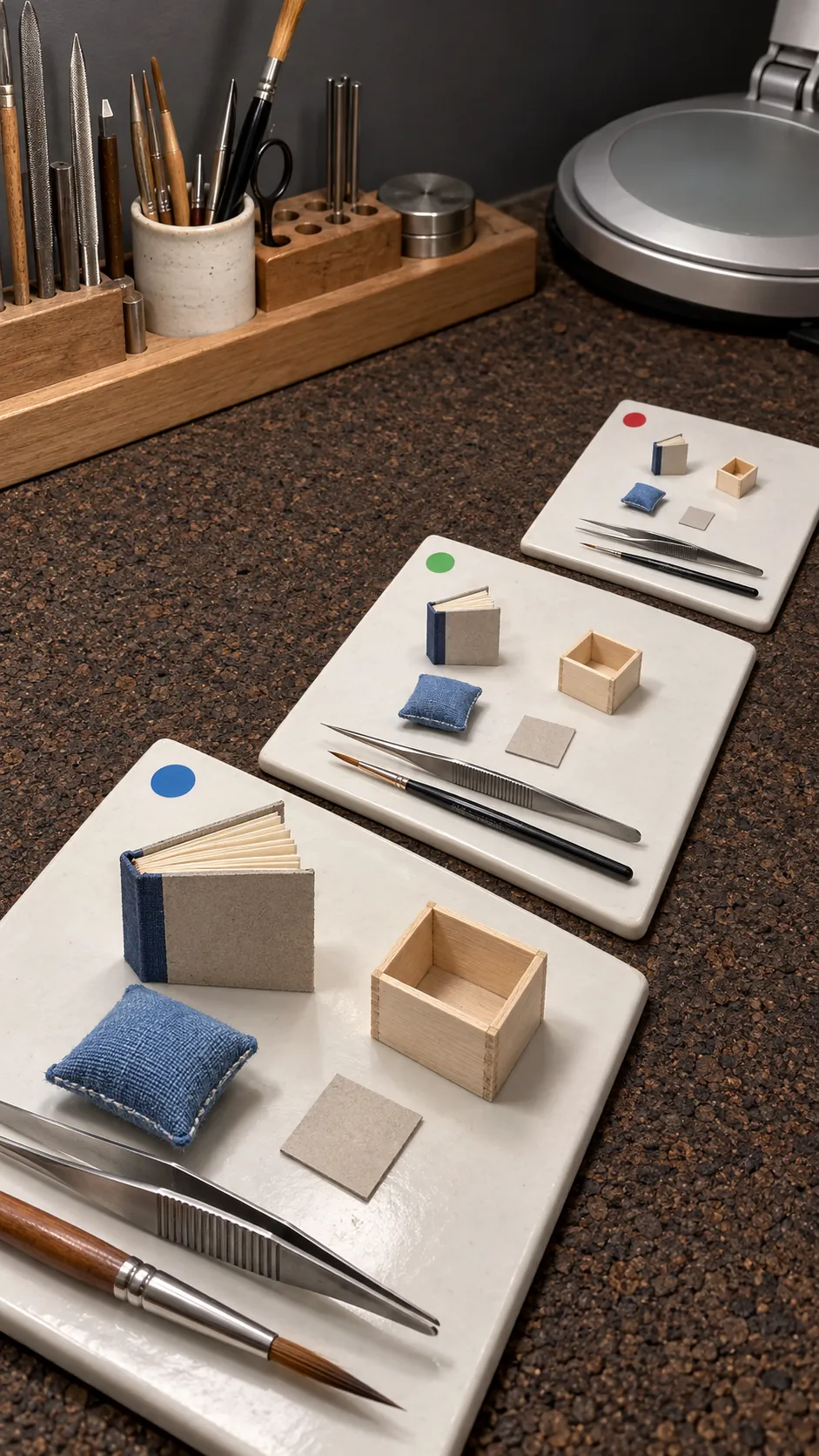
Consider your hands, eyes, and tools
A scale is not easier just because it uses less material. Smaller parts require accurate cutting, fine tweezers, steady placement, and strong task lighting. Larger parts are easier to grip, but they require longer straight cuts, stronger joints, and more surface preparation.
Try one repeated task at each scale. Cut a simple book, fold a cushion cover from scrap fabric, or make a plain box. Notice whether you can see the edges, hold the part without crushing it, and repeat the result. Comfort matters more than a rule about what beginners should use.
Do not mix scales by accident
Items from these three scales are not interchangeable. A 1:6 purse can resemble a suitcase in 1:12. A 1:24 chair can look like a child chair beside a 1:12 table. Product photos can hide the difference, so check dimensions as well as the stated ratio.
Keep a reference person height and door height for your chosen scale. Carry those measurements when you shop. If an item has no scale, compare its actual dimensions with the real object divided by your scale number.
The simple decision
- Choose 1:12 for the easiest general start and the widest product choice.
- Choose 1:6 for large dolls, easier handling, and generous detail when display space is available.
- Choose 1:24 when compact storage matters and you enjoy precise small work.
If you are still uncertain, make a single chair and paper room outline in each scale. The best scale is the one you can build comfortably, store safely, and continue using after the first project.