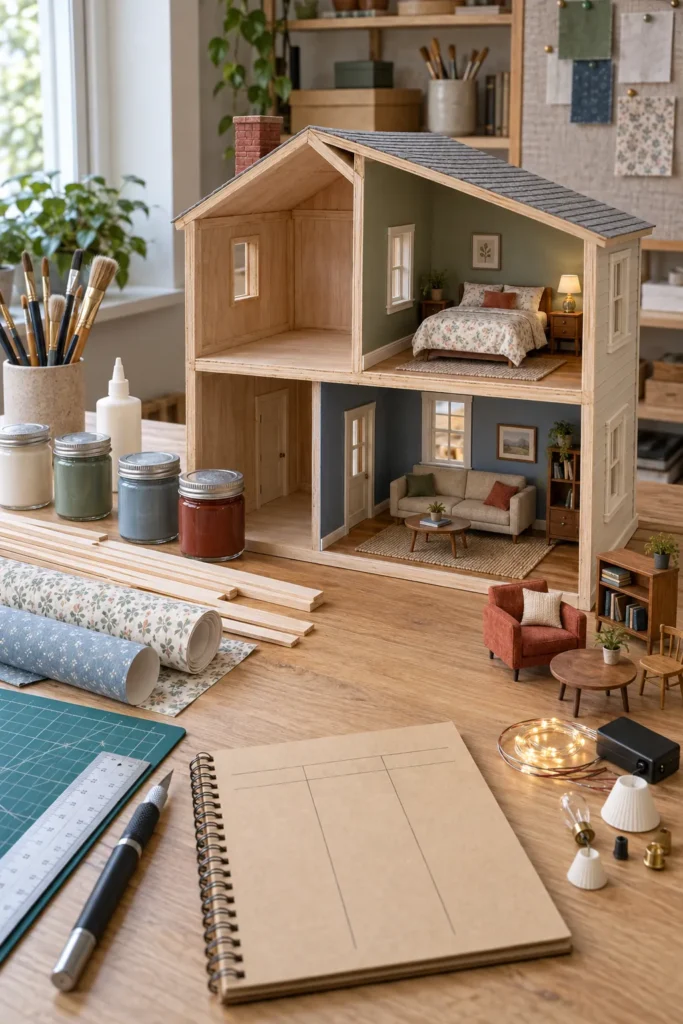
A dollhouse can look inexpensive while it is still an empty shell. The budget changes when paint, trim, lighting, furniture, tools, and shipping enter the picture. A useful estimate starts with the size of the project and the level of finish, not with the price of the house alone.
For a first build, a sensible total can range from about $50 for a compact room box made with basic materials to $500 or more for a large furnished house. Most beginner projects fall between those ends. The best way to stay comfortable is to set a total limit, reserve part of it for surprises, and decide which details matter before buying anything.
A realistic DIY dollhouse cost range
A small room box can cost about $50 to $120 when you use an affordable shell, craft paint, simple flooring, and a limited group of furnishings. A medium kit with several rooms often reaches $150 to $350 after adhesives, finishes, trim, and furniture are included. A large house with lighting, detailed exterior work, and collected miniatures can pass $500 without feeling extravagant.
These are planning ranges, not promises. Prices vary by country, shipping, scale, brand, and how much you already own. The cost of a miniature hobby also grows over time because builders often improve one room at a time rather than buying every detail on the first day.
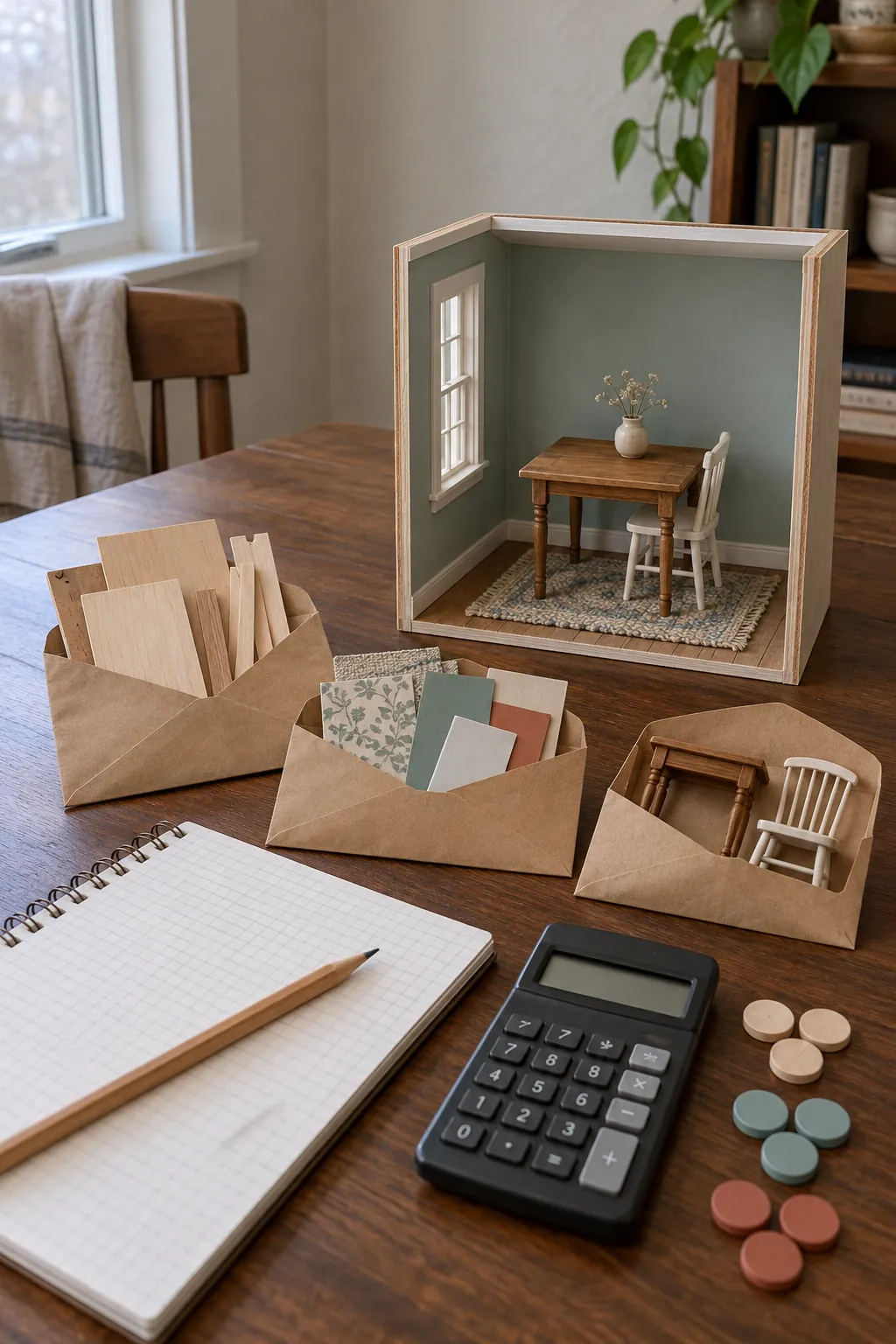
Choose the project size before the style
The cheapest decision is often choosing a smaller project. A single room box needs less wood, paper, flooring, trim, lighting wire, and furniture than a full house. It also gives a beginner a complete result sooner, which lowers the chance of spending on a large shell that never gets finished.
Scale affects cost too. A common 1:12 project offers a wide choice of ready made pieces, but those pieces use more material and storage space. A 1:24 kit is compact and can be an affordable miniature project, although its tiny parts may require more patience. Pick the scale you can comfortably handle and display.
Budget for the shell and structure
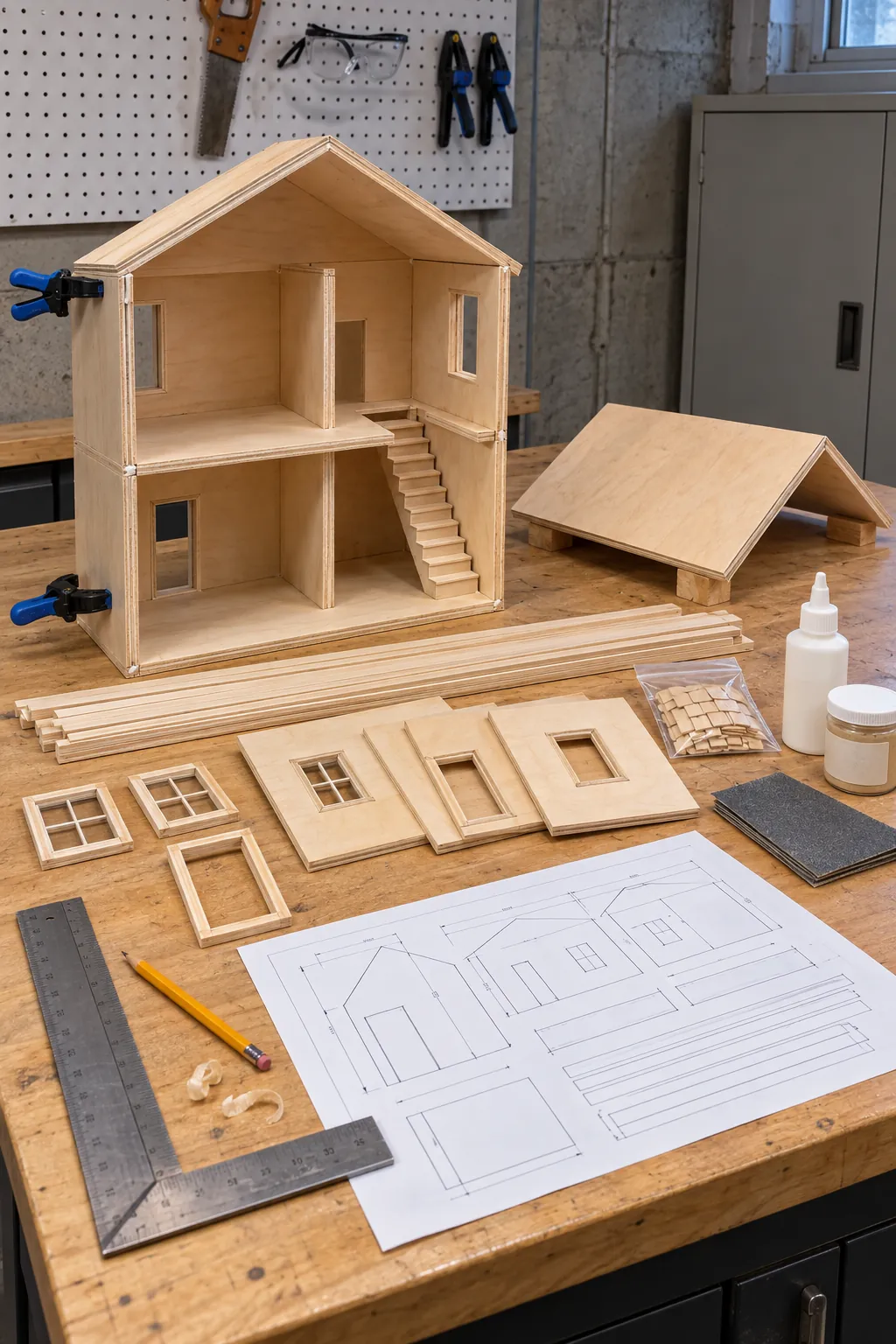
The shell may use the largest single part of the beginner dollhouse budget. A simple room box can come from precut board or a sturdy kit. A multiroom wooden house costs more, and a scratch build can require sheet wood, a square, a saw, clamps, filler, and replacement material when a cut goes wrong.
Check what a kit includes before comparing prices. Some dollhouse kit costs cover only walls, floors, stairs, windows, and doors. Roofing, shingles, siding, porch trim, electrical parts, glue, and paint may be separate. Read the component list and treat every missing structural part as its own line in the materials cost estimate.
Allow for paint, floors, walls, and trim
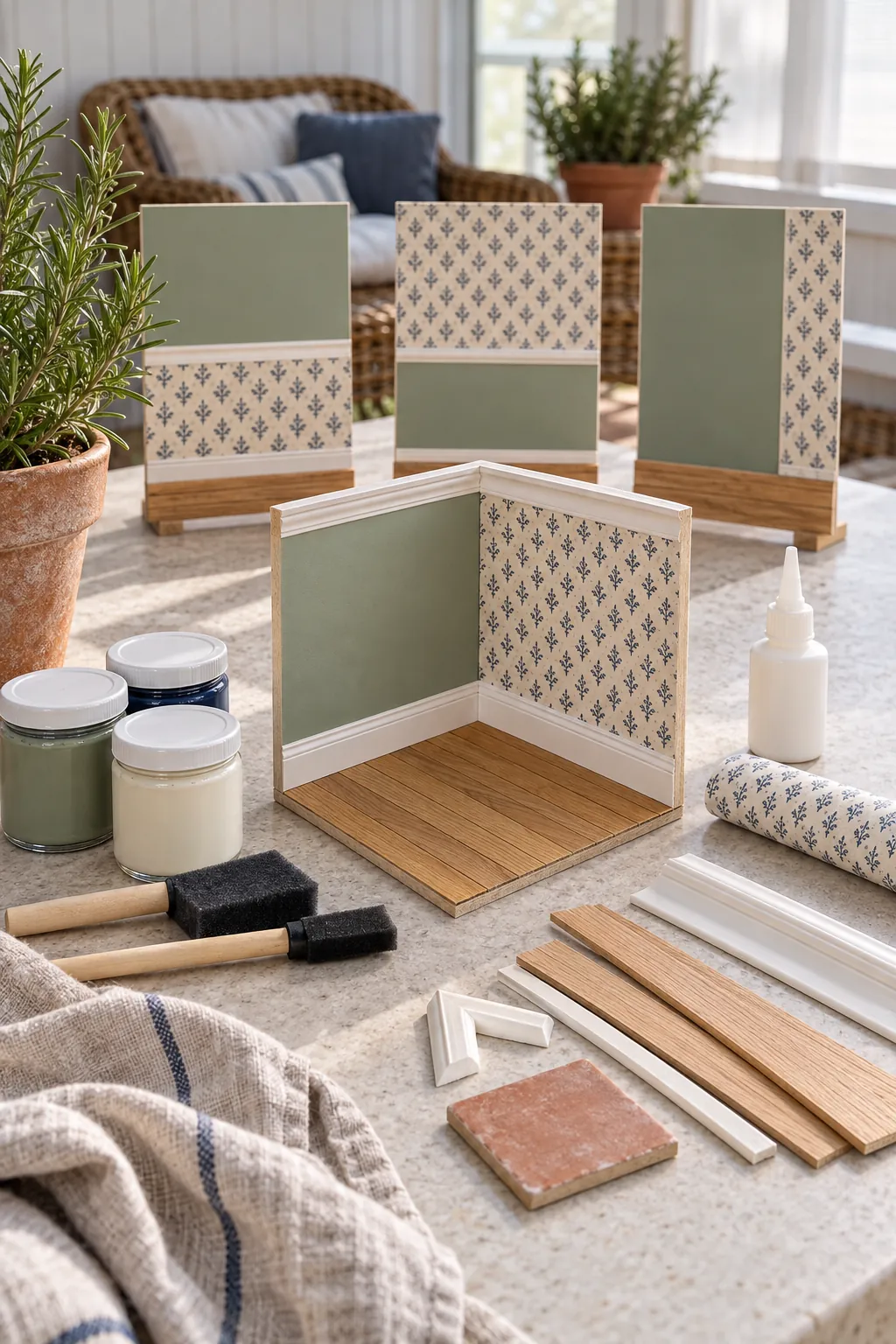
Finishes are small purchases that multiply across rooms. Primer, paint, brushes, wallpaper, flooring, ceiling paper, baseboards, molding, and window trim can equal or exceed the shell price. A limited palette and repeated materials keep the house coherent while reducing leftover supplies.
Use household craft materials where they are safe and suitable. Scrapbook paper can become wallpaper, thin wood strips can become trim, and sample pots can cover miniature walls. Buy the adhesive that matches the material. A cheap glue that stains paper or releases wood can create a more expensive repair.
Furniture can be the biggest variable
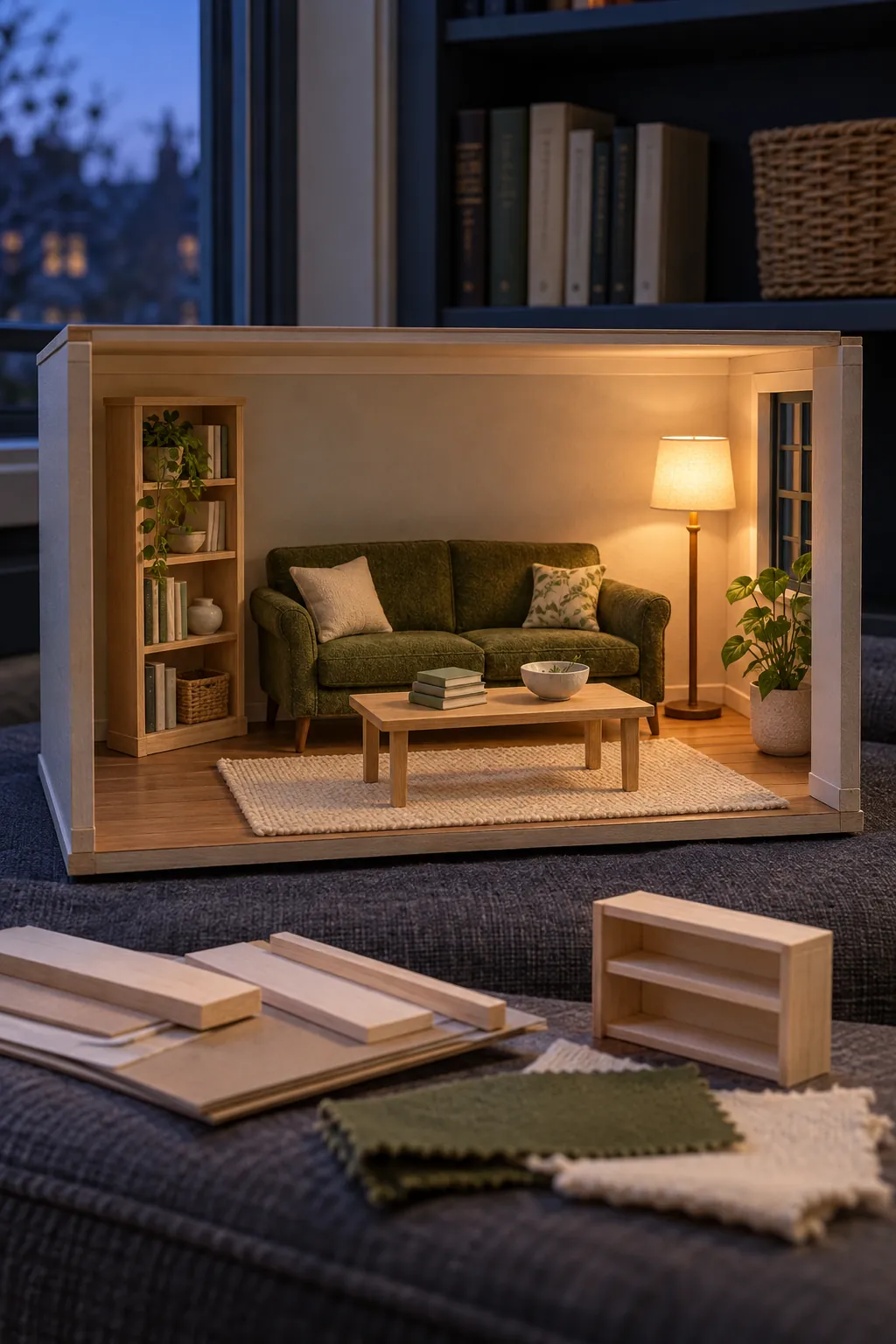
A room can hold a few handmade pieces or a collection of detailed artisan miniatures. That choice changes the total more than almost any other category. For an entry level plan, give each room one focal piece and add simple supporting items only when the room needs them.
Making furniture from basswood, card, fabric scraps, and found objects can lower cash cost, but it takes time and basic tools. Ready made pieces save time and provide consistent proportions. A mixed approach works well: buy difficult items such as a working door or a detailed stove, then make tables, shelves, rugs, and wall decor yourself.
Separate reusable tools from project supplies
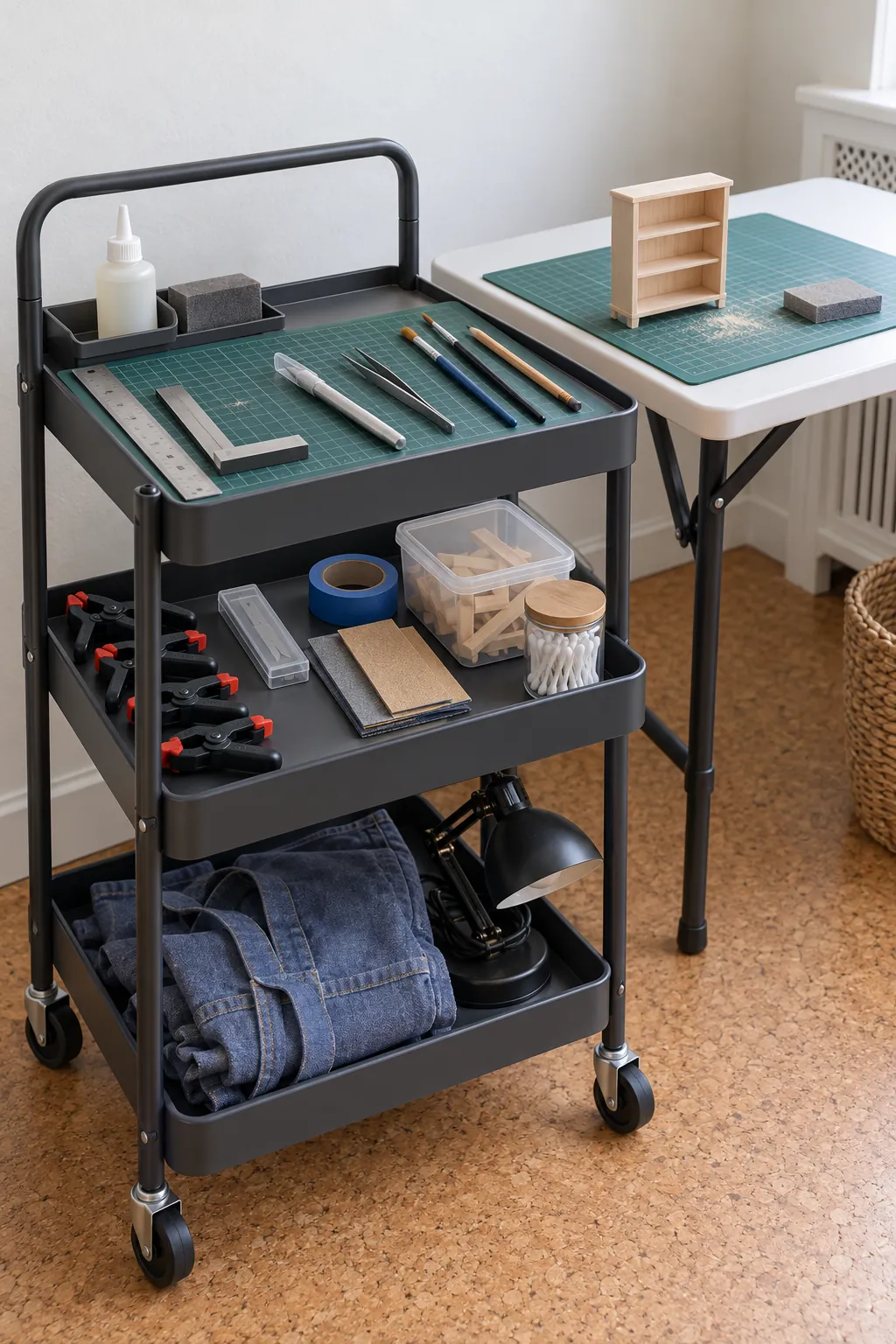
Your first project may need a cutting mat, craft knife, metal ruler, square, fine sandpaper, small clamps, tweezers, brushes, and suitable glue. These purchases make the first build look costly, yet most can serve many future projects. Record them as a starter tool cost instead of pretending that every dollar belongs to one room.
Do not buy a complete workshop before you know what you enjoy. Start with the tools required by the next confirmed step. Borrow or rent larger equipment when possible, and replace a basic tool only after it limits accuracy or safety. This approach keeps a miniature craft beginner from paying for equipment that stays unused.
Use a sample budget before you shop
Imagine a beginner building one 1:12 room box with a total limit of $150. The shell might receive $40, reusable tools $30, finishes and adhesives $30, furniture and decor $35, and a $15 reserve. The exact amounts can move, but the reserve should remain until the room is nearly complete.
For a $300 multiroom kit, you might assign $100 to the structure, $45 to tools, $65 to finishes, $60 to furnishings, and $30 to the reserve. If the kit already includes tools or decor, move that money only after checking every component. This prevents the common problem of spending the full budget on an attractive shell.
Control spending without flattening the design
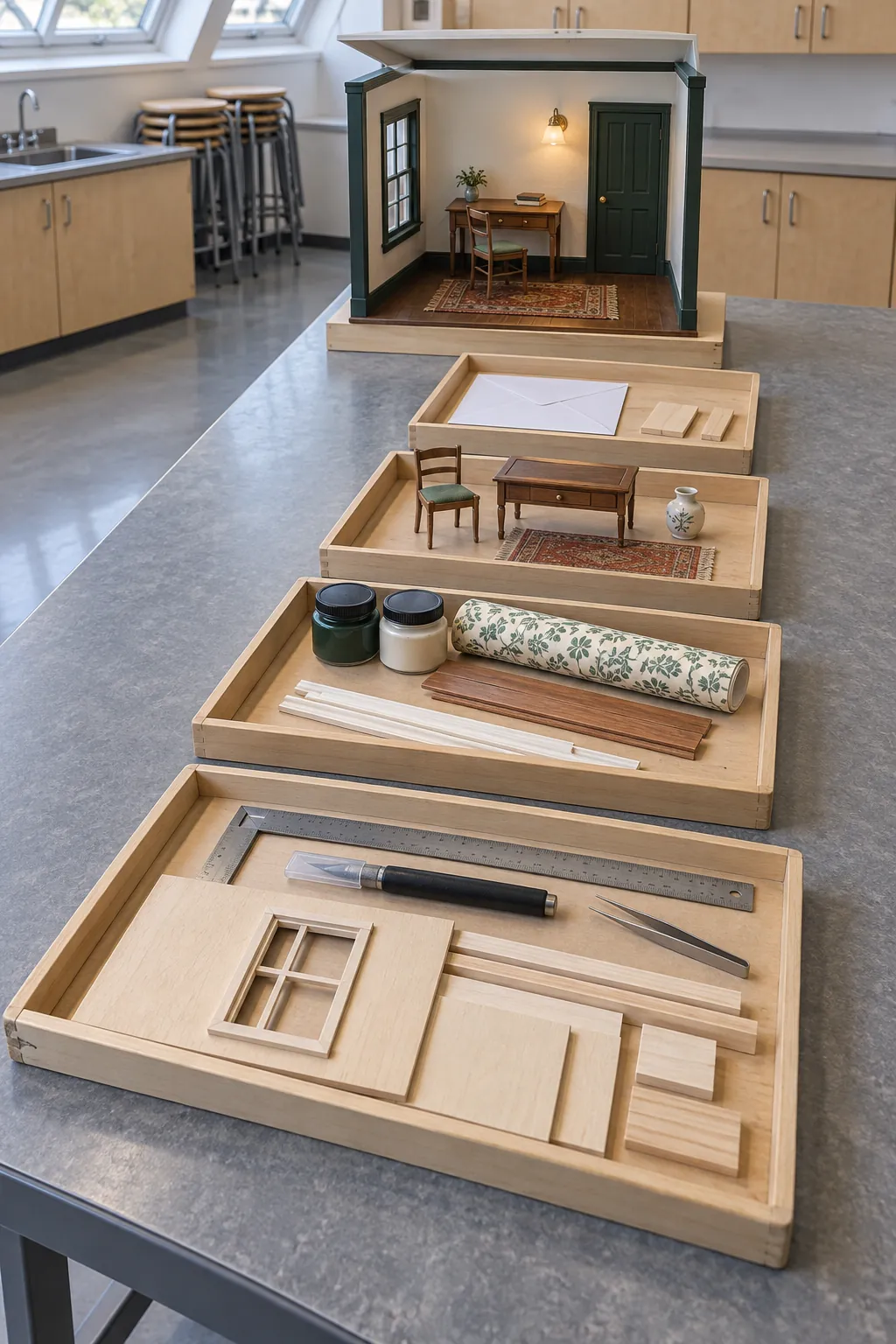
Choose two or three details that deserve money. They might be accurate windows, warm lighting, or one beautiful piece of furniture. Keep the background elements simple so those choices carry the room. A clear priority produces a more convincing miniature than a cart full of unrelated bargains.
Work one room or one construction stage at a time. Keep a written total for purchases, including delivery charges and tax. Wait until pieces fit the chosen miniature room scale before opening more packages. The goal is not the lowest possible total. The goal is a finished project whose cost still feels good when the last detail is placed.