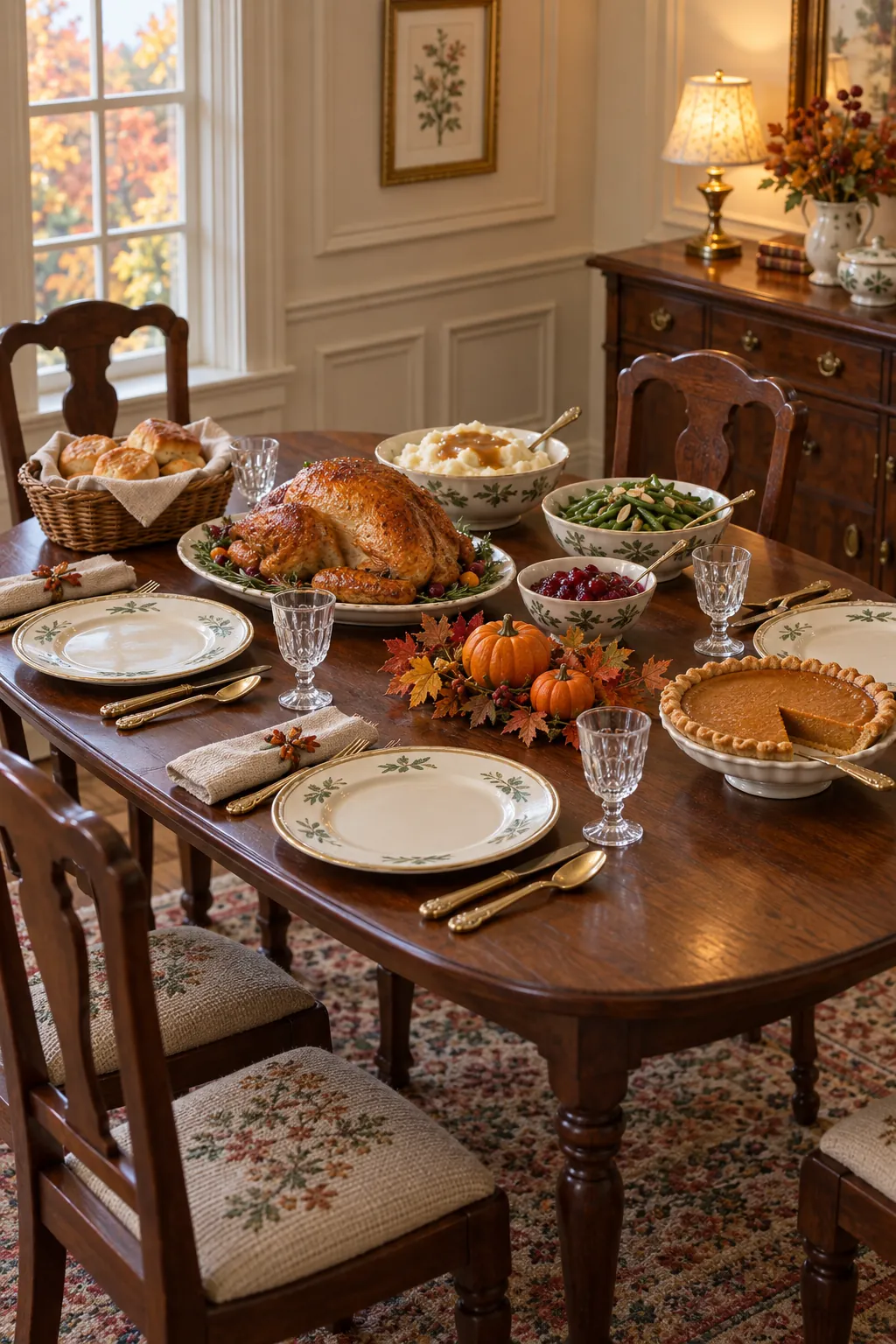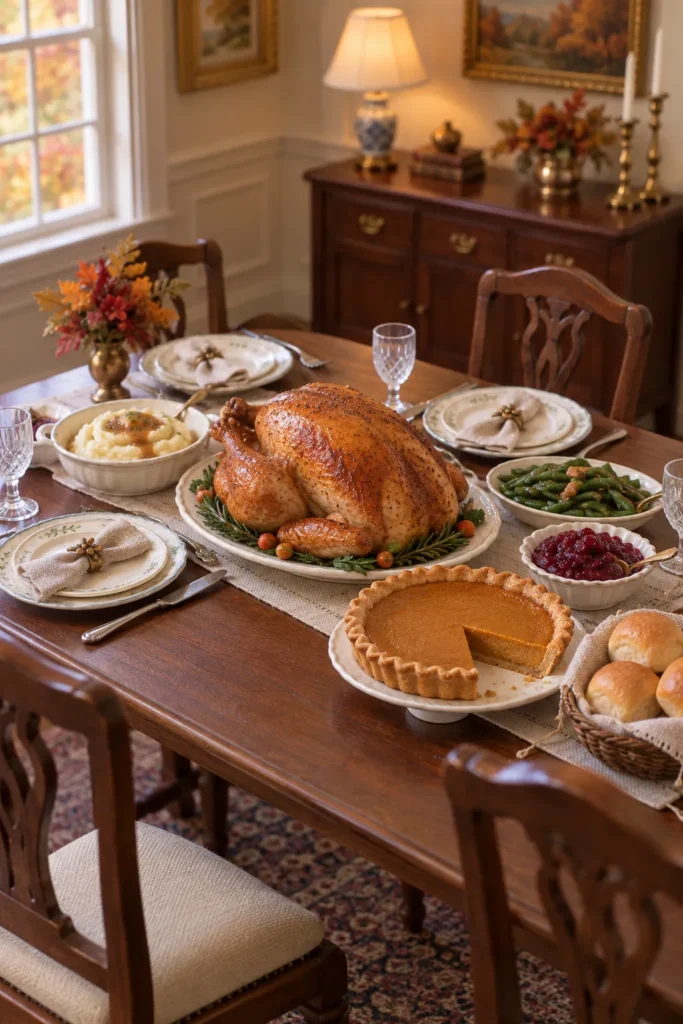
A miniature Thanksgiving meal looks convincing when every dish shares the same scale and each surface has the right finish. The turkey needs crisp roasted skin, mashed potatoes need soft irregular peaks, and pie crust should stay matte while the filling carries a gentle sheen.
This project uses polymer clay, simple shaping tools, pastel dust, and small amounts of liquid clay or glaze. Build the meal one component at a time and compare every piece with the same plate, chair, or doll before baking.
Plan the Meal Around One Scale
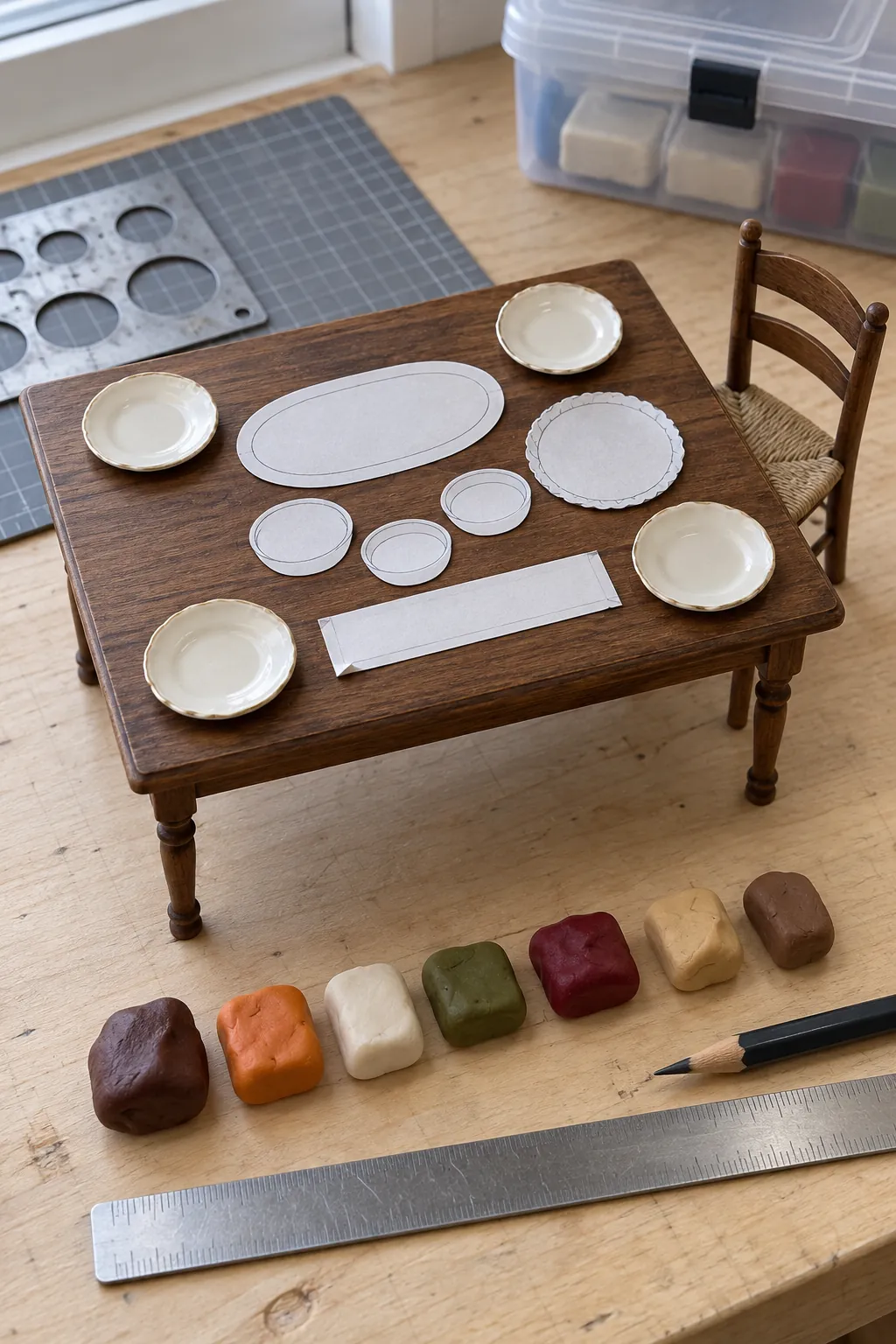
Choose the serving table and plates before sculpting food. In 1:12 scale, a ten inch dinner plate becomes about five sixths of an inch wide. Make a paper template for the platter, pie pan, and bowls so the finished feast fits without dishes touching.
Limit the menu to a turkey, mashed potatoes, one green vegetable, cranberry sauce, bread, and pumpkin pie. This still reads as a full holiday feast while leaving enough open tabletop for place settings. Mix clay colors in small batches and keep a written color sample beside the work.
Shape a Roasted Miniature Turkey
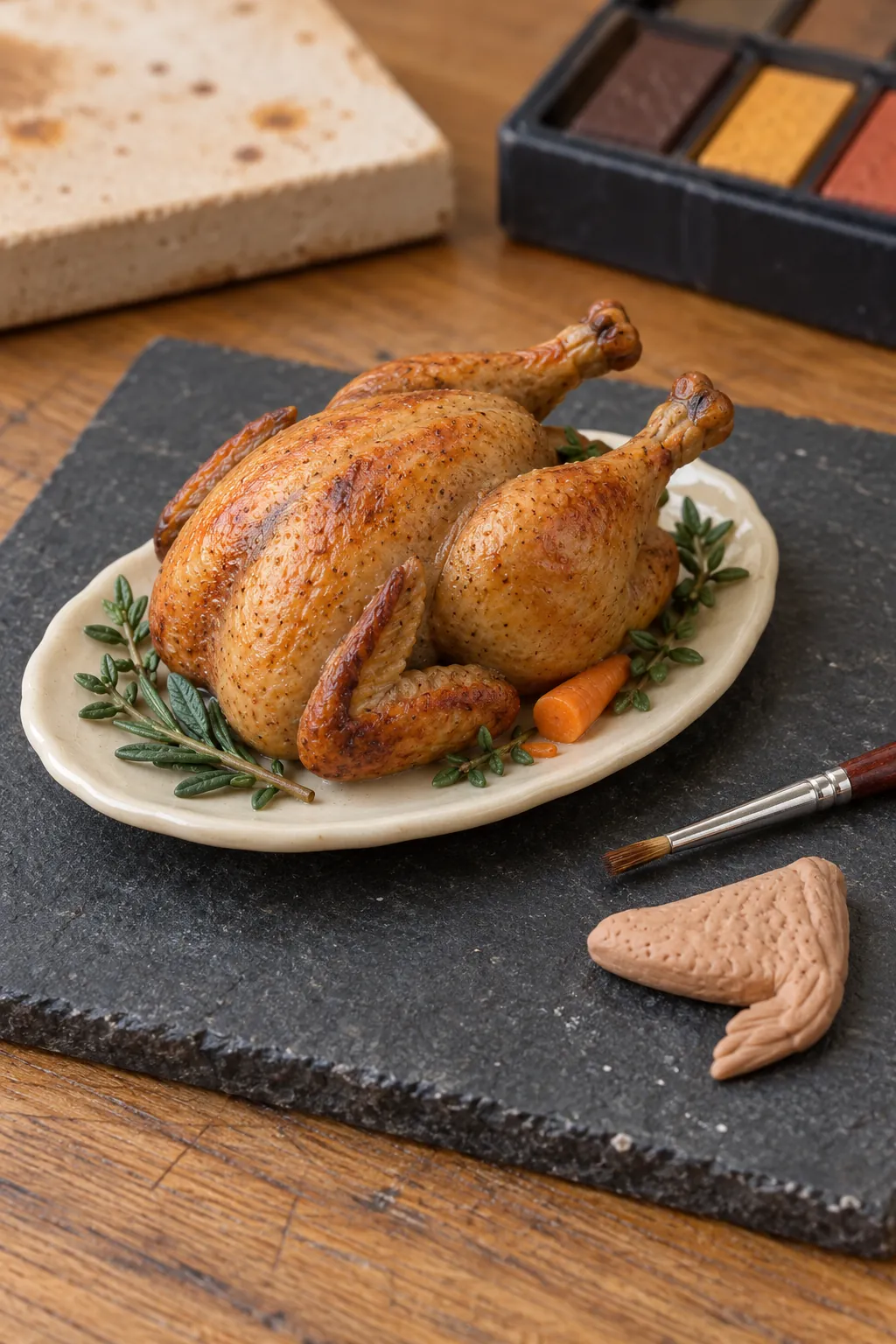
Form the turkey body from a compact oval and flatten the bottom so it sits securely on the platter. Add legs and wings with liquid clay or a very thin bonding layer instead of pressing hard enough to distort the body. Support projecting parts while baking if they begin to sag.
Stipple the surface with a stiff brush, then press shallow lines where the wings and legs meet the body. Shade with ochre, warm brown, and a small amount of dark brown pastel dust before baking. Add a restrained satin finish only to the roasted skin and keep the cut ends matte.
Make Soft Mashed Potatoes and Gravy
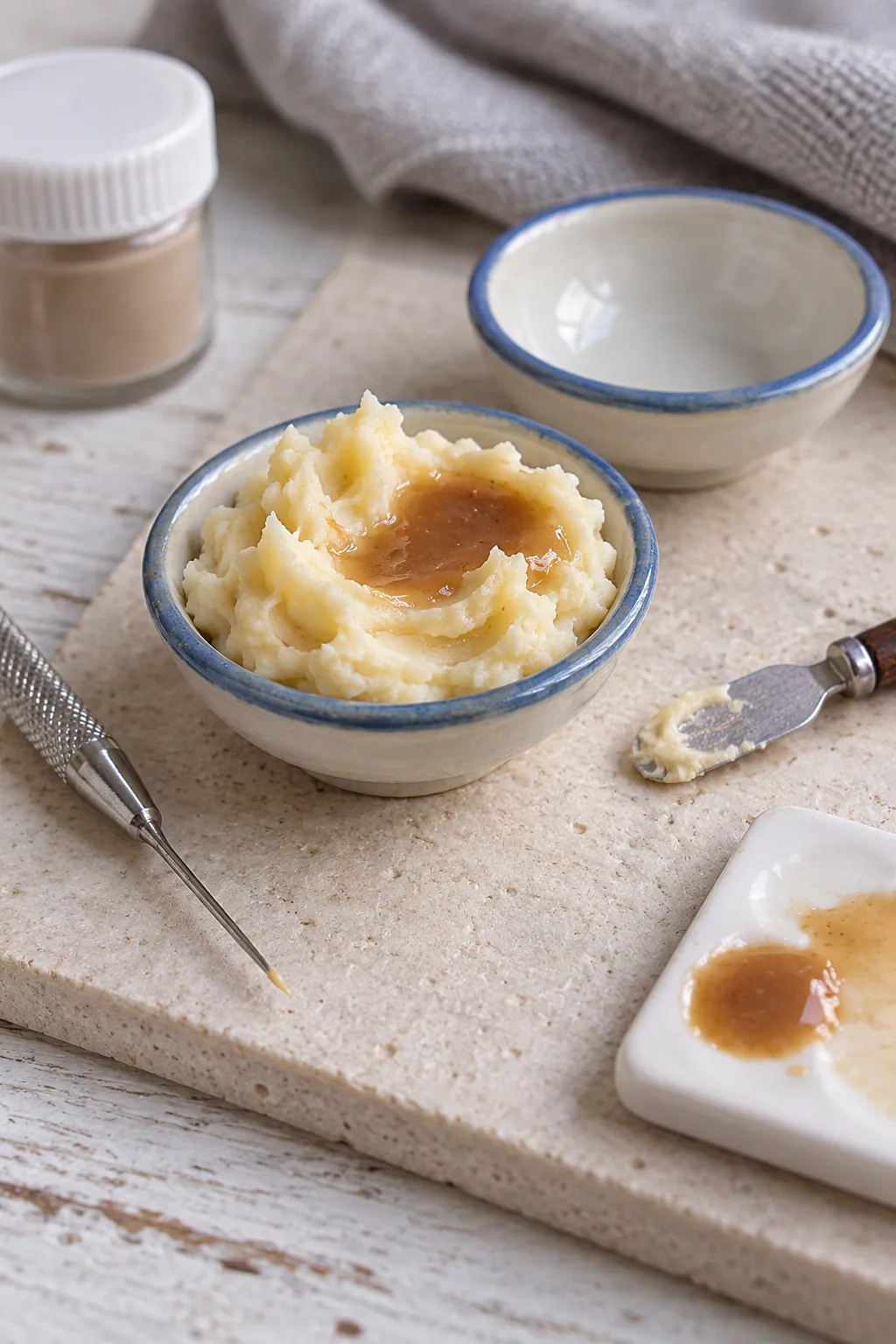
Use warm ivory clay for mashed potatoes and press it into a shallow bowl without smoothing the top. Lift small peaks with a needle tool and create one gentle hollow for gravy. A perfectly round scoop usually looks less natural than an uneven mound.
Tint liquid clay with a trace of caramel brown pastel for gravy. Add it after the potato texture is complete so the liquid stays in the hollow. Keep the gravy layer thin because a deep glossy pool can overwhelm a tiny bowl.
Add Green Beans Cranberries and Bread
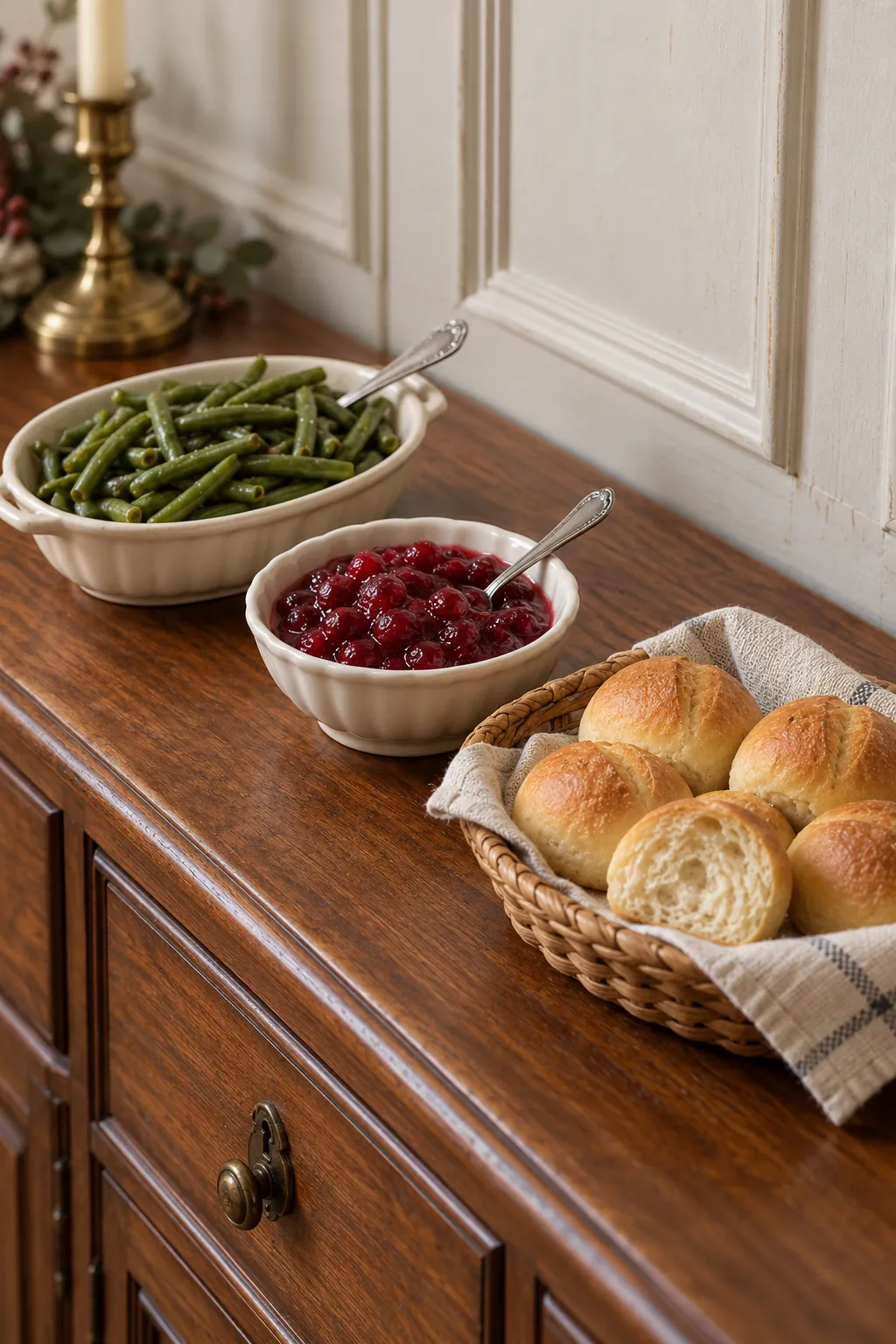
Roll thin green clay strands and cut them into slightly different lengths for green beans. Place them in loose layers rather than a parallel bundle. Dust a few tips with muted olive pastel to stop the color from looking flat.
Make cranberry sauce from tiny translucent red beads of clay gathered in a cream bowl. Bread rolls need shallow creases, a matte surface, and darker color along the upper ridge. These small side dishes bring color to the table without competing with the turkey.
Build a Pumpkin Pie with a Clean Slice
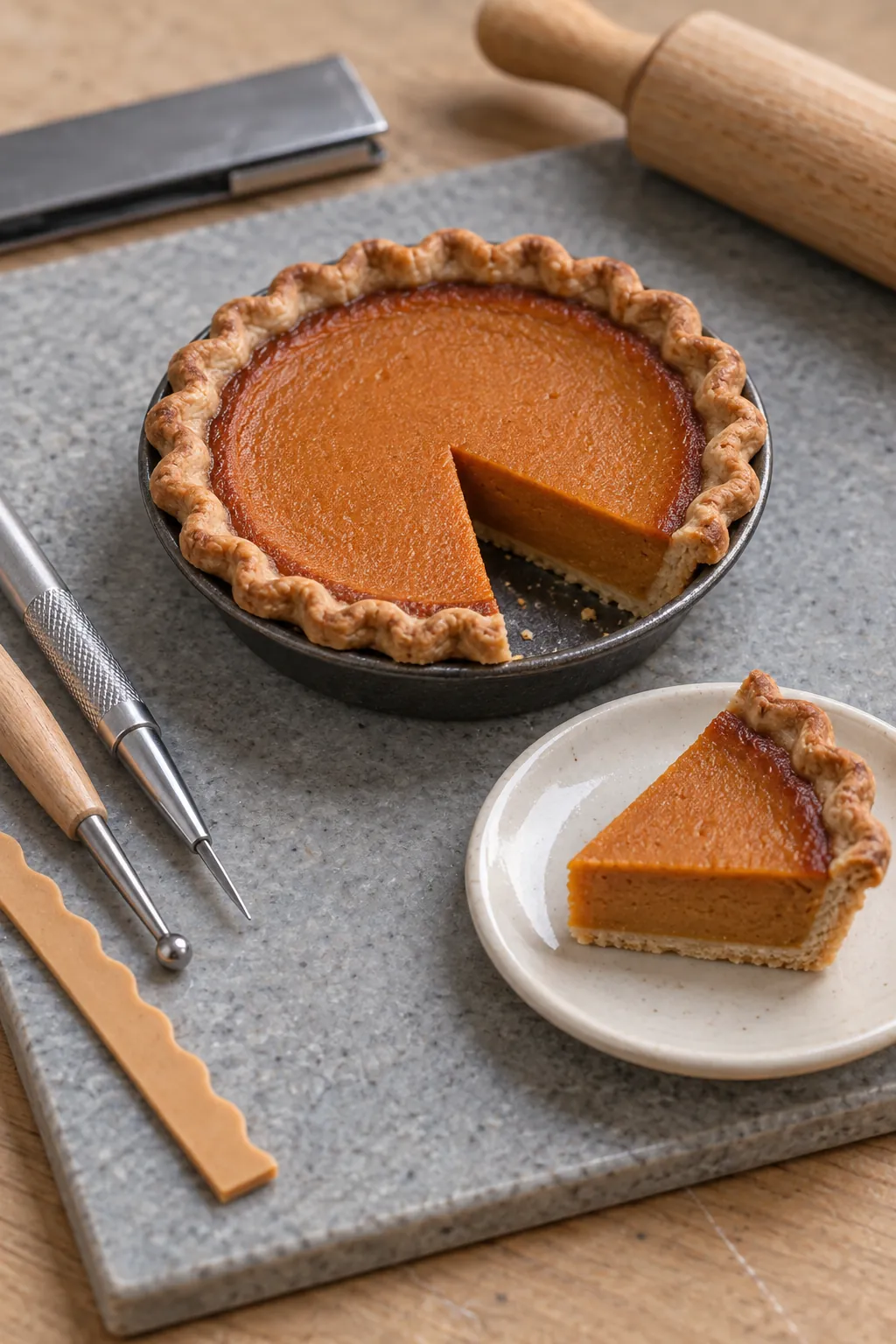
Press warm brown clay into a tiny metal or clay pie pan, then add a smooth layer of muted pumpkin filling. Form the fluted crust edge with a blunt tool and keep every press shallow. Chill the unbaked clay briefly if it becomes too soft to cut cleanly.
Remove one slice before baking and texture the cut filling with a fine needle. Add a thin cream layer beneath the orange filling only when you want a clear crust structure. Finish the filling with a soft satin sheen and leave the crust matte.
Arrange the Dollhouse Holiday Feast
Place the turkey platter slightly off center so serving bowls can form an open curve around it. Put the tallest pieces near the center and keep plates, glasses, and chair positions clear. Repeat warm wood, cream ceramic, and muted autumn color through the setting.
Secure loose dishes with a tiny amount of museum wax if the table will move. Photograph the meal from doll eye height before making permanent choices because the camera quickly reveals oversized food and crowded place settings. Store delicate pieces in separate padded compartments after the season.