
What Are Removable Wall Decals? Materials, Uses & Limits
A removable wall decal is a thin, self-adhesive graphic made to decorate a wall without paste, nails, or permanent paint. That simple definition hides the part that matters most: “removable” describes the adhesive system, not a guarantee that every decal will release cleanly from every painted wall. The decal material, paint condition, wall texture, installation method, and length of use all affect the result.
If you are considering peel and stick wall stickers for a rental, nursery, classroom, office, or short-term display, this guide explains what they are made from, how they work, where they perform well, and where their limitations become obvious.
What “removable wall decal” actually means
Most wall decals combine three layers: a printable or colored face material, a pressure-sensitive adhesive, and a release liner that protects the adhesive until installation. Some detailed vinyl designs also arrive with transfer tape on the front so separate letters or shapes stay aligned while you place them.
The adhesive activates through firm, even pressure. It needs enough surface contact to hold the graphic flat, but a removable formulation is designed to have lower or more controlled adhesion than a permanent sign vinyl. This is how wall decals work without wet wallpaper paste: peel the liner, position the graphic, press from the center outward, and let the adhesive settle against the surface.

Removable does not necessarily mean repositionable or reusable. A product may peel away cleanly after one installation yet stretch, curl, or collect dust during removal. A genuinely repositionable wall decal is formulated to tolerate limited lifting and adjustment. A reusable product should say so explicitly and usually performs best when returned to its original liner between uses.
The main materials: vinyl, fabric, and specialty films
Vinyl wall decals are the most familiar type. The face film is usually PVC, although PVC-free alternatives exist. Vinyl can produce crisp die-cut lettering, saturated printed graphics, and a smooth matte or gloss finish. It is easy to wipe clean and works well on smooth, sound, fully cured paint. Thin vinyl can conform neatly to a flat wall, but it may crease or stretch when removed, so many removable vinyl decals are intended for one main installation.
Fabric wall decals typically use a woven polyester face. They feel more textile-like, resist tearing, and are often easier to lift and reposition during installation. Their thicker, more forgiving structure can make large graphics easier for beginners to handle. Some reusable fabric decals retain useful tack after careful removal, but dust, skin oils, folded edges, and poor storage still reduce adhesion.

Specialty products include static-cling films for glass, low-tack polyester graphics, and non-PVC films made for temporary interiors. Material names alone do not tell you everything. The adhesive specification and the manufacturer’s approved surfaces matter as much as the face material. Two products both labeled “vinyl” can behave very differently on the same wall.
Where removable wall decals work best
Decals are strongest when the project needs a focused graphic rather than a full wall covering. Common uses include nursery animals or name designs, growth charts, classroom labels, office logos, seasonal motifs, quote lettering, small accent clusters, and temporary event or retail graphics. They are also useful for testing scale and color before committing to painted artwork.

The ideal surface is clean, dry, smooth, non-porous, and structurally sound. Properly cured eggshell or satin paint often provides more consistent contact than powdery flat paint. Glass, sealed metal, and smooth finished furniture may also work when the product permits them. Always follow the decal maker’s surface list rather than assuming every peel-and-stick product is interchangeable.
The wall conditions that cause failure
Texture is a frequent problem. On orange-peel, knockdown, brick, rough plaster, or heavily stippled walls, the adhesive touches only the raised points. That smaller contact area can lead to lifting edges even when the decal appears secure on installation day. Fabric products may tolerate mild texture better than thin vinyl, but no material can make deep texture behave like a flat panel.
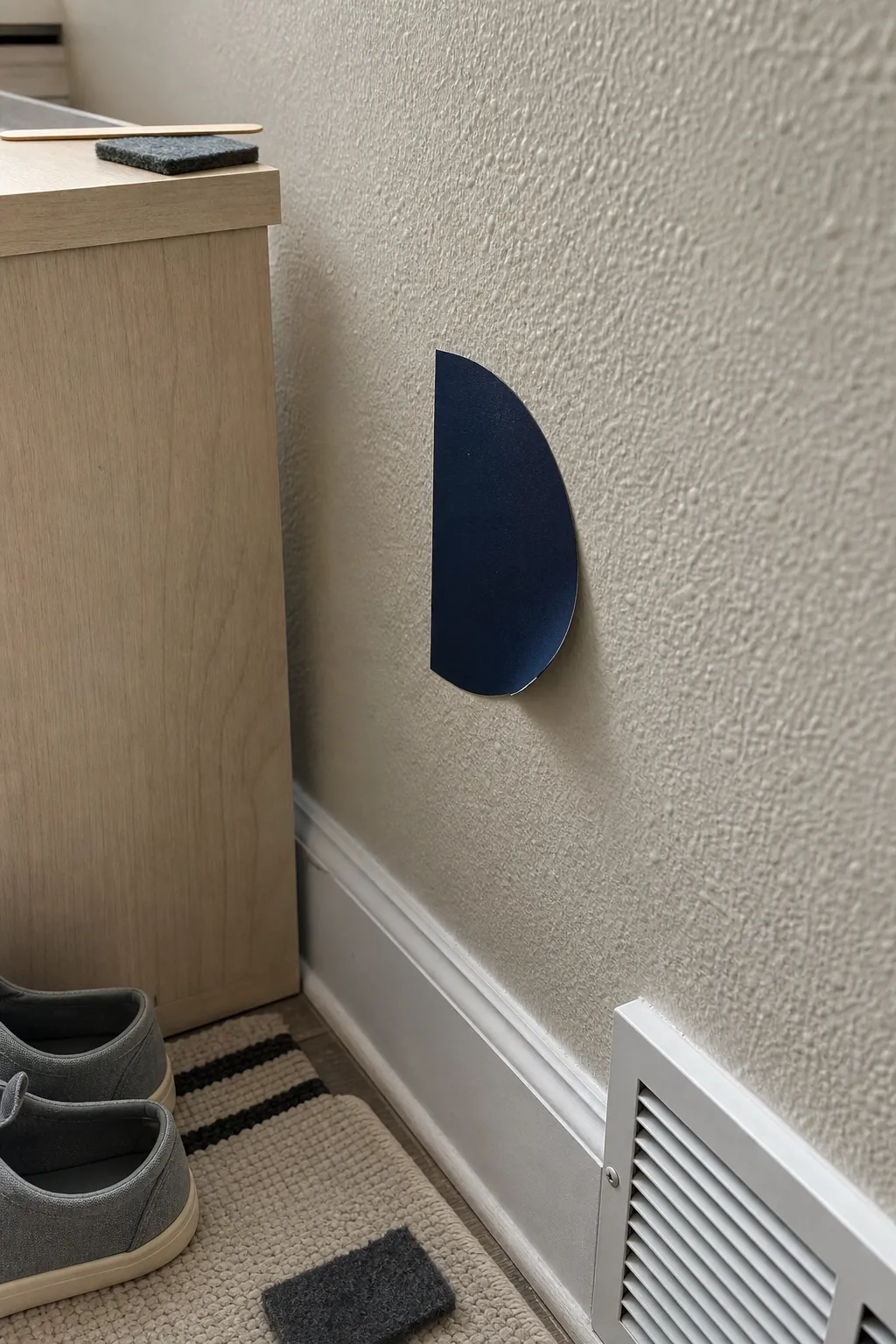
Fresh paint is another risk. Paint can feel dry long before it is fully cured, and cure time varies by formulation, temperature, humidity, and ventilation. Decal manufacturers commonly advise waiting anywhere from roughly two weeks to a month, but the paint and decal manufacturers’ instructions should decide the timing. Applying too soon can cause weak adhesion, trapped gases, or paint removal later.
Other difficult surfaces include chalky or flaking paint, stain-resistant coatings with adhesion-repelling additives, damp walls, dusty masonry, wallpaper, and paint over poorly prepared drywall. Heat, direct sun, and high humidity can also change the bond. A bathroom decal may need a product specifically approved for moisture rather than a generic temporary wall sticker.
Can removable decals damage paint?
They can. Clean removal is most likely when the paint is well bonded, fully cured, compatible with the adhesive, and removed according to instructions. Damage is more likely when paint was applied over dust, the wall has loose layers, the coating is old or brittle, or a decal stays installed far beyond its intended service period.
The most useful renter rule is not “buy a renter-friendly label.” It is test the exact decal on the exact wall. Place a sample in an inconspicuous area, leave it for the manufacturer’s recommended test period, and remove it slowly. A five-minute test proves very little about a decal that will remain up for a year, so ask the seller how long the sample should dwell.
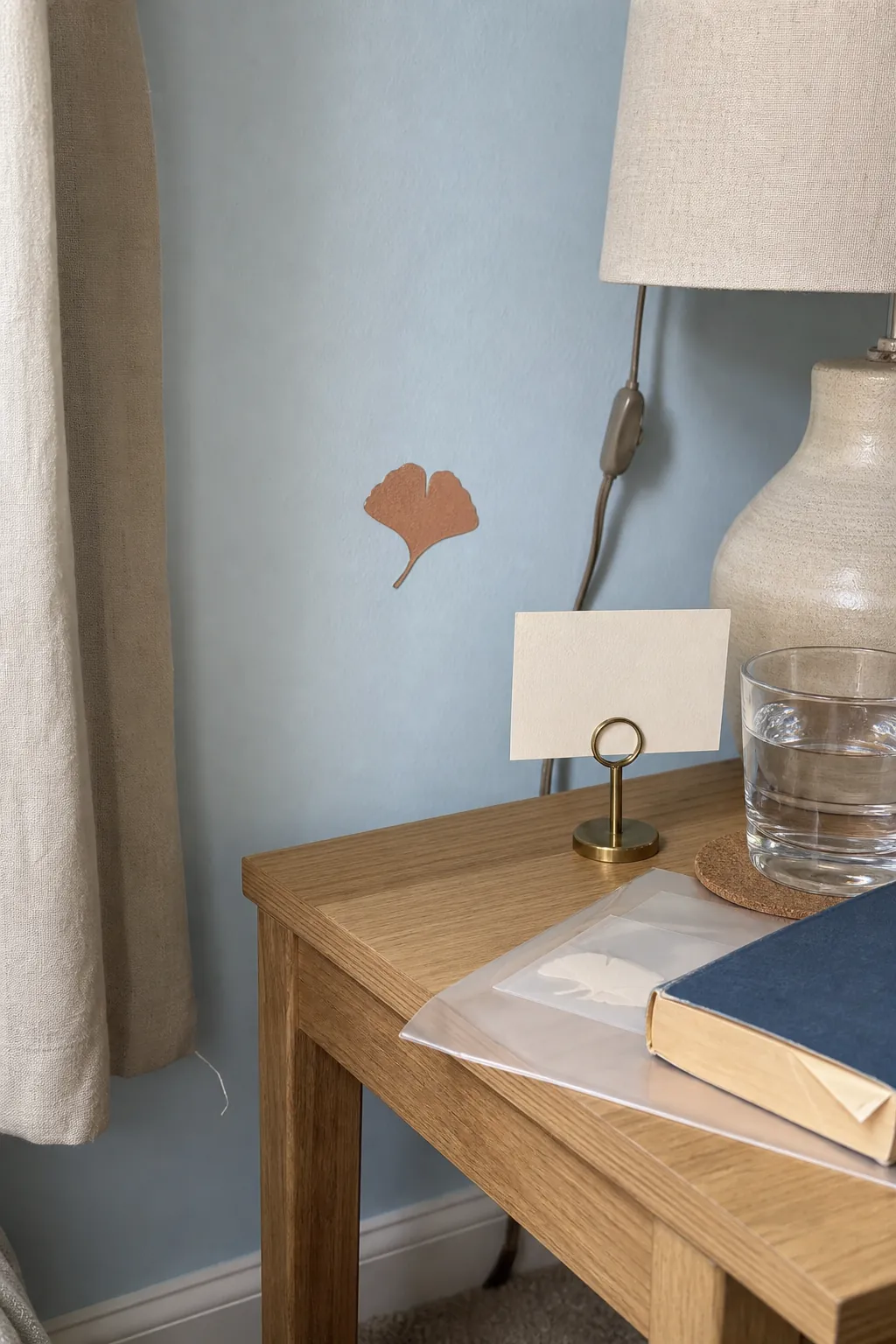
How to install and remove them with less risk
- Confirm compatibility first. Check the paint finish, cure time, wall texture, moisture level, and approved-surface list.
- Patch-test the product. Use the same batch of material you intend to install.
- Clean as directed. Remove dust and grease, then allow the wall to dry completely. Avoid household cleaners that leave a slick residue.
- Plan the layout. Use low-tack guides or pencil marks only if the wall finish permits them.
- Apply controlled pressure. Work from the center outward with a felt-covered squeegee or soft cloth, without stretching the film.
- Remove slowly. Start at an edge and peel back at a low angle rather than pulling straight away from the wall. Gentle warmth may help only when the manufacturer recommends it.
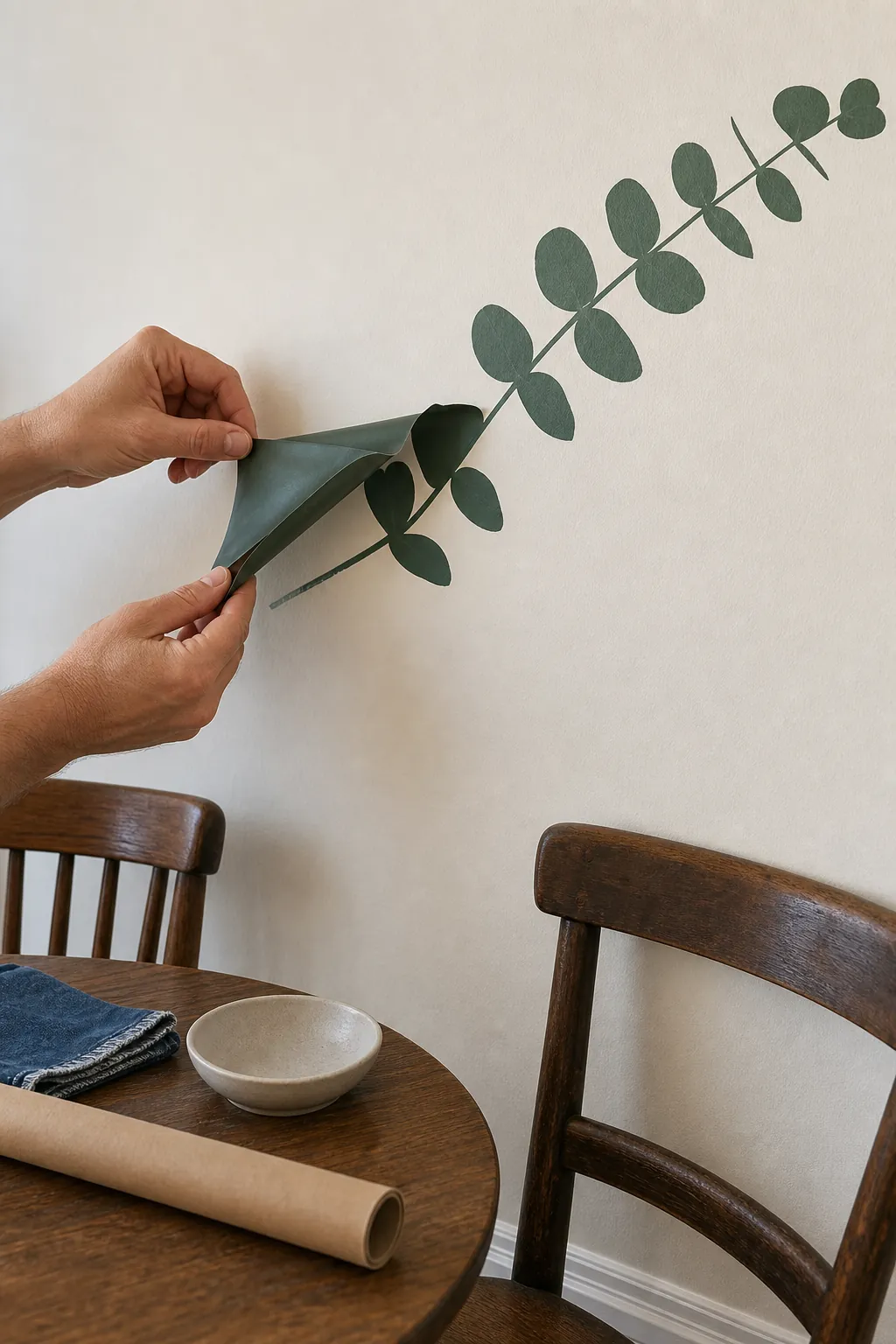
If paint begins lifting, stop. Continuing to pull usually enlarges the damaged area. Photograph the condition, check the product instructions, and reassess the removal angle or temperature before proceeding.
Are wall decals reusable?
Some are, many are not. Die-cut vinyl lettering often distorts during removal and may be impossible to realign. A thicker fabric decal marketed as reusable may survive several careful moves, especially if you touch only the edges and immediately return it to clean release paper. Every repositioning adds dust and oils or weakens the adhesive, so “reusable” should be understood as limited reuse under good conditions, not indefinite use.
Save the original liner, keep removed pieces flat, and avoid wax paper or random plastic sheets unless the manufacturer approves them. Large decals are harder to store without creases, and a damaged adhesive edge can become the first place the graphic lifts after reinstallation.
When a decal is the wrong solution
Choose another wall treatment when you need to hide major wall damage, cover deep texture, span a damp surface, or create a seamless full-room finish. Decals do not repair cracks or stabilize loose paint. Very large graphics can also be harder to install than pre-pasted wallpaper because adhesive sections can grab before the panel is aligned.
The honest wall decal meaning is temporary flexibility with conditions. Used on a compatible wall, removable wall decals offer a fast, low-mess way to add graphics and color. Used on an unknown coating without testing, the same product becomes a gamble. Buy for the surface you actually have, not for the promise printed largest on the package.