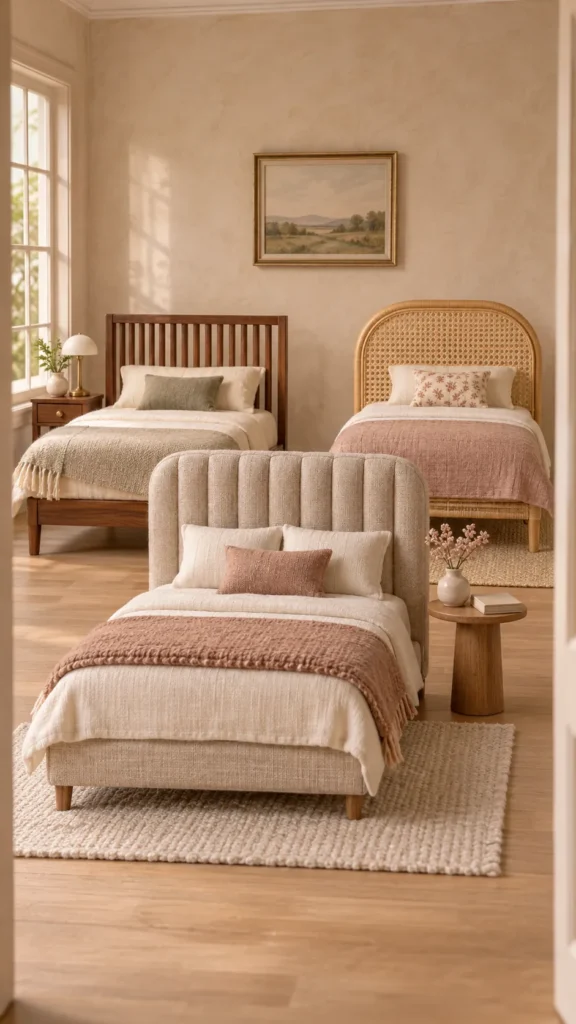
A miniature headboard has to balance detail with scale. Deep tufting can look like a sofa cushion, thick wood can overwhelm a narrow bed, and coarse cane loses its woven effect. The most convincing designs simplify the full size idea while preserving its main silhouette, material, and attachment points.
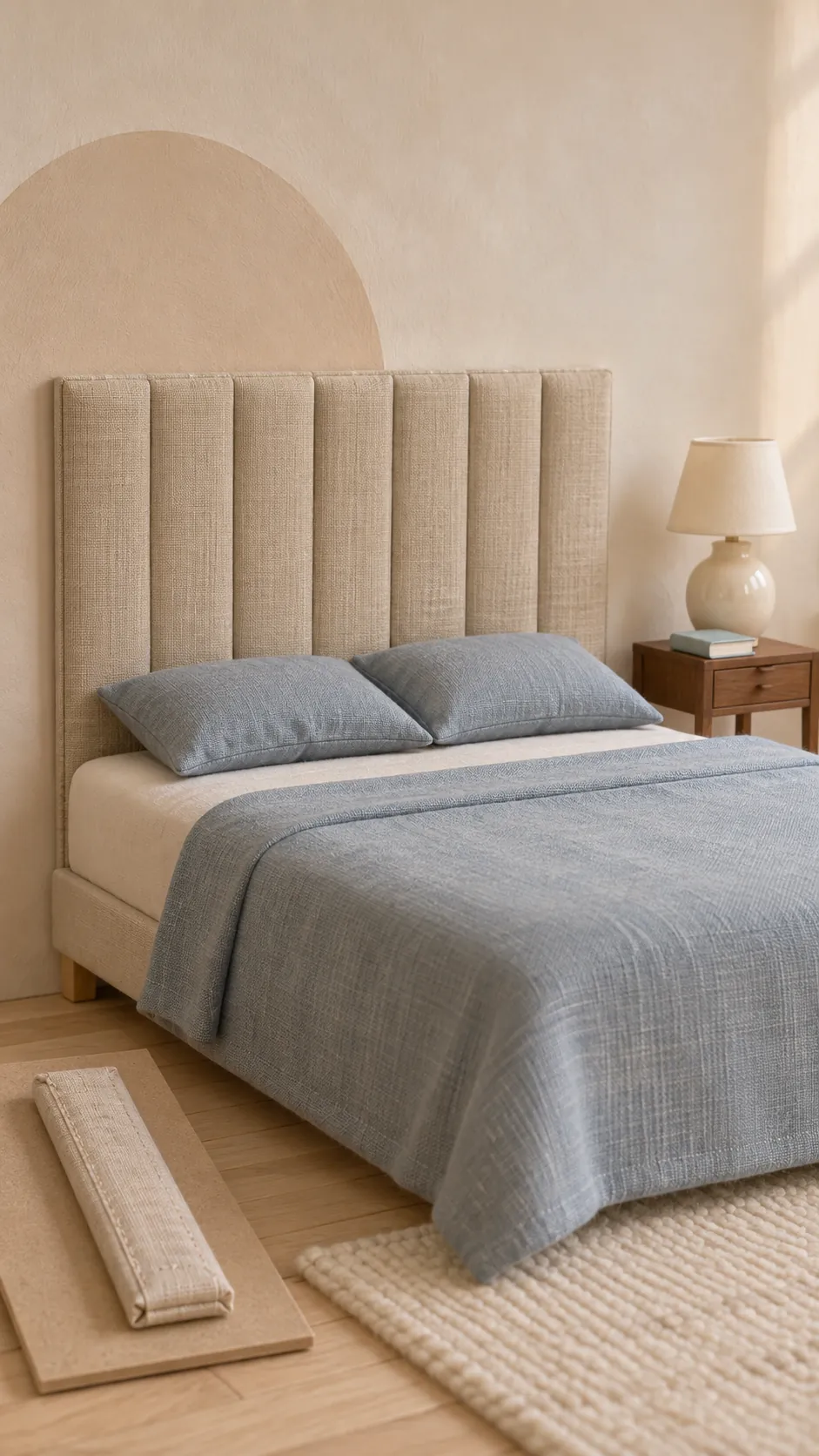
Linen Channel Headboard
Wrap narrow padded card strips in fine linen and mount them side by side on one thin back panel. Keep the channels shallow so the headboard reads as tailored upholstery rather than separate cushions. A warm oatmeal fabric works with both modern and traditional dollhouse bedrooms.
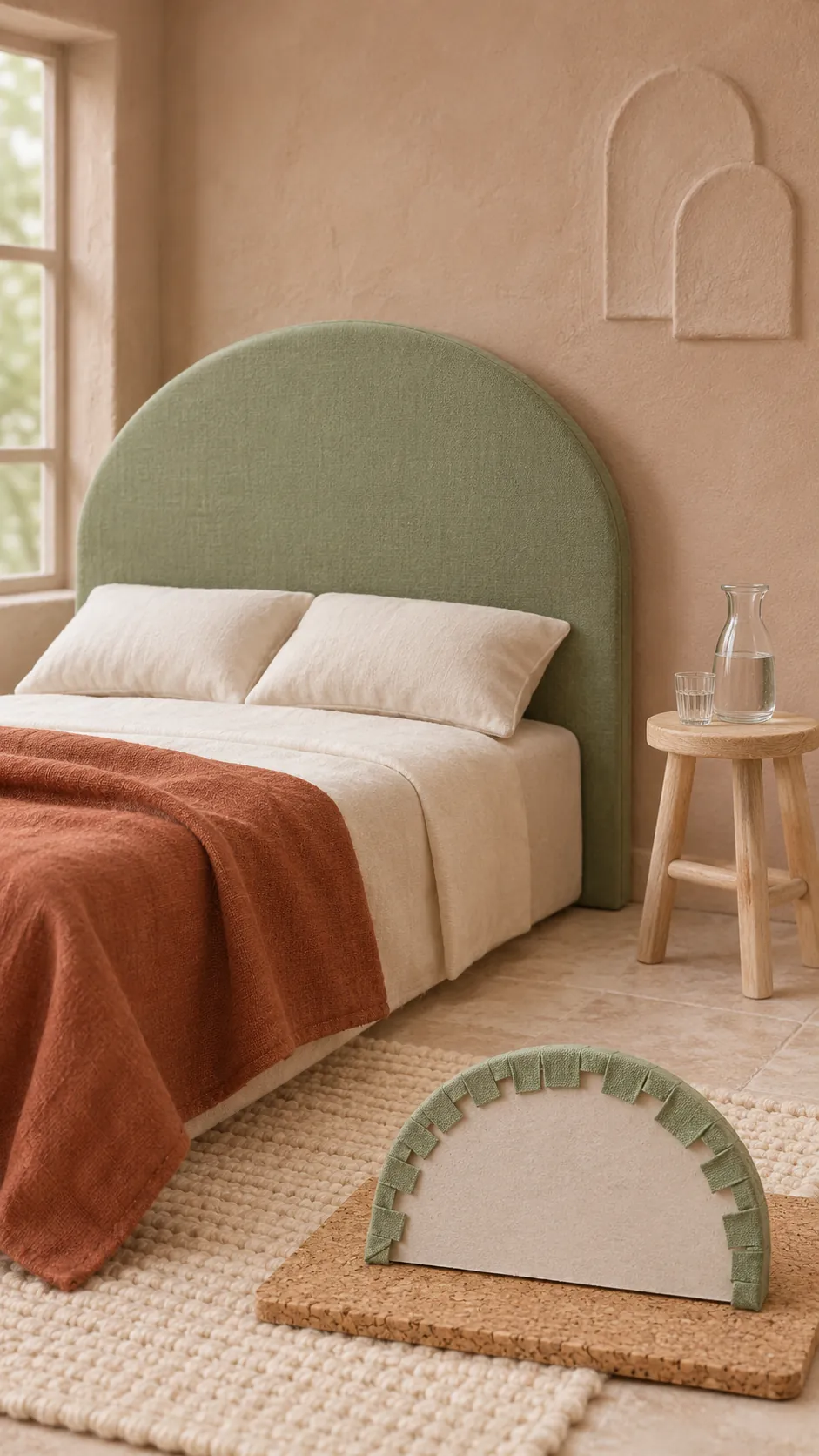
Soft Arched Fabric Headboard
Cut a broad gentle arch from dense card and add one thin layer of batting before fabric. Clip the fabric allowance around the curve so it folds smoothly across the back without bulky pleats. The simple outline makes this a forgiving first upholstery project.
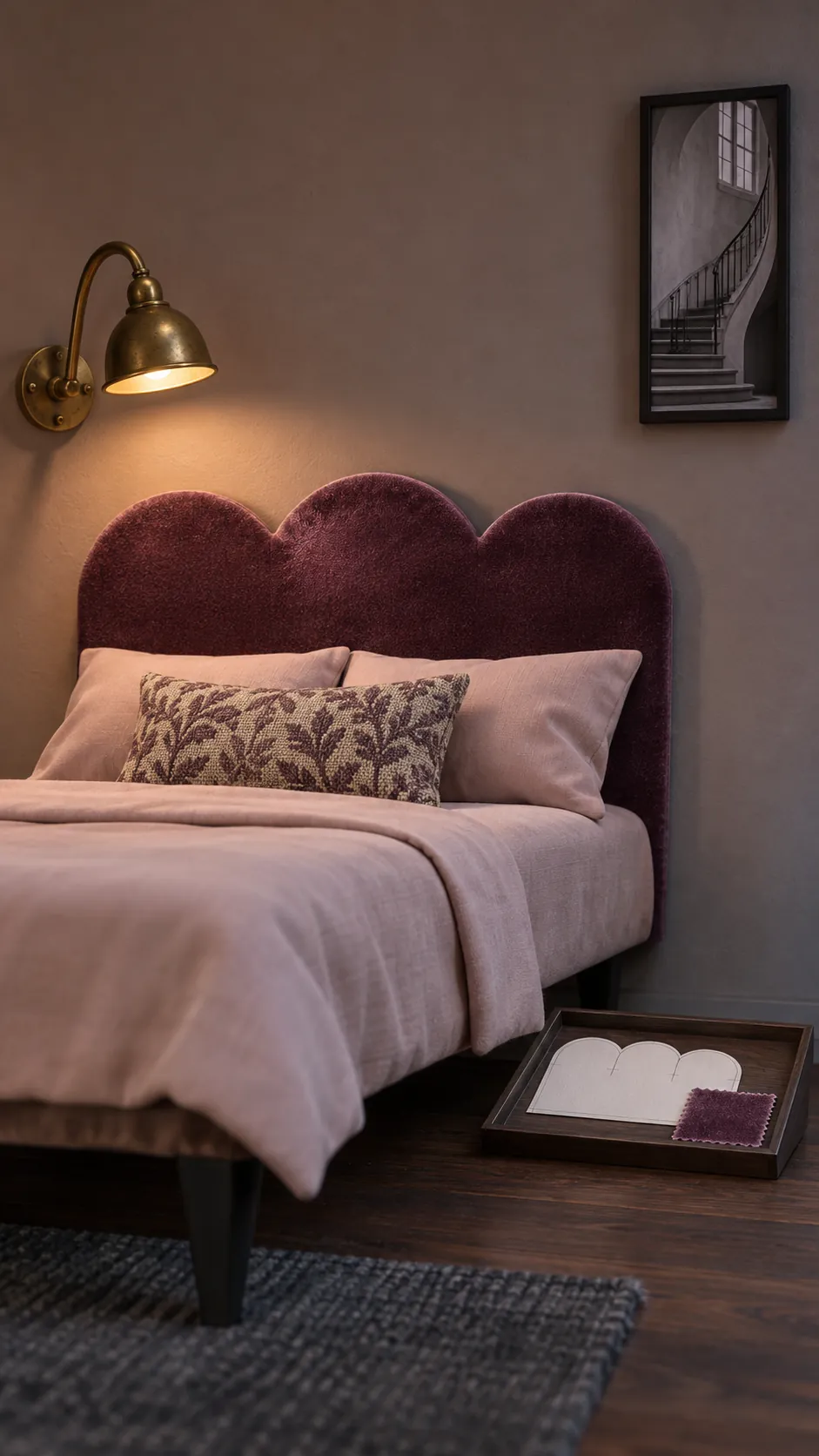
Scalloped Velvet Headboard
Trace three equal shallow scallops across the top of a card panel and cut them with a fresh blade. Choose fine short pile velvet because heavy nap hides the small curves and catches too much light. A plain lower edge lets the decorative crown remain the focal point.
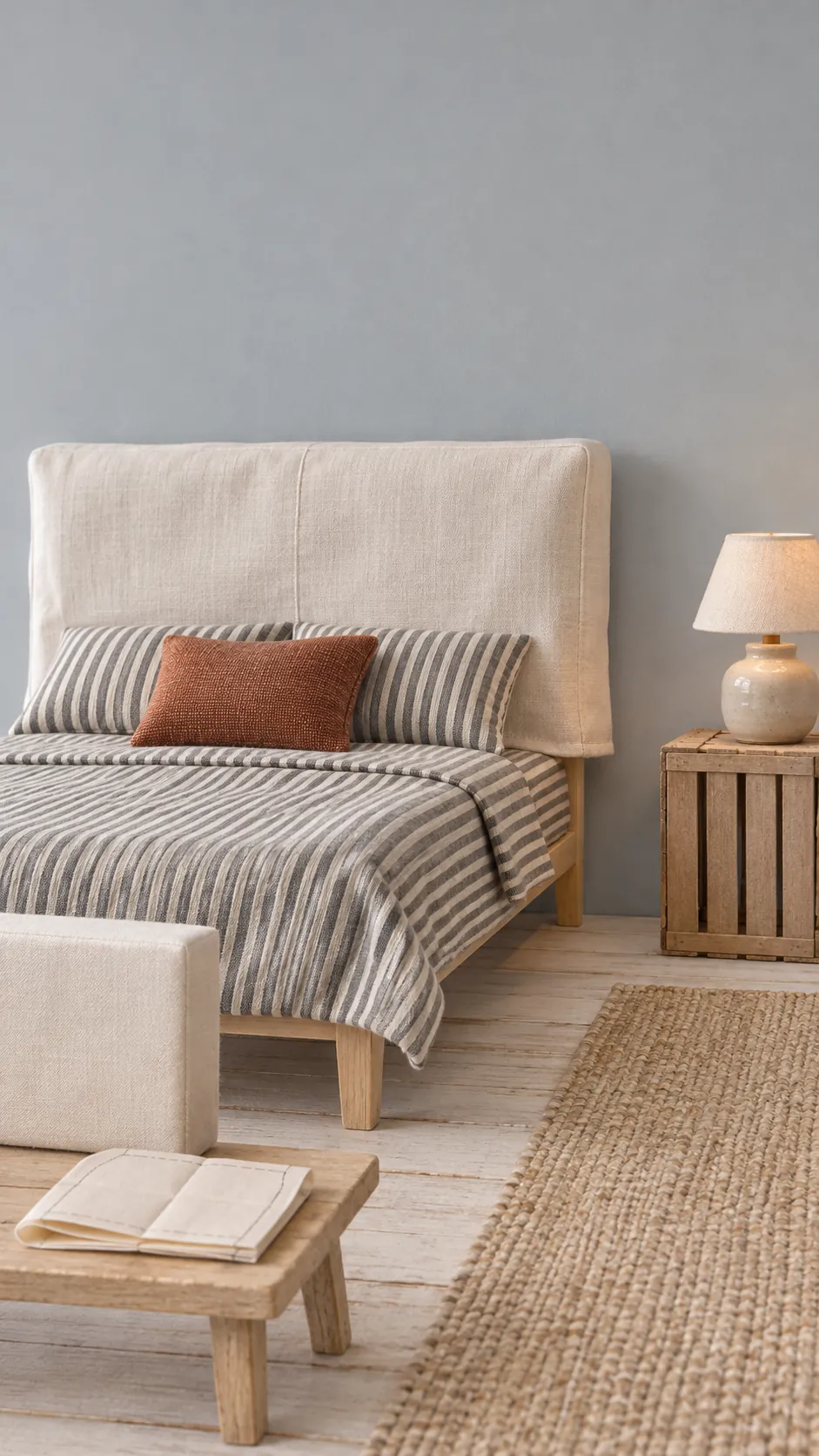
Relaxed Slipcovered Headboard
Build a simple rectangular padded core, then sew or glue a loose fabric cover with tiny side seams. Let the hem stop just above the mattress rather than pooling on the floor. One subtle center seam can suggest a removable linen slipcover without making the miniature look rumpled.
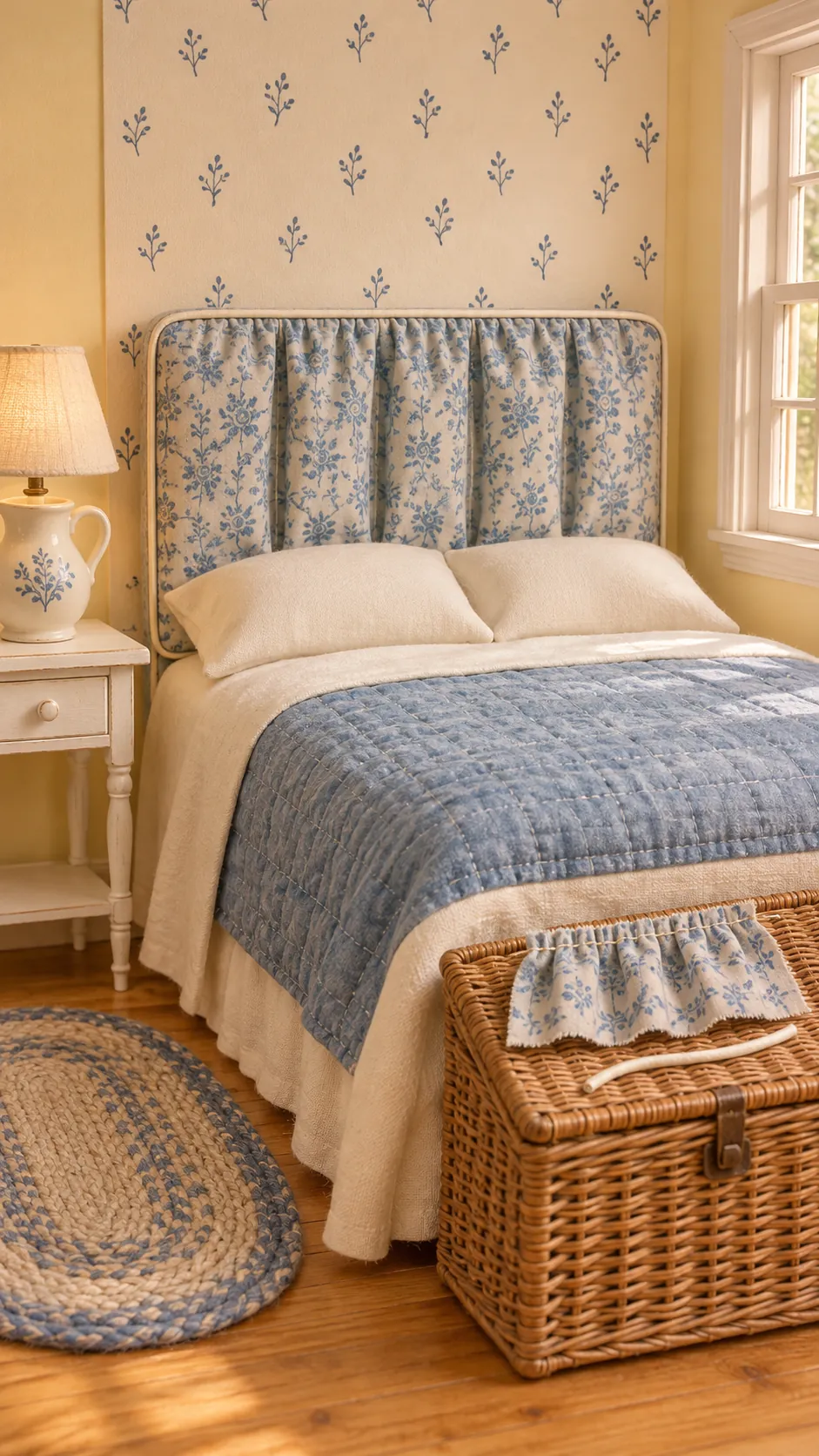
Gathered Cottage Headboard
Gather fine cotton lightly across a padded rectangle and secure the folds along the hidden back edge. Keep the gathers broad and sparse so they remain visible at 1:12 scale. A tiny contrast piping line around the perimeter can make the casual fabric treatment feel finished.
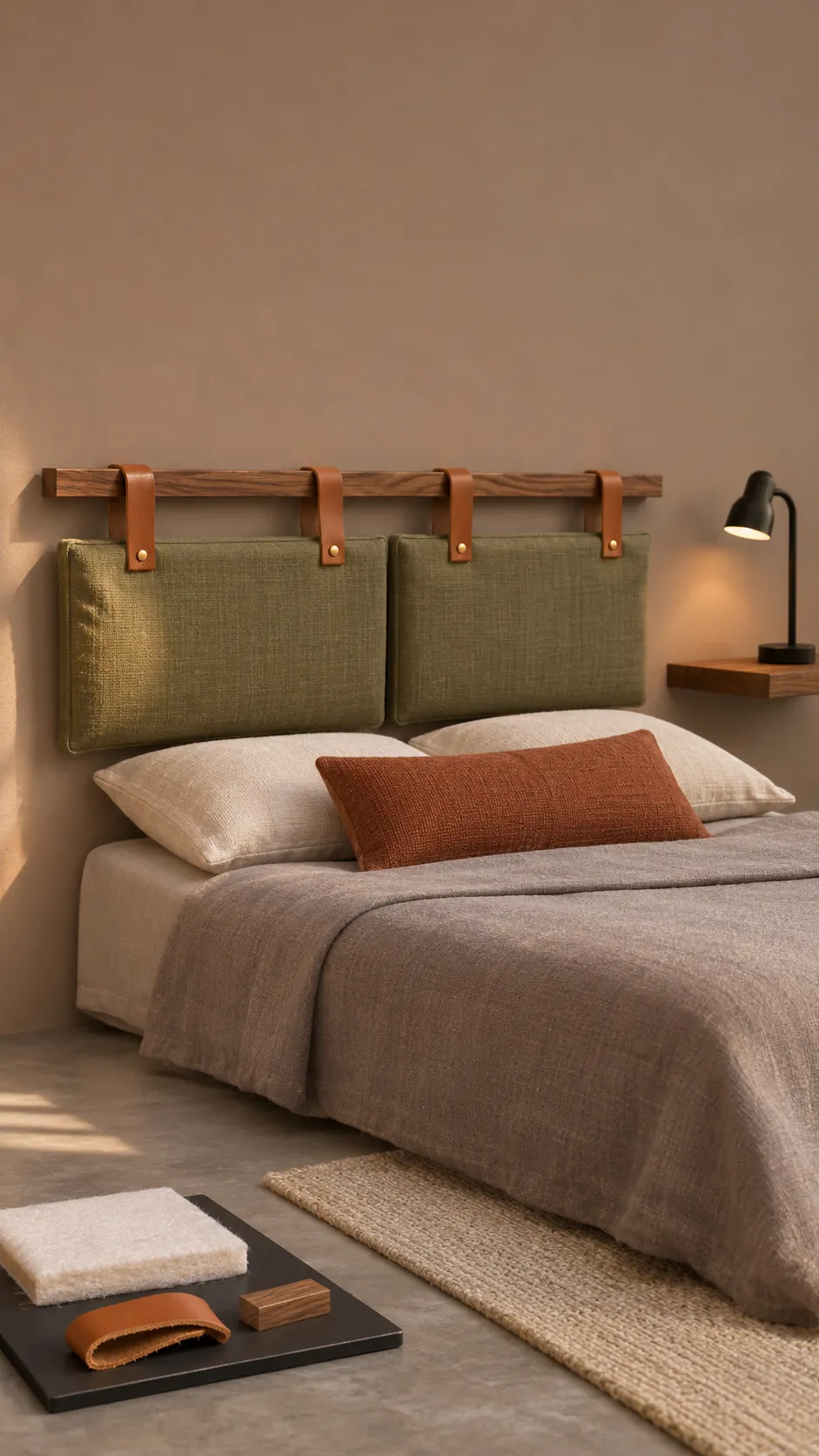
Leather Strap Cushion Headboard
Make two slim padded cushions and suspend them from a narrow wood rail with tiny faux leather loops. The straps should support the cushions at equal height and sit flat against the rail. Use soft matte material for the loops so they bend naturally without springing forward.
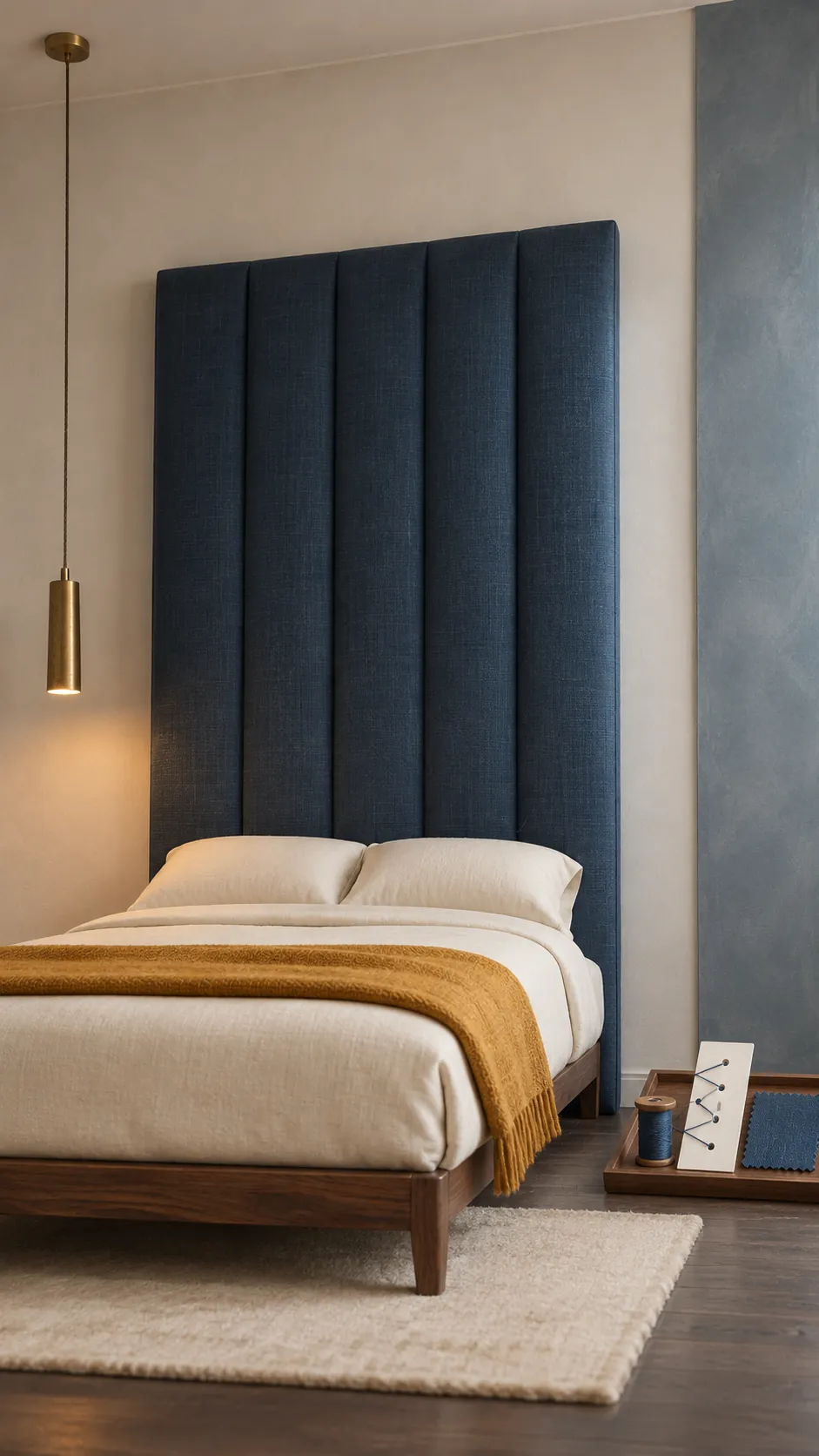
Tall Vertical Tufted Headboard
Mark a few long vertical divisions on a tall padded panel and press them with wrapped thread or shallow scored channels. Avoid many tiny buttons, since dense tufting can distort the scale and fabric. The height makes a strong statement in a room with enough blank wall above the bed.
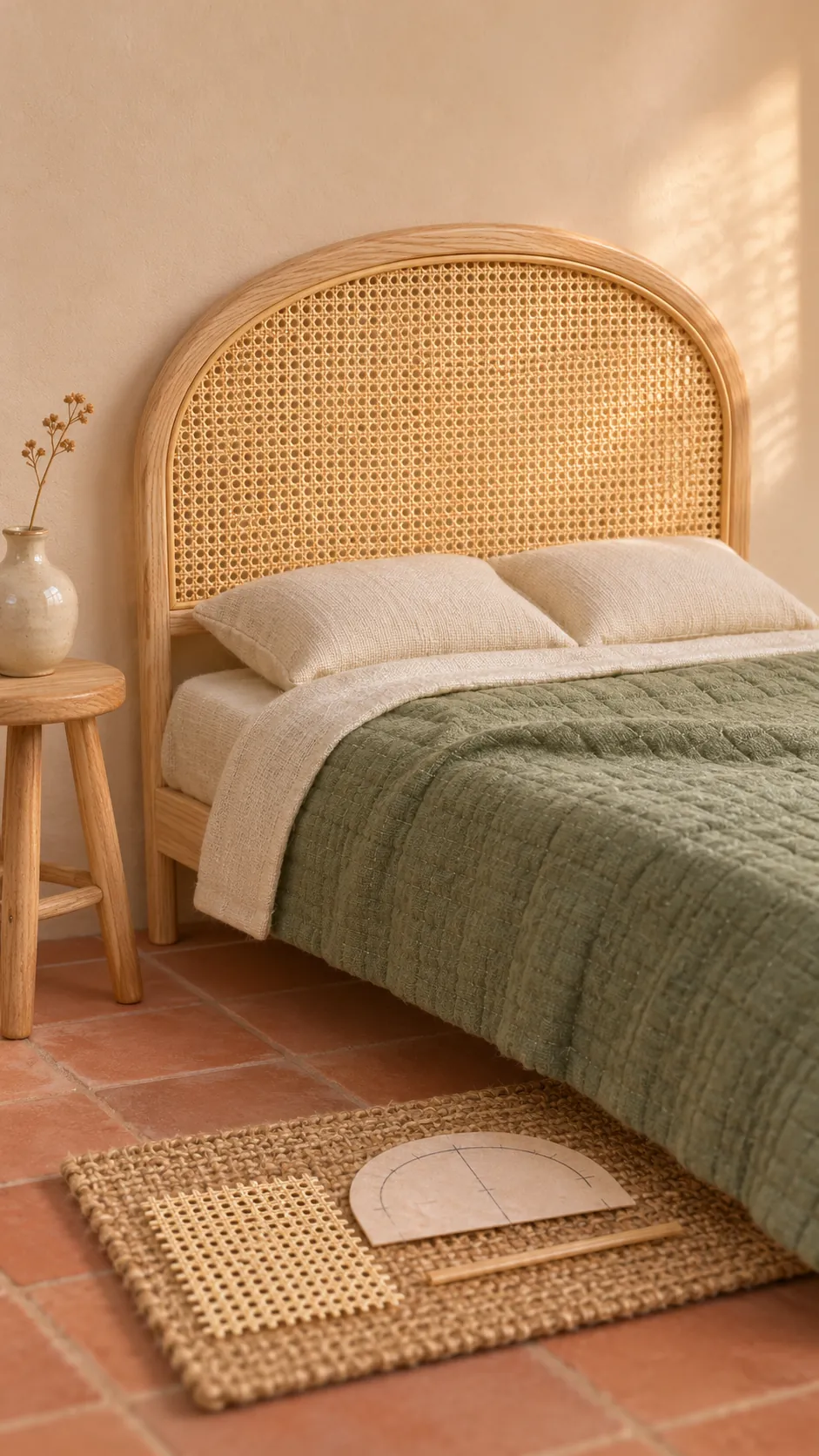
Rounded Cane Frame Headboard
Cut an oval topped frame from thin basswood or laminated card and fit a fine cane mesh behind the opening. The mesh should remain taut, with its pattern centered before glue is applied. A narrow inner trim hides the cut edge and gives the woven panel a clean border.
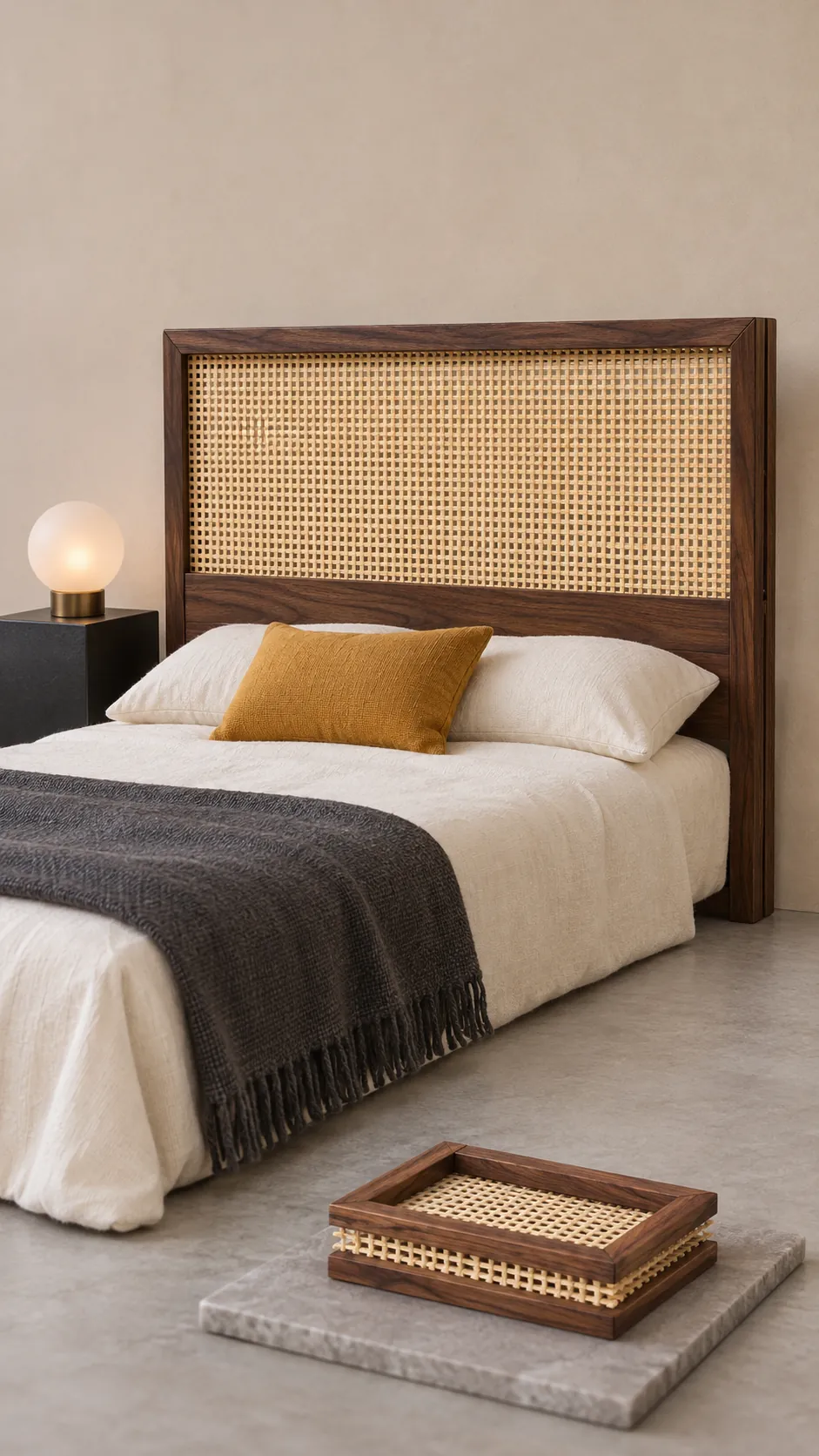
Rectangular Cane Panel
A simple rectangular frame keeps the attention on the cane pattern and suits a modern miniature room. Build the outer frame first, stretch the mesh across the back, and add a second thin rear frame to trap it. Leave a small solid border below the woven area so the mattress does not hide the pattern.
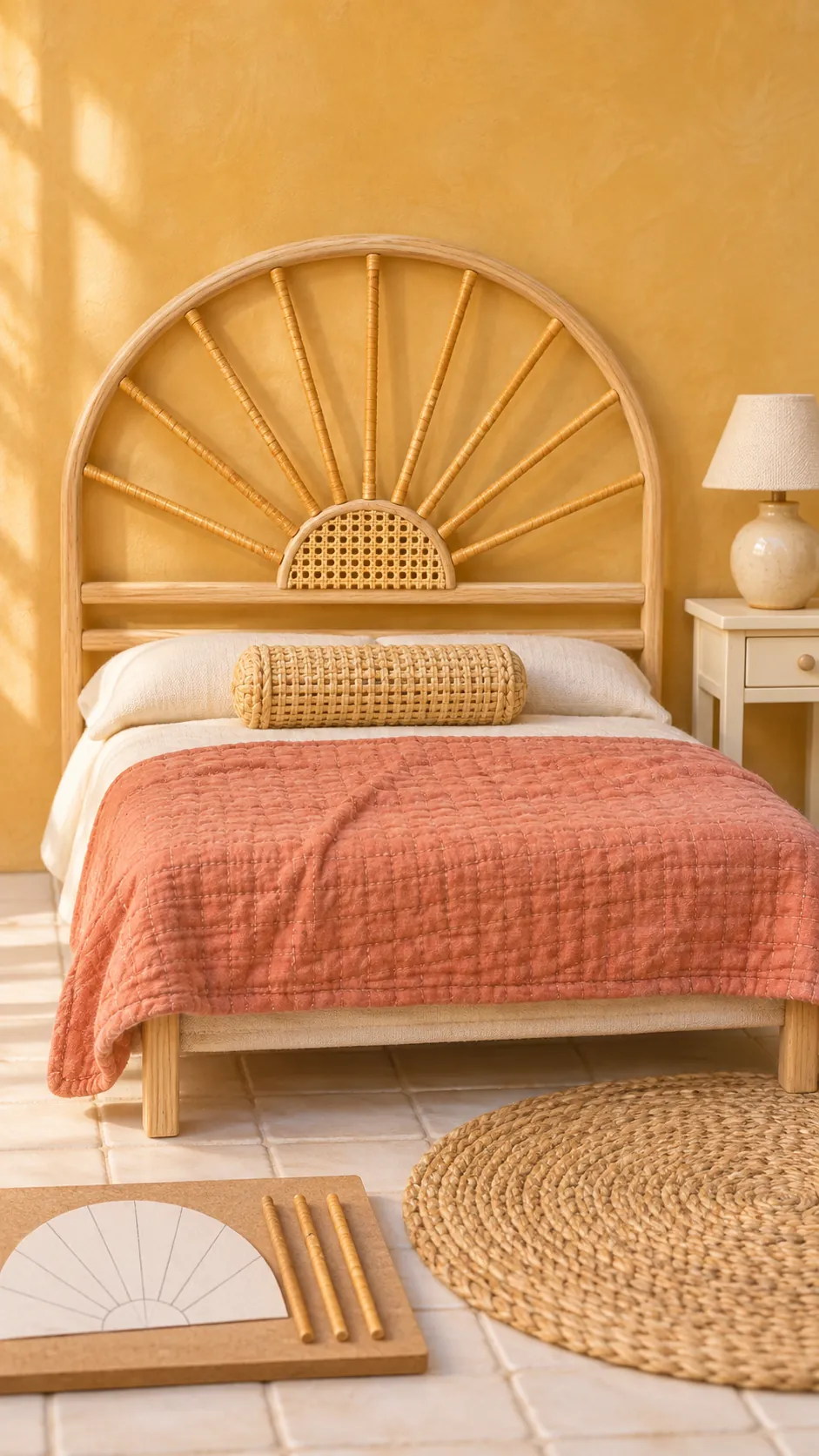
Sunburst Cane Headboard
Arrange narrow paper wrapped rods from a lower center point to form a restrained fan around a small cane insert. Use a curved outer rail to capture every rod end and keep the shape stable. Limit the number of spokes so the pattern remains readable rather than crowded.
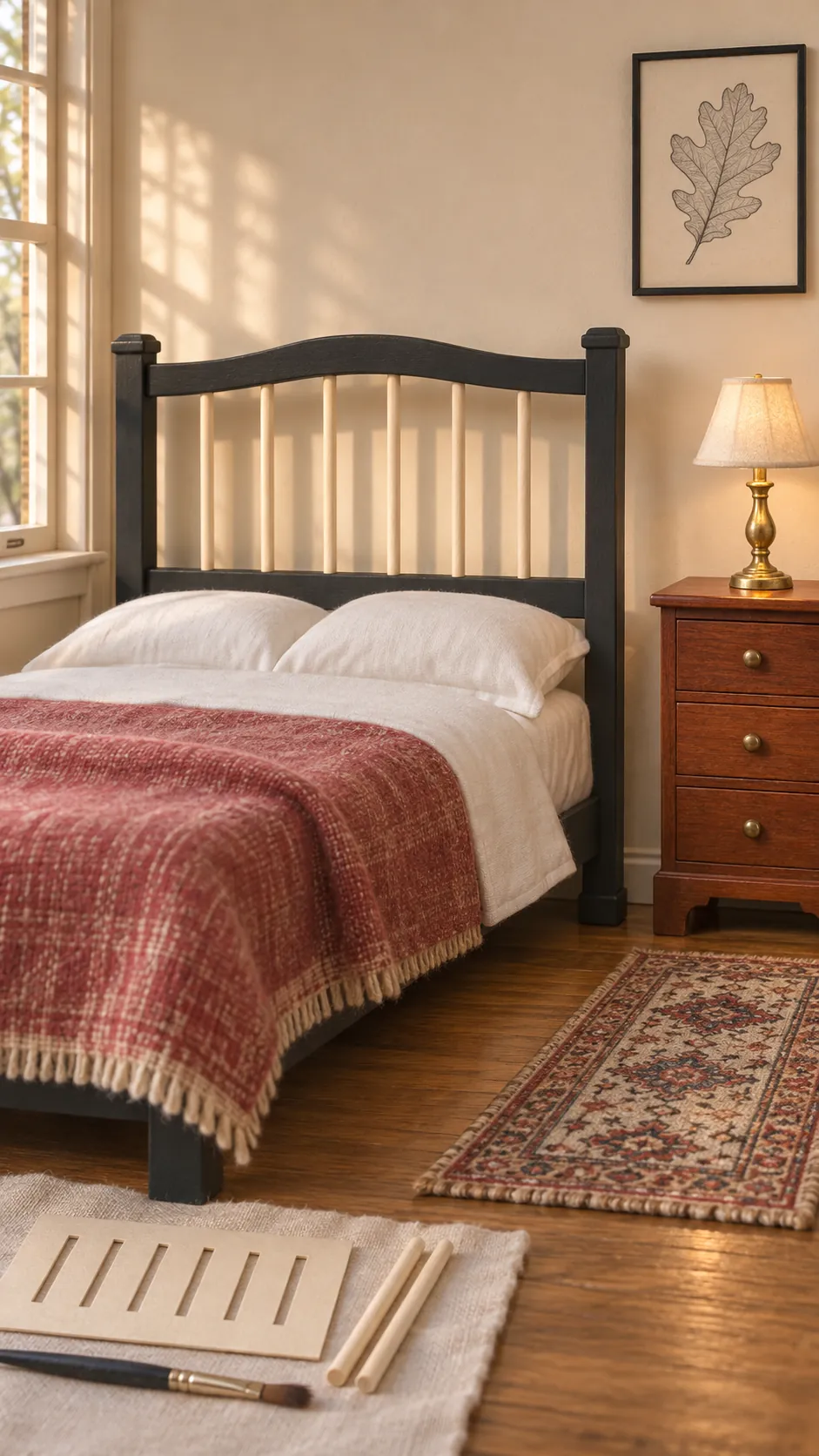
Classic Spindle Headboard
Cut matching posts and a top rail, then space slim toothpick or wood rod spindles with a simple card jig. Keep the spindles straight and use only enough to establish the traditional rhythm. A painted finish unifies different wood materials and hides small glue joints.
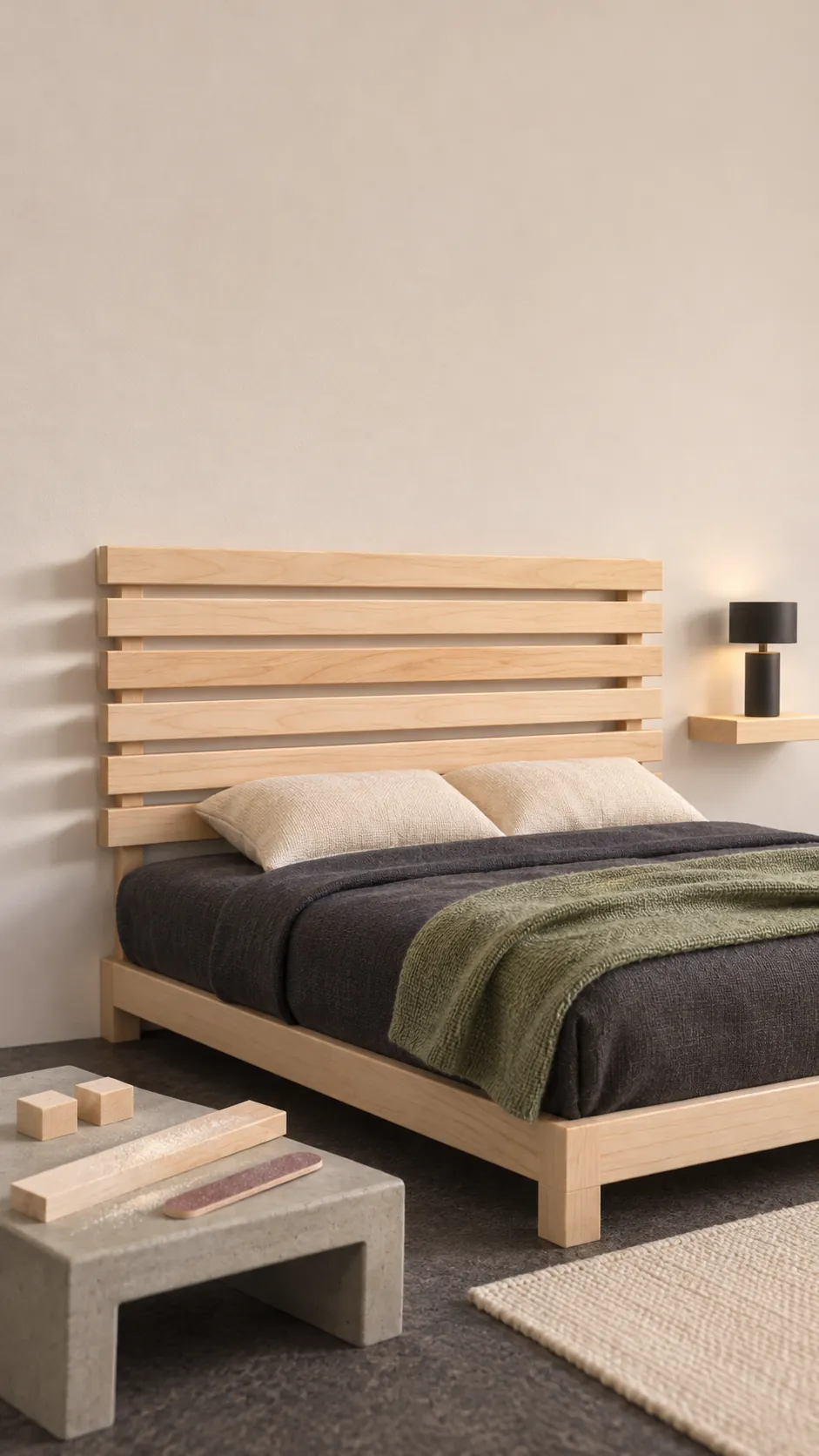
Modern Horizontal Slat Headboard
Mount five or six thin wood strips across two hidden vertical supports and keep the gaps equal with temporary spacers. Sand every strip before assembly because the narrow openings are hard to reach later. A clear matte finish preserves the grain without adding a thick toy like shine.
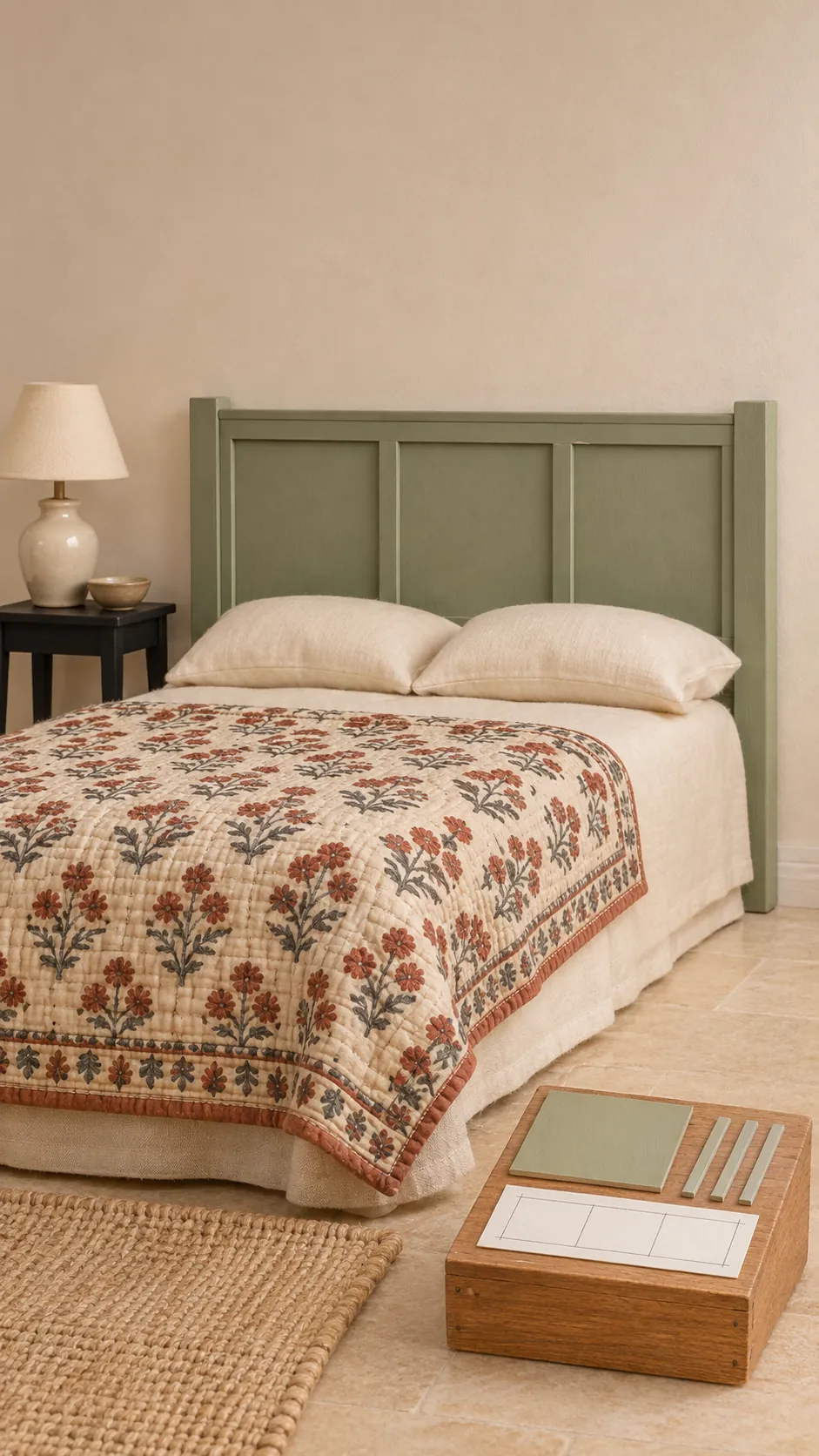
Shaker Panel Headboard
Apply thin rails and stiles to a flat wood or card back to create two or three recessed panels. Mark all divisions before cutting trim so the outer sections stay balanced. This strong geometric design works well when the bedding already includes pattern or texture.
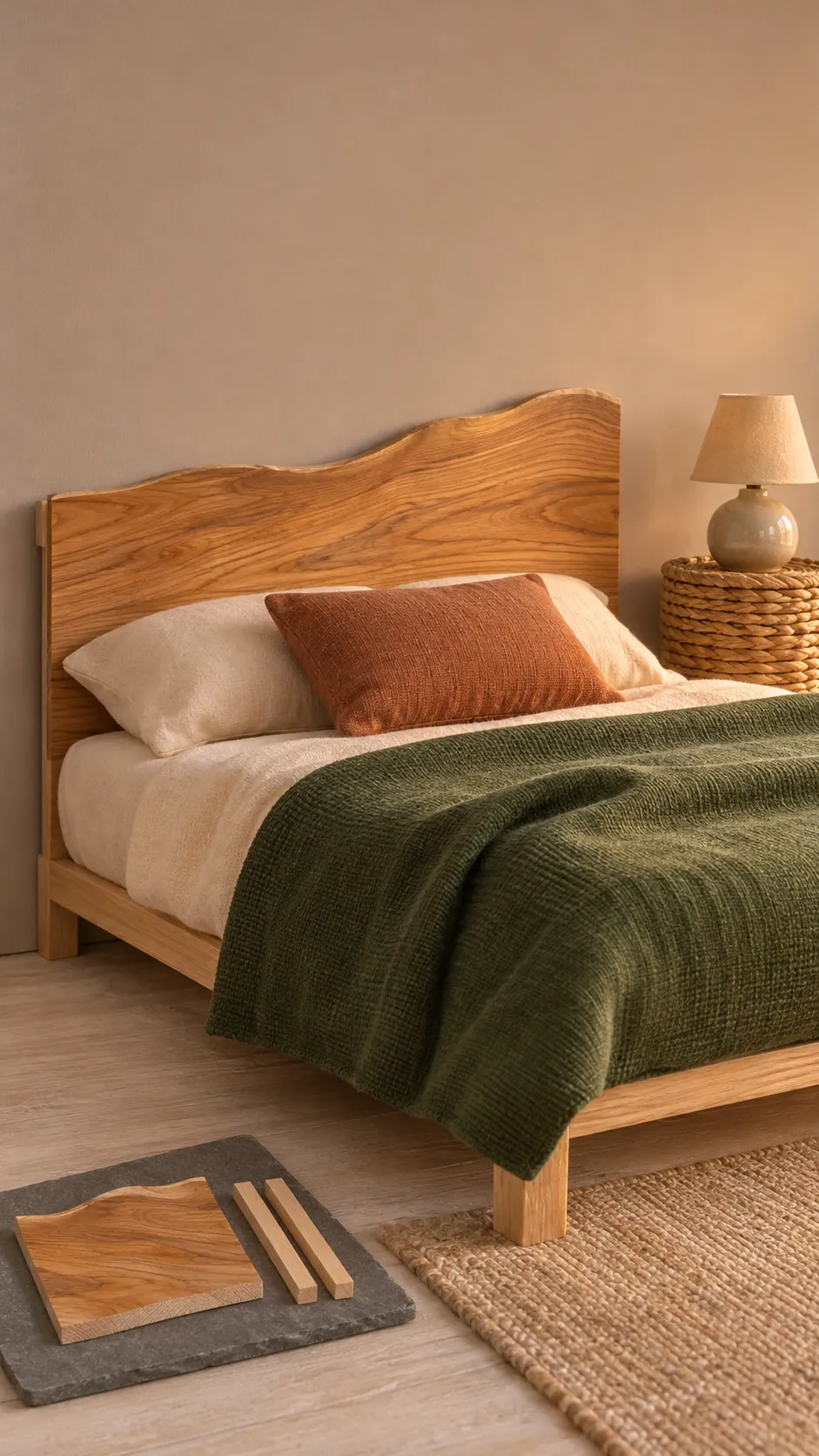
Natural Edge Wood Headboard
Choose one thin wood veneer offcut with a gentle irregular upper edge and a grain pattern that looks believable at miniature scale. Reinforce the back with two narrow battens so the veneer stays flat. Use a light stain or clear finish and avoid deep bark texture that would appear oversized.
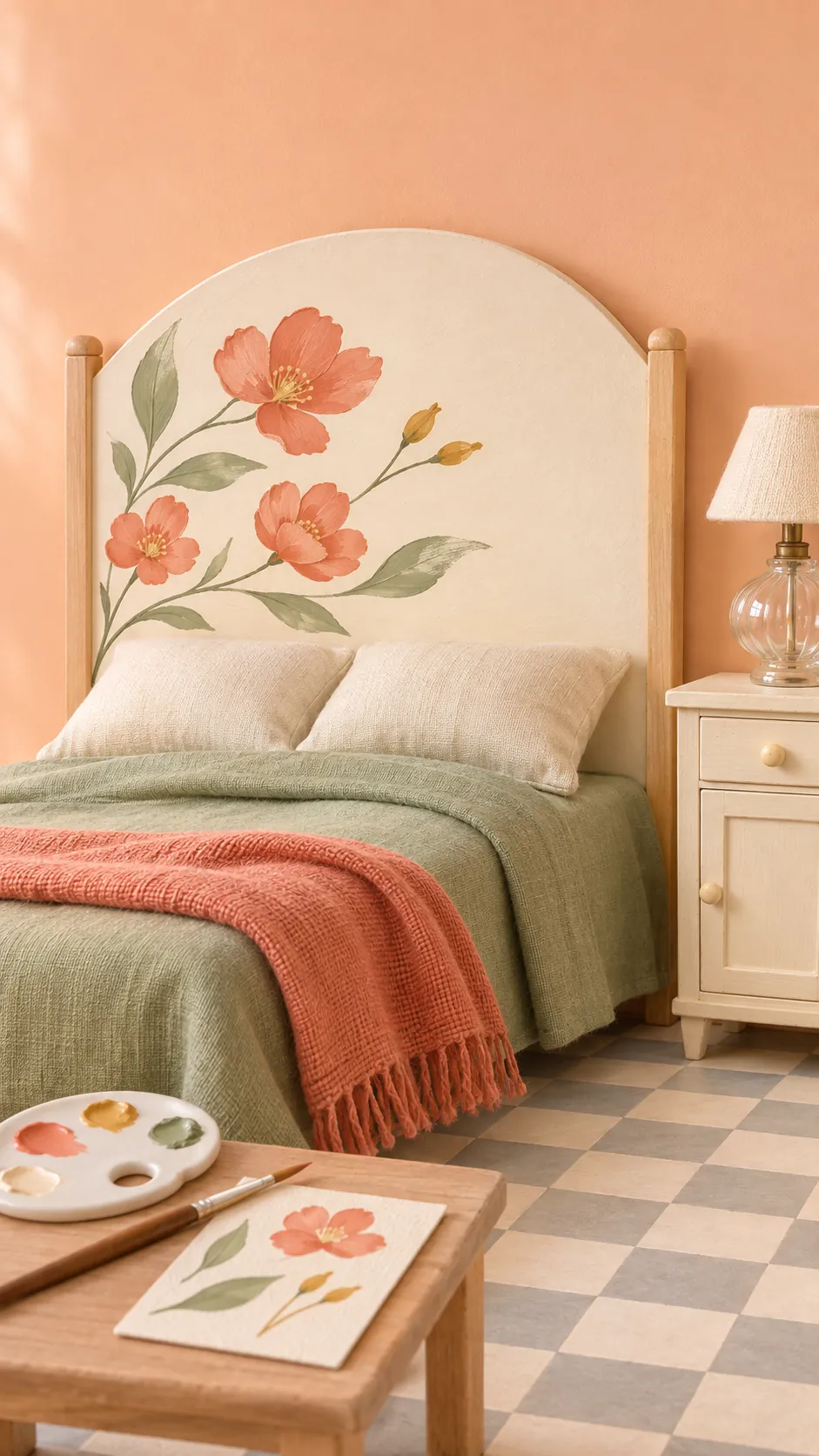
Hand Painted Floral Headboard
Paint a simple botanical motif on a smooth panel before attaching it to the bed. Use a few large leaves and flowers rather than many tiny marks, and leave visible background around the design. Seal the art with a matte coat so it reads as painted furniture instead of glossy printed paper.
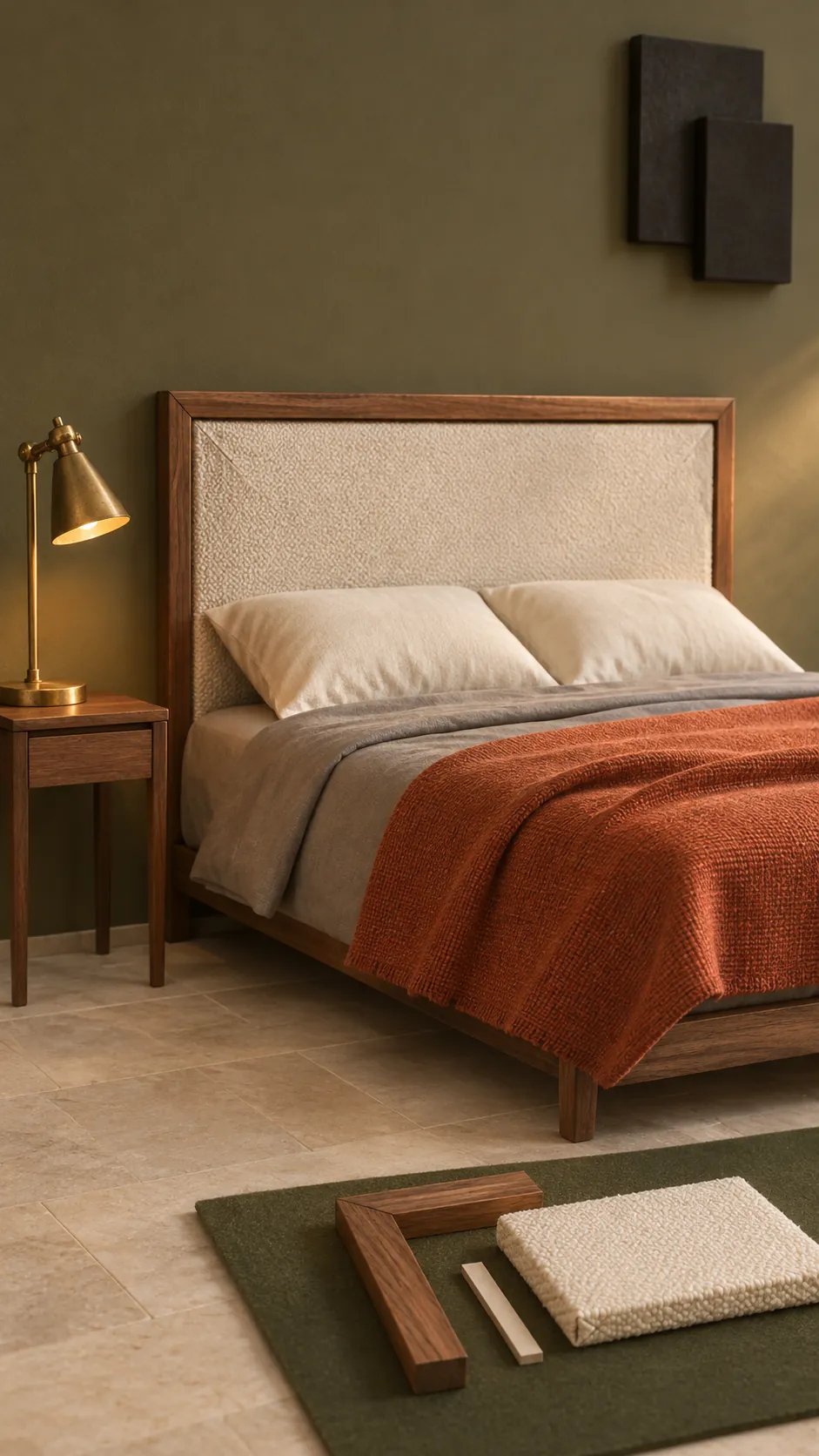
Upholstered Wood Frame Headboard
Fit one thin padded fabric panel inside a narrow stained wood frame for a balanced mix of hard and soft materials. Complete the upholstered insert before gluing it into the frame so fabric stays free of wood finish. A slight reveal around the insert helps both materials remain distinct.
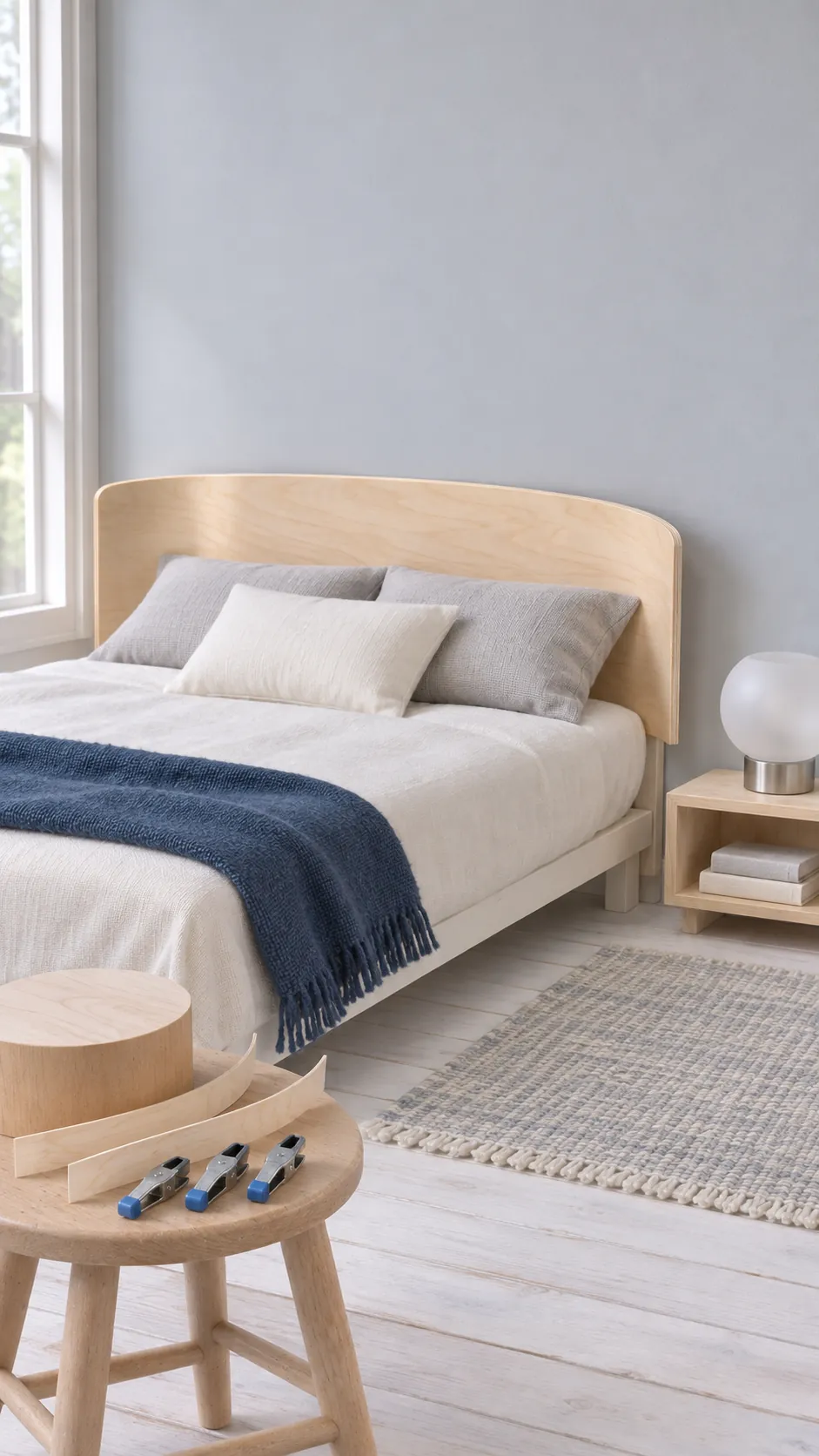
Curved Plywood Headboard
Laminate two thin veneer or card layers around a round form and let them dry completely before trimming. The curve should wrap only slightly around the mattress so it does not resemble a full enclosure. A plain clear finish emphasizes the bend and keeps the silhouette light.
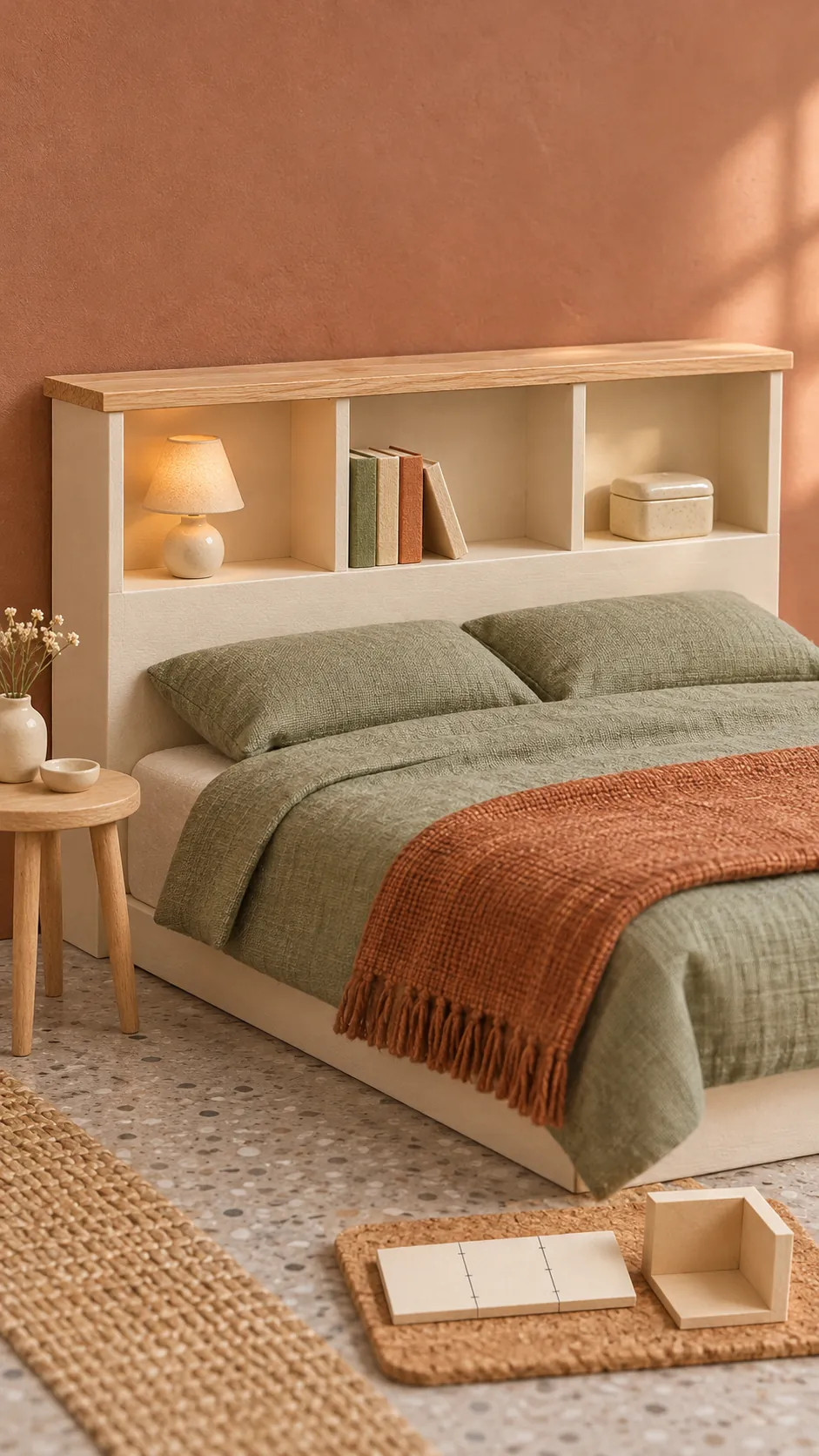
Bookcase Storage Headboard
Build a shallow box wider than the mattress and divide it into three open storage niches. Add a solid lower rail so pillows cannot cover the openings, then fit a thin top with a slight overhang. Style the shelves with only a few tiny books and one lamp so the practical design does not feel crowded.