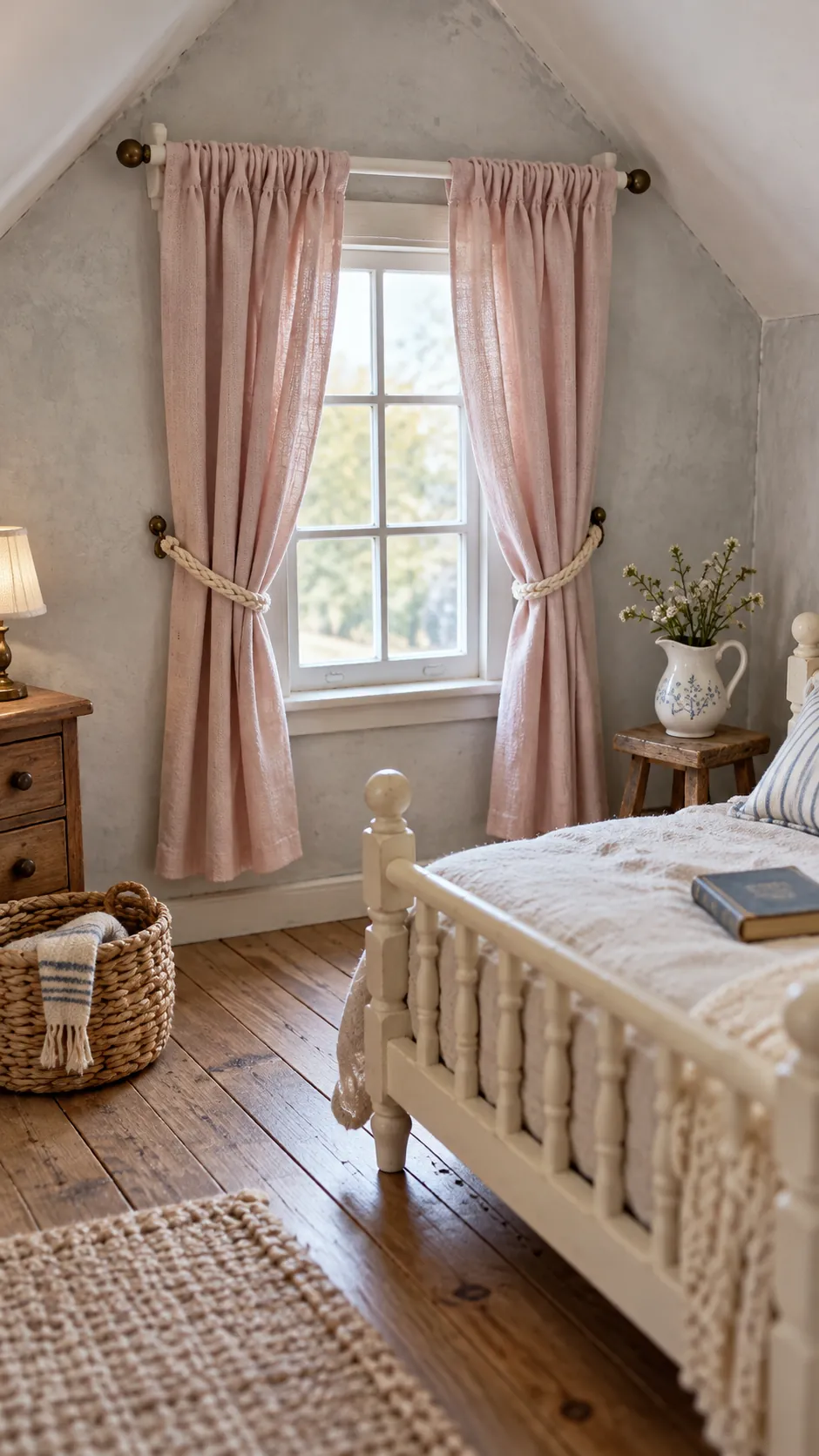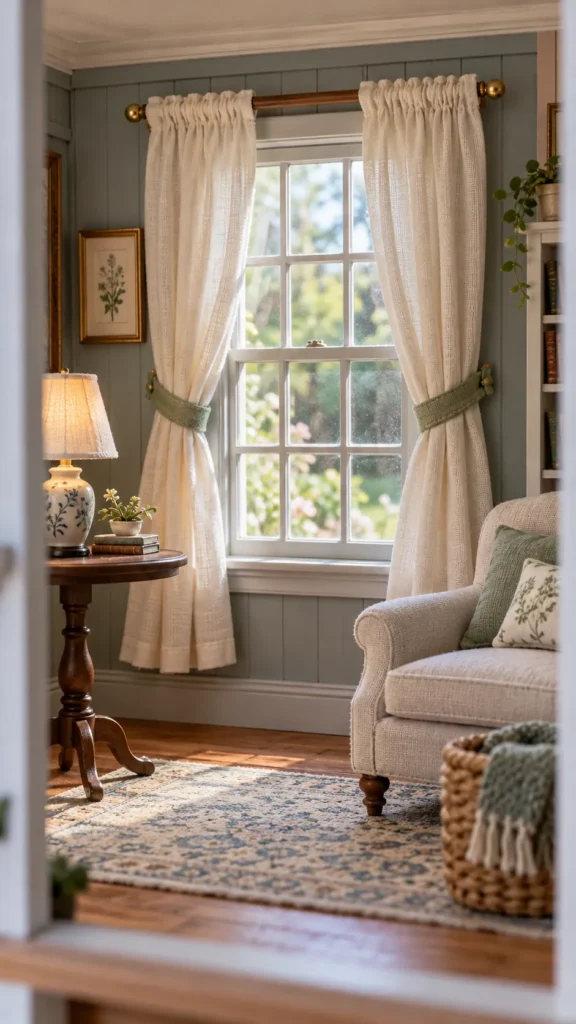
Tiny curtains can look bulky, stiff, or oddly short even when the fabric is beautiful. The problem is usually scale rather than skill. A light fabric, a narrow adhesive hem, and a simple rod can turn a small scrap into a convincing dollhouse window treatment without a single stitch.
Measure the Window at Dollhouse Scale
Measure the visible window opening first, then decide where the finished curtain should end. A floor length panel can make a miniature room feel taller, while a sill length panel keeps furniture and radiators visible. Add enough width for gentle folds, but avoid the heavy fullness used on real windows because extra fabric quickly looks oversized in a dollhouse.
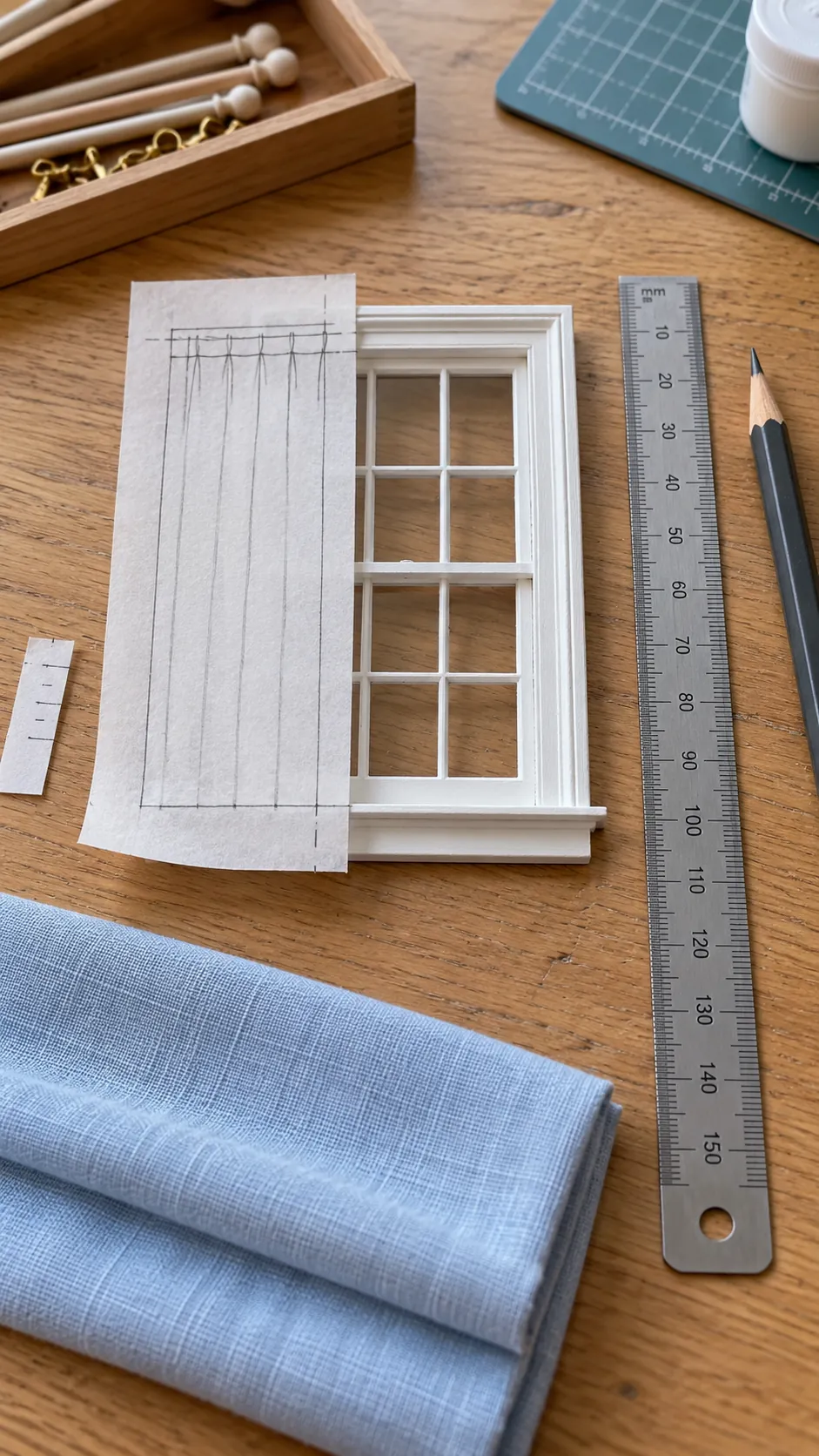
Cut a paper test panel before touching a favorite fabric scrap. Hold the paper against the wall and check the view from the open front of the dollhouse, not only from straight ahead. This quick test reveals whether the rod needs to sit higher or whether the panels cover too much of the miniature window frame.
Choose Fabric That Falls Naturally
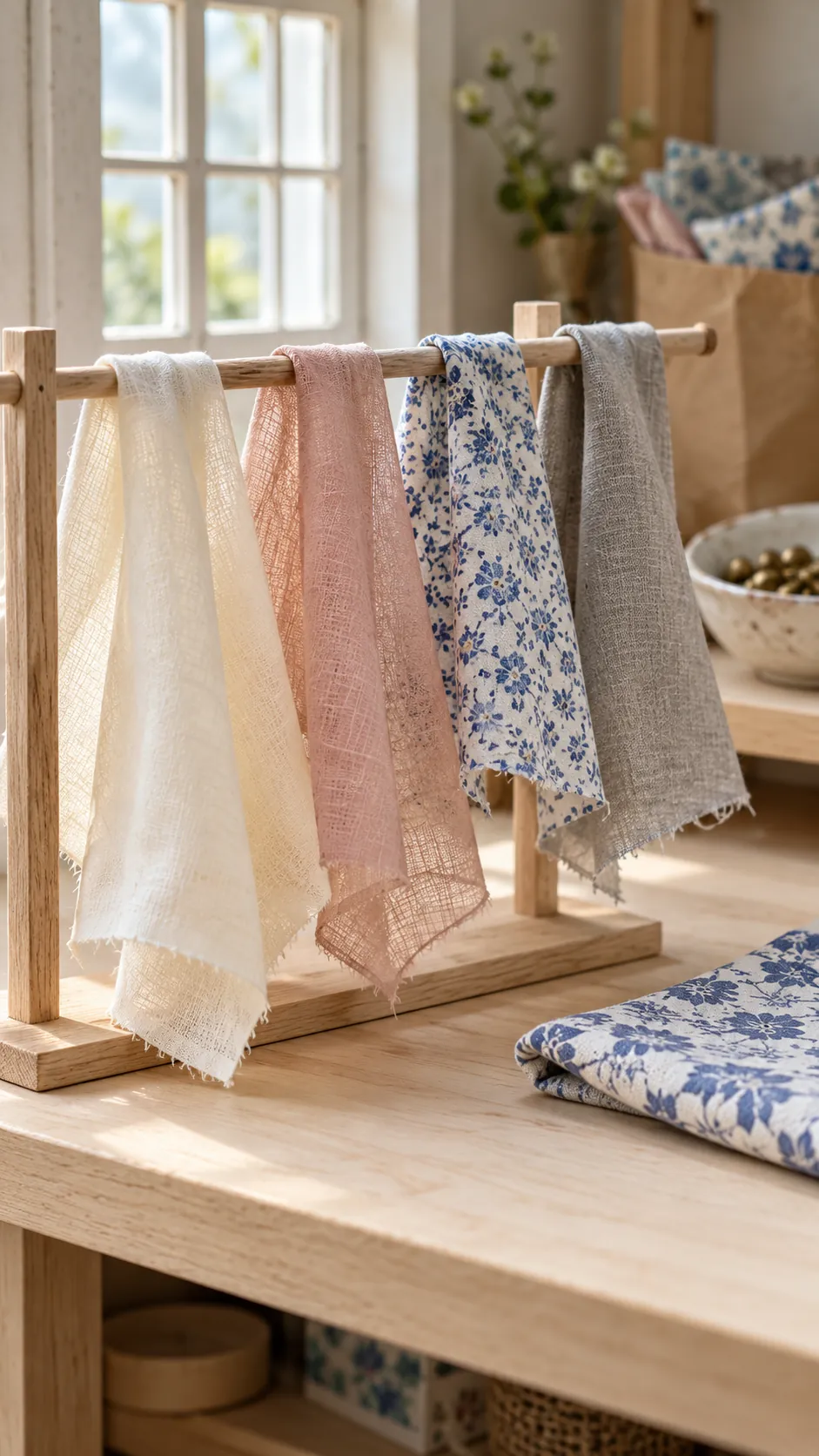
Thin cotton lawn, lightweight voile, worn handkerchief fabric, and fine lining scraps usually fall more naturally than quilting cotton. Hold a small piece from one corner and watch how it bends. If it stays flat like paper, it will probably resist miniature folds unless you soften or shape it.
Small prints are easier to read at miniature scale than large flowers or broad stripes. Sheer fabric works well when you want light through the window, while an opaque scrap gives a bedroom or formal room more visual weight. Test adhesive on an offcut because some thin fabrics darken where wet glue soaks through.
Make Clean Edges Without Sewing
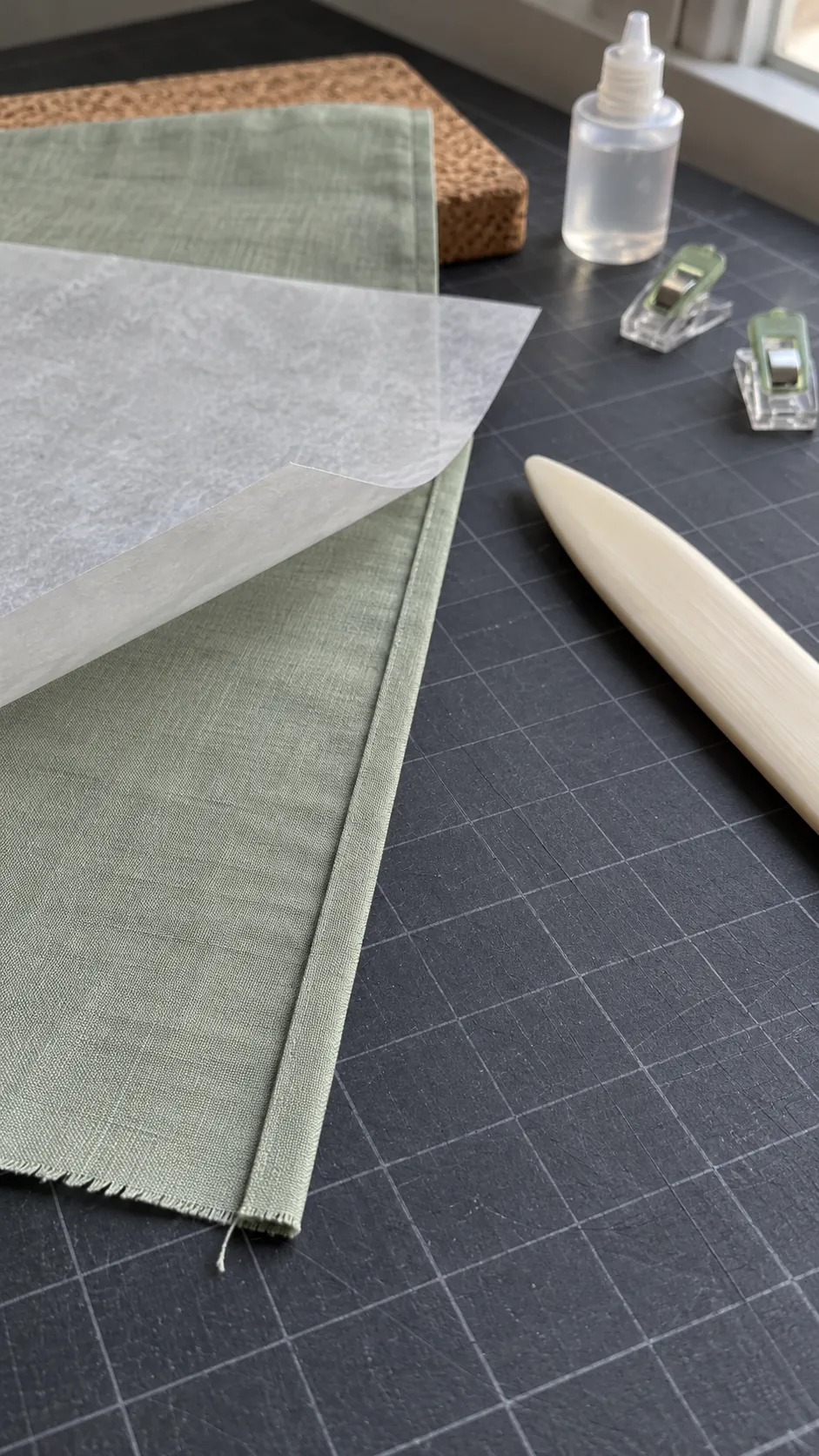
Apply a very thin line of fabric adhesive along each side edge and fold only a narrow margin to the back. Press the fold with a smooth tool through baking paper so glue does not transfer to the work surface. A wide folded hem creates a thick border that can overpower a tiny curtain.
For fabric that frays easily, brush a tiny amount of diluted fabric adhesive along the cut edge before folding it. Let every edge dry flat before handling the panel again. Trim stray fibers only after the glue is dry, since pulling them while wet can distort the weave.
Build a Simple Rod Pocket
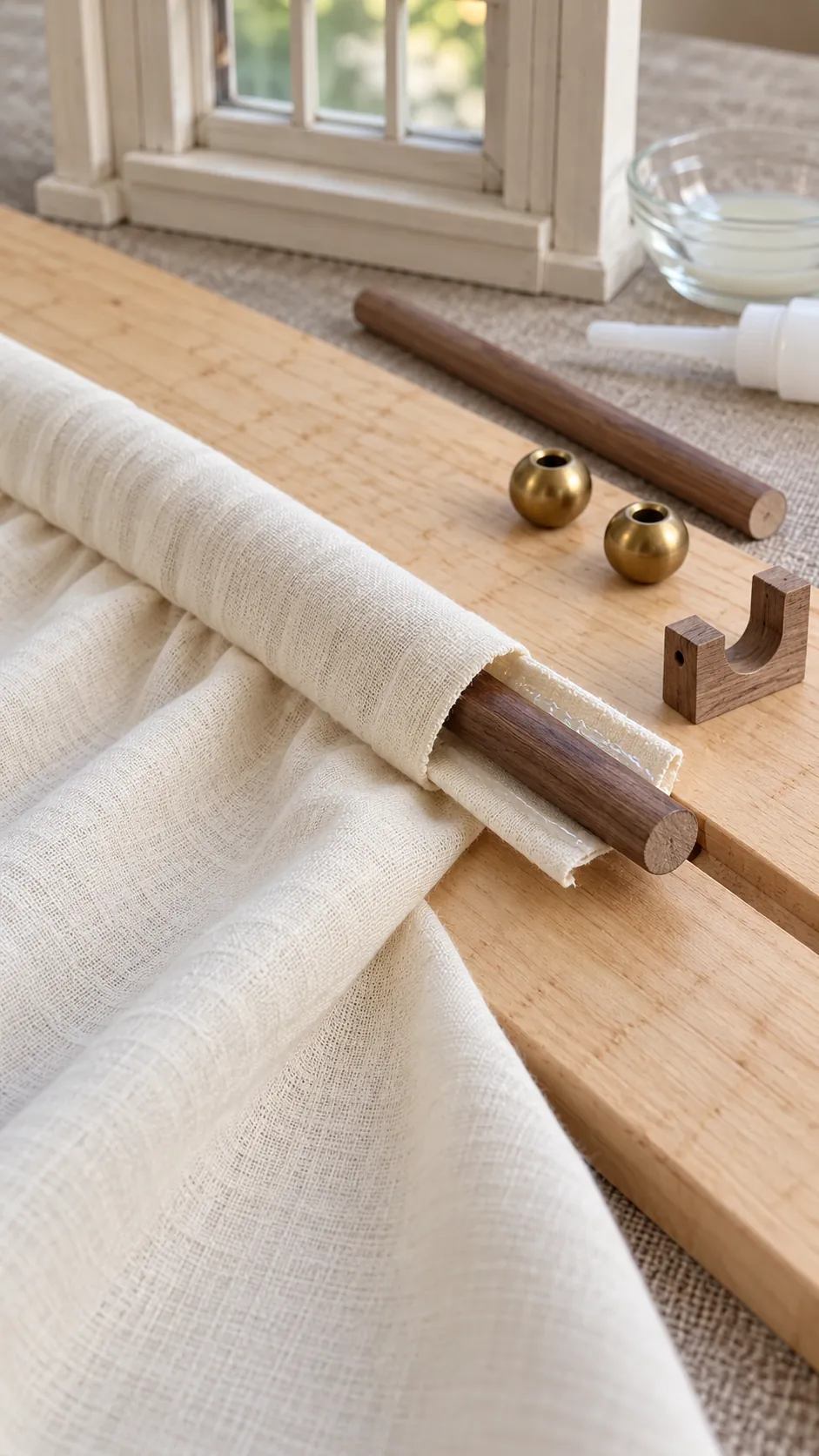
Place a thin wooden dowel, wire, or straight cocktail stick near the top edge to judge the pocket depth. Fold the fabric over the rod with a little clearance, then glue the folded edge to the back of the panel without touching the rod. Remove the rod while the adhesive dries so the pocket stays open.
A removable rod makes it easier to adjust the folds and replace the curtain later. Small wooden beads can become finials, while short eye pins or discreet adhesive brackets can hold the rod. If the window frame is delicate, use removable museum putty behind the brackets rather than permanent glue.
Shape Soft Folds That Stay in Place
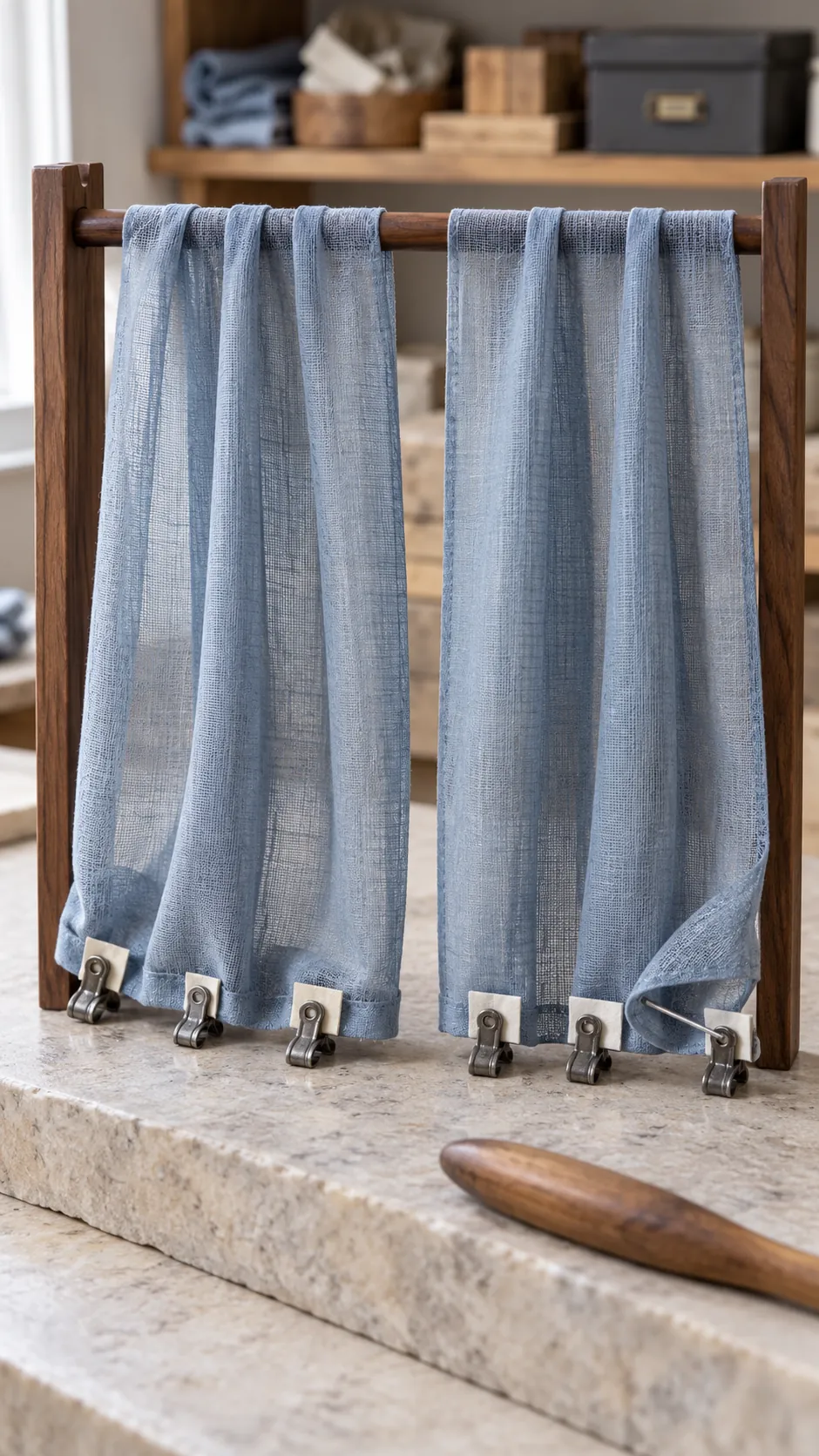
Slide the dry panel onto the rod and arrange a few broad folds with a blunt tool. Mist the fabric very lightly with water only if the material tolerates moisture, then hold the folds with clean clips until fully dry. Too many narrow pleats make the curtain resemble an accordion rather than soft fabric.
If the lower edge flares outward, hide a tiny metal bead or a short piece of fine wire inside the bottom fold. Use the least weight that changes the drape because heavy panels can pull small brackets from the wall. A discreet glue dot behind the lower corner is another option when the curtain must remain in a fixed open position.
Mount and Adjust the Finished Curtains
Set the rod above the window and step back before fixing both supports. Check that the panels clear nearby furniture, hang at the same height, and frame rather than hide the window. Secure the supports only after the proportions look right from the normal viewing angle.
Move each fold with tweezers and leave a slight difference between the two panels for a natural result. If a panel twists, check that the side hems are equal and that glue has not created one stiff patch. The best miniature curtains look relaxed, stay clear of the floor, and make the whole room feel finished without drawing attention to the construction method.