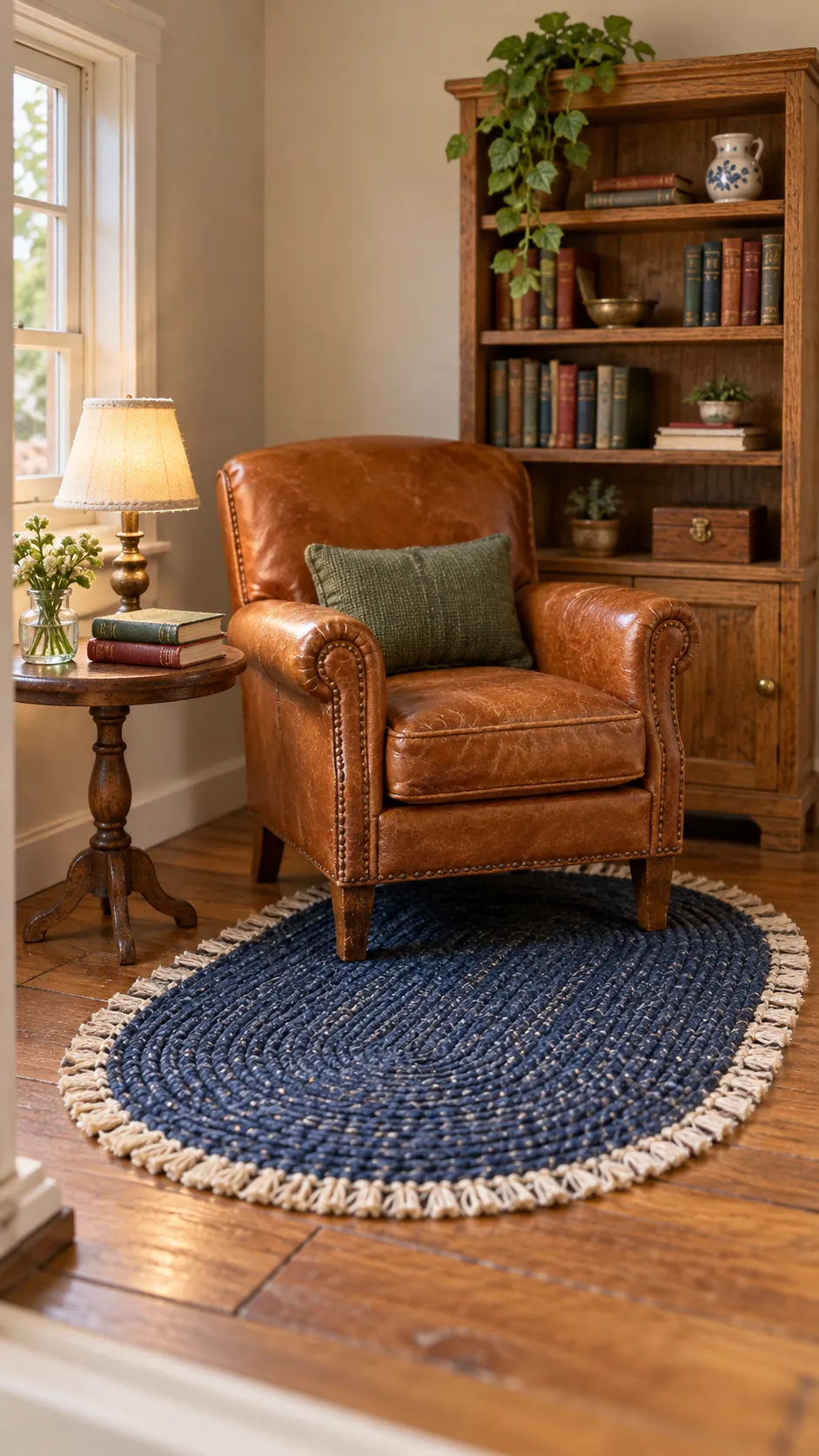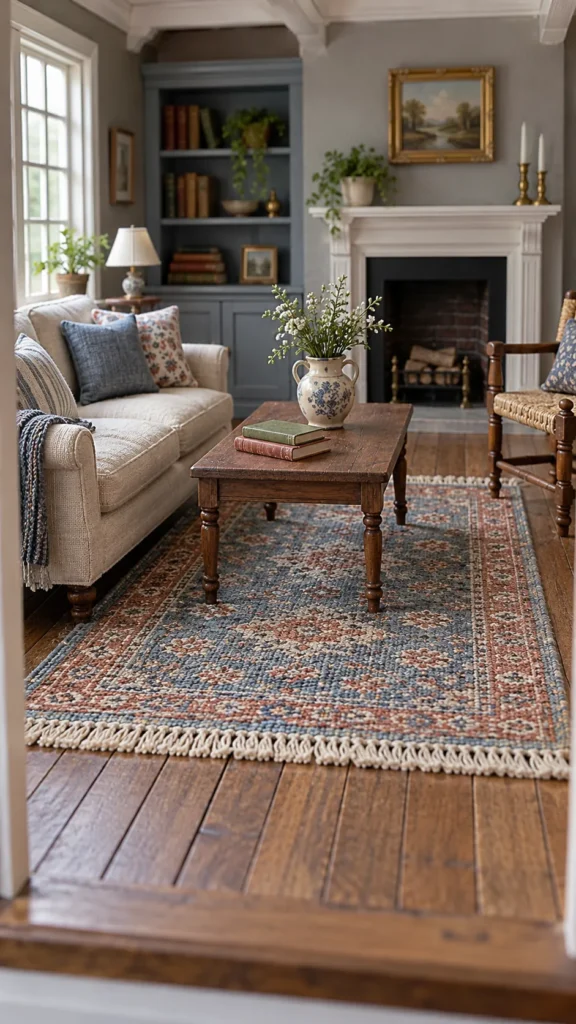
A fabric scrap can look like a real rug in a dollhouse, but only when its pattern, thickness, and edge finish suit the room. Bulky cloth lifts furniture, large motifs lose their meaning, and loose threads quickly overwhelm a tiny floor. The method below keeps the rug thin, flat, and easy to change.
Measure the Open Floor Area
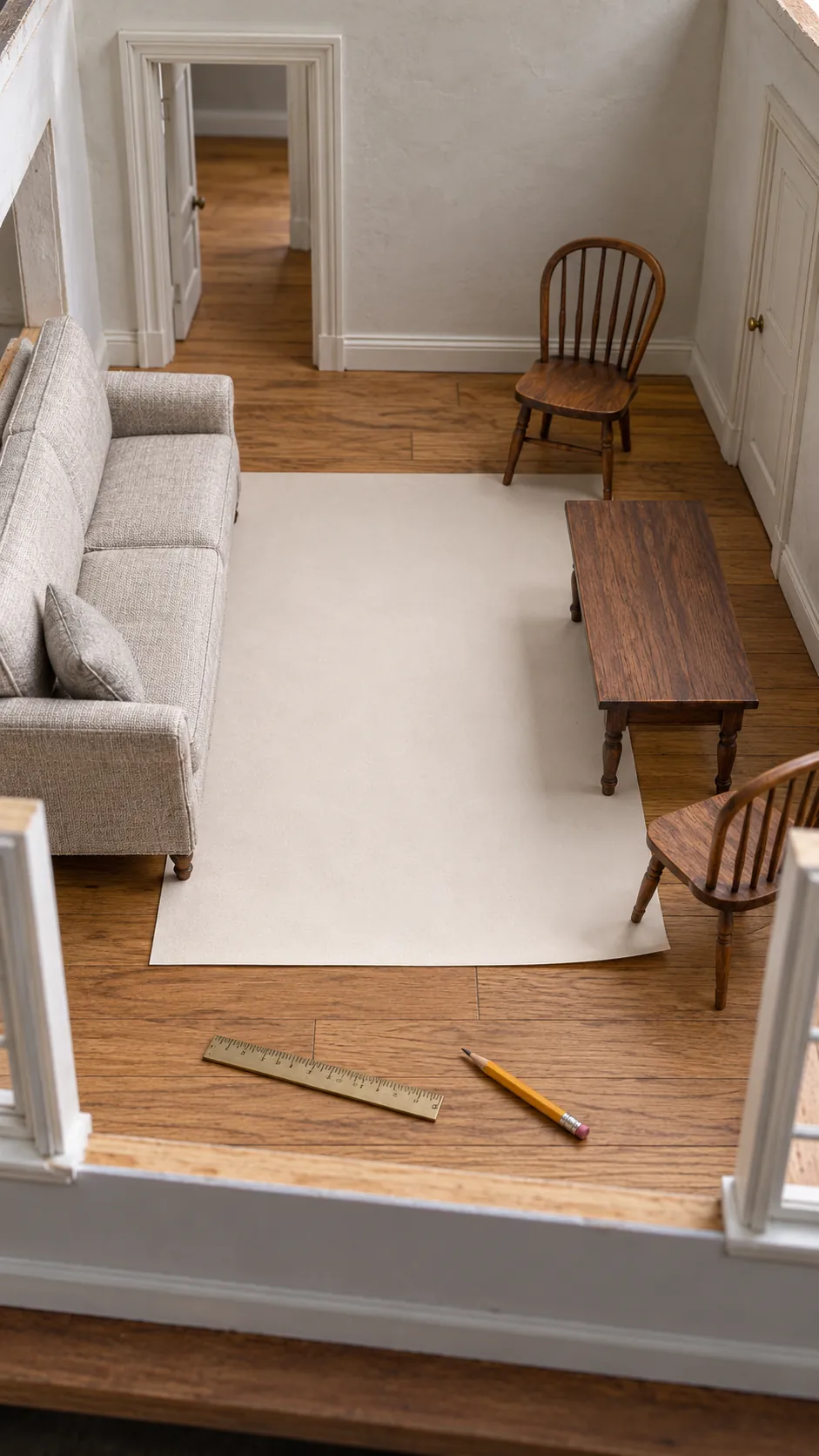
Arrange the main furniture before choosing the rug size. A living room rug should reach under the front legs of a sofa and chairs, while a bedroom runner needs a visible border beside the bed. Cut a paper template and move it around until doors, stairs, and furniture legs stay clear.
Look through the open front of the dollhouse while testing the template. A rug that seems modest from above can dominate the room at eye level. Mark the final outline on the back of the paper so you can compare it with candidate fabric scraps.
Choose Thin Fabric with a Small Pattern
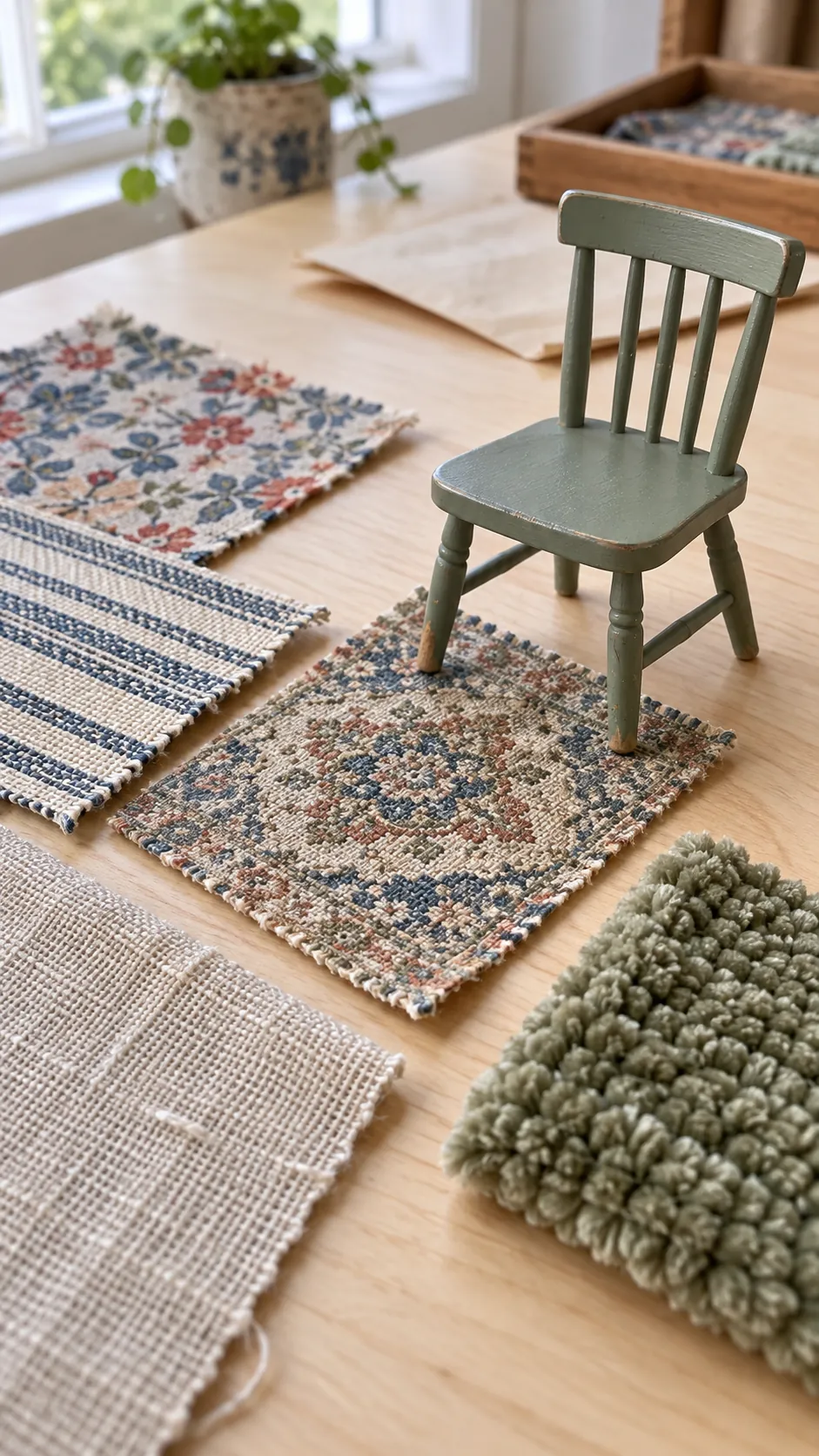
Upholstery samples, worn cotton, fine linen, and tightly woven shirt fabric can all become miniature rugs. Favor a print that reads clearly within the paper template. A single small medallion or a repeated narrow stripe usually looks more convincing than a large motif cut in half.
Test the thickness by placing a miniature chair with two legs on the scrap and two legs on the bare floor. The chair should stay level. If the fabric is attractive but too soft, a thin paper backing can give it body without adding a bulky edge.
Cut a Straight Balanced Shape
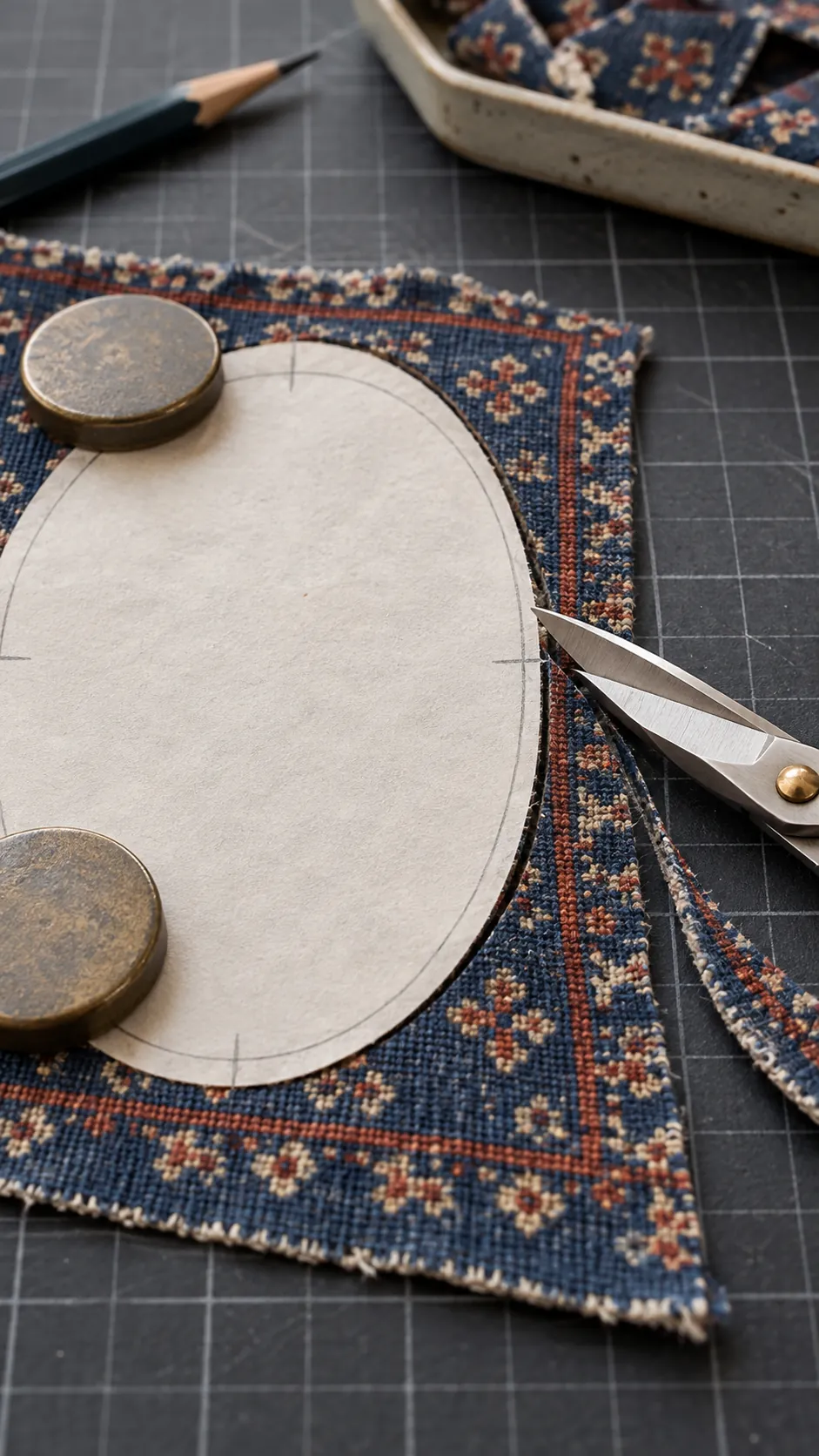
Place the paper template on the back of the fabric and align it with the weave or printed pattern. Trace lightly, then cut with sharp fabric scissors in long controlled motions. Rotate the fabric instead of twisting the scissors around corners.
Check the cut piece on the dollhouse floor before sealing any edge. Trim tiny differences now, since an uneven rectangle becomes more obvious after fringe or backing is added. For an oval, fold the paper template in half first so both ends share the same curve.
Seal the Edges Without a Thick Hem
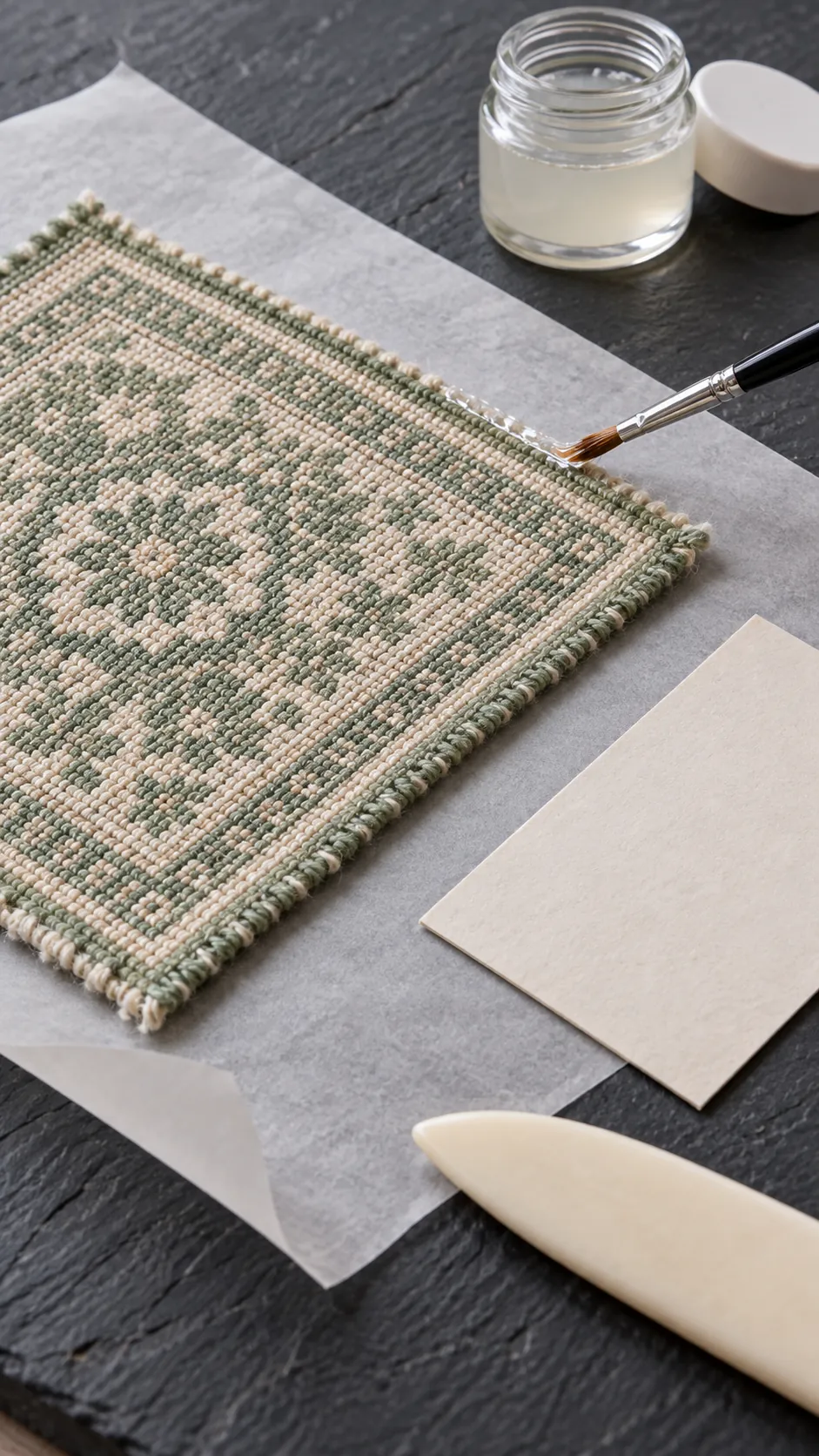
Run a fine brush with diluted fabric adhesive along the back edge and let it dry flat. Use only enough to bind the threads, since a glossy rim looks unnatural. A thin backing cut slightly smaller than the rug can also stabilize loose fabric and keep adhesive away from the visible edge.
Place baking paper above and below the rug while pressing it under a flat book. Remove the rug before any stray adhesive fully cures to the paper. When dry, inspect the corners and add a pinpoint of adhesive only where a thread still lifts.
Add Fringe That Matches the Scale
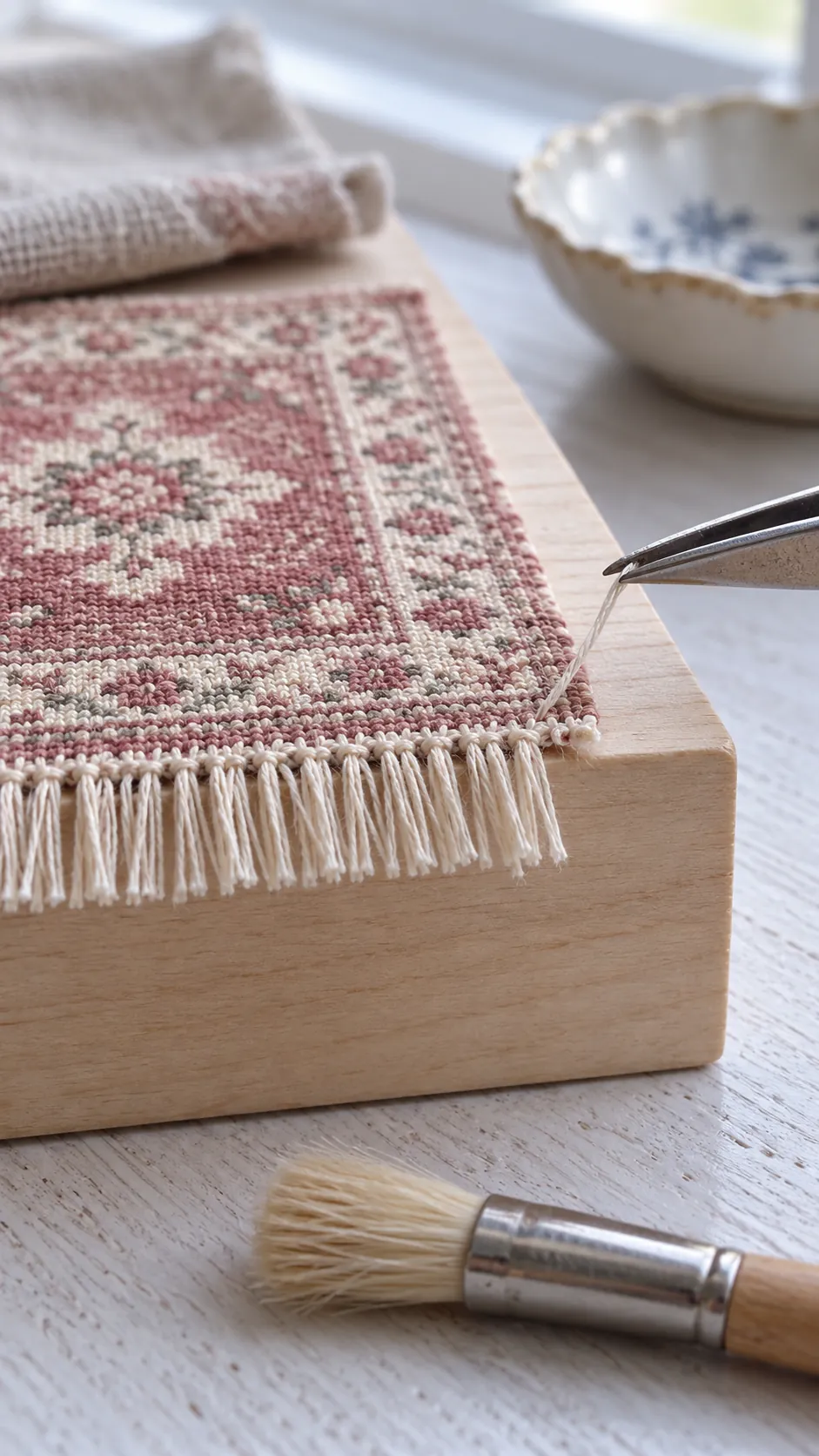
Fringe works best when the fabric weave can be unraveled evenly at two ends. Pull one cross thread at a time with tweezers, then comb the short strands with a clean soft brush. Stop early because long fringe can make a tiny rug look unfinished.
If the fabric will not unravel neatly, glue short fine embroidery fibers to the back edge in small groups. Trim them to an even but not perfectly rigid line. Leave the long sides plain so the rug keeps a believable woven direction.
Keep the Finished Rug Flat and Removable
Let every adhesive layer dry completely before placing the rug in the room. If an edge curls, press the rug again between clean sheets of baking paper. Avoid soaking it with water because moisture can distort the backing or make printed color bleed.
Use two tiny dots of removable museum putty when the rug slides under furniture. Place them away from the fringe and test the floor finish first. A removable rug is easier to clean, reposition, or replace when the room changes, and its low profile keeps miniature furniture standing naturally.